
Menu Analysis
Discover the art of menu analysis! Transform your restaurants offerings, increase profits, and elevate customer experiences—one dish at a time....


- 1. Decoding the Dishes: How Menu Analysis Can Transform Your Restaurant’s Success
- 2. The Art of Menu Engineering: Turning Data into Delicious Decisions
- 3. Beneath the Surface: What Your Menu Says About Your Brand Identity
- 4. From Farm to Table: Analyzing Menus to Enhance Sustainable Dining Options
- 5. The Psychology of Menu Design: How Layout Influences Eating Choices
- 6. Data-Driven Dining: Leveraging Menu Analysis for a Competitive Edge
- 7. Flavor Trends: How Menu Analysis Shapes Culinary Innovation for 2023
- 8. Frequently Asked Questions
- 8.1. What Key Metrics are Used in Menu Analysis?
- 8.2. How Often Should Menu Analysis be Conducted?
- 8.3. What is Menu Analysis and Why is it Important?
- 8.4. What Tools Can Assist with Menu Analysis?
- 8.5. How Can Menu Analysis Improve Sales?
Menu Analysis, Imagine your menu is a stage, and every dish is an actor vying for the spotlight. Some will shine bright, captivating diners and keeping tables full, while others might fade into the background, unnoticed. A thorough menu analysis lets you identify these stars and supporting characters, spotlighting which items are pulling their weight and which need an exit strategy. You’re basically becoming the director of your culinary show, ensuring every dish gets its moment to shine—or is gracefully ushered off stage.

You start by checking out your sales data. Which dishes are selling like hotcakes? Which are gathering more dust than a forgotten book? But it’s not just about numbers; you want to think about what customers are actually saying. Are there rave reviews for that spicy shrimp entree? Or are diners left pining for something more flavorful? Feedback is your guiding compass.

Don’t forget about food costs and profit margins! An amazing dish that costs you an arm and a leg to make could be like pouring champagne into a leaky glass—no matter how special it is, if it isn’t profitable, it’s a problem.

So, roll up your sleeves, dive into those spreadsheets, and let the art of menu analysis transform your restaurant into the local hotspot that everyone is talking about!
Decoding the Dishes: How Menu Analysis Can Transform Your Restaurant’s Success
First off, let’s chat about understanding customer preferences. Menu analysis lets you peek into the minds of your guests. By evaluating which dishes fly off the shelves and which linger like unwanted party guests, you can tailor what you serve. Have you noticed that certain items get a lot of traction? This is your chance to amplify them. It’s like finding out that your grandma’s secret recipe for lasagna is a crowd favorite—why wouldn’t you want to showcase that more?

Now, think about pricing strategies. Through menu analysis, you can identify high-profit items that deserve the spotlight. It’s not just about slapping a price tag on your dishes. Instead, it’s like crafting a masterpiece; every detail matters. Would you rather have folks glancing at the cheaper options, or do you want them to savor that premium steak after learning about its source? Highlighting those dishes can be a game changer.
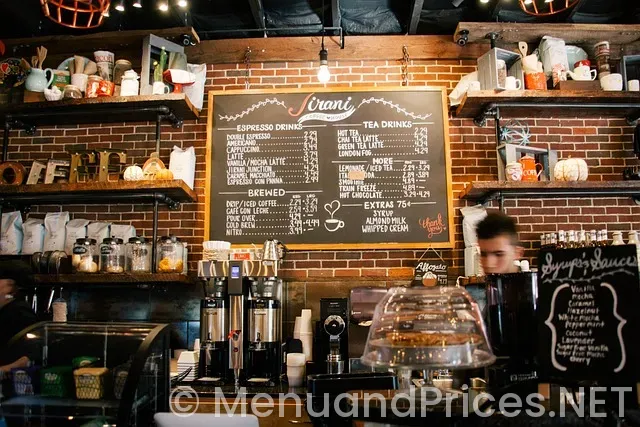
And don’t forget about seasonal ingredients! Menu analysis isn’t just a one-time gig; it’s ongoing. As seasons change, so do tastes. Knowing what fresh, local ingredients are in season helps keep your menu exciting. It’s like recharging your phone; new energy means more engagement and higher sales.
So, if you’re ready to elevate your culinary adventure, dive into the world of menu analysis. You’re just a few insights away from turning your restaurant into the go-to spot in town!
The Art of Menu Engineering: Turning Data into Delicious Decisions
Let’s dive into the deliciously intricate world of menu engineering. Have you ever noticed how some items just leap off the page? That’s no accident! By analyzing sales data, you can pinpoint which dishes are flying out the door and which ones are gathering dust. This is where your chef’s creativity meets your inner analyst. It’s about making choices based on both flavors and figures.
For instance, consider creating highlight boxes for high-profit items. Think of it as shining a spotlight on your restaurant’s hidden gems. Customers are visual creatures and are often drawn to eye-catching items. By placing those delectable dishes in a prominent spot, you’re not just guiding their choices; you’re shaping their dining experience.
But there’s also the psychology aspect. Ever thought about how the way you word menu items can influence decisions? Descriptive language turns a simple “chicken salad” into a “grilled chicken salad tossed with seasonal greens and drizzled with zesty lemon vinaigrette.” Doesn’t that sound more appealing? By evoking curiosity and appetite, you’re transforming what could be a mundane meal into an enticing adventure.
Beneath the Surface: What Your Menu Says About Your Brand Identity
Think about it: the fonts, the colors, the photos—every element plays a role in shaping your identity. If your menu has a rustic vibe with earthy colors and hand-written notes, it’s whispering tales of homemade goodness right into your ears. On the flip side, if it’s sleek and modern, you’re probably in for a culinary adventure that’s a cut above the rest. It’s like the personality of the place bursts forth from that single sheet of paper!
Now, let’s chat about descriptions. A beautifully crafted description can transport diners right into the kitchen. Instead of just saying “grilled chicken,” why not paint a picture? “Juicy, marinated chicken kissed by a smoky grill and served with a side of zesty, fresh salsa.” Doesn’t that just make your taste buds do a little happy dance? It’s all about storytelling, and every word matters because your menu isn’t just about food; it’s an invitation to experience a slice of your brand’s essence.
And hey, don’t forget about dietary options! A menu that reflects inclusivity is like a warm hug to your patrons. Whether they’re vegan, gluten-free, or just a little picky, showing that you care about everyone’s needs speaks volumes about your brand’s identity. In a way, your menu is like a showcase of your values and creativity—each dish a brushstroke on the canvas that is your culinary identity.
From Farm to Table: Analyzing Menus to Enhance Sustainable Dining Options
When restaurants prioritize local and seasonal produce, they not only reduce their carbon footprint but also support local farmers. Menus that feature items marked as “locally sourced” or “organic” are like treasure maps guiding you to healthier choices. It’s essential to pay attention to these details. Why settle for a tasteless tomato from halfway across the country when you can enjoy one that was picked at peak ripeness just down the road?
Additionally, analyzing menus can spotlight options that minimize waste. Ever noticed a “farm-to-fork” dish made from ingredients that would otherwise go unused? This creativity not only tantalizes your taste buds but also helps combat food waste. Restaurants that showcase such options demonstrate their commitment to sustainability while treating diners to unique flavors.
The Psychology of Menu Design: How Layout Influences Eating Choices
First off, let’s talk about layout. Ever noticed how the most expensive items often land at the top right corner of a menu? That’s no accident! This prime real estate is the first spot your eyes dart to—it’s where restaurants place dishes that entice you but don’t necessarily fit your budget. It’s almost like they’re saying, “Look here! You want this.” It’s a clever psychological trick, right?

Now, here’s where it gets really interesting: the use of descriptive language. Menu descriptions can transport you right to a sun-drenched Italian vineyard, or they can make a dish sound as dull as yesterday’s leftovers. Think of it this way—when you read something luscious (hello, “succulent grilled chicken marinated in zesty herbs”), you’re more likely to visualise and crave that flavor, making your stomach growl with excitement.
And let’s not forget the power of visuals. A well-placed photo of a decadent dessert can be like a siren’s song, leading you straight into temptation. It’s like hanging a beautiful painting that draws you in; you won’t just admire it—you’ll want to dig in.

Even the colors on a menu matter! Warm tones can stimulate hunger, while cool colors can calm and pacify. Ever tried to resist a red sauce in a bold red plate? It’s a tantalizing challenge, isn’t it? Just like that, a menu can either beckon you toward indulgence or sway you toward a healthier option. Isn’t that mind-blowing?
Data-Driven Dining: Leveraging Menu Analysis for a Competitive Edge
Think of menu analysis as the ultimate recipe for success. It’s all about crunching numbers and turning insights into action. For instance, if a dish garners attention but isn’t selling well, the chef might tweak the recipe or adjust the price to spark interest. Now, imagine transforming the menu into a living document filled with items that truly resonate with diners. By tracking sales trends, customer preferences, and seasonal ingredients, restaurants can curate menus that aren’t just tasty but also aligned with diners’ cravings.
But wait, it gets even better. Menu analysis allows for a deeper dive into customer habits. Are patrons flocking to vegan options, or are they still hooked on classic comfort food? Data can reveal patterns that help chefs innovate or enhance their offerings. It’s like having a backstage pass to the culinary concert, where you get to see what hits the right notes with diners.
Flavor Trends: How Menu Analysis Shapes Culinary Innovation for 2023
So, how does this whole menu analysis thing work? Well, let’s break it down. Chefs are now digging deep into consumer tastes, preferences, and even social media buzz to spot flavor trends. Picture a detective with a magnifying glass, sifting through customer reviews, food blogs, and trending hashtags for that one clue that leads to a flavor breakthrough. This is where culinary innovation gets a turbo boost!
Think about it: one week it could be spicy, tangy profiles that have foodies craving a taste explosion, and the next week, it’s all about earthy and comforting flavors reminiscent of grandma’s kitchen. By tapping into these shifts, restaurants can not only craft dishes that resonate with their patrons but also create a buzz that draws new customers through the door.
And let’s not forget about the influence of global flavors! As we become more adventurous with our palates, the world truly is one big melting pot. Have you ever had Ethiopian spices paired with Asian flavors? Or maybe a twist on classic Italian using local ingredients? Menu analysis helps chefs identify these mashups that are both innovative and deeply satisfying.
Isn’t it thrilling to think about how menu analysis shapes the culinary landscape of 2023? Each bite tells a story, shaped by trends that excite our taste buds while keeping us coming back for more!
Frequently Asked Questions
What Key Metrics are Used in Menu Analysis?
Key metrics used in menu analysis include food cost percentage, menu item contribution margin, sales volume, sales mix, and item popularity. These metrics help identify high-performing items, optimize pricing, and improve overall menu profitability.
How Often Should Menu Analysis be Conducted?
Regular menu analysis is essential for optimizing offerings, enhancing profitability, and meeting customer preferences. It is recommended to conduct this analysis at least bi-annually or quarterly, depending on changing trends, seasonality, and customer feedback. This practice ensures the menu remains relevant and aligned with business goals.
What is Menu Analysis and Why is it Important?
Menu analysis involves evaluating and optimizing a restaurant’s menu to enhance profitability and customer satisfaction. It identifies the performance of each item, assesses pricing strategies, and aligns offerings with market trends. This process is crucial as it helps improve sales, reduce food costs, and ensure that the menu reflects customer preferences, ultimately leading to a more successful dining experience.
What Tools Can Assist with Menu Analysis?
Various tools can enhance menu analysis, including digital menu management software, sales analytics platforms, and customer feedback systems. These tools help evaluate item performance, optimize pricing strategies, and identify customer preferences, enabling informed decisions to enhance profitability and customer satisfaction.
How Can Menu Analysis Improve Sales?
Menu analysis involves evaluating the performance of menu items based on factors like popularity and profitability. By identifying high-performing dishes, enhancing or removing underperforming items, and optimizing pricing strategies, restaurants can strategically improve sales. This targeted approach not only boosts revenue but also enhances customer satisfaction by presenting appealing options.