
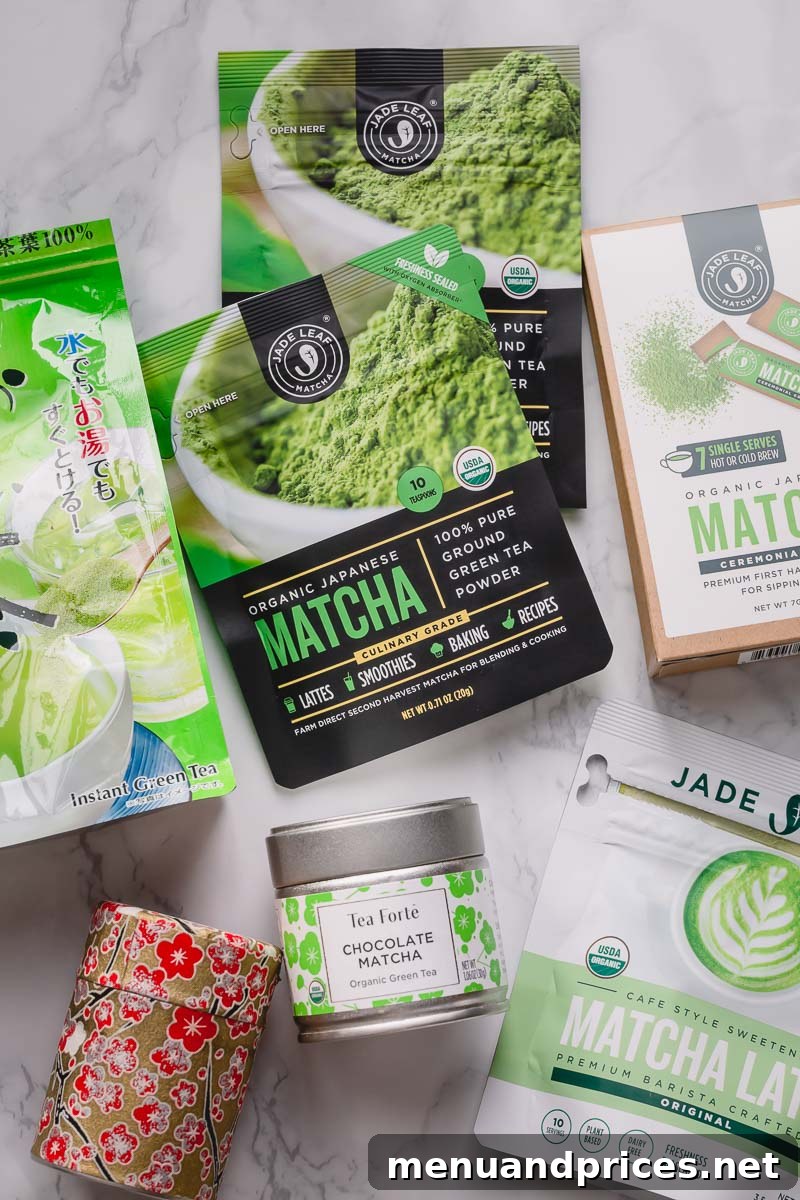
What is matcha? Dive into the world of this vibrant green tea with our comprehensive Matcha 101 guide! Learn about its unique origins, remarkable health benefits, various types, and how to effortlessly brew it into a delicious, simple tea recipe. Whether you’re a seasoned enthusiast or new to the matcha scene, this guide has everything you need to become a matcha connoisseur.
Pin this now to find it later
Pin It
What is Matcha? Unveiling the Emerald Elixir
Matcha is far more than just green tea; it’s a finely ground powder made from specially cultivated and processed tea leaves. Originating in Japan, this unique green tea has been cherished for centuries, playing a central role in traditional Japanese tea ceremonies (known as chanoyu).
Unlike other green teas where leaves are steeped and then discarded, with matcha, you consume the entire tea leaf. This means you ingest a higher concentration of beneficial compounds, making it an incredibly potent and nutritious beverage.
The Unique Cultivation Process
What sets matcha apart is its distinctive growing process. Approximately 20-30 days before harvest, tea plants are shaded from direct sunlight. This crucial step boosts chlorophyll production, resulting in the tea’s characteristic vibrant green color and increased levels of amino acids, particularly L-theanine. This amino acid is responsible for matcha’s unique umami flavor and its calming, yet alert, effects.
After the leaves are handpicked, steamed to prevent oxidation, and dried, they become known as tencha. The veins and stems are removed, and the tencha leaves are then meticulously stone-ground into the fine, talc-like powder we know as matcha. This careful process ensures a smooth texture and preserves the tea’s delicate flavors and rich nutritional profile.
While historically rooted in Japanese culture, matcha has seen a global surge in popularity, captivating health enthusiasts and foodies worldwide with its distinctive taste and health-promoting properties.
What Does Matcha Tea Taste Like? Exploring its Unique Flavor Profile
The flavor of matcha is a complex and captivating experience, distinct from any other tea. High-quality matcha offers a balanced profile that is slightly vegetal, earthy, and often described as having notes of fresh grass or seaweed, combined with a subtle sweetness. It also boasts a profound umami flavor – a savory, brothy richness that lingers on the palate.
This unique taste comes directly from its shading process, which increases chlorophyll and L-theanine. The L-theanine contributes to the umami and sweet undertones, mitigating the astringency often found in regular green teas.
Addressing Bitterness in Matcha
A common misconception is that matcha is inherently bitter. However, genuinely high-quality ceremonial-grade matcha should not be bitter. If your matcha tastes overwhelmingly bitter, it’s often an indication of lower-quality powder, improper brewing techniques (like using water that’s too hot), or expired tea. Good matcha offers a smooth, mellow, and slightly sweet finish.
Types of Matcha: Choosing the Right Grade for Your Needs
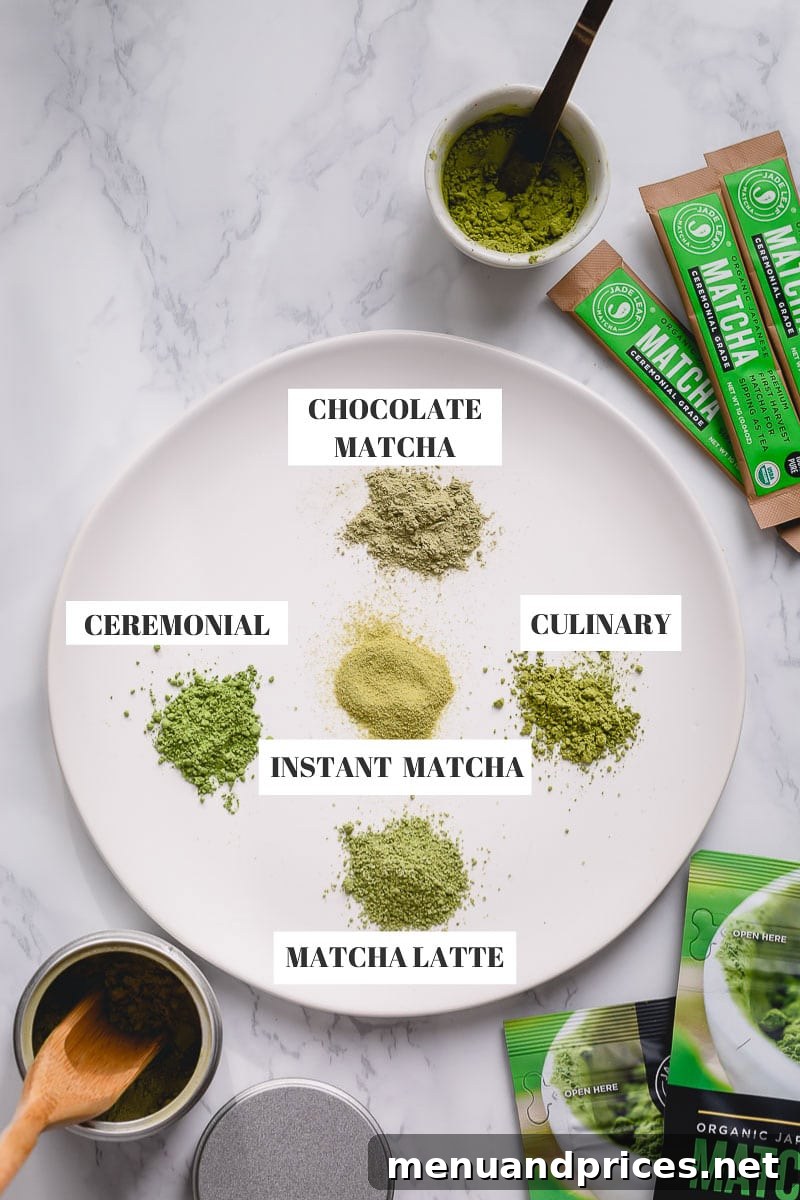
Not all matcha powder is created equally. The quality and intended use of matcha vary significantly, primarily categorized into two main grades:
- Ceremonial Grade Matcha: This is the pinnacle of matcha quality. Made from the youngest, most tender tea leaves harvested during the first flush (known as ichiban-cha), ceremonial matcha is characterized by its exceptionally smooth, delicate, and naturally sweet taste with pronounced umami notes. Its vibrant, almost glowing green color is a testament to its high chlorophyll content. This grade is specifically intended for traditional preparation as a standalone tea, to be whisked with hot water and enjoyed purely. It’s also ideal for crafting premium matcha lattes and smoothies, where its superior flavor and color can truly shine, as seen in my matcha latte and morning boost green smoothie recipes.
- Culinary Grade Matcha: While still genuine matcha, this grade is derived from older tea leaves or later harvests. Culinary matcha has a stronger, more robust, and sometimes slightly more bitter flavor profile, designed to stand up to other ingredients when used in cooking and baking. Its color is typically a less vibrant, more subdued green. While it’s recommended for baking, I often prefer using ceremonial-grade matcha even in recipes like my strawberry matcha roll cake and matcha sponge cake to achieve a brighter green hue and a more refined flavor in the final product.
Beyond Traditional Grades: Exploring Other Matcha Varieties
In addition to the pure ceremonial and culinary powders, the market offers several convenient matcha-based products:
- Flavored Matcha Powders: These are blended matcha powders infused with natural or artificial flavorings such as chocolate, vanilla, or coconut. They are fantastic for quick, indulgent drinks and can introduce new palates to the world of matcha. The Tea Forte chocolate and coconut flavors are among my personal favorites for a delightful twist!
- Matcha Latte Mixes: Designed for ultimate convenience, these pre-mixed powders typically contain matcha, a sweetener (like sugar or stevia), and often milk powder or non-dairy creamers. They are perfect for preparing quick homemade lattes with minimal effort, requiring only hot water or milk.
- Instant Green Tea Powder: While similar in appearance to matcha, instant green tea powder is generally made from regular green tea extract that has been dehydrated and powdered. It dissolves readily in water, making it ideal for iced lattes and other quick, on-the-go beverages, but it lacks the nuanced flavor and concentrated nutrients of true shade-grown matcha.
Unlocking Your Preferred Matcha Flavor
If you’ve previously tried matcha and found its grassy or bitter notes off-putting, I strongly encourage you to give ceremonial-grade matcha a second chance. Its superior quality and smooth profile can be a revelation. Alternatively, experimenting with flavored varieties, such as those from Tea Forte, might pleasantly surprise your taste buds.
When selecting any matcha product, always scrutinize the ingredient list. Prioritize pure matcha powders and be wary of those with excessive added sugar, milk powder, artificial flavors, or fillers. Many pre-mixed options are overly sweet for my preference, masking the authentic taste of matcha.
Matcha Brands I Love: My Top Recommendations for Quality
Over my many years of enjoying and experimenting with matcha, I’ve had the pleasure of trying numerous brands from various regions. While I used to pick up exceptional matcha at Narita airport during my travels, my increased consumption and fewer international trips have led me to discover some fantastic online brands that I consistently return to.
Finding a quality matcha brand is essential for a truly enjoyable experience. Here are a few of my go-to selections that consistently deliver on flavor, color, and smoothness:
- My absolute favorite brand on Amazon – consistently smooth, vibrant, and perfect for daily drinking.
- This one is my second favorite on Amazon, offering excellent value and taste.
- Another great quality matcha on Amazon that provides a balanced and satisfying cup.
You truly can’t go wrong with any of these recommendations. When choosing your own matcha, look for brands that specify ceremonial grade for drinking, bright green color, and a finely ground texture. Reading reviews and understanding the origin can also help guide your decision.
How to Make Matcha Green Tea: A Simple Brewing Guide
Preparing a perfect cup of matcha tea is a delightful ritual that, while simple, benefits from a few key considerations to ensure optimal flavor and smoothness. Forget boiling water and complicated steps; here’s a straightforward method to enjoy your matcha:
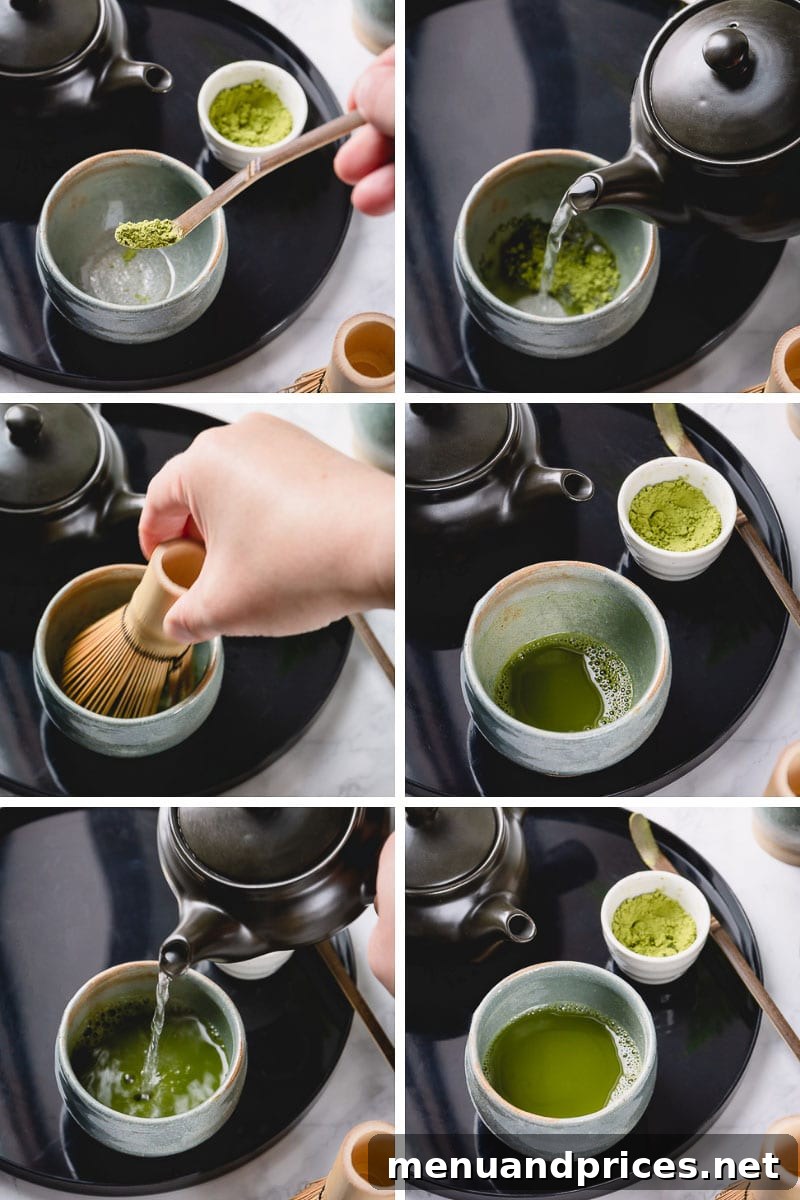
- Prepare Your Water: Boil a pot of fresh, filtered water. Crucially, let it cool for a few minutes. I typically transfer the boiled water into a tea kettle or a separate mug to allow it to reach the ideal temperature. Avoid using boiling water directly, as it can “burn” the delicate matcha powder, leading to a bitter taste. The optimal temperature range for brewing matcha is between 160°F and 175°F (70°C to 80°C).
- Create a Smooth Paste: In a small teacup or traditional matcha bowl (chawan), add 1 to 2 teaspoons of ceremonial-grade matcha powder. Pour in approximately 1 tablespoon of the cooled hot water. Using a bamboo whisk (chasen) or a small kitchen whisk, vigorously whisk the powder and water together until a smooth, lump-free paste forms. This crucial step prevents clumps and ensures a creamy texture in your final tea.
- Whisk to Perfection: Once your paste is smooth, add the remaining water (typically 4-7 ounces, depending on your preferred strength) to the cup. If you desire a touch of sweetness, now is the time to add a teaspoon of honey, agave, or your preferred sweetener. Continue whisking in a ‘W’ or ‘M’ motion until a delicate foam appears on the surface. This aeration enhances the flavor and creates a more pleasant drinking experience.
- Sip and Enjoy: Your perfectly brewed cup of matcha is ready! Take a moment to appreciate its vibrant color and unique aroma before savoring its earthy, subtly sweet taste.
Achieving Smooth-Tasting Matcha Tea
The secret to smooth, delicious matcha lies in the water temperature and whisking technique. Always remember: do NOT use boiling water! The ideal water temperature for making matcha tea is between 160°F and 175°F (70°C to 80°C). This temperature range extracts the best flavors without imparting bitterness. Thorough whisking, especially in the initial paste stage, is also key to preventing clumps and achieving a desirable frothy texture.
The Abundant Health Benefits of Matcha
Beyond its captivating flavor and ceremonial significance, matcha is celebrated for its impressive array of health benefits. Because you consume the entire tea leaf, matcha delivers a more concentrated dose of nutrients compared to regular green tea.
- Rich in Antioxidants: Matcha is packed with powerful antioxidants, especially catechins like Epigallocatechin Gallate (EGCG). These compounds help combat free radicals in the body, protecting cells from damage and reducing the risk of chronic diseases.
- Boosts Metabolism and Burns Calories: Studies suggest that matcha can enhance thermogenesis (the body’s rate of burning calories) and promote fat oxidation, making it a popular choice for those looking to support their weight management goals.
- Calm Alertness and Improved Focus: The unique combination of caffeine and L-theanine in matcha provides a sustained energy boost without the jitters often associated with coffee. L-theanine promotes alpha wave activity in the brain, leading to a state of relaxed alertness, improved memory, and better concentration.
- Detoxifies the Body: The high chlorophyll content in matcha, a result of its shade-grown cultivation, is believed to help detoxify the body by binding to heavy metals and toxins, aiding in their removal.
- Strengthens the Immune System: The antioxidants and vitamins (such as Vitamin C and A) found in matcha can bolster the immune system, helping the body fight off illnesses and infections.
- Supports Heart Health: Regular consumption of green tea, including matcha, has been linked to various cardiovascular benefits, such as lowering levels of “bad” LDL cholesterol and improving overall heart health.
Incorporating matcha into your daily routine can be a delicious way to nourish your body and mind, offering a wealth of benefits that contribute to overall well-being.
FAQs: Your Matcha Questions Answered
The ideal ratio of matcha powder to water largely depends on your personal preference for strength and flavor. A common guideline for a traditional cup of matcha (usucha, or thin tea) is to use 1-2 teaspoons (2-4 grams) of matcha powder for every 4-7 ounces (120-200 ml) of hot water. For a stronger, thicker tea (koicha), you might use more powder with less water. Feel free to adjust these measurements to find the perfect balance that suits your taste buds.
Making matcha taste good involves a few key factors. Firstly, always use high-quality, ceremonial-grade matcha for drinking, as it naturally possesses a smoother, sweeter, and less bitter profile. Secondly, pay close attention to water temperature – use filtered water heated just below boiling (160°F to 175°F or 70°C to 80°C). Whisking thoroughly to create a frothy top also enhances the experience. If you find it too strong, you can adjust the powder-to-water ratio or add natural sweeteners like honey, maple syrup, or a dash of plant-based milk to create a latte. Remember, matcha can be an acquired taste for some, so don’t be afraid to experiment and find what you like best!
Matcha powder is delicate and sensitive to light, heat, and air. For the best flavor and vibrant color, it is generally recommended to consume matcha within 3-4 weeks of opening. Unopened, high-quality matcha can last up to 6-12 months. To maximize its freshness and extend its shelf life, always store leftover powder in an airtight container, away from direct sunlight, moisture, and strong odors. Refrigeration or freezing can further help preserve its quality.
More Helpful Ingredient Guides
- Thickening Agents 101
- Sugar 101: 13 Most Common Types of Sugar and Their Uses
- Types of Cocoa Powder and How to Use Them
- Types of Yeast and When to Use Them
How to Make Matcha Tea: The Simple Recipe
Shinee Davaakhuu
1 serving
Comment
Print Recipe
Ingredients
- 1 cup water (filtered is best)
- 1-2 teaspoons ceremonial grade matcha powder
- 1 teaspoon honey if desired (or other sweetener)
Instructions
-
Boil a pot of water and let it cool for a few minutes until it reaches 160°F – 175°F (70°C – 80°C). Pouring it into a tea kettle or separate cup helps it cool faster. Do NOT use boiling water.
-
In a teacup or matcha bowl, whisk 1-2 teaspoons of matcha powder with 1 tablespoon of the cooled hot water until a smooth, lump-free paste forms. This ensures a creamy texture.
-
Add the remaining water (approx. 4-7 oz) and honey (or other sweetener), if using. Whisk vigorously in a ‘W’ or ‘M’ motion until a delicate foam appears on the surface. Serve immediately and enjoy!
⭐️ Did you make this recipe?
Please leave a review and let us know how you liked it!
Tips & Notes
Note 2: For an extra frothy texture, consider sifting your matcha powder before whisking to remove any small clumps, then use a traditional bamboo whisk (chasen) for best results.
Note 3: Experiment with different types of sweeteners, such as agave nectar, stevia, or even a splash of vanilla extract, to customize your matcha tea to your personal taste.
Did you make this?
Leave a rating and your feedback. Thank you!