
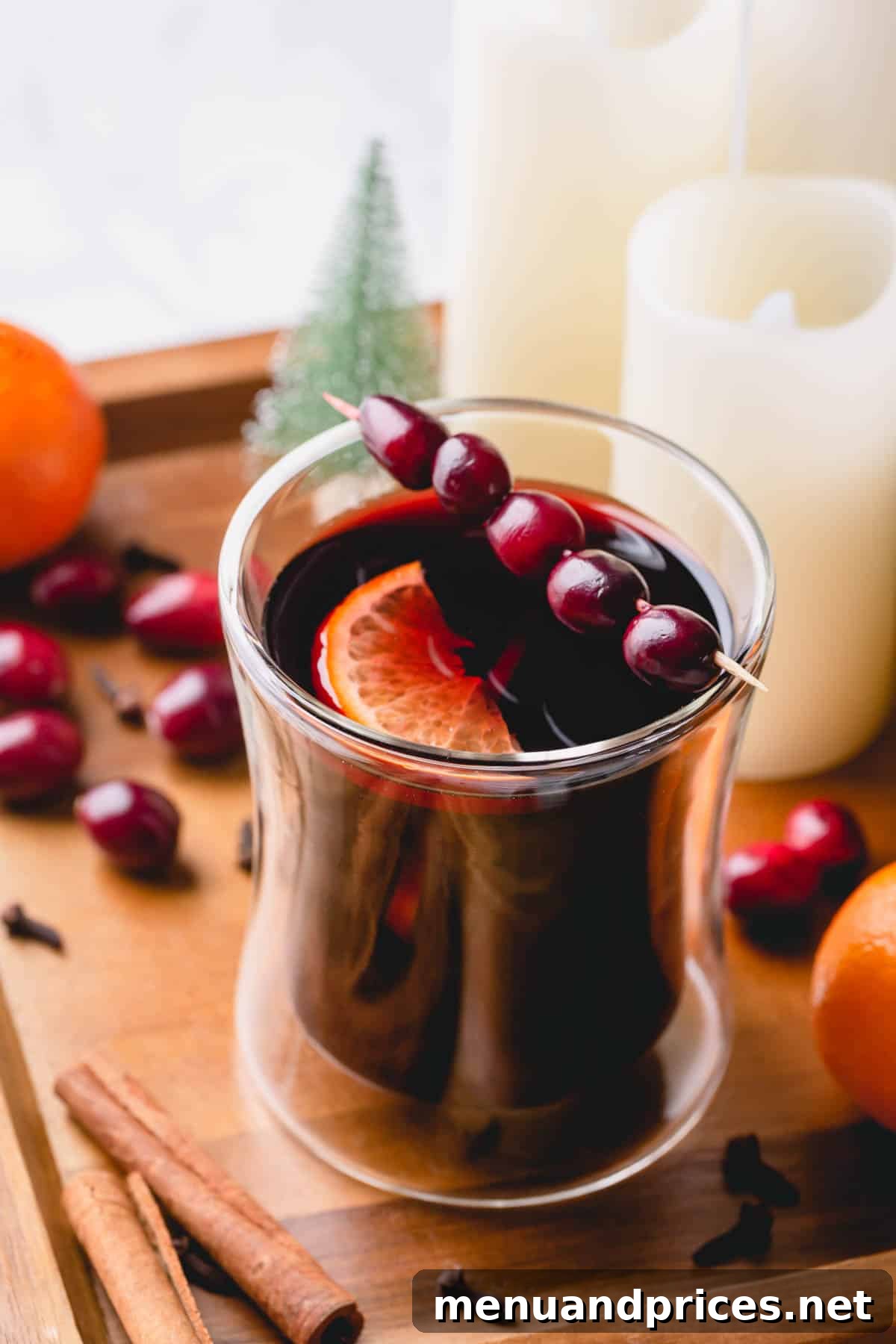
The Ultimate Homemade Mulled Wine Recipe: Warm Your Holidays with This Cozy Spiced Drink
Unwrap the joy of the holiday season with our ultimate homemade mulled wine recipe. Crafted with just 7 simple, pantry-friendly ingredients, this guide ensures you can easily create a warm, aromatic, and incredibly delicious spiced wine that will be the highlight of any festive gathering. Get ready to fill your home with irresistible scents and sip on pure winter bliss!
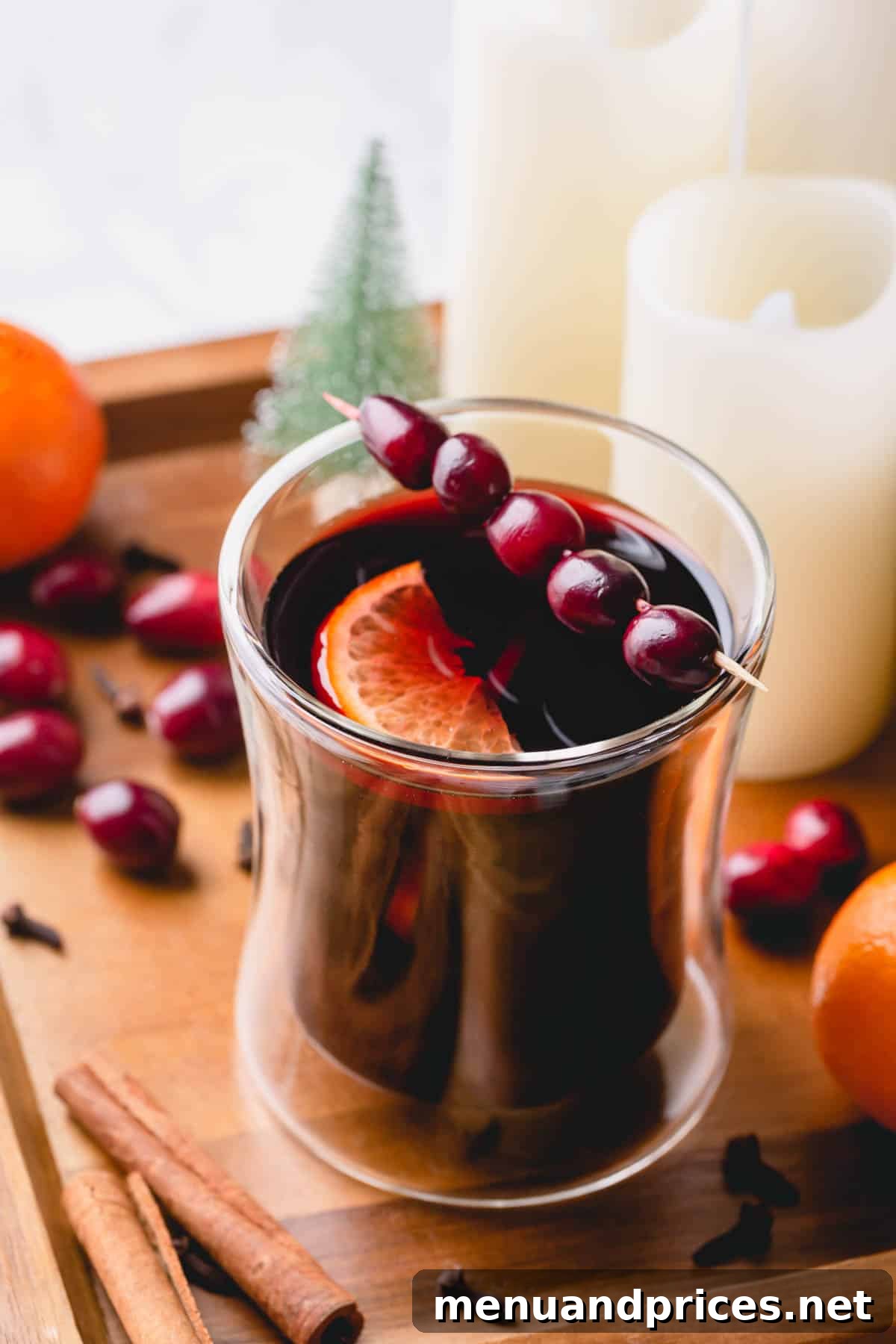
What Exactly is Mulled Wine? A Global Holiday Tradition
Mulled wine, often synonymous with winter warmth and festive cheer, is a beloved spiced beverage enjoyed across the globe. Known as Glühwein in Germany, Glögg in the Nordic countries, Vin Chaud in France, and Svařené víno in the Czech Republic, this aromatic drink transcends cultural boundaries, bringing comfort and joy to cold evenings. At its core, mulled wine is red wine gently heated and infused with a medley of aromatic spices, citrus fruits, and a touch of sweetener.
The tradition of mulling wine dates back to ancient times, with roots in Roman civilization. The Romans, who were keen on traveling and conquest, brought their vinum conditum (spiced wine) recipes across Europe. They believed that heating wine and adding spices not only made it more palatable but also helped preserve it and even offered perceived health benefits. Over centuries, these recipes evolved, becoming particularly popular during the colder months and firmly establishing themselves as a Christmas market staple throughout Europe.
Today, mulled wine represents more than just a drink; it’s an experience. The process of making it fills your home with enchanting aromas, instantly transforming any space into a festive haven. Its inviting warmth, combined with the complex notes of cinnamon, clove, and citrus, creates a delightful sensory journey that perfectly complements the holiday spirit.
Why This Homemade Mulled Wine Recipe Will Become Your Holiday Favorite
After countless variations and explorations of spiced wines—from convenient glühwein teabags to exquisite concoctions savored in bustling Parisian markets—I can confidently say that crafting your own mulled wine at home is not only incredibly rewarding but often yields the most superior results. This particular recipe stands out for several compelling reasons, promising to elevate your holiday beverage game:
- Unrivaled Simplicity: Forget complicated techniques or obscure ingredients. This recipe is designed for ease, allowing even novice cooks to achieve professional-tasting results with minimal effort. It’s a truly foolproof method to create a memorable drink.
- Pantry Staples at Your Fingertips: You’ll likely find most, if not all, the required ingredients already in your kitchen. We focus on common, accessible items, eliminating the need for special grocery trips during the busy holiday season.
- Tailored to Your Taste (No Star Anise? No Problem!): While star anise is a traditional mulled wine spice, its licorice-like flavor isn’t universally adored. This recipe offers a fantastic base that allows you to omit or add spices according to your personal preference. It’s fully customizable, empowering you to create your perfect cup.
- Economical and Delicious: Why pay a premium for pre-made mixes or pricey market versions when you can create an exceptionally delicious mulled wine for a fraction of the cost? The homemade version offers superior flavor control and freshness.
- Aromatic Ambiance: Beyond its incredible taste, making mulled wine fills your entire home with an enchanting, cozy aroma that instantly sets a festive mood. It’s an olfactory delight that enhances the holiday atmosphere even before the first sip.
- Perfect for Entertaining: Whether it’s an intimate family gathering or a larger holiday party, this recipe scales beautifully and can be prepared in advance, making it the ideal host’s companion.
Essential Ingredients for the Perfect Spiced Wine
Creating a truly remarkable mulled wine begins with a careful selection of foundational ingredients. Our basic starting point is designed for maximum flavor impact and ease, relying on components that harmonize beautifully:
- Dry Red Wine (750ml / 1 bottle): This is the backbone of our mulled wine. The key here is to choose a dry, full-bodied red that you enjoy drinking on its own. Popular choices include Merlot, Cabernet Sauvignon, Zinfandel, Syrah, or Pinot Noir. There’s no need to splurge on an expensive bottle; an affordable yet pleasant-tasting wine will absorb and complement the spices wonderfully.
- Whole Orange (1 large): Essential for its bright, tangy citrus notes. The zest and juice both contribute significantly to the overall flavor profile, balancing the sweetness and spices. We’ll be studding this with cloves, a clever trick for easy spice management.
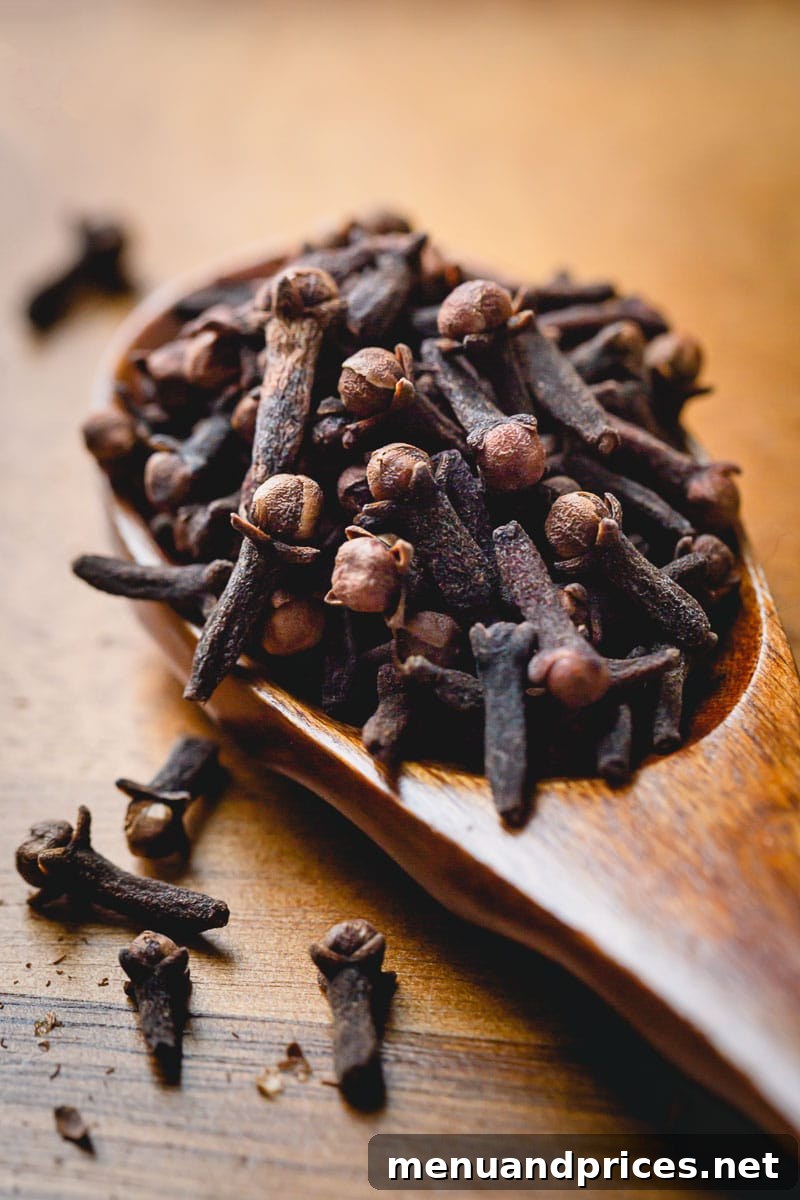
- Whole Cloves (8-10): These tiny, potent spices deliver a warm, sweet, and aromatic depth that is characteristic of classic mulled wine. Using whole cloves is crucial for both flavor and texture, as discussed below.
- Orange Juice (1 cup / 240ml): While the whole orange adds zest and subtle juice, an additional splash of orange juice amplifies the citrus brightness, adding a lovely tang and further enhancing the festive flavor. Freshly squeezed is always best, but good quality store-bought works too.
- Granulated Sugar (½ cup / 100g): This provides the necessary sweetness to balance the wine’s dryness and the spices’ intensity. You can adjust the amount to your preference or even substitute with honey, maple syrup, or brown sugar for different flavor nuances.
- Cinnamon Sticks (1-2): A quintessential mulled wine spice, cinnamon sticks infuse the drink with a comforting, sweet, and woody aroma. Like cloves, using whole sticks prevents a powdery texture.
- Cranberries (½ cup, fresh or frozen, optional): These tart berries add a beautiful visual appeal, a burst of fresh flavor, and an extra layer of complexity to the mulled wine. They also serve as a delightful garnish.
Optional Enhancements: Feel free to experiment with other spices to tailor the flavor to your liking. A pinch of freshly grated nutmeg can add another dimension of warmth. While this recipe omits star anise, if you enjoy its distinct licorice notes, one or two whole star anise pods can be added. Cardamom pods or a slice of fresh ginger can also introduce intriguing layers of flavor.
The Art of Using Whole Spices: A Game Changer for Mulled Wine
When it comes to crafting the perfect mulled wine, the choice between whole and ground spices is a critical one. We strongly advocate for the use of whole spices – such as whole cloves, cinnamon sticks, and if you choose to include them, whole star anise pods. This preference isn’t just a culinary quirk; it’s based on sound principles that significantly impact the final quality of your drink:
- Superior Flavor Extraction: Whole spices release their essential oils and flavors slowly and steadily over time as they simmer. This gradual infusion results in a more nuanced, balanced, and complex flavor profile. Ground spices, in contrast, release their flavor quickly and can easily overpower the wine, leading to a less refined taste.
- Pristine Clarity and Texture: Perhaps the most significant advantage of whole spices is the pristine clarity they impart to your mulled wine. Ground spices, no matter how finely milled, will inevitably leave a powdery, gritty residue in your drink. This not only affects the texture but can also make the wine appear cloudy and unappetizing. Whole spices, being solid, can be easily strained out, leaving behind a beautifully clear and smooth beverage.
- Ease of Straining: Imagine trying to fish out countless tiny particles of ground cinnamon or clove from a pot of warm wine – it’s a tedious and often unsuccessful task. Whole spices, however, are large enough to be effortlessly removed with a slotted spoon or a fine-mesh sieve, making cleanup a breeze. This is especially true for our clever trick of studding oranges with cloves!
- Aesthetic Appeal: There’s an undeniable charm in seeing whole cinnamon sticks and star anise pods gently swirling in a pot of mulled wine. They add a rustic, artisanal touch that enhances the visual appeal and signals quality to your guests.
By opting for whole spices, you’re not just making a choice for convenience; you’re making a choice for a superior mulled wine experience that delights the senses in every way.
Step-by-Step Guide: How to Make the Best Homemade Mulled Wine
Creating this perfect mulled wine is an incredibly straightforward process, broken down into simple steps that ensure maximum flavor and enjoyment. Follow along to craft your own delicious, warming holiday drink:
- Prepare the Orange and Cloves: Take your whole orange and cut it into quarters. Then, carefully push 2-3 whole cloves directly into the outer skin of each orange quarter. This ingenious trick allows the cloves to infuse their flavor without scattering throughout the wine, making them incredibly easy to remove later.
- Combine Syrup Base Ingredients: In a large, heavy-bottomed pot or Dutch oven, combine the orange juice, granulated sugar, cinnamon sticks, your clove-studded orange quarters, and cranberries (if using). This initial mixture forms the flavorful syrup base that will later meld with the wine.
- Create the Aromatic Syrup: Place the pot over medium-high heat. Slowly bring the mixture to a simmer, stirring occasionally to ensure the sugar fully dissolves. Once the sugar has completely dissolved, increase the heat slightly and bring the mixture to a gentle boil. Continue to cook for approximately 15-20 minutes, or until the mixture has thickened slightly and reduced by almost half. This step is crucial for concentrating the vibrant flavors of the fruit and spices.
- Infuse with Wine: Reduce the heat significantly to low. Carefully pour in the entire bottle (750ml) of dry red wine. Stir gently to combine all the ingredients.
- Heat Through (Do Not Boil!): Allow the mulled wine to simmer gently on low heat until it is thoroughly heated through, typically about 10-15 minutes. It’s imperative that you do not allow the wine to boil once it has been added. Boiling will cause the alcohol to evaporate, diminishing the rich body and festive spirit of your mulled wine. Keep it just below a simmer, warm enough to release all those lovely aromas.
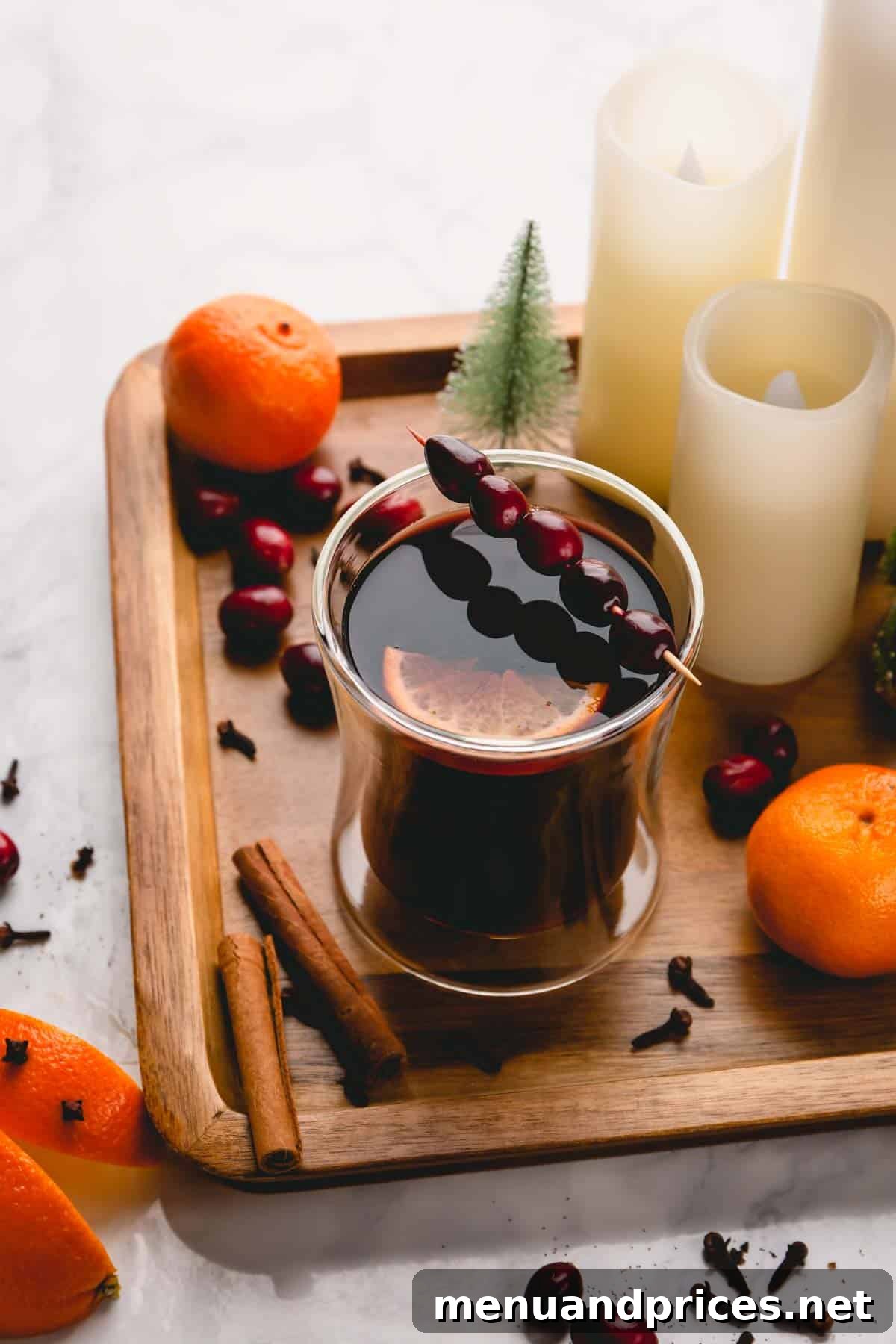
- Serve and Garnish: Once heated, you can either strain the mulled wine to remove the spices and fruit, or leave them in for continued infusion and visual appeal. Ladle the warm mulled wine into heatproof mugs or glasses. Garnish with fresh orange slices, a few extra cranberries, or a cinnamon stick for an extra festive touch. Serve immediately and enjoy the comforting warmth!
Critical Tip: Do Not Boil the Wine!
Once you’ve added the red wine to your spiced syrup, maintain a very gentle simmer. Bringing the mulled wine to a rolling boil will cause the alcohol to evaporate rapidly. While it won’t ruin the flavor completely, it will significantly reduce the alcohol content and alter the intended experience. Aim for a steaming, fragrant beverage, not a vigorously bubbling one. This ensures you retain both the warmth and the delightful kick of your holiday drink.
Clever Clove Technique: The Secret to Smooth Mulled Wine
One of the most common frustrations when making mulled wine is dealing with tiny cloves floating freely in the finished drink. Our method of studding oranges with whole cloves is a simple yet brilliant solution to this common problem!
By piercing the outer skin of orange quarters with cloves, you effectively “contain” the spices. This means:
- No Fishing Required: You won’t have to meticulously strain out minuscule cloves after the wine has simmered. Simply remove the orange quarters, and the cloves come right along with them.
- Even Aroma Release: The cloves are still perfectly positioned to release their warm, fragrant aroma and flavor into the wine, just as they would if free-floating, but without the hassle.
- Beautiful Presentation: The studded oranges also add to the visual appeal during the simmering process, contributing to the festive atmosphere in your kitchen.
This small adjustment makes a big difference in ensuring a smooth, delightful mulled wine experience from start to finish.

Choosing the Best Red Wine for Your Mulled Wine
The type of red wine you choose forms the foundation of your mulled wine, significantly impacting its final flavor profile. While it might be tempting to use a very cheap bottle, aiming for something you’d genuinely enjoy sipping on its own is always a good guideline, without needing to break the bank. The best wines for mulling generally share a few key characteristics:
- Dry: Opt for dry red wines. Sweet wines, when combined with the added sugar in the recipe, can make your mulled wine overly cloying and unbalanced.
- Full-Bodied: Full-bodied wines have enough structure and character to stand up to the robust flavors of the spices and citrus without being overwhelmed. Their inherent richness complements the warmth of the mulling spices beautifully.
- Fruity Notes: Wines with prominent fruit-forward characteristics (like berry or cherry) tend to marry exceptionally well with the orange and spice notes, creating a harmonious blend.
- Lower Tannins: While not strictly necessary, wines with moderate to lower tannins (the compounds that cause a drying sensation in your mouth) often result in a smoother mulled wine. High tannin wines can sometimes become a bit astringent when heated.
Excellent Varietal Choices:
- Merlot: A fantastic choice, known for its smooth texture, soft tannins, and notes of plum and cherry.
- Cabernet Sauvignon: A classic, offering robust dark fruit flavors and a good body that holds up well to mulling.
- Zinfandel: Often boasts jammy fruit flavors and a hint of spice, making it a natural fit for mulled wine.
- Syrah/Shiraz: Delivers bold dark fruit, peppery, and sometimes smoky notes that add depth.
- Grenache/Garnacha: Known for its bright red fruit and spice notes, it’s a wonderfully aromatic option.
- Pinot Noir: While generally lighter-bodied than others, a more robust Pinot Noir can work beautifully, offering elegant red berry and earthy undertones.
What to Avoid: Steer clear of very light-bodied wines (unless that’s your specific preference for a lighter mulled wine) or wines with heavy oak aging, as these characteristics can become amplified or muddled when heated with spices. Ultimately, choose an affordable bottle that you enjoy the taste of on its own; it will only get better with the addition of our festive spices!
Considering Non-Alcoholic Mulled Wine?
For those who prefer a non-alcoholic option, you can easily adapt this recipe! Simply substitute the red wine with an equal amount of good quality, dark grape juice (like Concord grape juice) or even a blend of cranberry and apple juice. All the other spices and citrus will still create an incredibly flavorful and festive hot drink for everyone to enjoy.
Perfect Pairings: What to Serve with Mulled Wine
Mulled wine, with its warm spices and fruity sweetness, is a versatile drink that pairs wonderfully with a variety of holiday dishes and appetizers. When planning your festive menu, consider foods that complement its rich flavors and cozy nature:
Appetizers & Snacks:
- Baked Brie with Honey and Nuts: The creamy richness of baked brie, especially when topped with sweet and savory elements, creates a luxurious contrast with the mulled wine’s spicy notes.
- Charcuterie Board: A selection of cured meats, hard cheeses (like aged cheddar or Gruyere), olives, and crusty bread offers a delightful array of textures and flavors that stand up well to spiced wine.
- Spiced Nuts: Roasted almonds, pecans, or walnuts seasoned with cinnamon, nutmeg, and a touch of sugar echo the wine’s own spice profile.
- Gingerbread Cookies or Shortbread: The classic holiday flavors of these cookies are a natural match for mulled wine, providing a sweet and comforting bite.
- Cranberry and Goat Cheese Crostini: The tartness of cranberries and the creamy tang of goat cheese on a crispy crostini make a light yet flavorful pairing.
Main Courses:
- Classic Prime Rib Roast: A grand holiday centerpiece, prime rib’s rich, savory flavors are beautifully complemented by the fruity and spicy undertones of red wine.
- Pork Schnitzel with Red Cabbage Slaw: A traditional pairing in Germany and Austria for Glühwein, the savory, crispy schnitzel and tangy red cabbage create a delightful balance.
- Bacon-Wrapped Filet Mignon: The tender, succulent beef wrapped in smoky bacon is a decadent choice that pairs exquisitely with the full-bodied spice of mulled wine.
- Roast Duck or Goose: The richness of poultry like duck or goose, often served with fruit-based sauces, finds a wonderful partner in the fruity and spiced notes of mulled wine.
Whether you’re hosting a grand feast or a casual get-together, mulled wine adds a touch of elegance and warmth to any holiday meal.
Make-Ahead Magic: Tips for Effortless Holiday Entertaining
Mulled wine is truly the quintessential holiday party drink, and its adaptability for make-ahead preparation makes it an absolute dream for hosts. You can easily double or even triple this recipe to serve a crowd, and with these smart tips, you’ll be able to enjoy your guests without fussing over a hot stove:
- Prepare the Spiced Orange Syrup in Advance: This is the key to stress-free entertaining. Follow steps 1-4 of the recipe (preparing the orange, combining all non-wine ingredients, and simmering to create the concentrated spiced syrup). Once the syrup is reduced and cooled, transfer it to an airtight container and store it in the refrigerator for up to 3 days. This foundational syrup will be bursting with all the concentrated spice and fruit flavors, ready to be activated.
- Reheat and Serve with Ease: When you’re ready to serve, simply pour the prepared spiced orange syrup into a large pot or slow cooker. Add the red wine and gently warm the mixture over low heat until it’s steaming and aromatic. Remember: do not boil!
- Utilize a Slow Cooker for Extended Warmth: For parties, a slow cooker is your best friend. After combining the syrup and wine and warming it through on the stovetop, transfer the mulled wine to a slow cooker set to its “warm” setting. This will keep your mulled wine perfectly hot and fragrant for hours, allowing guests to serve themselves whenever they please, freeing you up to enjoy the festivities. Just make sure to give it an occasional stir.
By leveraging these make-ahead techniques, you can ensure a steady supply of warm, festive mulled wine throughout your celebration, making your holiday entertaining both impressive and incredibly relaxed.
Frequently Asked Questions About Mulled Wine
Any dry, full-bodied red wine works perfectly. Excellent choices include Merlot, Cabernet Sauvignon, Zinfandel, Syrah, or Pinot Noir. The key is to pick something you enjoy sipping on its own, but there’s no need for an expensive bottle; an affordable yet pleasant dry red is ideal.
The classic spices for mulled wine are cinnamon (preferably sticks), whole cloves, and orange zest. Many recipes also include whole star anise. Beyond these, you can customize with freshly grated nutmeg, cardamom pods, or slices of fresh ginger for added complexity. Using whole spices is recommended to prevent a cloudy or gritty texture.
Absolutely! To make a delicious non-alcoholic version, simply substitute the red wine with an equal amount of good quality dark grape juice, cranberry juice, or even apple cider. All the other spices and citrus elements will create a wonderfully festive and warming alcohol-free drink.
Leftover mulled wine can be stored in an airtight container in the refrigerator for 2-3 days. When reheating, do so gently over low heat on the stove or in a microwave, again being careful not to boil it. The flavors may mellow slightly after storage, but it will still be delicious.
While technically possible, it’s strongly recommended to use whole spices. Ground spices will make your mulled wine cloudy and can leave a gritty residue. They also tend to release their flavors too quickly and can become bitter if over-extracted. Whole spices provide a clearer, more refined flavor and are much easier to strain out.
Homemade Mulled Wine: The Recipe

Mulled Wine
By Shinee Davaakhuu
Discover the perfect homemade mulled wine recipe crafted with 7 simple ingredients and essential make-ahead tips. Elevate your holiday season with this wonderfully warm and cozy winter drink.
Total Time: 30 mins
Servings: 4 servings
Ingredients
- 1 whole orange
- 8-10 whole cloves
- 1 cup (240ml) orange juice
- ½ cup (100g) granulated sugar
- ½ cup cranberries (fresh or frozen, optional)
- 1-2 cinnamon sticks
- 1 bottle (750ml) dry red wine (Note 1: Merlot, Cabernet Sauvignon, Zinfandel, Syrah, or Pinot Noir work well)
Instructions
- Cut the orange into quarters. Push 2-3 whole cloves into the outer skin of each orange quarter (as pictured in the article).
- In a large pot, combine the orange juice, sugar, cinnamon sticks, clove-studded orange quarters, and cranberries (if using).
- Turn the heat to medium-high and slowly heat the mixture, stirring occasionally until the sugar is completely dissolved.
- Once sugar is dissolved, bring the mixture to a gentle boil and cook until it has thickened slightly and reduced by almost half, about 15-20 minutes. This creates a concentrated spice syrup.
- Reduce the heat to low and pour in the dry red wine.
- Simmer gently until the wine is heated through. Crucially, do not boil the wine, or the alcohol will evaporate.
- You can strain the wine to remove the spices and fruit, or leave them in for aesthetic appeal. For longer warmth, transfer the mulled wine to a slow cooker on a “warm” setting. Garnish with fresh orange slices or cranberries and serve warm.
⭐️ Did you make this recipe? We’d love to hear from you! Please consider leaving a review and let us know how you liked it.
Tips & Notes
Note 1: Choosing Your Wine: Any dry, full-bodied red wine is perfect. Consider options like Merlot, Cabernet Sauvignon, Zinfandel, Syrah, or Pinot Noir. The best choice is a wine you’d enjoy drinking on its own, but no need to select an expensive bottle for mulling.
Make-Ahead Tip: To prepare in advance, follow steps 1-4 to make the spiced orange syrup. Store the cooled syrup in the fridge for up to 3 days. When ready to serve, combine the syrup with the red wine in a large pot and warm it gently. For entertaining, a slow cooker set to “warm” is ideal for keeping the mulled wine hot for extended periods.
Nutrition Information (per serving, approximate)
Calories: 305 kcal
Carbohydrates: 43 g
Protein: 1 g
Fat: 1 g
Sugar: 34 g
Sodium: 2 mg
Course: Drinks
Cuisine: American (Adaptable to European traditions)

Did you make this? We appreciate your feedback! Leave a rating and your comments. Thank you!