
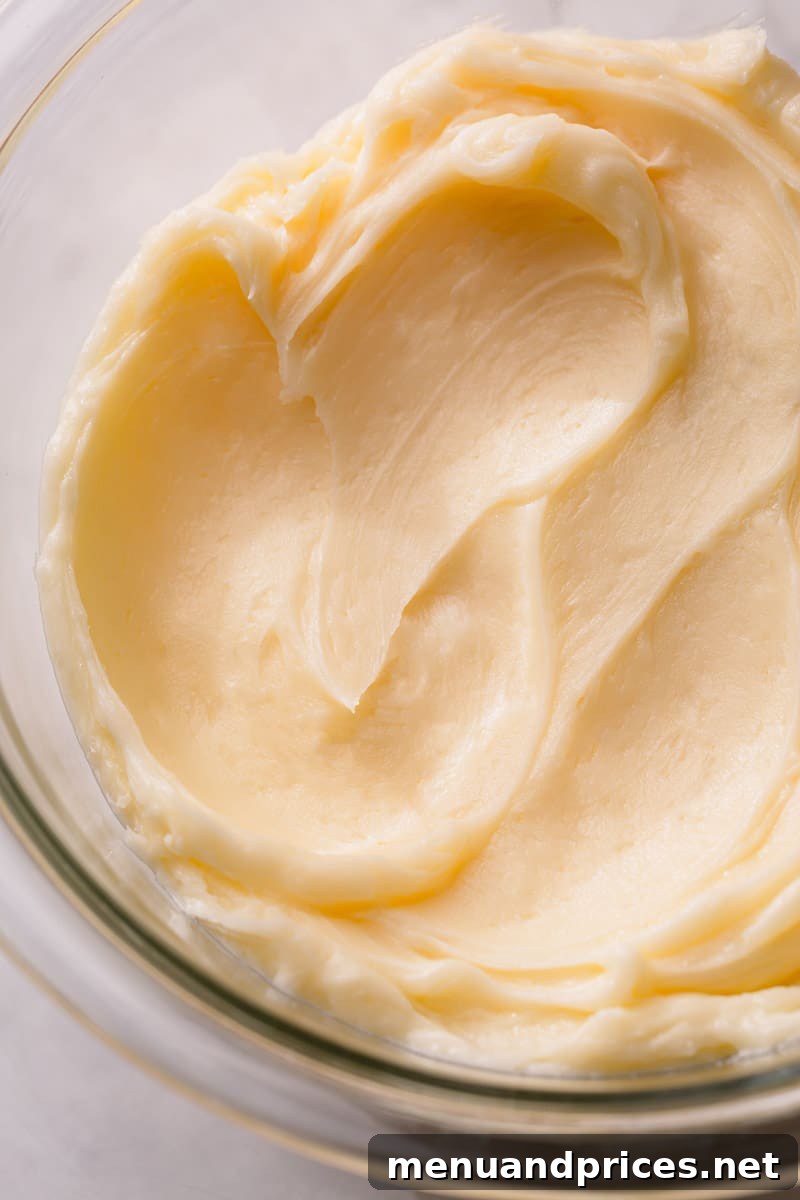
Say goodbye to overly sweet and greasy frostings! This ultimate American buttercream recipe delivers a truly delightful experience: light, airy, and incredibly fluffy, yet perfectly balanced in sweetness. It’s renowned as the simplest buttercream to master, making it ideal for both novice and experienced bakers, and it boasts a flawless, pipeable consistency perfect for all your decorating needs.
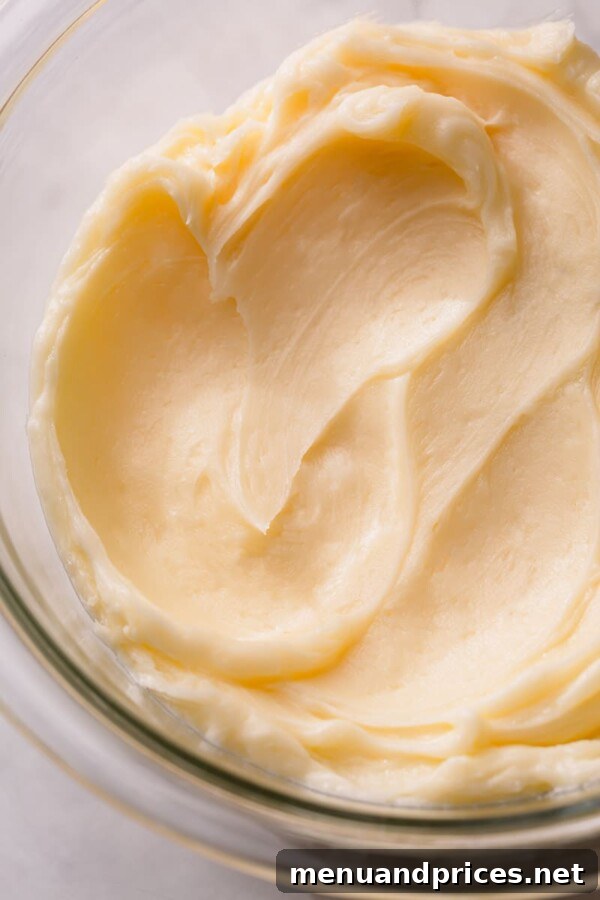
What is American Buttercream Frosting?
American buttercream, often referred to as ABC, is the most straightforward and widely recognized frosting in Western baking. At its core, it’s a simple concoction primarily made from softened butter (or sometimes a blend of butter and shortening) and powdered sugar. Unlike its meringue-based counterparts like Swiss, Italian, or French buttercreams, ABC doesn’t involve cooking eggs or creating a meringue base, which significantly streamlines the preparation process.
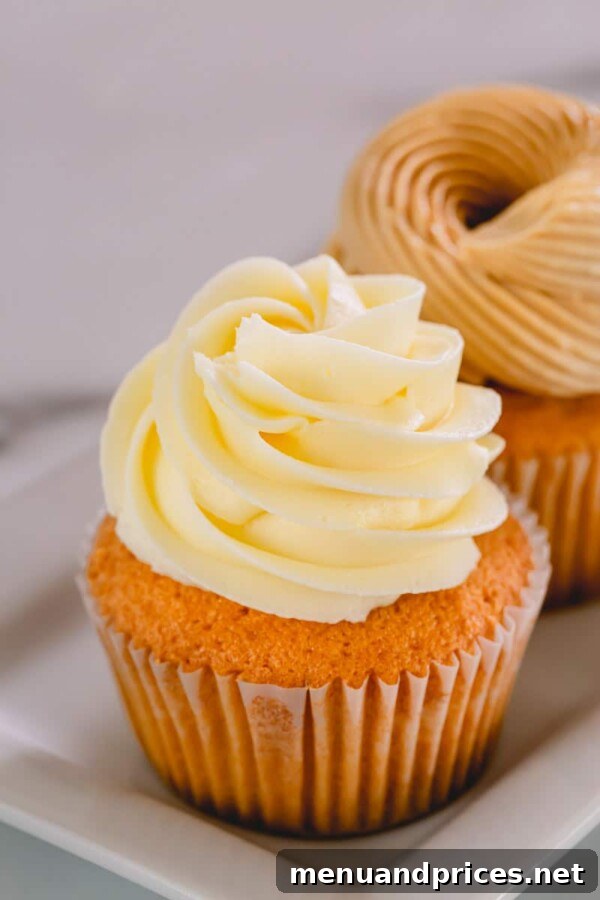
Traditionally, American buttercream has a reputation for being excessively sweet. However, this specific recipe cleverly reduces the sugar content and introduces a balancing element, transforming it into a wonderfully palatable and versatile frosting. Its ease of preparation and rich, creamy texture make it an absolute favorite for home bakers looking for a quick and delicious frosting solution. It’s perfect for piping intricate designs, spreading smoothly over cakes, or dolloping generously onto cupcakes.
Why You’ll Adore This American Buttercream Recipe:
This isn’t just another buttercream recipe; it’s a game-changer for anyone who’s been disappointed by dense, overly sweet, or greasy frostings in the past. Here’s why this particular American buttercream will quickly become your go-to:
- Unbelievably Light and Fluffy Texture: We achieve this by meticulously whipping the butter to incorporate maximum air, resulting in a cloud-like consistency that melts in your mouth without any heaviness.
- No Greasy, Heavy Feeling: Many American buttercreams can feel oily due to improper butter preparation or too much sugar. Our method ensures a smooth, non-greasy finish that’s a pleasure to eat.
- Perfectly Balanced Sweetness: Through a thoughtful reduction in powdered sugar and the strategic addition of salt, this recipe avoids the cloying sweetness often associated with ABC. The result is a delightful harmony of rich butter and subtle sweetness.
- Exceptional Pipeable Consistency: Whether you’re a beginner or a seasoned decorator, you’ll appreciate how easily this buttercream pipes. It holds its shape beautifully for intricate designs, yet remains smooth and spreadable.
- Quick and Effortless to Make: Forget complicated techniques or lengthy steps. This recipe comes together in minutes with minimal effort, allowing you more time to enjoy your baking creations. It’s the ultimate “set it and forget it” frosting (well, almost!).
Mastering Your Buttercream: 3 Essential Tips for Perfection:
Achieving bakery-quality buttercream at home is simpler than you think when you follow these fundamental principles:
- Room Temperature Butter is Non-Negotiable: This is arguably the most critical step. Butter that is too cold will result in a lumpy, unincorporated frosting, while butter that’s too warm (bordering on melted) can lead to a greasy, separated mess. “Room temperature” means the butter should be soft enough to indent easily with your finger, but still cool to the touch and hold its shape. Properly softened butter creams beautifully, trapping air and creating that desirable light and fluffy texture.
- Whip the Butter Thoroughly Before Adding Sugar: Patience here pays off immensely. Begin by beating your softened butter on medium-high speed for at least 2-3 minutes, or until it becomes noticeably lighter in color, pale, and significantly fluffier. This process incorporates vital air into the butter, which is the secret to a light, airy buttercream. Skipping this step or under-whipping the butter will result in a dense, heavy, and potentially greasy frosting that won’t hold its piped shape well. Don’t be shy with the mixer!
- Embrace Salt for a Well-Rounded Flavor: While it might seem counterintuitive to add salt to a sweet frosting, it’s a chef’s secret for a reason. A small amount of salt doesn’t make the buttercream salty; instead, it expertly balances and cuts through the sweetness of the powdered sugar. This enhances all the other flavors (especially vanilla) and prevents the frosting from tasting one-dimensional or cloyingly sweet. It truly elevates the entire profile of your buttercream.
Why Some Buttercream Recipes Include Cream or Milk?
Many traditional American buttercream recipes instruct you to add a splash of heavy cream, milk, or even water. The primary reason for this is to achieve a thinner, more spreadable consistency. These recipes often utilize a much higher ratio of powdered sugar to butter, which results in a very stiff, almost paste-like frosting. The added liquid helps to loosen it up and make it workable.
However, with our balanced recipe, which uses a more moderate amount of powdered sugar, the frosting naturally achieves a beautifully soft and pipeable texture without the need for additional liquids. This means fewer ingredients and less guesswork, while still delivering that perfect consistency you desire. If you ever find your buttercream too thick with this recipe (perhaps due to colder butter or environmental factors), you can add a tiny amount of milk or cream, a teaspoon at a time, until it reaches your desired consistency.
Salted vs. Unsalted Butter: A Baker’s Choice
When it comes to baking, especially with frostings, the debate between salted and unsalted butter is a common one. While some recipes might call for salted butter, I strongly advocate for using unsalted butter and then adding salt separately according to taste. Here’s why this approach gives you greater control and better results:
- Consistency in Salt Content: The amount of salt in different brands of salted butter can vary significantly. European butters, for instance, often contain more salt than American varieties. By using unsalted butter, you eliminate this variable and ensure a consistent flavor profile every time.
- Precision in Flavor Balance: Adding salt yourself allows you to precisely control the sodium level, fine-tuning it to perfectly balance the sweetness of the powdered sugar. This ensures your buttercream is never too salty or bland.
- Purer Butter Flavor: Many bakers find that unsalted butter has a purer, cleaner butter flavor. This allows the natural richness of the butter to shine through, complementing the other ingredients without any competing saltiness until you choose to add it.
For these reasons, starting with unsalted butter is the professional choice for achieving perfectly balanced and delicious buttercream.
Unleash Your Creativity: Can I Make Flavored American Buttercream?
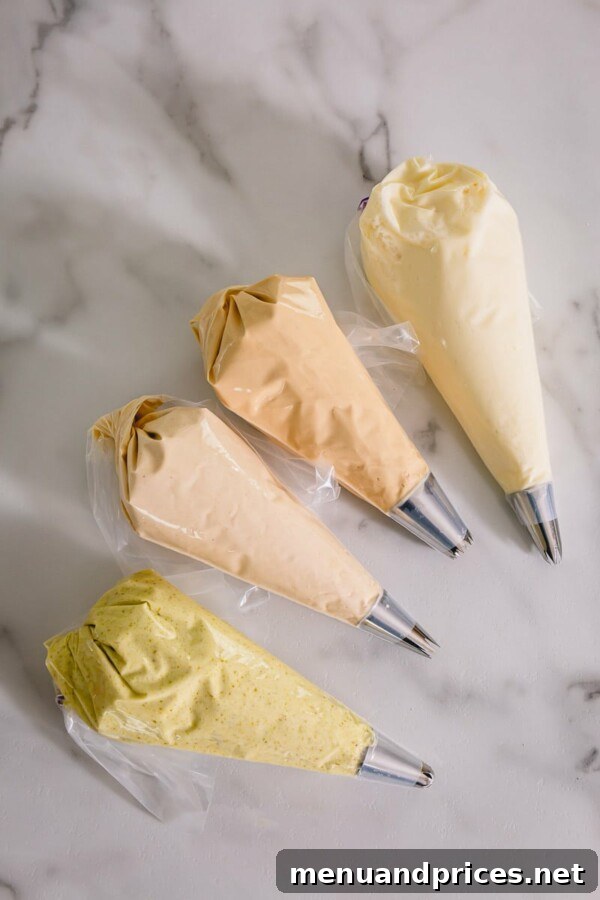
Absolutely! One of the most wonderful aspects of American buttercream is its incredible versatility when it comes to flavoring. While classic vanilla is always a good starting point, this frosting serves as a fantastic blank canvas for a myriad of delicious flavor combinations. In fact, many bakers, myself included, often opt for American buttercream precisely because of how easily it adapts to different flavors.
Imagine transforming a simple vanilla base into something extraordinary: a rich salted caramel buttercream, a decadent peanut butter buttercream, or a delicate pistachio buttercream. The possibilities are truly endless!
Ideas for Flavoring Your Buttercream:
- Extracts: Beyond vanilla, try almond, peppermint, lemon, orange, maple, or coconut extracts. Add them along with the vanilla extract.
- Citrus Zest: Finely grated lemon, orange, or lime zest adds a burst of fresh, vibrant flavor.
- Melted Chocolate: Incorporate cooled, melted chocolate (dark, milk, or white) for a rich chocolate buttercream.
- Cocoa Powder: Sifted cocoa powder (Dutch-processed or natural) can be added with the powdered sugar for a quick chocolate version.
- Coffee/Espresso: Dissolve instant espresso powder in a tiny bit of hot water (and cool) or add a small amount of strong, cooled brewed coffee for a mocha twist.
- Fruit Purees: For intense fruit flavor, reduce fresh fruit purees (like raspberry, strawberry, or mango) on the stovetop until thickened and cool completely before mixing in. Add sparingly to maintain frosting consistency.
- Spices: A pinch of cinnamon, nutmeg, ginger, or cardamom can add warmth and complexity.
When adding liquid flavorings, do so gradually to maintain your desired consistency. For powders, sift them with the powdered sugar to prevent lumps.
Can I Add Food Coloring to This Frosting Recipe?
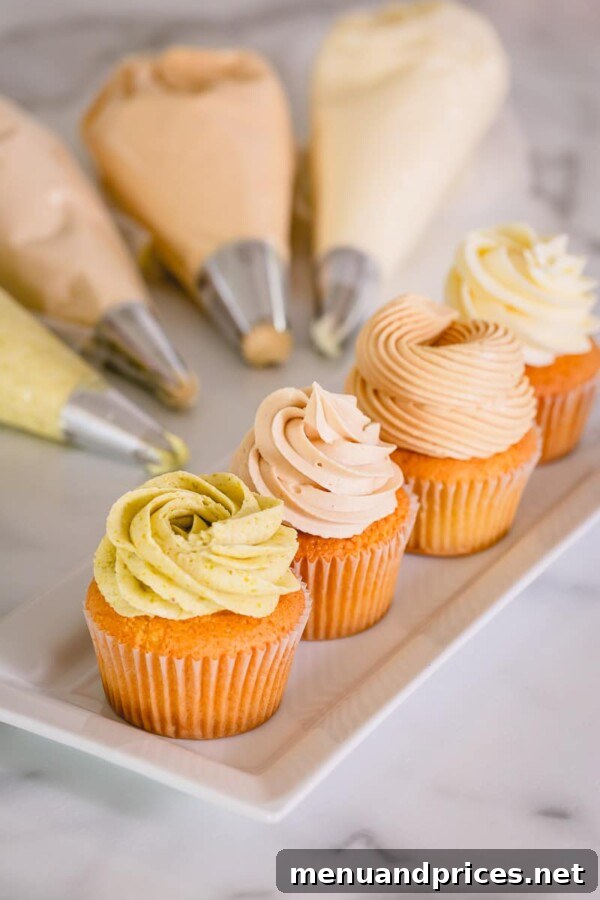
Absolutely, and it’s a fantastic way to customize your desserts for any occasion! This American buttercream recipe takes color beautifully. For the best results and the most vibrant hues, I highly recommend using gel food coloring over liquid food coloring.
- Gel Food Coloring: Gel colors are concentrated and produce bright, vivid shades without significantly altering the consistency of your buttercream. A small dab goes a long way! Add it gradually with a toothpick, mixing well after each addition until you achieve your desired color. Remember that colors can deepen slightly over time.
- Liquid Food Coloring: While liquid colors are more readily available, they are much less concentrated and contain more water. Using a large amount to achieve a vibrant color can thin out your buttercream, making it difficult to pipe or spread. Stick to gel for superior results.
Storage Solutions: How Long Can I Store Buttercream Frosting?
Proper storage is key to extending the life of your delicious American buttercream and ensuring it stays fresh for future use. Since this frosting is dairy-based, it’s important to handle it correctly.
- At Room Temperature: While buttercream can be left out at cool room temperature (below 70°F/21°C) for up to 12-24 hours, it’s generally best for short-term display on baked goods. For longer freshness, refrigeration is recommended.
- In the Refrigerator: For extended storage, transfer your American buttercream to an airtight container. It will keep beautifully in the refrigerator for up to 1 week. When you’re ready to use it, let it come to room temperature for about an hour, then re-whip it with a stand mixer or hand mixer until it’s light, fluffy, and smooth again. This reincorporates any separated butter and restores its perfect consistency.
Can I Freeze American Buttercream?
Yes, absolutely! Freezing is an excellent option for long-term storage, allowing you to prepare buttercream in advance or save leftovers. You can safely freeze this American buttercream for up to 3 months.
How to Freeze and Thaw Buttercream:
- Prepare for Freezing: Place the buttercream in an airtight container or a heavy-duty freezer bag. If using a bag, press out as much air as possible before sealing. This prevents freezer burn.
- Thaw Slowly: When you’re ready to use it, transfer the frozen frosting from the freezer to the refrigerator and let it thaw overnight. Avoid thawing at room temperature too quickly, as this can affect the texture.
- Restore Consistency: Once thawed and brought to room temperature, the buttercream will likely appear separated or a bit dense. This is completely normal. Simply whip it again in your stand mixer (using the paddle attachment) or with a hand mixer on medium speed for a few minutes until it regains its smooth, fluffy, and pipeable consistency. If it’s too stiff, you can add a tiny splash of milk or cream while whipping.
Troubleshooting Common American Buttercream Issues
Even with the best recipes, sometimes things don’t go exactly as planned. Here are some quick fixes for common buttercream problems:
- Buttercream is Too Thin/Runny: This usually happens if the butter was too warm, or if too much liquid was added. To fix it, try adding more sifted powdered sugar, a tablespoon at a time, mixing well after each addition until it thickens. Alternatively, if your kitchen is very warm, try refrigerating the buttercream for 10-15 minutes, then re-whip.
- Buttercream is Too Thick/Stiff: This can be due to too much powdered sugar or butter that’s too cold. Gradually add a teaspoon of milk, cream, or even water at a time, mixing until it reaches your desired consistency. If the butter was too cold, continue whipping; the friction from the mixer can help warm it slightly.
- Buttercream Looks Curdled or Separated: This often means your butter was too cold or too warm. Don’t despair! Continue beating it on medium-high speed. The friction of the mixer will either warm up cold butter or cool down slightly warm butter, eventually bringing it back together. If it’s very cold, you can try placing the bowl over a pot of simmering water for 10-20 seconds (creating a double boiler effect), scraping the sides, then returning to the mixer to whip again.
- Buttercream is Gritty: This is almost always caused by unsifted powdered sugar. Always sift your powdered sugar! If it’s already gritty, you can try whipping it for an extended period (5-10 minutes) to help dissolve the sugar granules, or refrigerate it briefly and re-whip.
- Buttercream Tastes Greasy: This can occur if the butter was too warm and essentially “melted” into the sugar, or if the butter wasn’t whipped enough initially to incorporate air. Ensure your butter is at the correct room temperature and whip it thoroughly at the beginning of the recipe. If it’s already greasy, try refrigerating it for 15-20 minutes, then re-whip on medium-high speed.
Wonderful Ways to Use Your American Buttercream
Beyond being incredibly easy and delicious, this versatile American buttercream can elevate a wide array of desserts:
- Cupcakes: The classic choice! Pipe beautiful swirls, rosettes, or simple dollops.
- Cakes: Frost layers, crumb coat, and decorate sheet cakes or round cakes.
- Cookie Sandwiches: Fill whoopie pies, oatmeal cream pies, or even sandwich between two sugar cookies.
- Macarons: A popular and stable filling for delicate French macarons.
- Brownies & Bars: Spread a generous layer over cooled brownies or blondies for an extra treat.
- Dessert Fillings: Use as a filling for choux pastry, cream puffs, or even crepes.
Essential Equipment for Perfect Buttercream
While this recipe is simple, having the right tools can make the process even smoother:
- Stand Mixer with Paddle Attachment: This is highly recommended for its power and ability to whip butter efficiently, incorporating plenty of air.
- Hand Mixer: A good alternative if you don’t have a stand mixer, though it might take a little longer to achieve the same fluffiness.
- Rubber Spatula: Essential for scraping down the sides of the bowl to ensure all ingredients are well combined.
- Measuring Cups & Spoons: For accurate ingredient quantities.
- Fine-Mesh Sieve: Crucial for sifting powdered sugar to prevent lumps and ensure a smooth buttercream.
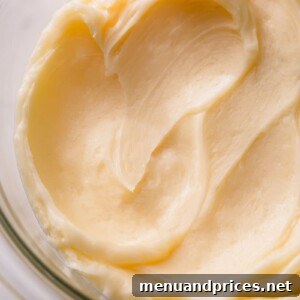
Easy & Fluffy American Buttercream Frosting
Shinee Davaakhuu
10 minutes
2
cups
Saved Recipe
Pin Recipe
Comment
Print Recipe
Ingredients
-
2 sticks
(226g) unsalted butter
at room temperature -
2 cups
(250g) powdered sugar
sifted -
2 teaspoons
pure vanilla extract -
1/4 teaspoon
coarse kosher salt
Instructions
-
In a large mixing bowl fitted with a paddle attachment (or using a hand mixer), whip the room temperature butter on medium-high speed for approximately 2 minutes, or until it turns significantly pale in color and becomes light and fluffy. Stop to scrape down the sides and bottom of the bowl with a silicone spatula halfway through to ensure even whipping.
PRO TIP: This initial whipping step is crucial. Thoroughly incorporating air into the butter before adding other ingredients is the secret to achieving a truly light and fluffy frosting. If the butter isn’t sufficiently whipped, your buttercream will be heavy, dense, and potentially greasy, struggling to hold its shape for piping.
-
Gradually add half of the sifted powdered sugar to the whipped butter. Begin mixing on low speed until the sugar is fully incorporated into the butter and no dry spots remain. This prevents a cloud of powdered sugar from coating your kitchen!
-
Now, add the remaining powdered sugar, pure vanilla extract, and salt to the bowl. Start mixing on low speed again until the ingredients are just combined. Then, gradually increase the speed to medium-high and continue beating for about 2 more minutes. Keep whipping until the frosting is wonderfully nice, smooth, and incredibly fluffy. Scrape down the bowl as needed to ensure everything is perfectly combined.
⭐️ Did you master this recipe?
Please leave a review and let us know how much you loved it!
Video Tutorial
Tips & Notes for Success
Make-Ahead & Storage Tip: This buttercream is fantastic for preparing in advance. Store any leftover frosting in an airtight container in the refrigerator for up to 1 week. For longer storage, you can freeze it for up to 3 months. To use frozen frosting, simply thaw it in the fridge overnight, then bring it to room temperature. Re-whip it in your mixer until it returns to its smooth, light, and fluffy consistency before piping or spreading.
Nutritional Information
2
tablespoons
143
kcal
13
g
1
g
10
g
13
g
34
mg
Dessert
American
Did you make this?
Leave a rating and your feedback. Thank you!
This comprehensive guide and recipe for American buttercream was last updated on to provide the most accurate and helpful information, building upon its original publication on March 17, 2013.