
How to Dry Oily Almond Flour for Perfect Macarons & Extended Freshness
The journey to baking exquisite French macarons often feels like navigating a delicate culinary maze. One of the most common hurdles bakers encounter on this path is dealing with oily almond flour, a hidden culprit behind many frustrating macaron failures. From blotchy surfaces to unsightly wrinkles and fragile shells, suboptimal almond flour can undermine even the most meticulously prepared meringue. This comprehensive tutorial is your definitive guide to understanding, identifying, and effectively drying oily almond flour, ensuring your macaron shells emerge smooth, sturdy, and picture-perfect every time. Beyond macarons, learning this technique can elevate the quality of all your almond flour-based baked goods, guaranteeing consistent, professional-level results.
Understanding Almond Flour: The Cornerstone of Delicate Baking
Almond flour is a beloved and versatile ingredient, particularly renowned in gluten-free baking and for its central role in creating delicate pastries. It is produced by blanching almonds to remove their skins, followed by finely grinding the blanched nuts into a powder-like consistency. This process yields a flour that is notably lighter in color and possesses a much smoother texture than its unblanched counterpart, making it indispensable for recipes requiring a refined finish.
Beyond its gluten-free credentials, almond flour imparts a rich, subtly nutty flavor and contributes to a moist, tender crumb in baked goods. It’s also packed with nutritional benefits, including healthy monounsaturated fats, protein, and dietary fiber, appealing to both gourmet bakers and health-conscious consumers. However, it’s precisely these beneficial fats that can pose a challenge; almond flour’s inherent oiliness can fluctuate, directly impacting the outcome of sensitive recipes like French macarons, where precise moisture and fat balance are non-negotiable.
The Critical Impact of Almond Flour Quality on Macaron Perfection
The success of your macarons hinges significantly on the quality and condition of your almond flour. For many aspiring macaron artists, encountering issues like soft, fragile shells with thin, wrinkly tops is a common frustration, often attributed to the flour itself. Oily almond flour is a prime suspect in these instances, disrupting the delicate chemical and physical processes essential for forming perfect macaron shells.
Excessive oil in the almond flour can directly compromise the stability of the meringue – the foundational aerated egg white mixture that gives macarons their signature lift and texture. The oil can break down the fragile protein structures in the meringue, leading to a weak batter that struggles to form the characteristic “feet” (the ruffled base) during baking. This instability often results in hollow, cracked, or unevenly textured shells that may appear blotchy or develop an undesirable wrinkly surface. To avoid these prevalent issues and set yourself up for macaron success, the first step is to ensure your almond flour is light, fluffy, and free from any excess oiliness.
How to Confidently Test Your Almond Flour for Oiliness
Before committing to your macaron recipe, perform this simple yet highly effective test to gauge the oil content of your almond flour. This quick assessment can prevent disappointment and save valuable ingredients:
- Gather a small amount: Take approximately a tablespoon or a small handful of almond flour into the palm of your hand.
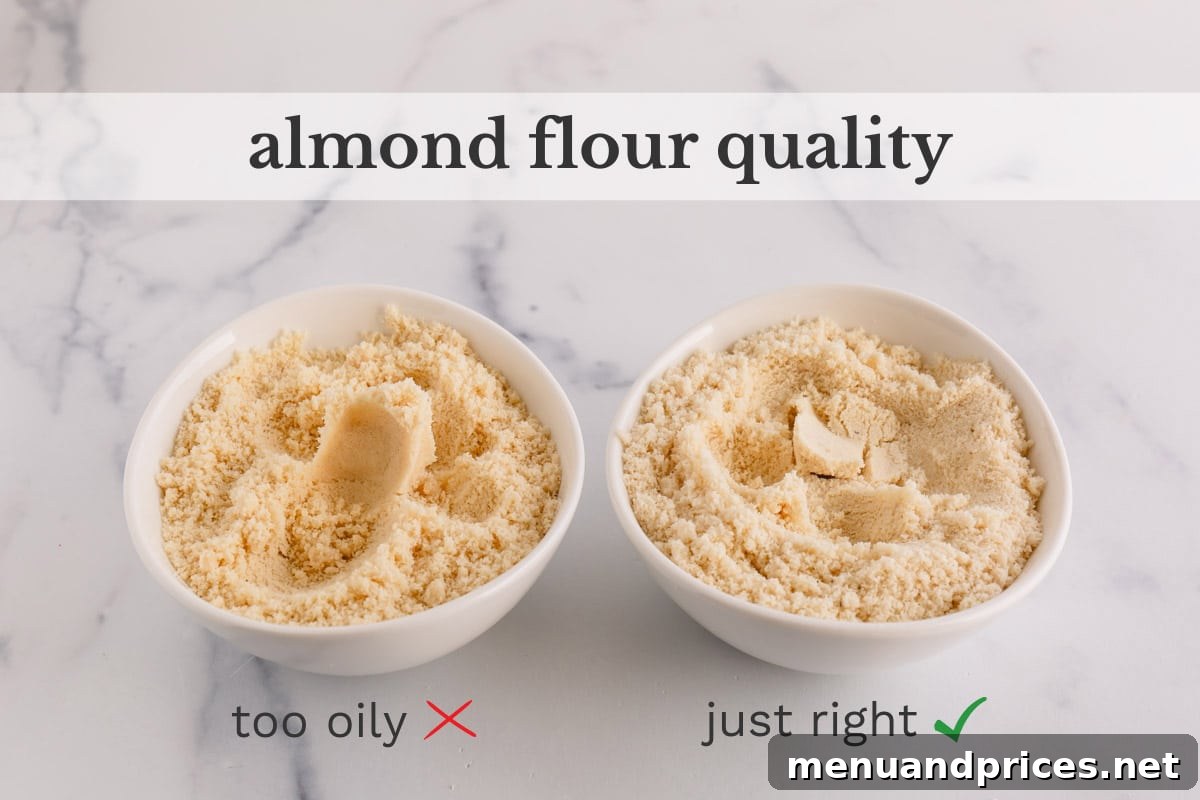
- Perform the squeeze: Gently, but firmly, squeeze the flour between your fingers for a few seconds.
- Observe the result: If the almond flour compresses and holds its shape in a firm, dense ball, it indicates an undesirable level of oiliness. This flour will likely produce less-than-ideal macarons. Ideally, the flour should remain relatively loose and crumbly, even after a gentle squeeze, signifying a balanced moisture and fat content optimal for delicate baking.
Recognizing Other Key Indicators of Old or Oily Almond Flour
Beyond the simple squeeze test, several other sensory cues can help you identify almond flour that is past its prime or carries excess oil. Being vigilant about these signs is crucial for consistent baking results:
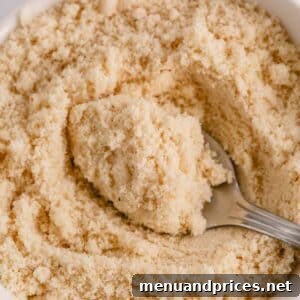
- Texture and Consistency: Fresh almond flour should feel like fine, dry sand. If it feels heavy, damp, or exhibits the consistency of wet sand, it’s a strong indicator of either excessive oil content or absorbed moisture.
- Visible Clumps: The presence of numerous or large clumps within the flour suggests either high oil content, moisture absorption, or improper storage. These clumps can lead to an unevenly mixed batter and textural inconsistencies in your final product.
- Color Variation: While fresh almond flour has a delicate, light beige hue, flour that has begun to oxidize will often develop a noticeable yellow tint. This color change is a clear sign that the fats within the almonds are degrading.
- Unusual Odors: Your sense of smell is a powerful tool. Fresh almond flour possesses a sweet, pleasant, and distinctly nutty aroma. If you detect any bitter, sour, musty, or otherwise unpleasant smell, the flour has likely gone rancid and should be discarded immediately. Also, always inspect for any visible signs of mold, which would necessitate immediate disposal.
Conversely, the hallmark characteristics of **fresh, high-quality almond flour** are:
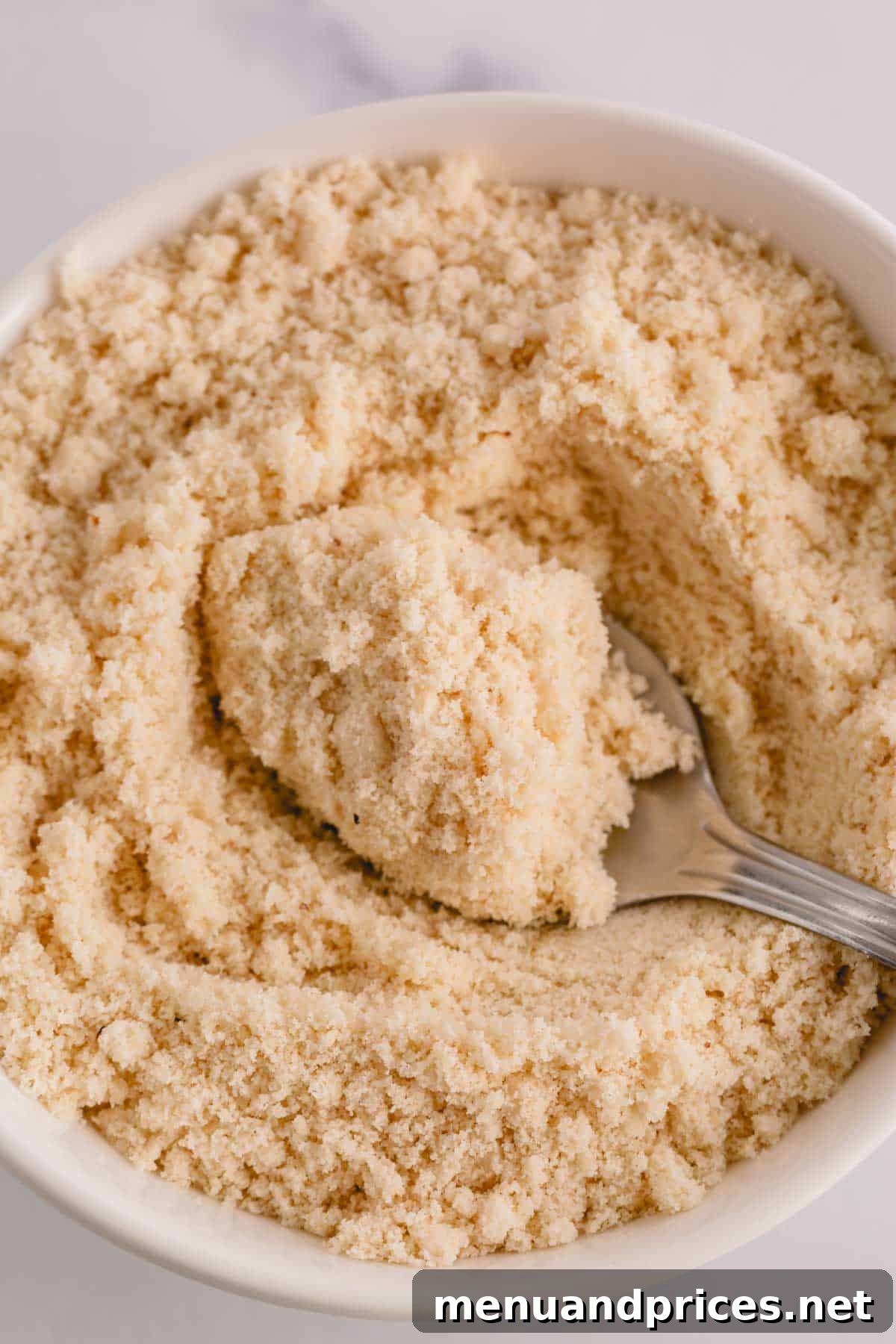
- A remarkably fluffy and light texture that sifts effortlessly through your fingers.
- A consistent, attractive light beige color, indicating minimal oxidation.
- It will resist clumping into a compact ball when subjected to a light squeeze, maintaining its desired powdery, free-flowing state.
Mastering the Drying Process: A Step-by-Step Guide to Drying Oily Almond Flour
If your almond flour fails the squeeze test or exhibits other signs of oiliness, there’s no need to replace it. This straightforward and effective drying technique will restore its ideal consistency, paving the way for flawless macarons and superior baked goods. Follow these steps carefully for optimal results:
- Preheat Your Oven to a Gentle Temperature: Begin by setting your oven to 300°F (150°C). The aim is to apply gentle, consistent heat that encourages the excess oil to release and be absorbed, without toasting the almond flour, which would alter its flavor and color.
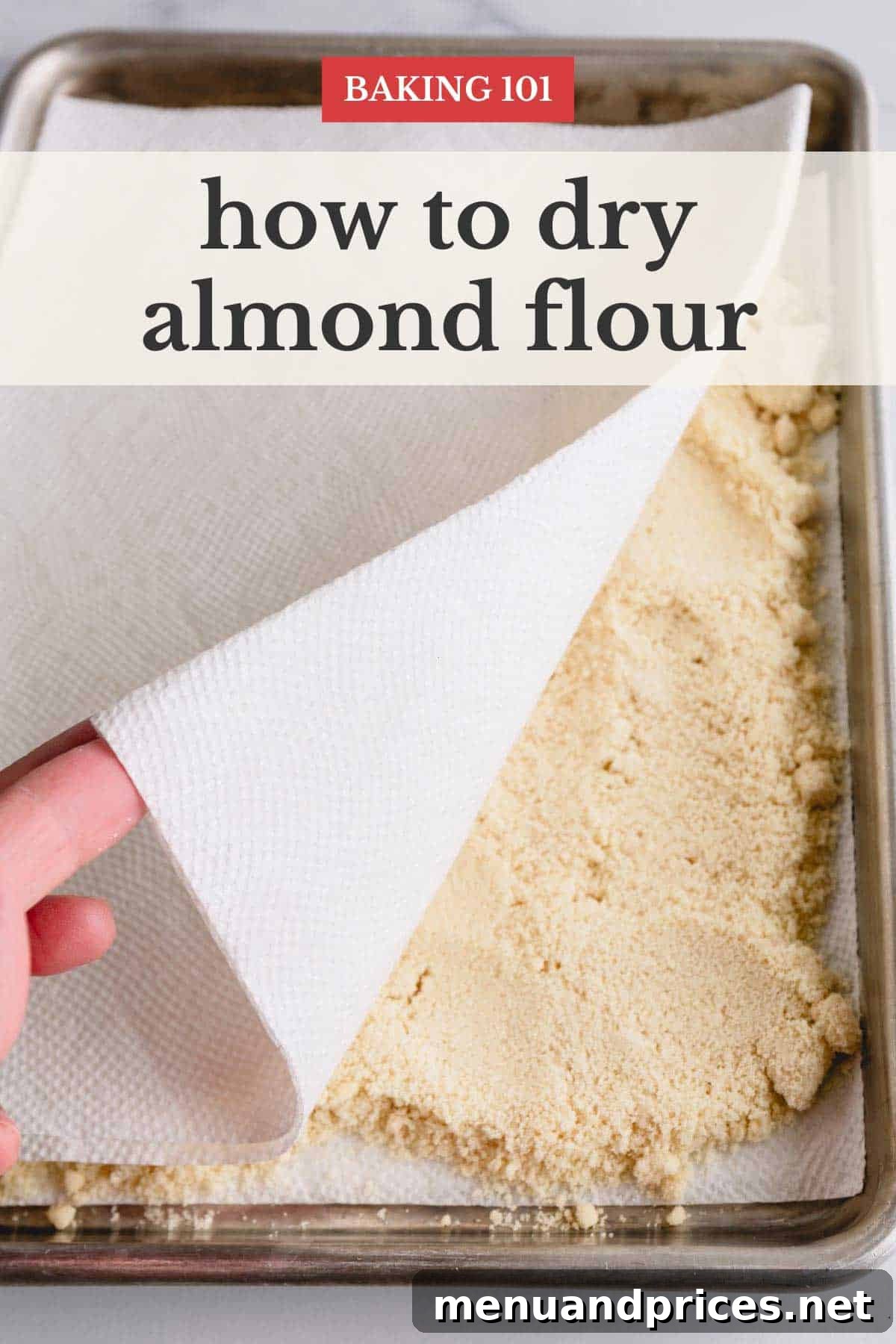
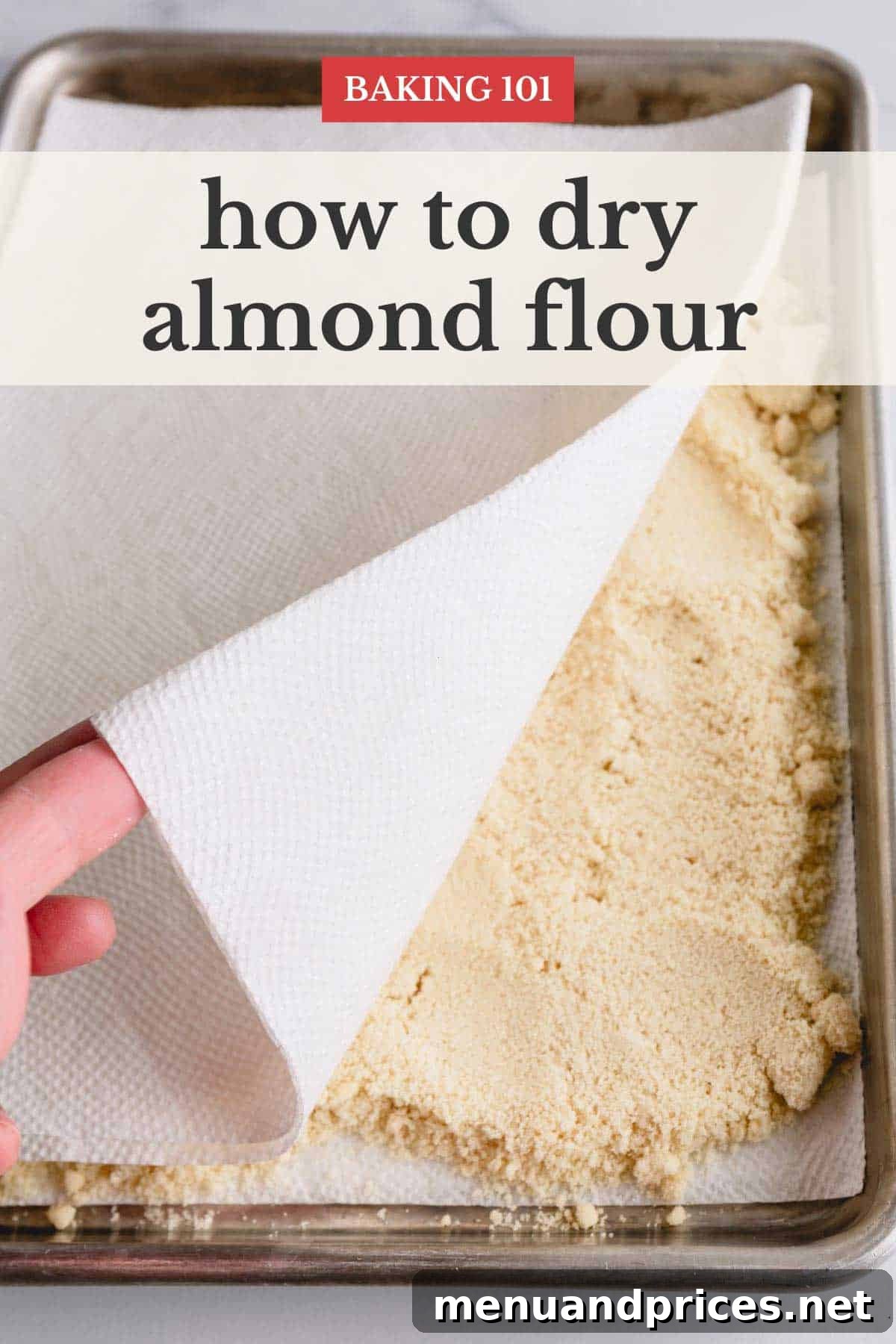
- Prepare Your Baking Sheet with Absorbent Layers: Line a standard-sized baking sheet with at least two, preferably three, layers of plain paper towel. The multiple layers are crucial for creating a sufficiently absorbent barrier that can wick away a significant amount of oil.
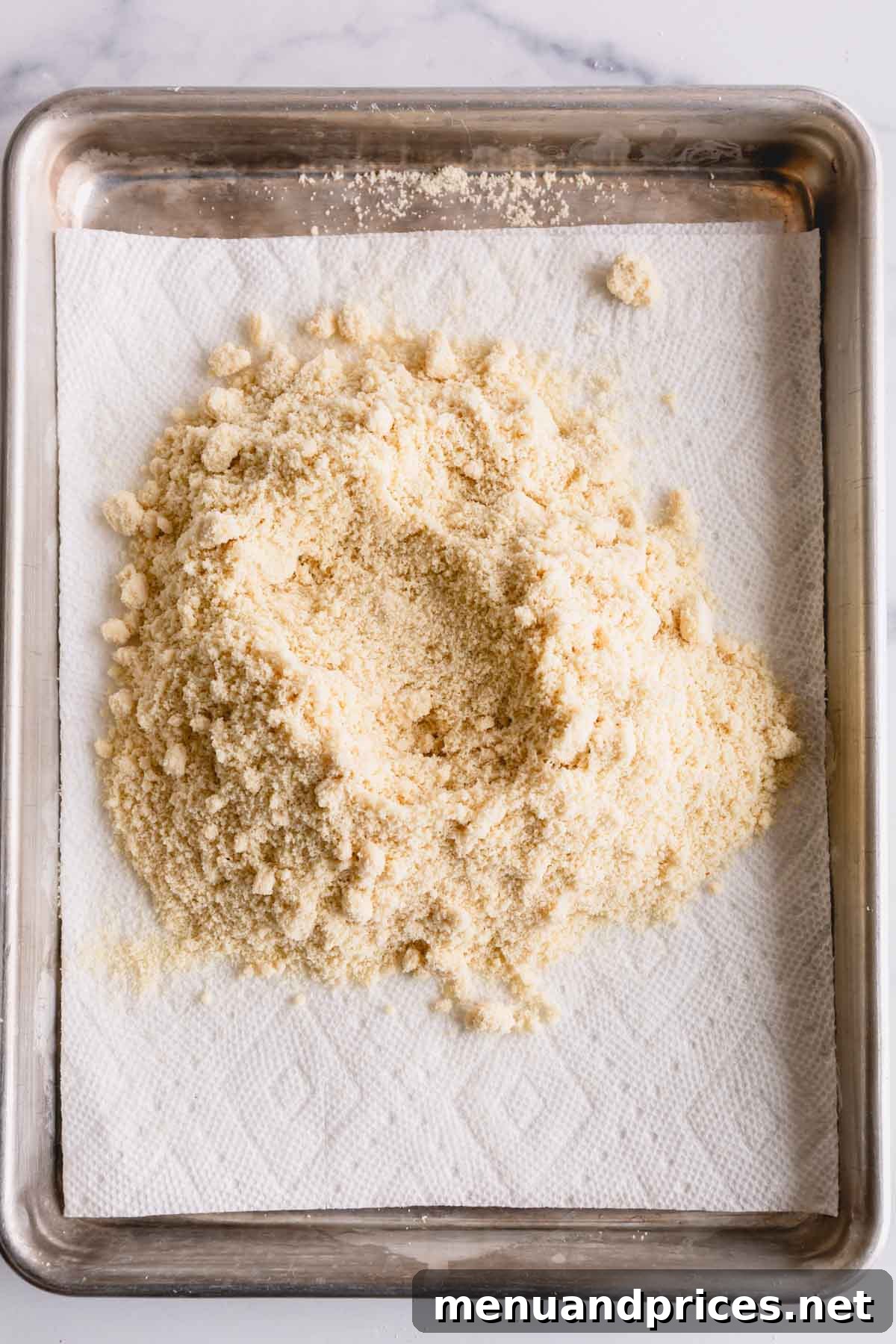
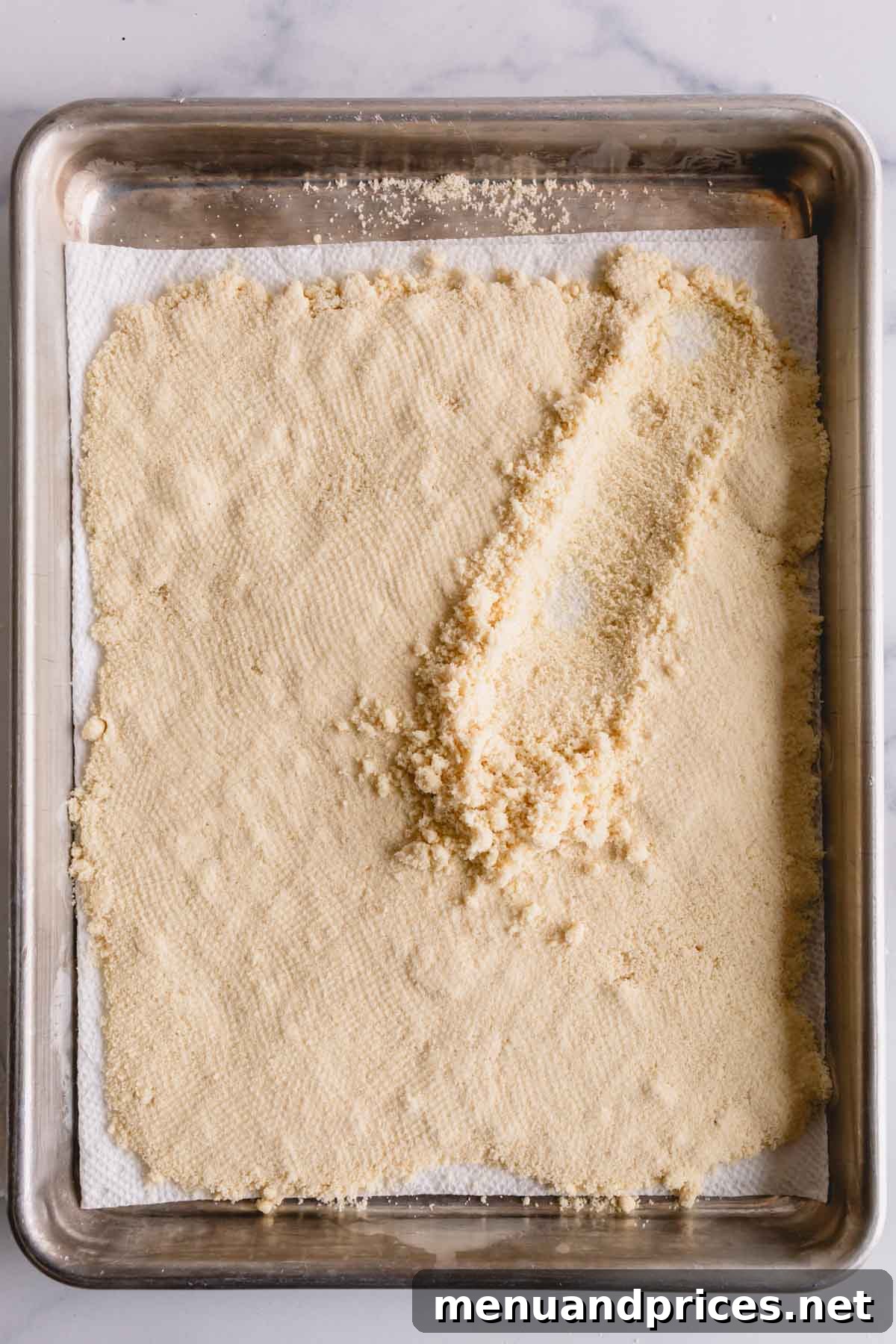
- Spread the Almond Flour Evenly: Carefully pour and spread your oily almond flour directly onto the prepared paper towel layers. Use a spatula or your hands to ensure it forms a thin, uniform layer across the entire surface of the baking sheet. An even spread is vital for consistent drying and oil absorption.
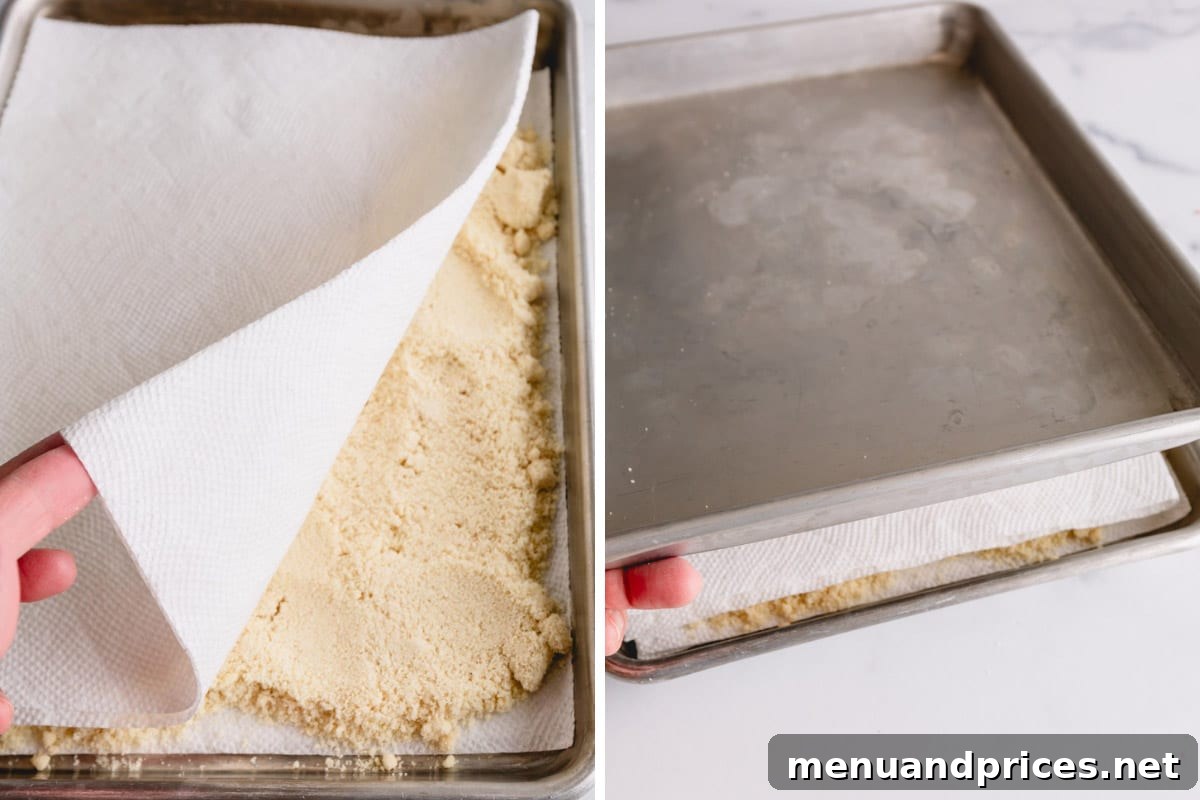
- Create a “Flour Sandwich” with More Paper Towels and a Second Baking Sheet: Place another two to three layers of paper towel directly on top of the almond flour, covering it completely. Then, gently position a second, empty baking sheet directly on top of these paper towels. This ingenious “sandwich” effect applies a slight, even pressure to the flour, which significantly aids in expelling the excess oil, facilitating its absorption by the paper towels.
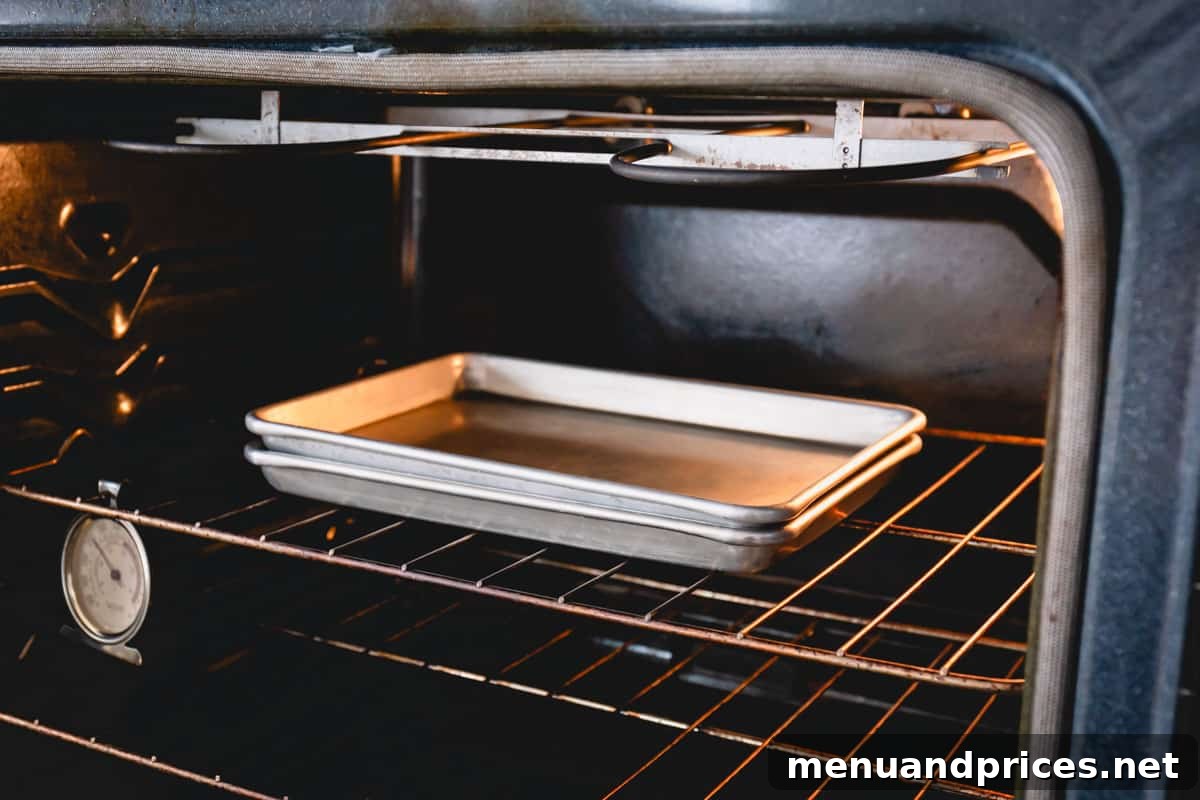
- Bake for Optimal Oil Release: Carefully place the stacked baking sheets into your preheated oven. Bake for approximately 20-25 minutes. During this time, the gentle heat will warm the almond flour, encouraging its natural oils to release and migrate into the surrounding paper towels. It’s crucial to avoid higher temperatures or longer baking times to prevent the flour from toasting or cooking.
- Cool Completely with Pressure: Once the baking time is complete, remove the stacked baking sheets from the oven. Crucially, allow the almond flour to cool completely with both the paper towels and the top baking sheet still in place. This cooling phase, lasting at least 30 minutes (or longer, until fully cool), is vital for continued oil absorption as the flour cools and contracts.
Pro Tip: Maximize Oil Absorption During Cooling
To further enhance the oil-absorbing power during the cooling process, consider placing something heavy on top of the upper baking sheet. Items like a stack of cookbooks, a cast-iron pan, or another heavy baking tray will exert additional, gentle pressure. This increased weight helps to press even more excess oil out of the almond flour and into the absorbent paper towels, yielding an even drier and fluffier result.
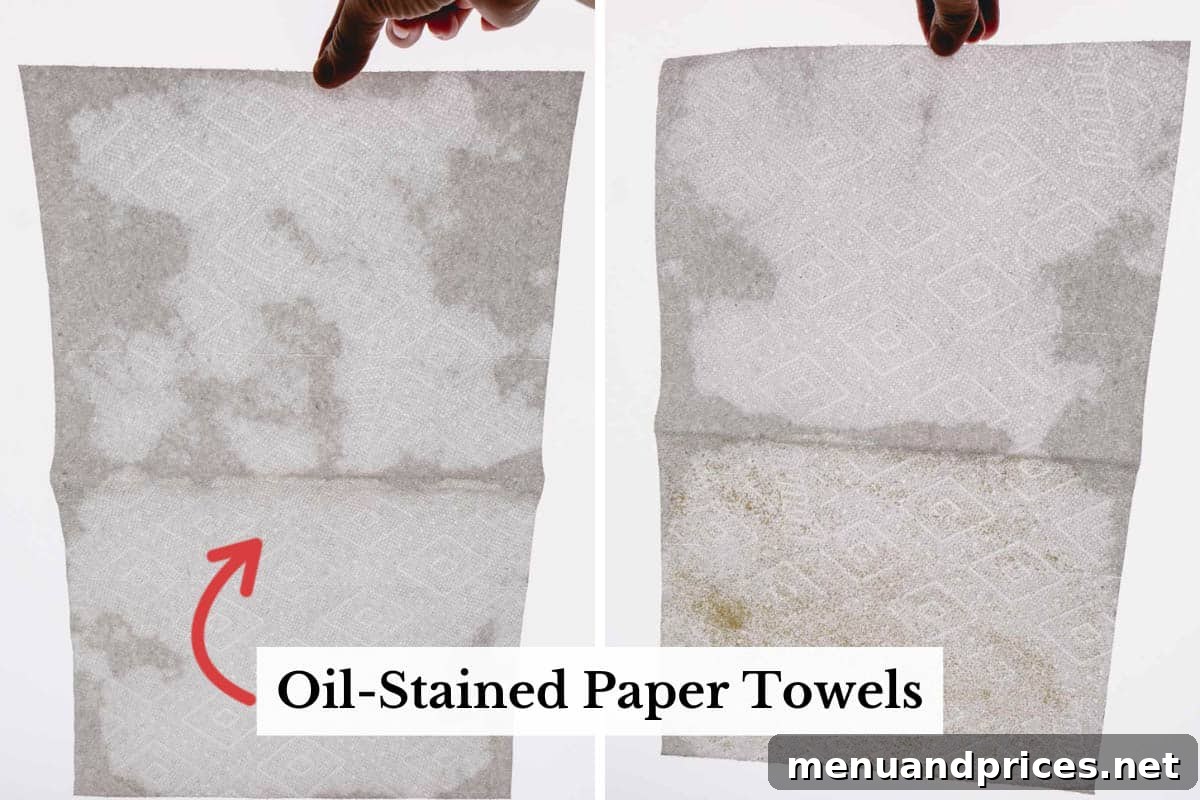
- Reveal Your Transformed Almond Flour: Once the entire assembly has cooled completely to room temperature, carefully remove the top baking sheet and gently peel away the layers of paper towel. You will immediately notice a significant improvement in the flour’s texture and appearance; it will be visibly lighter, much fluffier, and distinctly less oily. The paper towels underneath will bear tell-tale grease stains, proving the effectiveness of this simple yet powerful method.
The Unmistakable Proof: Grease Stains on Paper Towels
Prepare to be genuinely surprised by the amount of oil absorbed by the paper towels. Even with almond flour you might not have considered “that oily,” the evidence will be clear: distinct grease stains will mark the paper towels, especially the layers directly beneath the flour. This visual confirmation is a powerful testament to the efficacy of this drying method and underscores why this seemingly small step is monumental for achieving macaron perfection and improving overall baking results.
Optimal Storage for Almond Flour: Maximizing Freshness and Extending Shelf Life
Proper storage is paramount for maintaining the freshness and extending the shelf life of almond flour. Due to its naturally high fat content, almond flour is more susceptible to spoilage and rancidity compared to all-purpose wheat flour. Exposure to air, heat, and light accelerates the oxidation of these fats, leading to undesirable flavors and compromising its quality. Adhering to these storage guidelines will ensure your almond flour remains fresh, flavorful, and perfectly textured for all your culinary needs.
For Short-Term Storage (Up to a Few Weeks):
- Airtight Container: Always transfer almond flour from its original packaging into a truly airtight container. This minimizes contact with oxygen, which is the primary catalyst for oxidation and subsequent rancidity.
- Cool, Dark Place: Store the sealed container in a cool, dark environment, such as a pantry, cupboard, or kitchen cabinet. It’s crucial to keep it away from direct sunlight, the stovetop, oven, or any other sources of heat. Heat significantly speeds up the breakdown of fats, leading to off-flavors.
- Avoid Humidity: Steer clear of areas prone to fluctuating temperatures or high humidity, as moisture can negatively affect the flour’s texture, leading to clumping, and can also encourage mold growth.
For Long-Term Storage (Several Months to a Year):
- Refrigeration: For a significantly extended shelf life, storing almond flour in the refrigerator is highly recommended. The consistently cooler temperatures within the fridge dramatically slow down the enzymatic and oxidative reactions that cause fats to go rancid. Stored in an airtight container, refrigerated almond flour can maintain its freshness for several months. Ensure the container is well-sealed to prevent the flour from absorbing odors from other foods.
- Freezing: The freezer offers the absolute best option for maximizing almond flour’s shelf life. When stored in an airtight, moisture-proof container or heavy-duty freezer bag, almond flour can remain perfectly fresh for up to a year, or even longer. Freezing halts most chemical reactions that lead to spoilage.
- Using Directly from the Freezer: A fantastic practical benefit of freezing almond flour is that, in most cases, there’s no need to thaw it before use. Due to its relatively low moisture and high fat content, almond flour does not freeze into a solid block. It remains loose and easily measurable directly from the freezer, offering unparalleled convenience for spontaneous baking sessions.
By diligently following these storage recommendations, you can safeguard your investment in quality almond flour, ensuring you always have a fresh, flavorful, and perfectly textured ingredient at your fingertips, ready to contribute to delicious and successful culinary creations.
Beyond Macarons: Other Delicious Recipes Featuring Almond Flour
While often spotlighted for its role in macarons, almond flour is incredibly versatile and can elevate a wide array of baked goods. Its unique fine texture, rich flavor, and ability to create a tender crumb make it a fantastic ingredient for many recipes, often adding a gourmet touch and naturally catering to gluten-sensitive diets. Here are some other delectable recipes where almond flour truly shines:
- Almond Brownies: Incorporating almond flour into brownies yields an exceptionally chewy texture and a deeper, more complex nutty flavor.
- Almond Spritz Cookies: These delicate, melt-in-your-mouth butter cookies are beautifully enhanced by almond flour, giving them a refined texture perfect for festive occasions.
- Almond Yogurt Cake: Almond flour contributes to an incredibly moist and tender cake with a delightful almond aroma, often lighter and more nuanced than cakes made solely with wheat flour.
- Easy Almond Cookies: For those who cherish the pure, unadulterated taste of almonds, these simple cookies are a testament to the flour’s inherent deliciousness and tender-crisp results.
- Brownie Cookies From Scratch: Combining the fudgy richness of a brownie with the convenient form of a cookie, almond flour can enhance the depth of flavor and texture in these delightful treats.
- Classic Linzer Cookies: These elegant, jam-filled sandwich cookies traditionally rely on ground almonds for their signature tender, slightly crumbly texture and rich, festive flavor.
Experimenting with almond flour in these and other recipes will undoubtedly open up a world of enhanced flavors and textures in your home kitchen, proving its worth far beyond the macaron shell.
How to Dry Oily Almond Flour
Author: Shinee Davaakhuu
This easy tutorial on how to dry oily almond flour will help you to prevent blotchy, wrinkly macaron shells and achieve consistently perfect results in your baking.
Prep Time: 5 minutes
Cook Time: 25 minutes
Total Time: 30 minutes
Ingredients
- Oily almond flour (quantity as needed for your specific recipe)
Equipment
- 2 baking sheets
- Paper towels (multiple layers, about 4-6 sheets per baking sheet)
Instructions
- Preheat your oven to 300°F (150°C).
- Line one baking sheet with at least 2-3 layers of paper towel.
- Evenly spread your oily almond flour in a thin layer directly over the paper towels.
- Place another 2-3 layers of paper towel directly on top of the almond flour.
- Place the second baking sheet on top of the paper towels, creating a gentle sandwich.
- Bake in the preheated oven for 20-25 minutes.
- Remove from the oven and allow the almond flour to cool completely (at least 30 minutes) with the paper towels and top baking sheet still in place. For extra oil absorption, you can place something heavy on the top baking sheet while it cools.
- Once fully cooled, remove the top baking sheet and carefully peel away the paper towel layers. Your almond flour is now dried, lighter, and ready to be used in your recipes!
⭐️ Did you make this recipe?
Please leave a review and let us know how you liked it!
Course: Dessert
Cuisine: American
Did you make this? Leave a rating and your feedback. Thank you!
Conclusion: Elevate Your Baking to New Heights with Perfectly Prepared Almond Flour
The pursuit of perfect macarons and other delicate almond-based pastries is a rewarding culinary endeavor that often comes down to attention to detail. The condition of your almond flour is not a minor footnote but a foundational element that can profoundly impact your baking success. By understanding how to identify and effectively dry oily almond flour, as well as how to store it properly for long-term freshness, you are not just following a recipe – you are mastering an essential skill that transforms your ingredients.
Embrace this straightforward yet powerful technique, and you’ll find that many of the common frustrations associated with finicky recipes like macarons will dissipate. With fluffy, dry, and perfectly prepared almond flour at your disposal, you unlock the potential for consistently beautiful, professional-quality baked goods right in your home kitchen. Happy baking, and may your macarons always be flawless!