
The Ultimate Guide to Brie Cheese: Everything You Need to Know
Embark on a culinary journey to explore the irresistible charm of Brie, the revered French soft-ripened cheese. This comprehensive guide will unveil the secrets behind its creamy texture, rich flavor profile, and versatility in the kitchen. From its ancient origins to modern serving suggestions, you’ll learn everything there is to know about enjoying this beloved dairy delight.

Many cheese enthusiasts, myself included, might initially feel a touch of intimidation when it comes to trying Brie for the first time. Its elegant appearance and French heritage can seem daunting. However, once you take that first delightful bite, you’ll likely, as I did, fall head over heels for its exquisite richness and distinctive buttery flavor. Prepare to become a connoisseur of this magnificent cheese as we delve into Brie Cheese 101!
What is Brie Cheese? Origins, Characteristics, and the Edible Rind
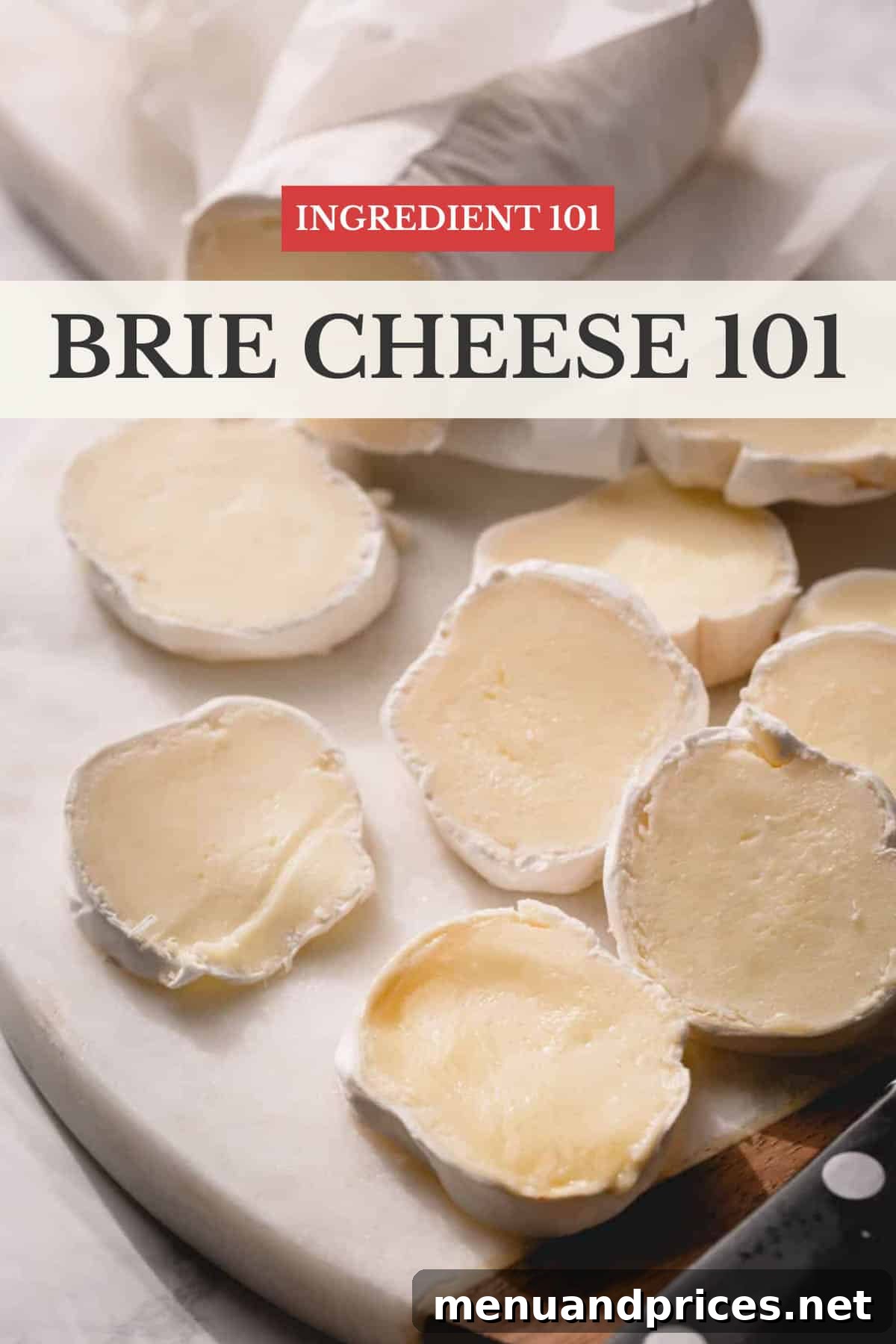
Brie is an iconic soft, buttery cow’s milk cheese, proudly named after the Brie region in Northern France, where its legacy began. This venerable cheese is easily recognized by its distinctive bright white, edible rind that encases a lusciously soft interior, which becomes wonderfully gooey and melted when gently warmed or baked. It’s a true masterpiece of cheesemaking, known worldwide for its delicate yet complex character.
Classified as a “soft-ripened” cheese, Brie undergoes a unique aging process that starts from the outside and works its way inwards. This maturation is facilitated by a specific mold, *Penicillium candidum*, which blossoms on the exterior of the cheese. This mold is responsible for forming the characteristic chewy rind and, crucially, for transforming the curd into the creamy, velvety paste within. It’s this outward-in ripening that gives Brie its signature texture and flavor development.
It’s important to note that authentic Brie, produced according to traditional methods in France, is typically made with raw, unpasteurized cow’s milk. Due to strict food safety regulations, raw milk cheeses aged for less than 60 days are prohibited for sale in the United States. However, fear not! For those of us in the States and many other countries, delicious pasteurized versions of Brie are widely available, allowing everyone to savor this incredible cheese safely and without compromise.
Exploring Brie’s Flavor Profile: A Symphony of Taste and Texture
The flavor of Brie is a harmonious blend of richness and subtlety, making it remarkably appealing to a wide range of palates. It typically offers an earthy taste, often reminiscent of fresh mushrooms or damp forest floor, intertwined with a distinct buttery and creamy sweetness. When young, Brie presents a milder, milky flavor, but as it ripens, its profile deepens, becoming more pungent, nutty, and even slightly fruity, with a delightful tang.
Brie is frequently compared to Camembert cheese due to similarities in production and appearance. While both are soft-ripened French cow’s milk cheeses, Camembert generally boasts a more robust, intense, and rustic flavor, often described as more pungent or gamey. Brie, on the other hand, tends to be milder and creamier, with a slightly softer consistency, especially when perfectly ripe. Both are fantastic, but Brie often serves as a gentler introduction to soft-ripened cheeses.
A common misconception is to avoid the rind, attempting to scoop out only the melt-in-your-mouth center, often referred to as the “paste.” However, to truly appreciate the full spectrum of Brie’s character, it is essential to enjoy the rind along with the paste. The rind is not only perfectly safe to eat but also adds a crucial textural contrast and a layer of umami flavor, enhancing the overall experience and complementing the velvety interior beautifully. Don’t miss out on this integral part of the Brie experience!

The Art of Brie Making: From Milk to Masterpiece
The creation of Brie is a delicate process, a testament to centuries of French cheesemaking tradition. It begins with high-quality cow’s milk, which is gently warmed. To this warmed milk, rennet (an enzyme that causes coagulation) is added. This crucial step encourages the milk proteins to curdle, separating into solid curds and liquid whey.
Once the curds have formed, they are carefully cut into small pieces and then meticulously transferred into molds. These molds are designed to allow the whey to drain naturally over several hours, concentrating the curds and shaping the future cheese wheel. This draining process is vital for achieving Brie’s characteristic density and moisture content.
After being removed from their molds, the young cheese wheels are salted. Salting not only imparts flavor but also aids in drawing out additional moisture and acts as a natural preservative. Following salting, the cheese is sprayed with a culture containing *Penicillium candidum* mold, the key to its soft-ripened nature. The cheese is then carefully aged in controlled environments, typically for about 4 to 6 weeks. During this aging period, the mold culture blooms on the surface, forming the iconic white rind, and enzymes within the cheese work their magic, ripening the paste from the outside in. This transformation results in the rich, creamy, and wonderfully complex Brie we all adore, ready to be enjoyed with a crisp glass of wine and a dollop of fig jam – a truly exquisite pairing!
Delightful Serving Ideas for Brie Cheese: Versatility on a Plate
Brie’s unique combination of humble elegance and luxurious flavor makes it an incredibly versatile cheese, perfectly suited for everything from a casual snack to the centerpiece of a grand dinner party or holiday spread. While it undoubtedly elevates any special occasion, you certainly don’t need a specific reason or an elaborate recipe to indulge in this magnificent cheese. Its mild yet complex flavor profile allows it to pair beautifully with an astonishing array of ingredients, both sweet and savory.
Here are some of my favorite ways to enjoy Brie, showcasing its incredible adaptability:
- Baked Brie: A Warm, Gooey Indulgence
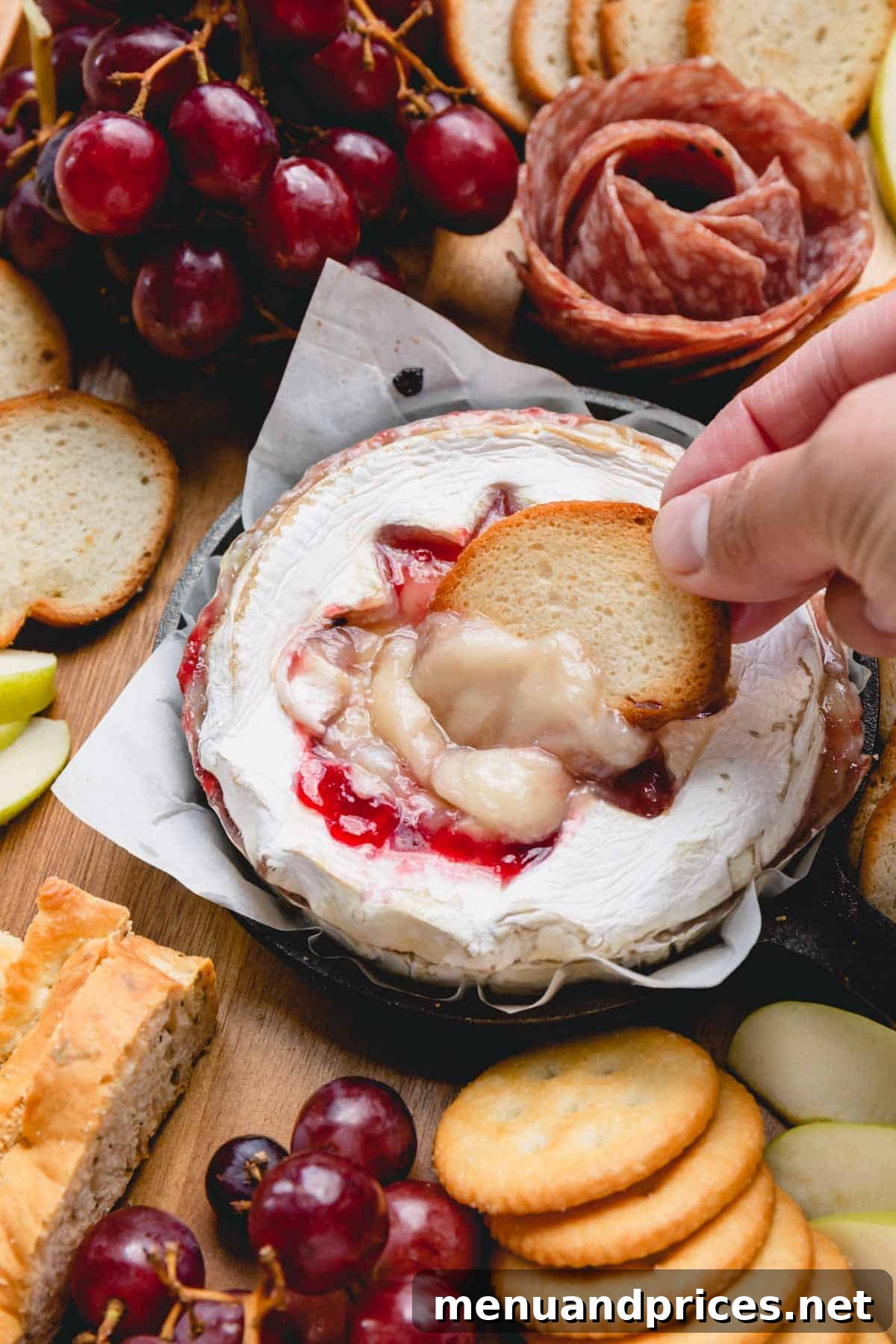
Transform a simple wheel of Brie into a show-stopping appetizer by baking it. Preheat your oven to 350°F (175°C) and bake the Brie directly on a parchment-lined baking sheet or in a small oven-safe dish until the center is wonderfully gooey and warm, usually about 15-20 minutes. The rind will remain intact, creating a perfect vessel for the melted interior. Top generously with your favorite fruit jam (raspberry, fig, apricot, or berry work wonderfully), a drizzle of honey, and toasted nuts like walnuts, pecans, or almonds. Serve immediately with crusty baguette slices, crackers, apple wedges, or pear slices for dipping. - Brie Bites: Simple & Elegant Snacks
For a quick and easy appetizer, create delightful Brie bites. Pair a small slice of Brie with a buttery cracker, such as a Ritz, and a dab of your favorite preserve. Spicy pepper jelly offers a fantastic kick, while a classic fig jam provides a sweet and earthy counterpoint. For an extra touch, add a thin slice of prosciutto or a fresh berry. These are perfect for entertaining or a sophisticated personal treat. - Brie en Croûte: The Ultimate Party Appetizer
Elevate your Brie experience by wrapping a whole wheel in puff pastry to create a stunning Brie en Croûte. Thaw a sheet of puff pastry, place the Brie in the center, and fill it with delectable ingredients like honey, chopped pecans, dried cranberries, a spoonful of raspberry jam, or savory caramelized onions. Fold the pastry over the Brie, crimp the edges to seal, and brush with an egg wash for a golden finish. Bake at 400-425°F (200-220°C) until the pastry is puffed and golden brown, typically 20-30 minutes. Slice and serve warm with fruit and crackers. - Gourmet Brie Grilled Cheese & Panini: Comfort Food Reinvented
Infuse your grilled cheese or panini with a touch of gourmet sophistication by using Brie as the creamy spread. Its meltability and rich flavor make it an ideal choice. It pairs exceptionally well with both sweet and savory elements. Try combining it with sliced apples or pears for sweetness, crispy bacon or smoked ham for savory depth, or earthy sautéed mushrooms. A touch of fig jam or caramelized onions inside takes it to another level. - Spectacular Charcuterie and Cheese Boards
Brie is an indispensable component of any elegant charcuterie or cheese board. Its striking white rind and creamy texture make it an eye-catching focal point. Arrange it alongside an assortment of complementary elements: crunchy nuts (marcona almonds, pistachios), various cured meats (prosciutto, salami, sopressata), an array of crackers and artisan breads, fresh seasonal fruits (grapes, berries, apple slices), dried fruits (apricots, figs), and exquisite spreads and preserves (honeycomb, chutneys, mustards). The contrast of textures and flavors creates a truly memorable display. - Creative Culinary Applications
Don’t limit Brie to just appetizers! Get creative and incorporate it into your main dishes. Use it to stuff baked chicken breasts, infusing them with creamy richness. Stir melted Brie into your favorite mac and cheese recipe for an unbelievably luxurious upgrade. Or, for a truly decadent burger, melt a generous slice of Brie on top of your patty, perhaps with some caramelized onions, for an unforgettable meal. Its melting quality and rich flavor make it a fantastic addition to tarts, quiches, and even certain pasta dishes.
Mastering Brie Storage: Keeping Your Cheese Fresh and Delicious
Storing Brie correctly is crucial to maintain its optimal flavor, texture, and freshness. Unlike many foods, cheese needs to breathe, and improper storage can quickly lead to spoilage or an undesirable ammonia taste. Follow these expert tips to ensure your Brie remains delightful for as long as possible:
- Avoid Plastic Wrap for Whole Wheels: Do not tightly suffocate a whole wheel of Brie with plastic wrap. Plastic creates a moist, airless environment that encourages the growth of unwanted molds and can trap ammonia, leading to an unpleasant flavor. Cheese needs to breathe to stay healthy.
- The Best Way to Wrap Brie: For whole or larger pieces of Brie, wrap it loosely in parchment paper, wax paper, or specialized cheese paper. These materials allow the cheese to breathe while protecting it from drying out. If the paper doesn’t stay securely, use a small piece of tape to hold it in place without sealing it airtight. Store the wrapped cheese in the warmest part of your refrigerator, often the vegetable crisper drawer, which offers higher humidity.
- Storing Cut Pieces: Once cut, Brie’s exposed paste is more susceptible to drying out. For smaller, cut pieces, you can wrap them a bit more snugly in plastic wrap, then place them inside an airtight container or a larger piece of parchment paper to protect them further. Aim to consume cut Brie within 3-5 days.
- Optimal Storage Duration: A properly stored, unopened wheel of Brie can last for up to 1-2 weeks in the refrigerator. Once opened or cut, it’s best enjoyed within 3-7 days, depending on its initial ripeness. Always check for signs of spoilage.
- Serving Temperature is Key: For the most exquisite flavor and luxurious texture, Brie should always be enjoyed at room temperature. Remove the cheese from the refrigerator at least one hour, and ideally two hours, before you plan to serve it. This allows the fats to soften and the complex aromas and flavors to fully develop, offering a truly sublime experience.
- When to Discard Brie: Trust your senses. If you notice a strong, pungent ammonia smell, see any dark, discolored, or fuzzy mold (beyond the natural white rind), or if the cheese dries out significantly and hardens, it’s time to discard it. While some surface mold can be trimmed, significant changes indicate spoilage.
- Freezing Brie (with caveats): While technically possible, freezing Brie is generally not recommended as it can alter its delicate texture, making it crumbly or grainy upon thawing. If you must freeze, wrap it very tightly in several layers of plastic wrap and then foil. It might be better suited for cooking after thawing rather than fresh consumption.
Brie Substitutes: Discovering Similar Soft-Ripened Cheeses
If you find yourself yearning for Brie but your local grocery store shelf is bare, don’t despair! Several other delicious soft-ripened cheeses can step in to take its place, offering similar creamy textures and delightful flavors. While each has its unique characteristics, they can certainly fulfill your craving for a decadent, luscious cheese.
- Camembert Cheese: The Closest Cousin
Camembert is perhaps the most obvious and popular substitute for Brie. Both are soft-ripened cow’s milk cheeses hailing from France, featuring a bloomy white rind and a creamy interior. The primary difference lies in their intensity; Camembert typically has a more robust, earthy, and sometimes more pungent flavor than Brie, which tends to be milder and butterier. Despite this, their similarities in texture and meltability make Camembert an excellent stand-in. - Saint Andre: A Triple Crème Dream
Saint Andre is a luxurious triple crème cheese that takes indulgence to a new level. While a type of Brie, it boasts an even richer, denser, and unbelievably buttery texture due to its higher fat content (triple crème means at least 75% butterfat in dry matter). Its tangy rind beautifully complements its rich, sweet interior, making it a fantastic, albeit more opulent, substitute for traditional Brie. - Coulommiers: Brie’s Ancient Ancestor
Coulommiers is another French soft-ripened cheese, often considered an ancestor of modern Brie. It’s typically smaller and thicker than a standard Brie wheel, with a delightful nutty flavor and a wonderfully creamy, slightly firmer texture. Its profile is very similar to Brie, making it an excellent and authentic alternative, particularly for those seeking a cheese with a rich history. - Chèvre Cheese (Soft-Ripened Goat Cheese): A Tangy Twist
While made from goat’s milk rather than cow’s milk, certain types of soft-ripened Chèvre (goat cheese) can serve as a substitute, especially if you appreciate a tangy profile. Chèvre offers a creamy texture, often with a brighter, more acidic, and distinctly “goaty” flavor compared to Brie. It can work well in applications where you desire a creamy texture with an added zest. - Delice de Bourgogne: Another Triple Crème Gem
Similar to Saint Andre, Delice de Bourgogne is another exquisite triple crème cheese from France. It shares Brie’s rich, buttery, and exceptionally creamy interior but offers an even more decadent experience due to its high butterfat content. It’s incredibly luxurious and provides a similar melt-in-your-mouth sensation.
The Storied History of Brie: From Royal Tables to Modern Delights
The history of Brie cheese is as rich and intriguing as its flavor. Its origins trace back to the Middle Ages, with records indicating its presence in France as early as the 8th century. Legend has it that Charlemagne, the Holy Roman Emperor, tasted Brie in 774 AD and immediately declared it one of his favorite foods. Throughout the centuries, Brie became a staple on the tables of French royalty and nobility, solidifying its reputation as a cheese of prestige and luxury.
However, Brie’s most famous historical moment arrived in 1815, during the Congress of Vienna. Following the Napoleonic Wars, representatives from various European nations gathered to redraw the continent’s map. During a banquet, a “blind tasting” of cheeses from across Europe was held. Prince Talleyrand, the French delegate, championed Brie de Meaux, proclaiming it the “King of Cheeses.” His eloquent advocacy led to Brie being crowned the undisputed champion, a title it proudly holds to this day. This historical endorsement propelled Brie into international fame, making it a symbol of French culinary excellence. From the humble farms of the Brie region to the grandest European palaces, Brie’s journey is a testament to its enduring appeal and exceptional quality.
Nutritional Value of Brie Cheese: A Delicious Indulgence
Beyond its delightful taste, Brie cheese offers a noteworthy nutritional profile, making it more than just a decadent treat. A typical serving of Brie is a good source of protein, essential for muscle repair and growth. It’s also rich in calcium, crucial for bone health, and provides various vitamins, including Vitamin A and B vitamins, along with beneficial fats. As with all rich cheeses, moderation is key due to its calorie and saturated fat content. However, when enjoyed thoughtfully, Brie can be a delicious and nourishing addition to a balanced diet, offering both culinary pleasure and valuable nutrients.
Perfect Pairings: What to Drink with Brie Cheese
Brie’s versatile flavor profile makes it a fantastic partner for a wide array of beverages, enhancing both the cheese and the drink. Here are some classic and creative pairing suggestions:
- Wine Pairings:
- Champagne & Sparkling Wine: The effervescence and crisp acidity of Champagne or other sparkling wines beautifully cut through Brie’s richness, creating a refreshing contrast.
- White Wines: Unoaked Chardonnay, Sauvignon Blanc, and dry Rieslings complement Brie’s creamy texture and earthy notes without overpowering it. A light-bodied Pinot Grigio also works well.
- Red Wines: Opt for lighter-bodied, fruit-forward red wines like Pinot Noir, Beaujolais, or a young Merlot. Their softer tannins won’t clash with Brie’s delicate flavors.
- Beer Pairings:
- Wheat Beers (Witbier, Hefeweizen): The fruity and spicy notes of wheat beers, with their refreshing effervescence, pair wonderfully with Brie.
- Fruity Ales & Saisons: Belgian Saisons or fruity pale ales can offer a delightful contrast to Brie’s creaminess.
- Lagers: A crisp, clean lager can also be a simple and effective pairing, especially with milder Brie.
- Non-Alcoholic Pairings:
- Apple Cider: The crisp sweetness and slight tartness of apple cider (especially sparkling) provide an excellent balance to Brie.
- Sparkling Grape Juice: A sophisticated alternative to wine, offering fruitiness and fizz.
- Tea: A light, unflavored black tea or green tea can be surprisingly pleasant, cleansing the palate between bites.
Frequently Asked Questions About Brie Cheese
- Is the rind of Brie cheese edible?
- Yes, absolutely! The white, bloomy rind of Brie cheese is not only safe to eat but also an integral part of its flavor and texture profile. It adds a slightly earthy, mushroomy, and umami note that complements the creamy interior beautifully. Eating the rind is essential for the full Brie experience.
- What is the main difference between Brie and Camembert?
- While very similar, the main differences lie in their size, origin, and flavor intensity. Brie wheels are typically larger and milder, with a butterier flavor. Camembert wheels are smaller, often with a more robust, earthy, and sometimes more pungent flavor. Both are soft-ripened cow’s milk cheeses from France, but Camembert is considered more rustic.
- How do I know if my Brie is perfectly ripe?
- A perfectly ripe Brie should feel soft and slightly springy to the touch when gently pressed, but not overly mushy or firm. It should have a pleasant, earthy aroma, perhaps slightly mushroomy, but definitely not a strong ammonia smell. When cut, the paste should be uniformly creamy and soft, possibly running slightly if very ripe and at room temperature.
- Can pregnant women eat Brie cheese?
- Pregnant women should avoid Brie made with raw (unpasteurized) milk due to the risk of Listeria bacteria. However, pasteurized Brie cheese is generally considered safe for consumption during pregnancy. Always check the label to ensure it states “pasteurized milk” before consuming.
- What is “triple crème” Brie?
- Triple crème Brie refers to a category of Brie-style cheeses that have an exceptionally high butterfat content, typically 75% or more in the dry matter. This is achieved by adding extra cream to the milk during the cheesemaking process. The result is an incredibly rich, decadent, and even more luxurious and buttery texture than traditional Brie.
- How long does Brie last after opening?
- Once opened or cut, Brie is best consumed within 3 to 7 days. Proper storage (wrapped loosely in parchment paper and refrigerated) will help maximize its freshness. Always discard if you notice any off smells, dark molds, or significant hardening.
- Can you freeze Brie cheese?
- While you can freeze Brie, it’s generally not recommended for optimal flavor and texture. Freezing can cause the cheese to become crumbly or grainy upon thawing. If you must freeze it, wrap it very tightly in plastic wrap and then foil. It’s often best to use thawed Brie in cooked dishes rather than serving it fresh.
From its humble beginnings in the French countryside to its celebrated status as the “King of Cheeses,” Brie has captivated palates worldwide with its unparalleled creaminess and complex flavor. Whether you’re a seasoned connoisseur or just beginning your journey into the world of fine cheeses, this guide provides all the knowledge you need to appreciate, serve, and savor every exquisite bite of Brie. So go forth, explore its versatility, and let this magnificent cheese elevate your culinary adventures!