
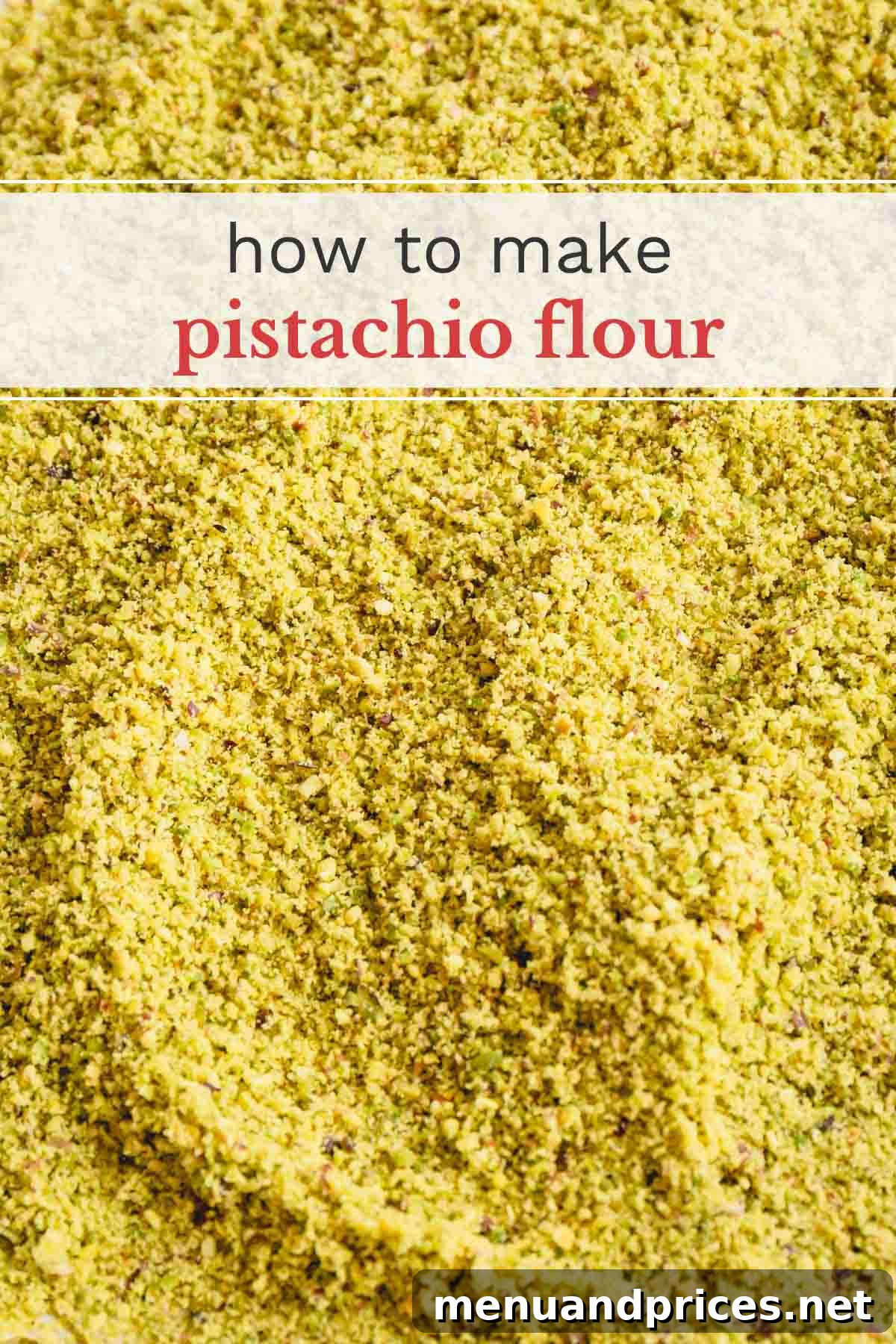
Discover the secret to crafting exquisite homemade pistachio flour with this comprehensive, step-by-step guide. Elevate your baking and cooking with a beautifully colored, intensely flavorful nut flour made from just one essential ingredient: pistachios! Forget expensive store-bought versions; our method guarantees a fresher, more vibrant product that will transform your culinary creations. Whether you’re a seasoned baker or a curious home cook, mastering this simple technique will open a world of delicious possibilities, from delicate macarons to savory breadings.
Pin this guide now and find it easily later!
Pin It
What Exactly is Pistachio Flour?
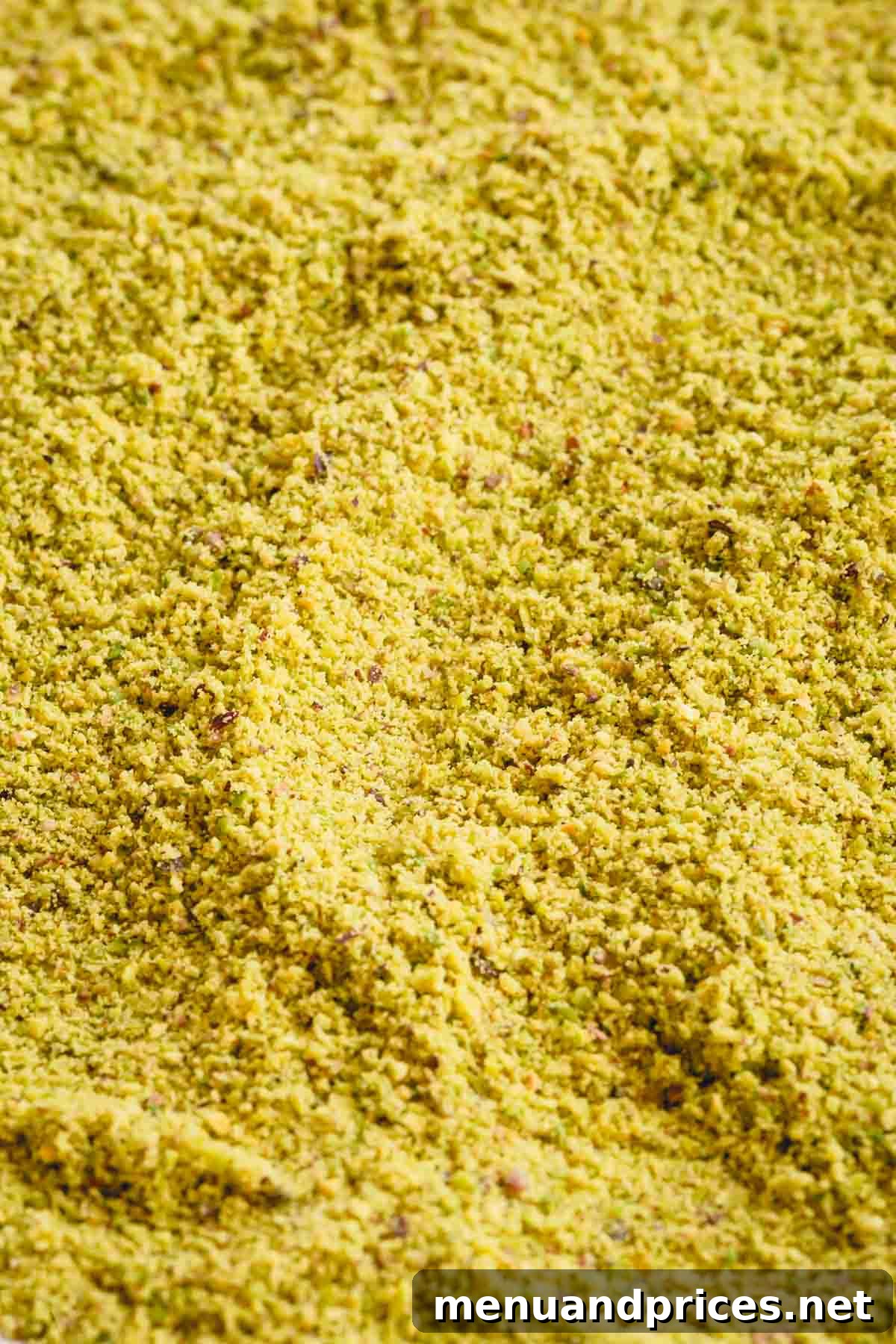
Pistachio flour is a specialty flour crafted from shelled, whole pistachios. Unlike traditional grain flours, it’s a naturally gluten-free alternative derived entirely from ground nuts. The process typically involves blanching (an optional step for color enhancement), lightly roasting the nuts, and then finely grinding them into a light, sand-like powder. This unique flour boasts a characteristic pale green hue and imparts a rich, subtly nutty, and slightly sweet flavor to any dish.
Its fine texture and distinctive taste make it an exceptional ingredient for a wide array of recipes. Many bakers utilize it as a premium nut flour, similar to almond flour, to create delicate pastries and confections. For instance, it’s the star ingredient in decadent pistachio macarons, contributing both its signature color and exquisite flavor profile.
Why You’ll Love Making Your Own Homemade Pistachio Flour: Unmatched Benefits
Crafting your own pistachio flour at home is not just a simple process; it’s an incredibly rewarding culinary experience. Requiring only one core ingredient – high-quality pistachios – and a dash of patience, this DIY approach offers several compelling advantages over store-bought alternatives:
- Vibrant Color and Exquisite Flavor: Homemade pistachio flour retains the freshest, most intense nutty flavor and a beautiful, natural light green color that can truly elevate the visual appeal and taste of your dishes.
- Simplicity and Cost-Effectiveness: The process is surprisingly straightforward, turning a gourmet ingredient into an accessible kitchen staple. Buying raw pistachios in bulk is often more budget-friendly than purchasing pre-made nut flours, saving you money in the long run.
- Optimal Freshness and Quality Control: By making it yourself, you ensure the freshest possible product without any hidden additives, preservatives, or stale flavors often found in commercially processed flours. You control the grind, ensuring a perfect texture every time.
- Convenient Storage: Once prepared, pistachio flour stores exceptionally well, allowing you to keep a batch on hand for spontaneous baking adventures or whenever a recipe calls for this unique ingredient.
You’ll be astonished at how effortlessly raw pistachios can be transformed into a versatile, high-end ingredient right in your own kitchen, all while maintaining superior quality and taste!
Choosing the Right Pistachios: Your Key Ingredient
The foundation of exceptional pistachio flour lies in selecting the right pistachios. Here’s what to look for:
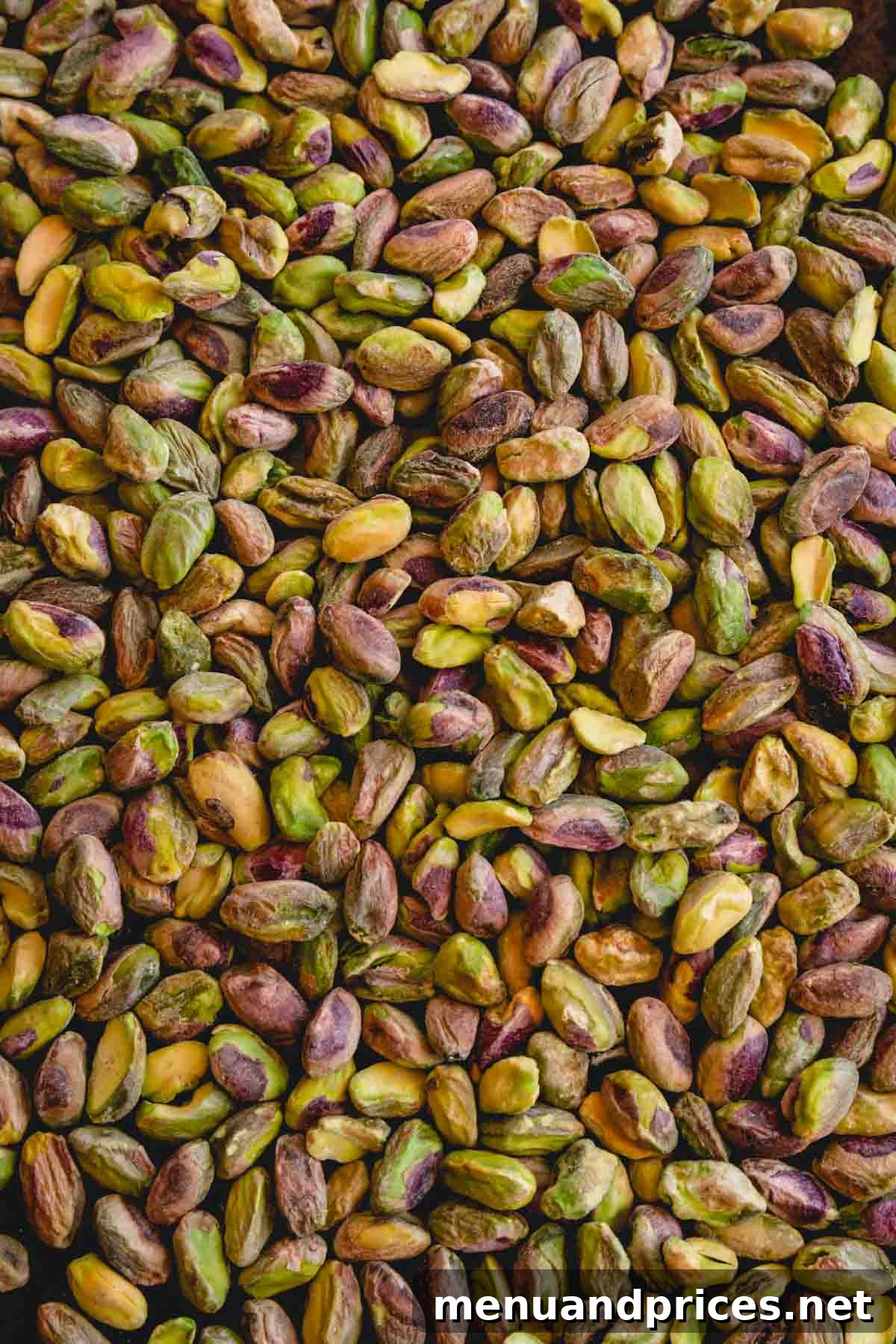
- Raw, Unsalted, Shelled Pistachios: Opt for raw (untoasted) and unsalted pistachios for the purest flavor and most vibrant green color. Roasted or salted pistachios will alter the taste profile and may result in a darker, less appealing flour. While you can certainly use unshelled pistachios and shell them yourself, pre-shelled pistachios offer a convenient shortcut, saving you significant preparation time. Look for them in the bulk nut section of your grocery store or from online specialty retailers.
Essential Equipment for Homemade Pistachio Flour
Gathering the correct tools will make the process smoother and more efficient:
- Food Processor or High-Speed Blender: This is your primary tool for grinding the pistachios into a fine flour. A good quality processor or blender is crucial for achieving the desired consistency without over-processing the nuts into a paste.
- Baking Sheet: Essential for roasting the pistachios evenly.
- Fine Mesh Sieve: Used for sifting the ground pistachios to separate the fine flour from any larger, unground pieces, ensuring a consistent texture.
- Airtight Container: For proper storage of your freshly made pistachio flour.
The Art of Making Homemade Pistachio Flour: A Detailed Guide
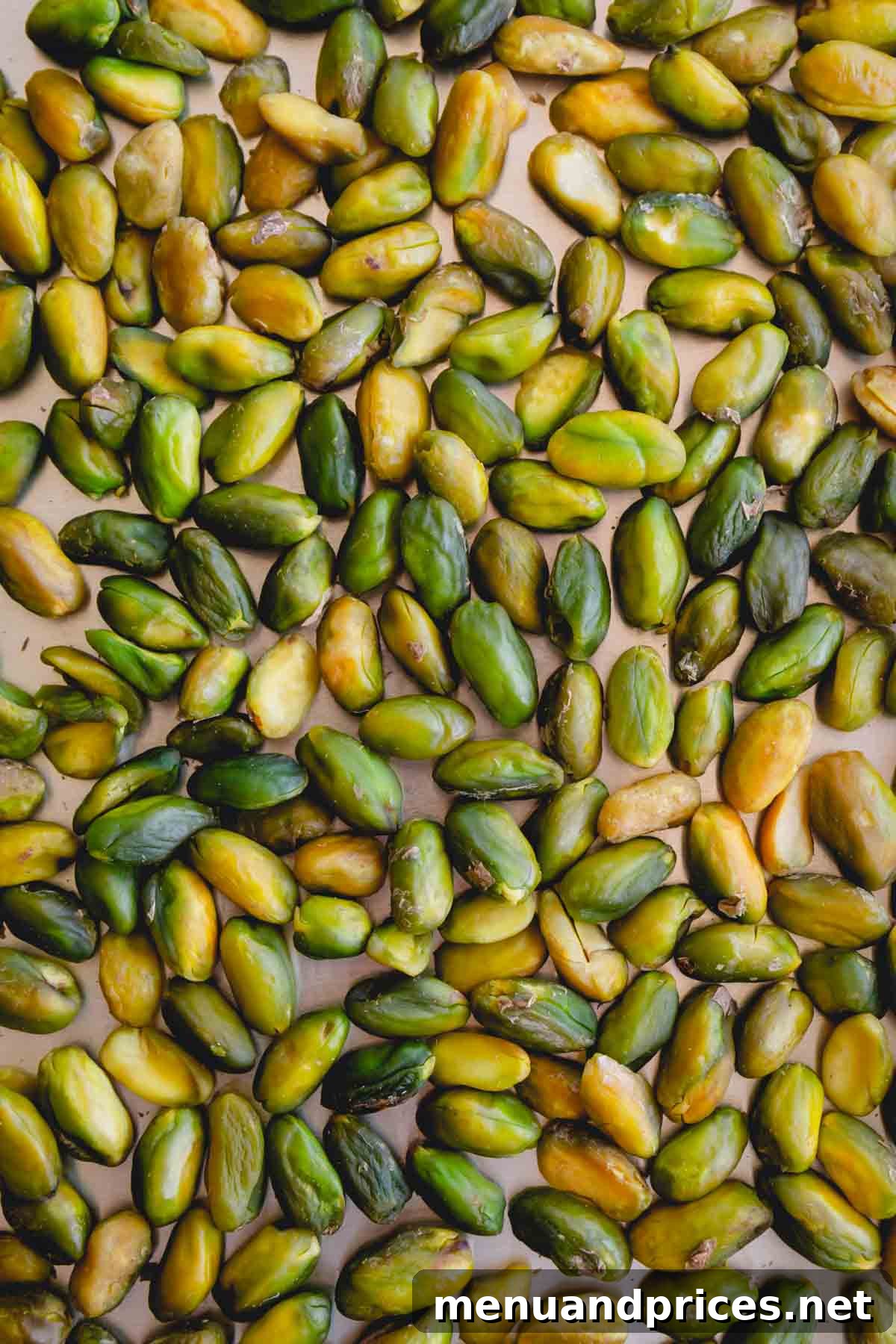
Crafting perfect pistachio flour involves a few key steps that ensure optimal flavor, texture, and color. For the most vibrant green hue, an optional blanching and peeling step is recommended. This removes the thin brown skin from the pistachios, which can otherwise dull the final color of your flour. For a detailed tutorial on how to blanch and peel pistachios, refer to my comprehensive pistachio paste tutorial.
Step 1: Lightly Roasting the Pistachios for Enhanced Flavor
Roasting is a critical step that not only enhances the natural nutty flavor of the pistachios but also helps to dry them out, making them easier to grind into a fine flour and preventing them from turning into paste too quickly.
- Preheat Your Oven: Begin by preheating your oven to a low temperature of 300°F (150°C). A low and slow roast is essential to prevent burning and preserve the delicate flavor.
- Evenly Spread: Arrange your shelled pistachios in a single, even layer on a baking sheet. Ensure they are not overcrowded, allowing for consistent roasting.
- Roast with Vigilance: Place the baking sheet in the preheated oven and roast for approximately 10-12 minutes. The goal is to lightly toast them until they become noticeably fragrant. It’s crucial to watch them closely during this phase; pistachios can go from perfectly toasted to burnt very quickly. Avoid letting them turn brown, as this will result in a bitter flavor and a duller flour color.
- Cool Completely: Once roasted, remove the pistachios from the oven and let them cool down completely on the baking sheet at room temperature. This step is vital as warm pistachios can release excess moisture and oil when blended, leading to a clumpy or pasty consistency rather than a fine flour.
A Crucial Step: Why Roasting Makes All the Difference!
Do not skip this roasting step! It is fundamental to achieving the best possible homemade pistachio flour. The gentle heat helps to dry out any residual moisture from the nuts, intensifying their natural aroma and making them significantly easier to process into a fine powder. This pre-treatment is what truly sets homemade pistachio flour apart, often yielding a product superior in flavor and texture to many pre-packaged varieties you might find in stores.
Step 2: Grinding Your Pistachios into Perfect Flour
The grinding phase is where the magic happens, transforming your carefully prepared pistachios into a versatile flour. Precision is key to avoiding an oily paste.
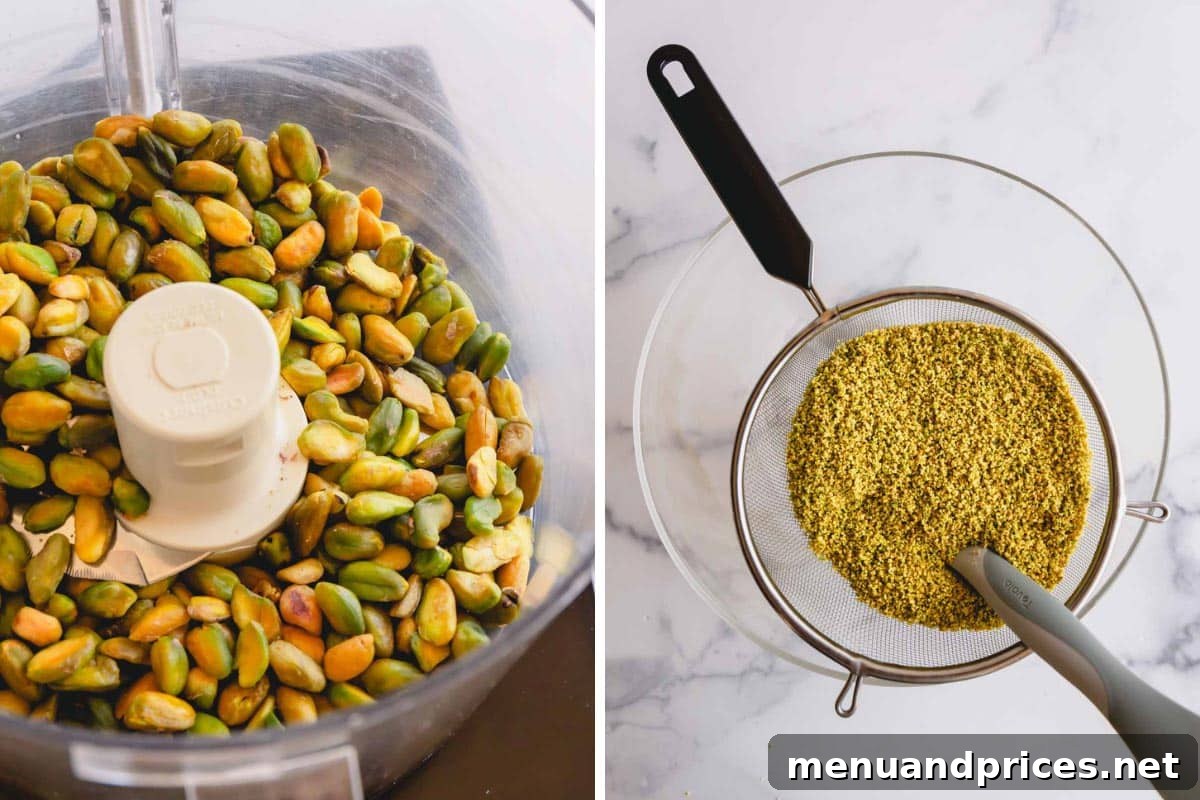
- Transfer to Processor: Once completely cooled, transfer the roasted pistachios into the bowl of a food processor or a high-speed blender. Ensure the equipment is dry.
- Pulse, Don’t Process Continuously: This is the most crucial part of the process. Instead of running the food processor continuously, use short, quick pulses. Pulse for a few seconds, then stop, shake the container, and pulse again. Continue this technique until the nuts are finely ground into a flour-like consistency.
- Sift for Uniformity: Pour the ground pistachio mixture through a fine mesh sieve into a clean bowl. Gently shake and tap the sieve to allow the fine flour to pass through. This separates the perfectly ground flour from any larger, more stubborn pieces.
- Re-process Larger Chunks: Collect any leftover chunks or larger pieces that did not pass through the sieve and return them to the food processor. Pulse them again using the same short burst method. This iterative process allows you to achieve a consistent, fine flour without the risk of over-processing the entire batch, which could lead to oil release. This method minimizes waste and ensures a uniform product.
The Golden Rule: Always Pulse!
Remember, the cardinal rule for making nut flours is to always pulse your food processor manually. Running it continuously, even for short periods, generates heat and causes the natural oils within the pistachios to be released. This rapid oil release will quickly transform your finely ground flour into a thick, sticky pistachio paste, which, while delicious, is not what you’re aiming for here!
Expert Tips for Achieving the Best Homemade Pistachio Flour
Follow these insights to guarantee a flawless batch of pistachio flour every time:
- Prioritize Skin Peeling for Color: As mentioned, for that signature bright green pistachio color, don’t skip the optional step of blanching and peeling the pistachios. The brown skin, while harmless, will dull the vibrant green hue you likely desire for aesthetically pleasing desserts.
- Maintain Roasting Vigilance: Pistachios are delicate and roast very quickly. Keep a constant eye on your oven during the roasting period. Remove them as soon as they become fragrant, indicating they are lightly toasted. Any hint of browning means they are over-roasted, which can introduce bitterness.
- Thoroughly Cool Roasted Nuts: Patience is key. After roasting, allow the pistachios to cool down completely to room temperature. Introducing warm nuts into a blender or food processor will create condensation and moisture, turning your potential flour into a sticky, undesirable mush or paste.
- Avoid Overmixing – Pulse Only: This cannot be stressed enough: continuous processing will turn your nuts into a paste. Use short, sharp pulses. Once a flour-like consistency begins to form, check frequently. The moment it looks like flour, stop!
- Ensure Your Equipment is Dry: Any moisture in your food processor or blender can cause the pistachios to clump and prevent them from grinding into a fine flour. Make sure all components are thoroughly dry before you start.
- Store Properly for Freshness: Once your pistachio flour is ready, transfer it immediately to an airtight container. This prevents moisture absorption, protects it from pantry pests, and most importantly, preserves its fresh flavor and aroma.
Storing Your Homemade Pistachio Flour for Lasting Freshness
Proper storage is essential to maintain the quality and extend the shelf life of your freshly made pistachio flour:
- Airtight is Key: Always store your pistachio flour in an airtight container. A glass jar with a tight-fitting lid is an excellent choice. This prevents oxidation, moisture absorption, and keeps out unwanted odors or pests.
- Refrigeration: For short-term storage, your homemade pistachio flour will remain fresh for up to one month when kept in the refrigerator. The cool temperature helps to prevent the natural oils in the nuts from turning rancid.
- Freezer-Friendly Option: For a significantly longer shelf life, pistachio flour is perfectly freezer-friendly! Transfer it to a freezer-safe, airtight container or heavy-duty freezer bag, ensuring as much air as possible is removed. Stored this way, it will last beautifully for up to 2-3 months, or even longer without a significant decline in quality. When ready to use, simply thaw to room temperature.
Frequently Asked Questions About Pistachio Flour
Pistachio flour is incredibly versatile! It’s most commonly cherished in baking as a gluten-free alternative flour, particularly for delicate desserts like pistachio macarons, cakes, cookies, and tarts, where its unique flavor and color can truly shine. However, its use extends far beyond sweets. It makes an excellent, flavorful breading for meats or fish, can act as a thickening agent for savory sauces and soups, or even be incorporated into homemade pasta or pizza dough for an innovative twist.
Pistachio flour offers a distinctive flavor profile all its own. It’s wonderfully nutty and possesses a subtle sweetness. Depending on the roast and variety of pistachios, it can sometimes carry a faint, pleasant underlying bitterness that adds depth and complexity, making it unique compared to other nut flours.
Yes, in many recipes, pistachio flour can be substituted for regular wheat flour, especially in gluten-free baking. However, it’s not always a direct 1:1 substitution. Nut flours absorb moisture differently and lack gluten, which provides structure. You might need to adjust liquid content or incorporate other binders, depending on the specific recipe. It generally works best in recipes specifically designed for nut flours or when substituting a portion of wheat flour for added flavor and texture.
Absolutely! Pistachio flour makes a fantastic substitute for almond flour in many recipes, particularly in pastries and desserts. Both are fine nut flours and behave similarly in terms of fat content and moisture absorption. However, it’s important to note that while they are interchangeable, pistachio flour has a distinctly different and often slightly stronger, more unique flavor profile compared to the milder taste of almond flour. This can significantly alter the final taste of your dish, usually for the better if you love pistachios!
Yes, absolutely! As long as you use 100% pure pistachios and process them in a clean environment free from cross-contamination with gluten-containing ingredients, your homemade pistachio flour will be naturally gluten-free. This makes it an excellent choice for those with celiac disease or gluten sensitivities.
While technically possible, it is not recommended. Already roasted pistachios may become over-roasted during the drying step, leading to a bitter taste and a darker color. Salted pistachios will introduce an unwanted savory element that can overpower the sweetness in most baking recipes. For the best flavor, color, and texture, always start with raw, unsalted pistachios.
Explore More Homemade Essentials!
Love making ingredients from scratch? Check out these other helpful how-to guides to elevate your kitchen skills:
- Craft Your Own Homemade Vanilla Extract
- Whip Up Silky Homemade Caramel Sauce
- Master the Art of Royal Icing
- Create Your Own Vibrant DIY Colored Sugar
Homemade Pistachio Flour
Shinee Davaakhuu
15 minutes
45 minutes
1 hour
~1-2 cups flour
Comment
Print Recipe
Ingredients
-
Raw shelled pistachios
Note 1
Equipment
-
1 Food processor or high-speed blender
-
1 Fine mesh sieve
-
1 Baking sheet
Instructions
-
Preheat your oven to 300°F (150°C).
-
Spread the prepared raw, shelled pistachios in a single, even layer on a baking sheet.
-
Roast the pistachios for 10-12 minutes, or until they become fragrant. Maintain a close watch to prevent them from browning or burning, which can lead to a bitter flavor.
-
Remove the pistachios from the oven and allow them to cool completely to room temperature. This step is crucial for preventing moisture buildup during grinding. Once cool, transfer them to a food processor or high-speed blender.
-
Pulse the nuts using short bursts until they are finely ground into a flour-like consistency. Absolutely avoid running the processor continuously, as the friction will release oils and turn the nuts into a pistachio paste instead of flour.
-
Sift the ground pistachios through a fine mesh sieve to separate the fine flour from any larger pieces. Return any unground chunks remaining in the sieve to the food processor and pulse them again. This method ensures a consistently fine flour without over-processing the entire batch.
⭐️ Did you make this recipe?
Please leave a review and let us know how you liked it!
Tips & Notes
Storing Tips:
– Store your homemade pistachio flour in an airtight container or a glass jar with a lid that seals tightly to maintain freshness.
– It will keep well in the refrigerator for up to one month.
– For extended preservation, pistachio flour is freezer-friendly! Transfer it to a freezer-safe bag or container and store it in the freezer for up to 2-3 months.
Nutrition
1 serving
704kcal
35g
26g
56g
10g
7mg
Dessert, Baking Essential
Global, Versatile
Did you make this?
Leave a rating and your feedback. Thank you!