
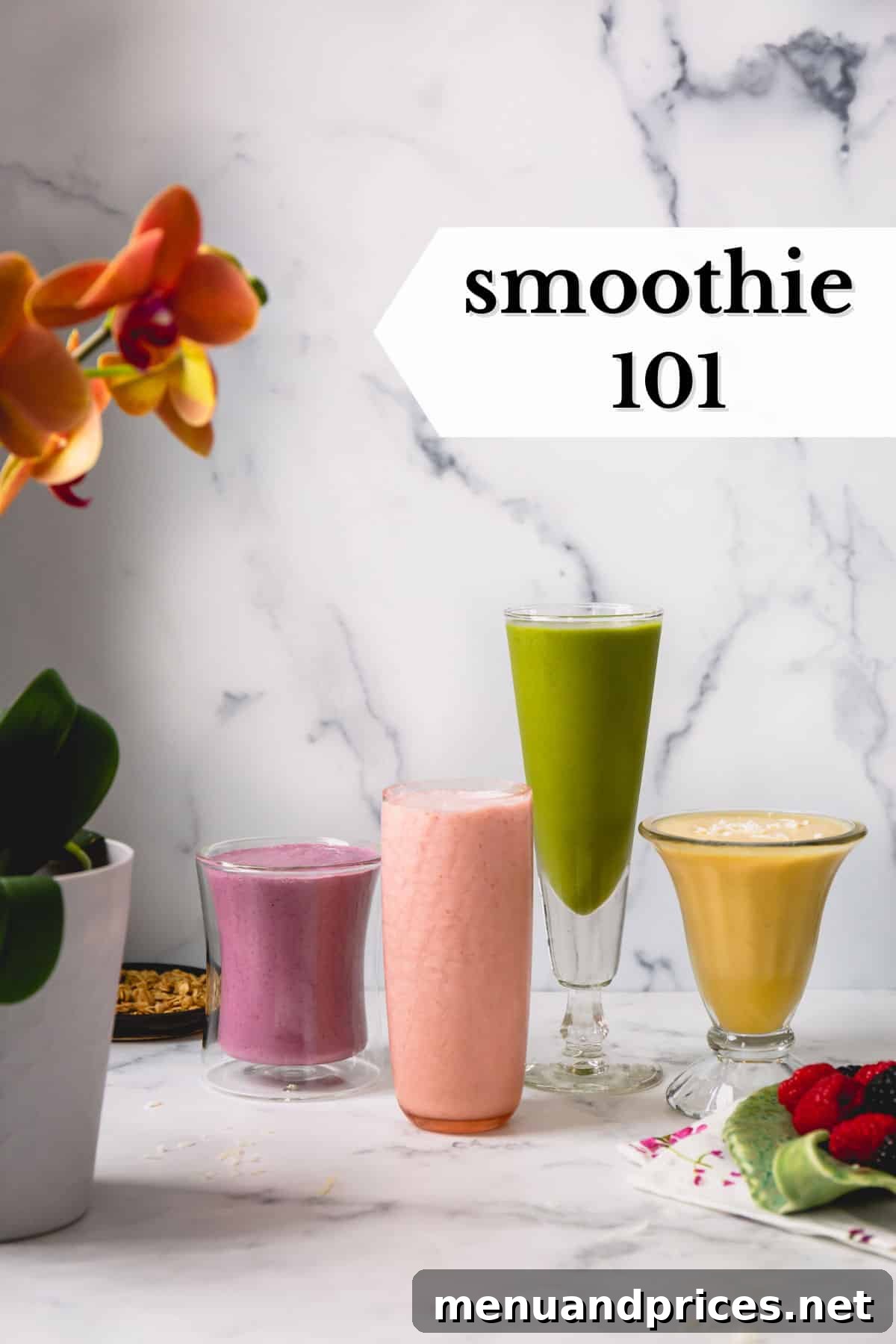
Embark on a delicious journey into the world of smoothies with this comprehensive guide! Whether you’re a seasoned blender enthusiast or a complete beginner, learning how to make a smoothie is simpler and more rewarding than you might imagine. Smoothies offer an incredibly versatile and refreshing way to infuse your diet with essential nutrients, fruits, and vegetables, all in one convenient, on-the-go drink. Forget complicated recipes; with a few basic principles, you’ll be creating your own custom blends in no time.
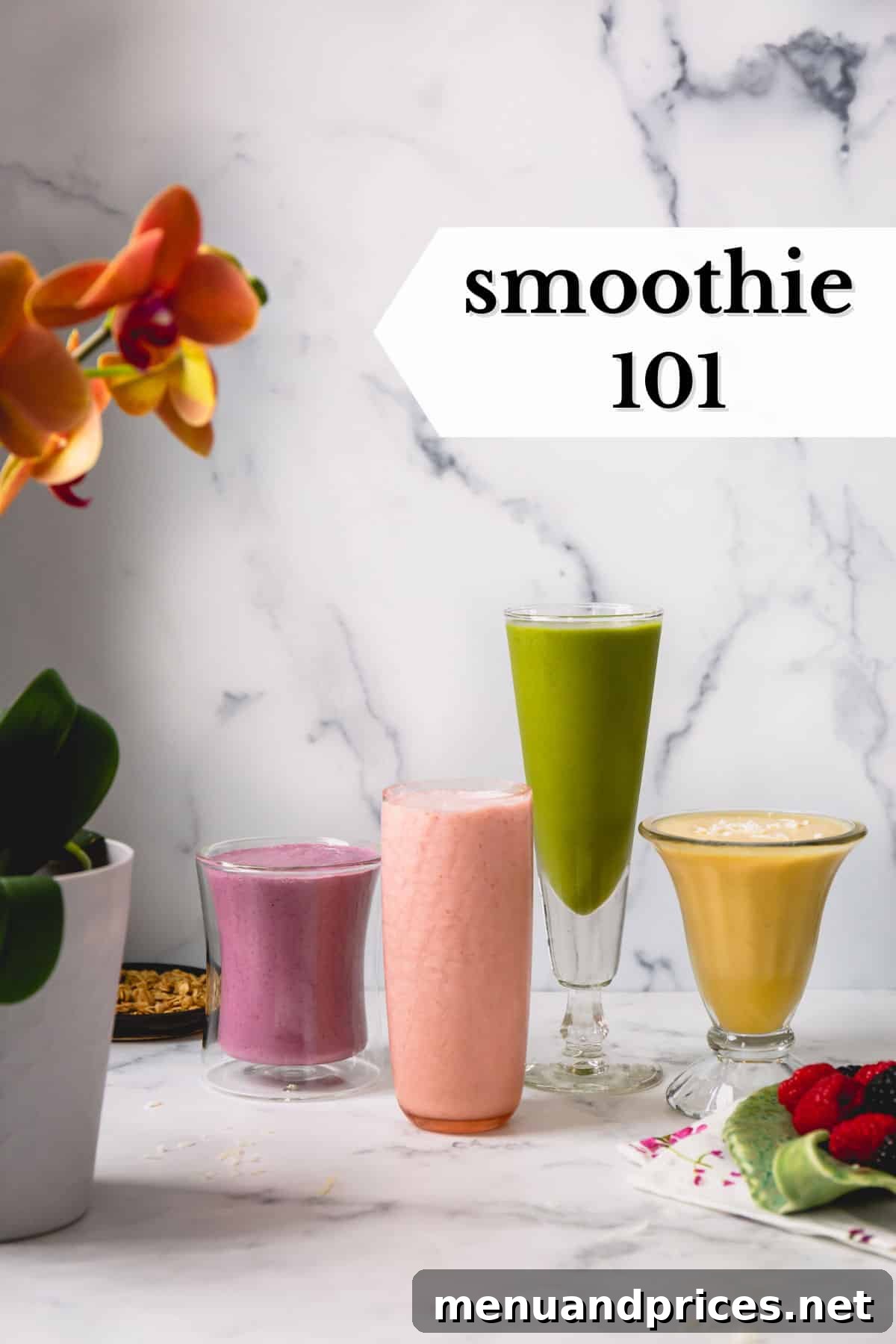
The beauty of homemade smoothies lies in their speed and simplicity. In just about 5 minutes, you can whip up a nutrient-dense beverage with minimal cleanup. A quick rinse of your blender, or a pop into the dishwasher, and you’re all set! If the vast array of smoothie ingredients feels overwhelming, don’t fret. This ultimate guide is designed to demystify the process, turning you into a smoothie master who can effortlessly create perfectly balanced and incredibly tasty drinks.
The Anatomy of a Perfect Smoothie: How to Build Your Blend
Creating a truly satisfying smoothie means understanding its fundamental components. While customization is key, every great smoothie starts with a few basic building blocks. Think of these as your foundation, allowing you to experiment with flavors and textures while ensuring a delicious outcome. Here’s a simple framework to guide you:
- Liquid Base: The Flow and Hydration – Every smoothie requires a liquid to achieve that smooth, drinkable consistency. Your choice of liquid significantly impacts the flavor, nutritional profile, and thickness of your blend. Popular options include dairy milk, plant-based milks (almond milk, oat milk, soy milk, coconut milk), refreshing coconut water, or even fruit juice for added sweetness. Consider water for a lighter, lower-calorie option, especially when focusing on fruit flavors.
- Creamy Element: For Richness and Body – A creamy component is the secret to a thick, indulgent smoothie. It adds body, mouthfeel, and often a boost of protein or healthy fats. Staples like ripe bananas (fresh or frozen), Greek yogurt, cottage cheese, and avocados are excellent choices. These ingredients transform a watery drink into a luscious, satisfying meal replacement or snack.
- Fruits: Nature’s Sweeteners and Nutrient Powerhouses – Frozen fruit is often preferred as it naturally thickens the smoothie and keeps it cold without the need for ice, which can dilute flavor. The variety is endless: berries (strawberries, blueberries, raspberries), tropical delights (mango, pineapple, papaya), stone fruits (peaches, cherries), or classic apples and pears. Frozen fruit ensures a frosty, velvety texture and natural sweetness.
- Optional Boosters & Add-ins: Elevate Your Smoothie – Once you have your core, it’s time to personalize! Add-ins are where you can pack in extra nutrition, flavor, and texture. Think nut butters for healthy fats and protein, cocoa powder for a chocolatey treat, dates for natural sweetness, or protein powder for an extra muscle-building kick. Chia seeds, flax seeds, and oats can also add fiber and satiety.
Essential and Exciting Smoothie Ingredients: Your Pantry Guide
Ready to get creative in the kitchen? This comprehensive ingredient list will inspire you to explore countless flavor combinations and nutritional boosts, making every smoothie a unique culinary adventure.
Fruits & Veggies: For Flavor and Nutrients
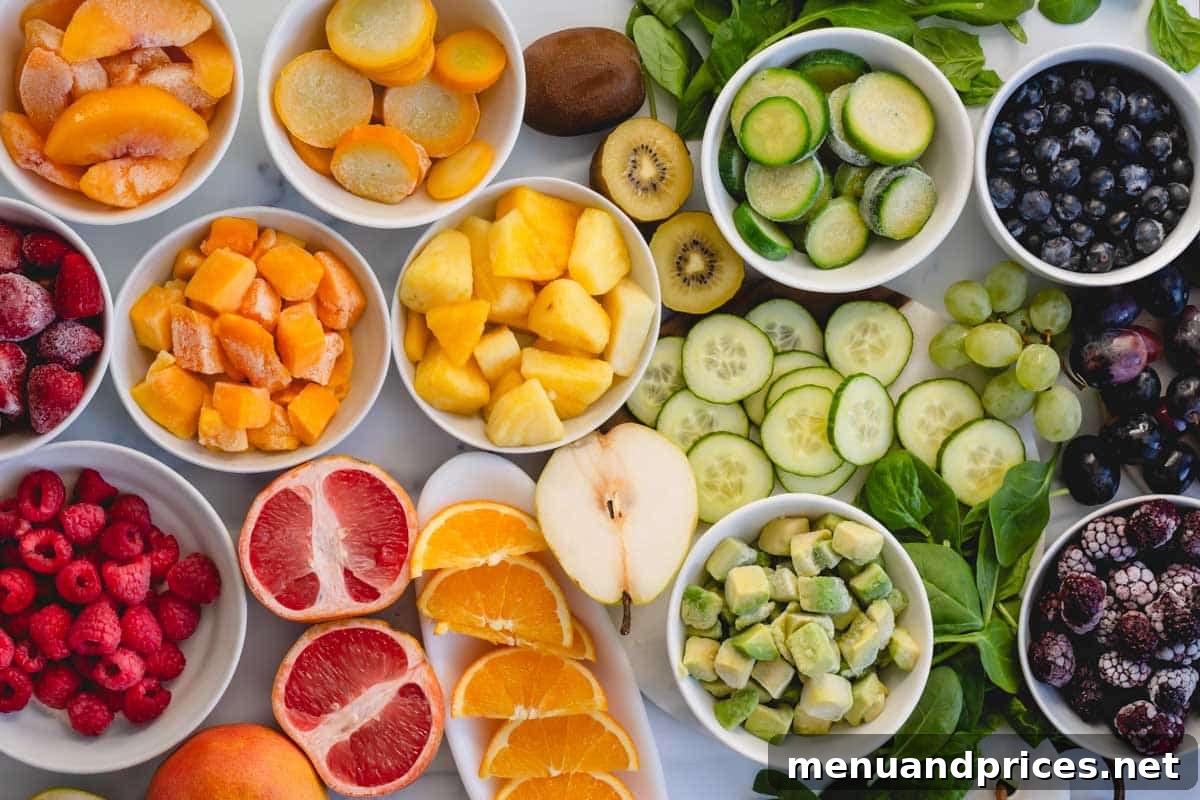
- Berries (Frozen): A smoothie superstar! Berries like blueberries, strawberries, raspberries, and blackberries are not only bursting with flavor but also loaded with antioxidants and fiber. Their natural sweetness and slightly tart notes pair beautifully with almost any other fruit, greens, or even rich nut butters. Frozen berries are ideal for achieving a thick, cold consistency without watering down your blend.
- Bananas (Fresh or Frozen): My personal favorite! Bananas are naturally sweet, incredibly creamy, and provide a wonderful base for almost any smoothie. Freezing ripe bananas beforehand yields an even creamier, ice-cream-like texture. They’re also a great source of potassium and energy.
- Apples: Add a subtle sweetness and crisp flavor. For a smoother texture, it’s recommended to peel apples before blending. Varieties like Fuji or Honeycrisp offer a sweeter profile, while Granny Smith can add a pleasant tartness.
- Tropical Fruits (Frozen): Transport yourself to paradise! Mango, pineapple, papaya, orange, and kiwi lend a vibrant, exotic flavor. These fruits are often high in Vitamin C and add a refreshing zest. Try combining them with coconut water for an ultimate tropical escape.
- Stone Fruits (Frozen): Peaches, cherries, and apricots, especially when frozen, add a lovely sweetness and creamy texture to smoothies. Cherries are known for their anti-inflammatory properties, while peaches offer a delicate, summery flavor.
- Greens (Fresh or Frozen): Don’t skip your greens! Baby spinach is a fantastic choice due to its mild flavor that easily blends into the background, letting your fruits shine. Kale, a powerhouse of nutrients, can also be used, though it has a stronger flavor. Start with a small amount and gradually increase as you get used to it.
- Cucumber: For an extra refreshing and hydrating boost, add a few slices of cucumber. Its subtle flavor works well with green smoothies and tropical fruits.
Creamy Additions: For Texture and Satiety
These ingredients are key to a rich, smooth, and satisfying smoothie that keeps you full longer.
- Yogurt (Greek or Regular): Greek yogurt is my go-to for a significant protein boost and a wonderfully thick, tangy texture. Unsweetened varieties are best to avoid excess sugar. Dairy-free options like almond, oat, or coconut yogurt are excellent alternatives for those with dietary restrictions, offering similar creaminess.
- Cottage Cheese: Surprisingly versatile in smoothies! Cottage cheese provides a creamy texture and a substantial protein hit without the tanginess often found in Greek yogurt. It blends seamlessly, making it a great way to incorporate more protein into your diet.
- Avocado: A fantastic source of healthy monounsaturated fats, avocado adds an incredibly silky texture and richness without altering the flavor significantly. Ensure it’s ripe for optimal creaminess. It also contributes filling calories, making your smoothie more substantial.
- Nut Butters: Peanut butter, almond butter, cashew butter, or sunflower seed butter introduce healthy fats, protein, and a rich, nutty flavor. They are excellent for adding depth and ensuring your smoothie is truly satisfying.
- Silken Tofu: For a plant-based, high-protein creamy boost, silken tofu blends into an incredibly smooth texture without a noticeable flavor.
- Soaked Cashews: Soaked raw cashews, when blended, create a luxurious, dairy-free creaminess and healthy fats.
Liquids: The Heart of Your Blend
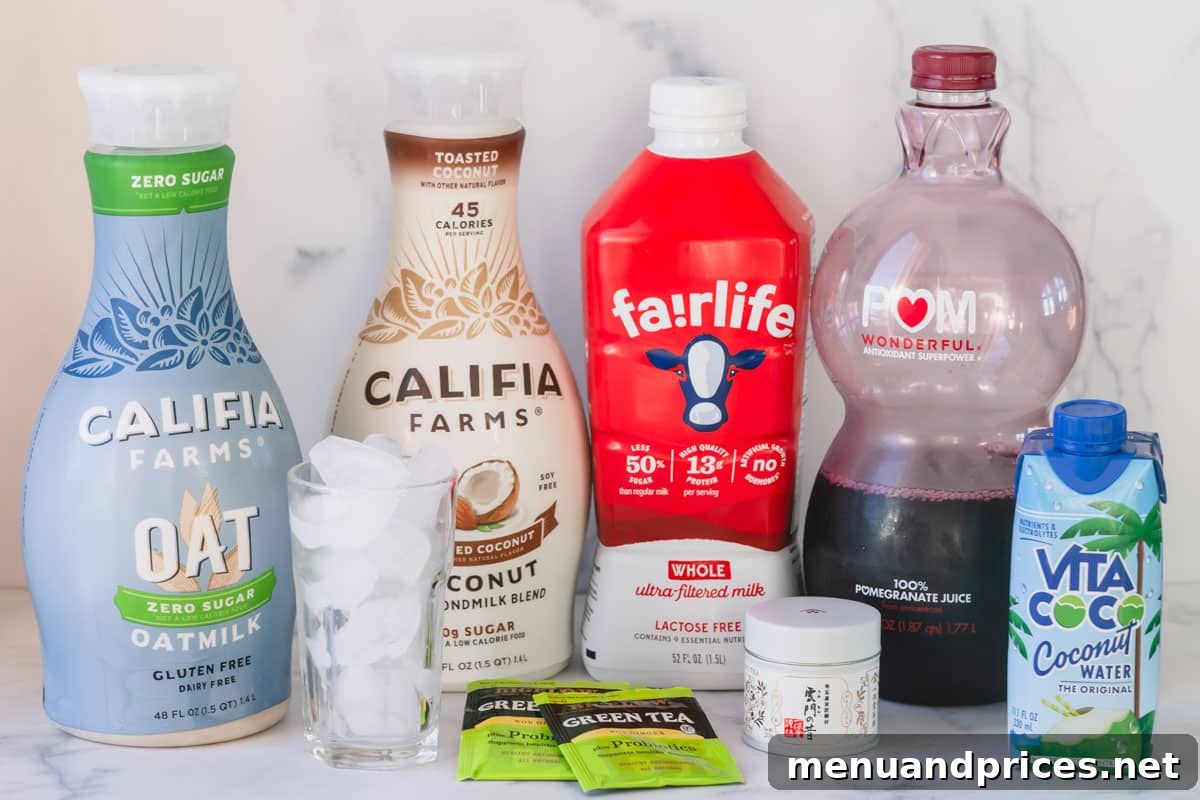
- Dairy Milk (Whole, Skim, etc.): Whole milk offers a rich, creamy texture due to its fat content, while skim milk provides a lighter option. It’s a classic choice that pairs well with most fruits and flavors.
- Plant-Based Milks: A popular and diverse category. Oat milk provides a naturally sweet and creamy profile, almond milk is lightly sweet and low-calorie, soy milk offers protein, and coconut milk adds a tropical richness. Hemp milk is another nutritious alternative. Each offers unique benefits and flavor notes.
- Coconut Water: An excellent source of electrolytes like potassium and sodium, making it perfect for post-workout recovery or a hydrating boost. Its unique, slightly sweet flavor is an acquired taste, so ensure you enjoy it on its own before adding it to your blends.
- Brewed Tea (Chilled): Green tea and matcha tea provide a natural caffeine boost and a wealth of antioxidants. Chilled hibiscus or chamomile tea can add unique floral notes and calming properties. Matcha pairs exceptionally well with berries and tropical fruits.
- Water (Cold): The simplest and most calorie-friendly option. Cold water is perfect when you want the primary flavors of your fruits and other ingredients to truly shine, especially in green smoothies or berry-banana blends.
- Fruit Juice (100% Not from Concentrate): While adding sweetness, juice can also significantly increase the sugar content of your smoothie. Opt for 100% fruit juice, not from concentrate, and use sparingly to avoid a sugar overload. Orange juice, apple juice, or pomegranate juice can add vibrant flavors.
- Canned Coconut Milk (Full-Fat): For those looking to increase calorie intake for weight gain smoothies or simply desire an extra rich, decadent texture, full-fat canned coconut milk is an excellent choice.
Boosters and Add-ins: For Enhanced Nutrition and Flavor
- Protein Powder: A fantastic way to boost the protein content of your smoothie, supporting muscle growth and satiety. Whey, casein, pea, rice, or hemp protein powders are popular options. Choose a flavor (vanilla, chocolate, unflavored) that complements your other ingredients. A single scoop can add up to 25 grams of protein!
- Nut Butters: As mentioned, these are superstars for healthy fats and protein. They also add a delightful creaminess and nutty flavor that complements both fruit and chocolate-based smoothies.
- Sweeteners: While frozen fruits provide natural sweetness, sometimes an extra touch is desired. Maple syrup, honey, agave nectar, or pitted dates (my favorite for their fiber and caramel-like sweetness) can be used. Dates, being a whole food, also contribute fiber.
- Cocoa Powder (or Cacao Powder/Nibs): For a rich, intensely chocolatey smoothie, Dutch-processed cocoa powder is ideal. For a more bitter, nutrient-dense option, cacao powder or crunchy cacao nibs add a deep chocolate flavor and antioxidants.
- Herbs & Spices: Don’t underestimate the power of aromatics! Cinnamon, nutmeg, ginger, turmeric, or pumpkin pie spice can add warmth and depth. Fresh mint or cilantro can offer a refreshing or exotic twist.
- Matcha Powder: Beyond its caffeine kick, matcha is a concentrated source of antioxidants, known for boosting metabolism and promoting calm focus. It pairs wonderfully with strawberries and other berries.
- Spirulina or Maca Powder: These “superfood” powders offer a concentrated dose of nutrients. Spirulina is a blue-green algae packed with protein and vitamins, while maca powder is an adaptogen known for energy and hormonal balance.
- Oats: A tablespoon or two of rolled oats can add thickness, fiber, and make your smoothie more filling, especially for breakfast.
Tasty Toppings: The Finishing Touch
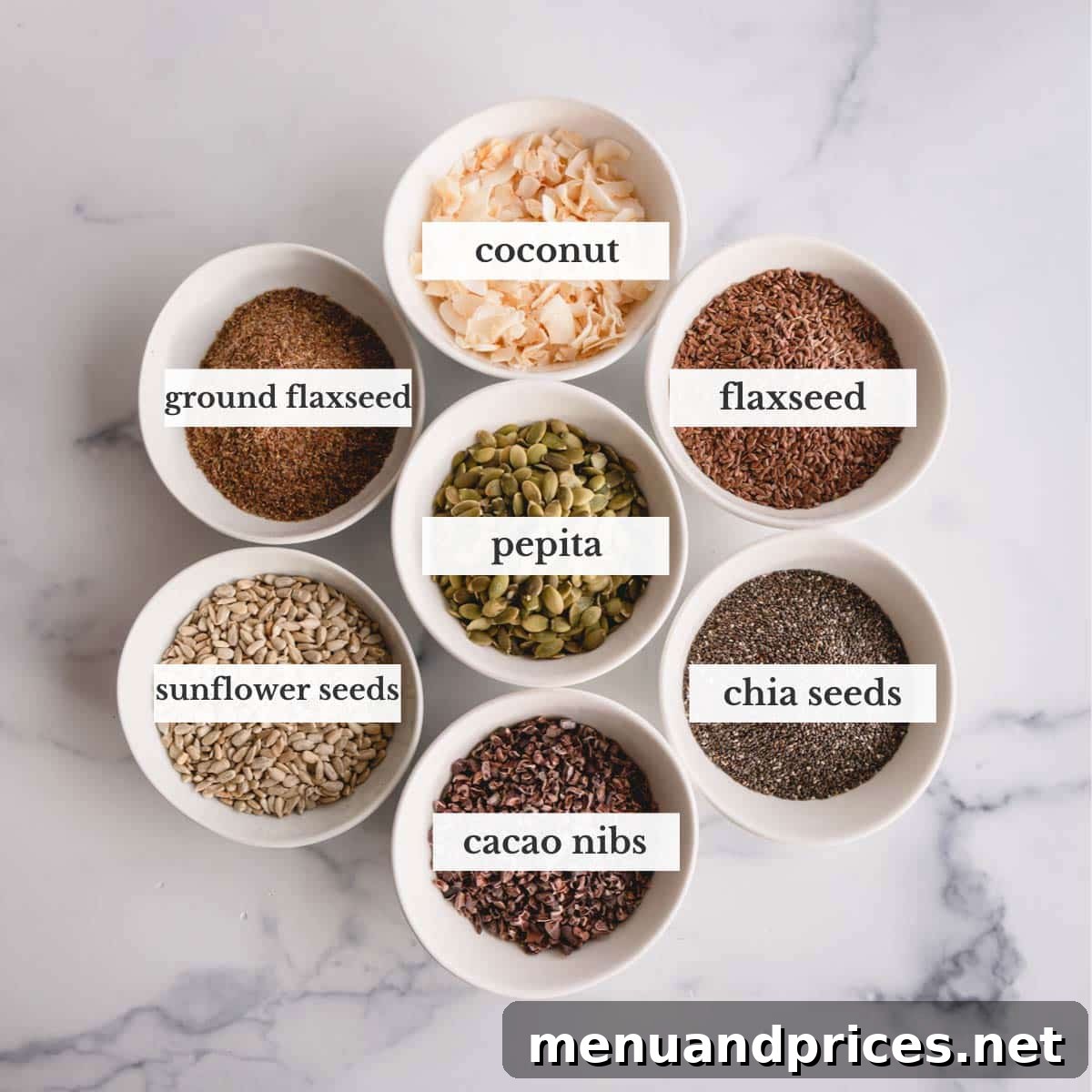
- Unsweetened Toasted Coconut Flakes: Offer a delightful nutty crunch and tropical flavor without added sugar. Perfect for enhancing tropical-themed smoothies or smoothie bowls.
- Granola: A classic topping for added crunch and substance. Always check the nutrition label for added sugars, or consider making your own homemade granola for a healthier option.
- Seeds (Chia, Flax, Hemp, Sunflower, Pepitas): These tiny powerhouses pack a big nutritional punch! They add texture, mild nuttiness, and are rich in plant-based nutrients, including omega-3 fatty acids and fiber.
- Fresh Fruit: A vibrant and colorful garnish. Sliced bananas, fresh berries, kiwi, mango chunks, or melon pieces elevate the visual appeal and provide a burst of fresh flavor.
- Cacao Nibs: These crunchy, bitter cacao pieces are one of my favorite toppings. Their intense, unsweetened chocolate flavor provides a wonderful contrast to the natural sweetness of a fruit smoothie.
- Chopped Nuts: Almonds, walnuts, pecans, or cashews add a satisfying crunch and healthy fats.
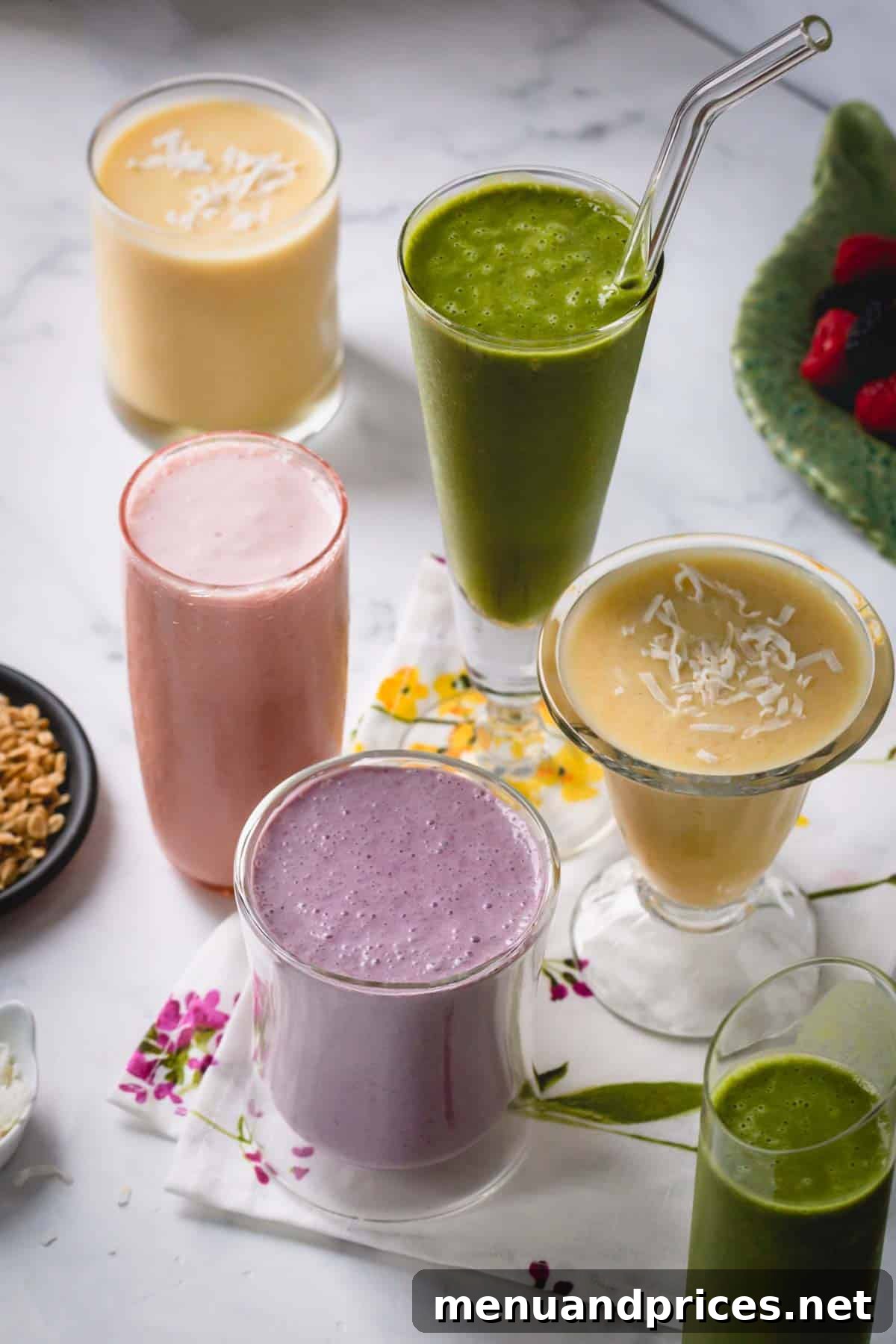
Step-by-Step: How to Make the Perfect Smoothie
Making a smoothie is an art that allows for experimentation. Don’t be afraid to adjust as you go; even slight modifications can transform an ‘okay’ smoothie into a ‘perfect’ one. Here’s a simple process to follow:
- Strategize Your Ingredients: Begin by envisioning your ideal smoothie. Remember the core components: a liquid base, a creamy element for texture, frozen fruit for sweetness and chill, and any desired nutritional boosters or flavor enhancers. Plan your flavor profile – do you want something tropical, berry-based, or green-focused?
- Layering for Optimal Blending: The order in which you add ingredients to your blender matters, especially if you don’t have a high-powered machine. Always start with liquids at the bottom, followed by soft ingredients (spinach, fresh fruit), then frozen fruits, and finally any powders or nuts on top. This helps the blender create a vortex, pulling everything down for an even blend.
- Blend Until Silky Smooth: Secure the lid and start blending on a low speed, gradually increasing to high. Blend until the mixture is completely smooth, thick, and consistent, with no discernible chunks of fruit or ice. This usually takes about 30-60 seconds, depending on your blender’s power. Use your blender’s tamper (if it has one) to push ingredients towards the blades if they get stuck.
- Taste and Adjust to Perfection: This is the crucial step! Taste a small spoonful. Is it too thick? Add a splash more liquid. Too thin? Toss in more frozen fruit or a few ice cubes. Not sweet enough? A teaspoon of maple syrup, honey, or another date can work wonders. If it lacks vibrancy, a squeeze of lemon or lime can brighten the flavors. Smoothies are incredibly forgiving, allowing you to fine-tune them to your exact preference.
Essential Smoothie Equipment: Blenders and Beyond
While the ingredients are important, having the right tools can elevate your smoothie-making experience. A quality blender is undoubtedly the star of the show.
- High-Speed Blender: The Ultimate Workhorse – For the smoothest, creamiest, and most consistent results, investing in a high-speed blender with a powerful motor is highly recommended. These machines effortlessly pulverize frozen fruits, fibrous greens, and nuts into a silky texture.
- Vitamix: Often considered the gold standard, a Vitamix is a significant investment but offers unparalleled performance and durability. It consistently produces exceptionally smooth textures and can handle tough ingredients with ease, making it a favorite among professional chefs and serious home cooks.
- Ninja: A fantastic mid-range option, Ninja blenders offer excellent power and versatility at a more accessible price point. Many models come with different pitcher sizes and even single-serve cups, making them ideal for various blending needs. They are known for their ability to crush ice and frozen ingredients effectively.
- Nutribullet: Perfect for single-serve smoothies, the Nutribullet is compact and incredibly easy to use and clean. The blending cup doubles as your drinking vessel, minimizing dishes. It’s great for quick, personal blends and delivers consistently smooth results for everyday ingredients.
- Food Processor: While not ideal for liquid-heavy smoothies, a powerful food processor can work in a pinch for very thick smoothie bowls, though the texture might be less uniform.
- Immersion Blender: For smaller batches or softer ingredients, an immersion blender can be a convenient tool, though it may struggle with large pieces of frozen fruit or tough greens.
Mastering the Blend: Pro Smoothie-Making Tips
- Be Mindful of Added Sugars: While smoothies are inherently healthy, it’s easy for them to become sugar bombs. Pay close attention to sweetened yogurts, concentrated fruit juices, canned fruits in syrup, and excessive use of sweeteners like honey or maple syrup. Prioritize whole fruits for natural sweetness.
- Ingredient Ratios are Key: Don’t be afraid to experiment and adjust. If your smoothie is too thick, add a splash more liquid. If it’s too thin, incorporate more frozen fruit or a handful of ice. If the flavor needs a lift, a bit more fruit, a squeeze of citrus, or a pinch of spice can make all the difference.
- Frozen Fruit Over Ice: For a superior texture and undiluted flavor, always opt for frozen fruit instead of relying solely on ice. Frozen fruit provides a consistently smooth and cold result, whereas too much ice can make a smoothie watery and less flavorful.
- Prep Ahead: For ultimate convenience, pre-portion your frozen fruits and greens into individual freezer bags. When you’re ready for a smoothie, just dump the bag into the blender, add your liquid and creamy elements, and blend!
- Don’t Over-blend Green Smoothies: Blending greens for too long can sometimes release bitter flavors. Blend until just smooth.
- Clean Your Blender Immediately: A quick rinse right after pouring your smoothie will prevent ingredients from drying and sticking, making cleanup much easier.
- Consider Smoothie Bowls: If you prefer to eat your smoothie with a spoon, reduce the liquid slightly to create a thicker consistency, perfect for topping with granola, seeds, and fresh fruit.
The Health Benefits of Incorporating Smoothies into Your Diet
Beyond their delicious taste and convenience, smoothies offer a wealth of health advantages that make them a valuable addition to any dietary regimen:
- Increased Nutrient Intake: Smoothies are an excellent way to pack a concentrated dose of vitamins, minerals, and antioxidants from various fruits and vegetables into a single serving. They make it easier to meet your daily recommended intake.
- Improved Digestion: The blending process breaks down the fibers in fruits and vegetables, making them easier for your body to digest and absorb nutrients. The fiber content also promotes gut health and regularity.
- Sustained Energy Levels: By combining complex carbohydrates from fruits, healthy fats from avocados or nut butters, and protein from yogurt or protein powder, smoothies can provide a sustained release of energy, preventing sugar crashes.
- Weight Management Support: When made with balanced ingredients, smoothies can be a satisfying and calorie-controlled meal replacement or snack that helps keep you full, potentially aiding in weight management.
- Hydration: Many smoothie ingredients, especially fruits and liquids like coconut water, contribute to your daily fluid intake, helping you stay well-hydrated.
- Convenience and Versatility: Smoothies are incredibly quick to prepare, making them perfect for busy mornings or post-workout fuel. Their customizable nature allows you to tailor them to your specific dietary needs and taste preferences.
Smoothie FAQs: Your Questions Answered
Making a basic smoothie is incredibly simple! Start with 1 cup of your preferred liquid (milk, water, juice), add 1 cup of frozen fruit (like mixed berries or a banana), and include a creamy element such as ½ cup of Greek yogurt or a quarter of an avocado. Combine all ingredients in a blender, starting with liquids, and blend until thick, creamy, and perfectly smooth. Adjust consistency and sweetness to your liking.
The choice between milk and water depends on your desired flavor, texture, and nutritional goals. Milk (dairy or plant-based) will yield a richer, creamier texture and often adds more calories and protein. Water, on the other hand, creates a lighter, less caloric smoothie and allows the fruit flavors to truly stand out. If using water, ensure you include a creamy element like a banana, yogurt, or cottage cheese to prevent a watery consistency.
Yes, you can certainly use fresh fruit! However, fresh fruit will result in a less thick and cold smoothie. To achieve a chilled consistency without diluting the flavor, you’ll need to add ice cubes. For best results, use a combination of fresh and frozen fruit, or freeze your fresh fruit beforehand.
To thicken your smoothie, add more frozen ingredients (frozen fruit, frozen spinach), a creamy element (banana, avocado, yogurt, nut butter), or a spoonful of chia seeds or oats. Reducing the amount of liquid base will also contribute to a thicker consistency.
While smoothies are best enjoyed fresh, you can certainly prepare them slightly in advance. Store them in an airtight container or a jar with a lid in the refrigerator for up to 24 hours. Some separation may occur, so give it a good shake or re-blend briefly before drinking. Adding a squeeze of lemon or lime juice can also help reduce oxidation.
More Smoothie Inspirations and Recipes
Now that you’re equipped with the knowledge to create your own amazing blends, why not try some tried-and-true recipes?
- Rainbow Smoothie: A Visually Stunning and Nutritious Treat
- Strawberry Pear Smoothie: A Sweet and Refreshing Blend
- Pear Kiwi Banana Smoothie: Tropical Flavors in Every Sip
★★★★★
Easy Everyday Smoothie
Shinee Davaakhuu
This mixed berry smoothie is sweet, refreshing, and packed with protein! It makes a filling on-the-go breakfast or nutritious snack.
5 mins
0 mins
5 mins
1 serving
Comment
Print Recipe
Ingredients
- ½ cup frozen mixed berries
- 1 banana
- ½ cup Greek yogurt
- ½ cup coconut water
- 1 scoop vanilla protein powder
Equipment
-
high-speed blender
Instructions
-
Place all the ingredients in a blender. Blend until smooth, about 60 seconds, and serve!
⭐️ Did you make this recipe?
Please leave a review and let us know how you liked it!
Nutrition
Did you make this?
Leave a rating and your feedback. Thank you!