
Embark on the ultimate journey to find your perfect watermelon! This comprehensive guide will equip you with the essential knowledge to select a ripe, sweet, and juicy watermelon every time. Learn the tell-tale signs of a ready-to-eat melon, discover the diverse world of watermelon varieties, and unlock creative ways to enjoy this iconic summer fruit. Get ready to elevate your summer snacking experience with the freshest, most delicious watermelons.
There’s nothing quite like the quintessential taste of summer embodied in a crisp, sweet slice of watermelon. As the sun shines brighter and temperatures rise, this vibrant fruit becomes the star of backyard barbecues, beach picnics, and refreshing poolside snacks. Its bright red, sugary flesh and hydrating properties make it an irresistible treat that effortlessly captures the essence of the season.
But how do you ensure that every watermelon you bring home is a winner? The quest for the perfect watermelon can sometimes feel like a gamble. Fear not, fellow fruit enthusiasts! This guide is your ultimate companion to navigating the produce aisle with confidence. We’ll delve into the secrets of seasoned watermelon pickers, explore the fascinating differences between popular varieties, and inspire you with myriad ways to incorporate this versatile fruit into your summer culinary adventures.
From understanding the subtle visual cues to mastering the art of the “thump test,” you’ll soon be a watermelon connoisseur, ready to enjoy the sweetest, juiciest melon every single time. So, before summer officially rolls around and watermelons begin to flood the markets, let’s arm you with all the knowledge you need to select, store, and savor this beloved summertime staple.
Mastering the Art of Selection: Your Guide to Picking the Sweetest Watermelon
While watermelons can often be found year-round in many supermarkets, their peak season for ripeness and flavor typically runs between May and September. During these warmer months, watermelons are abundant, allowing for a better selection. To ensure you’re choosing a truly sweet, crisp, and juicy melon, keep an eye out for these five definitive signs:
The 5 Essential Signs of a Ripe and Sweet Watermelon:
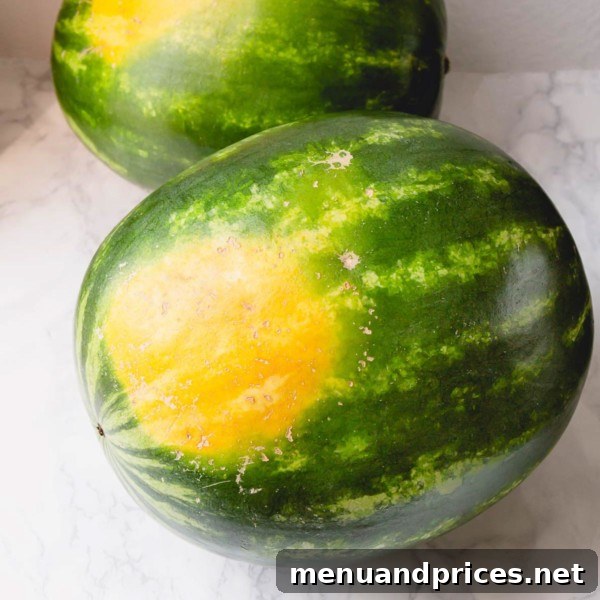
- 1. The Distinctive Field Spot (Belly Spot): This is arguably the most crucial indicator of a watermelon’s ripeness. A deep yellow or even orange-yellow patch on the underside of the watermelon signifies that it spent ample time ripening on the vine. This spot, also known as the field spot or belly spot, is where the melon rested on the ground. The darker and more pronounced the yellow, the longer it ripened in the sun, concentrating its sugars. Conversely, avoid watermelons with pale white, light yellow, or greenish patches, as these often indicate the fruit was picked prematurely and won’t be as sweet or flavorful.
- 2. A Dark, Dull Exterior Color: Don’t be fooled by shiny watermelons! A ripe watermelon typically boasts a dark, dull green color, sometimes with visible striations depending on the variety. A shiny, glossy rind is often a sign of an unripe melon. As watermelons mature, their skin tends to lose its sheen, developing a more subdued appearance. Look for a uniform, rich green hue that isn’t overly vibrant or reflective.
- 3. Heavier Than Expected for Its Size: Sweet watermelons are full of water and sugar, making them surprisingly heavy. When you lift a watermelon, it should feel substantial and dense for its size. This density is a direct correlation to its juiciness and internal moisture content. Don’t hesitate to compare a few watermelons of similar dimensions; always opt for the one that feels heaviest. A lighter-than-expected watermelon might indicate it’s dry or underripe.
- 4. A Deep, Hollow Sound Upon Tapping: The classic “thump test” is a time-honored method for assessing ripeness. Gently knock on the watermelon’s rind with your knuckles or the palm of your hand. You’re listening for a deep, hollow sound that resonates. This indicates a crisp, juicy interior with a good structure. If you hear a dull, flat thud, the watermelon might be overripe and mushy. A high-pitched or tight sound, on the other hand, could mean it’s underripe. Practice on a few melons to get a feel for the subtle differences in sound.
- 5. A Firm and Intact Rind: The rind of a ripe watermelon should be firm and consistent all over. Gently press on various spots of the rind. You want to feel a uniform firmness without any soft or squishy areas. Soft spots are a red flag, indicating bruising, damage, or an overripe, potentially spoiled interior. A firm rind ensures the fruit is fresh and has maintained its structural integrity.
Discovering the Diverse World of Watermelon Varieties
While many of us visualize the classic large, green melon, the world of watermelons is incredibly diverse, boasting over 300 distinct varieties grown globally, including extensively throughout the United States and South America. These varieties offer a spectrum of sizes, shapes, colors, and flavor profiles, making them suitable for various preferences and occasions. They can generally be categorized into four primary types, each with its unique characteristics:
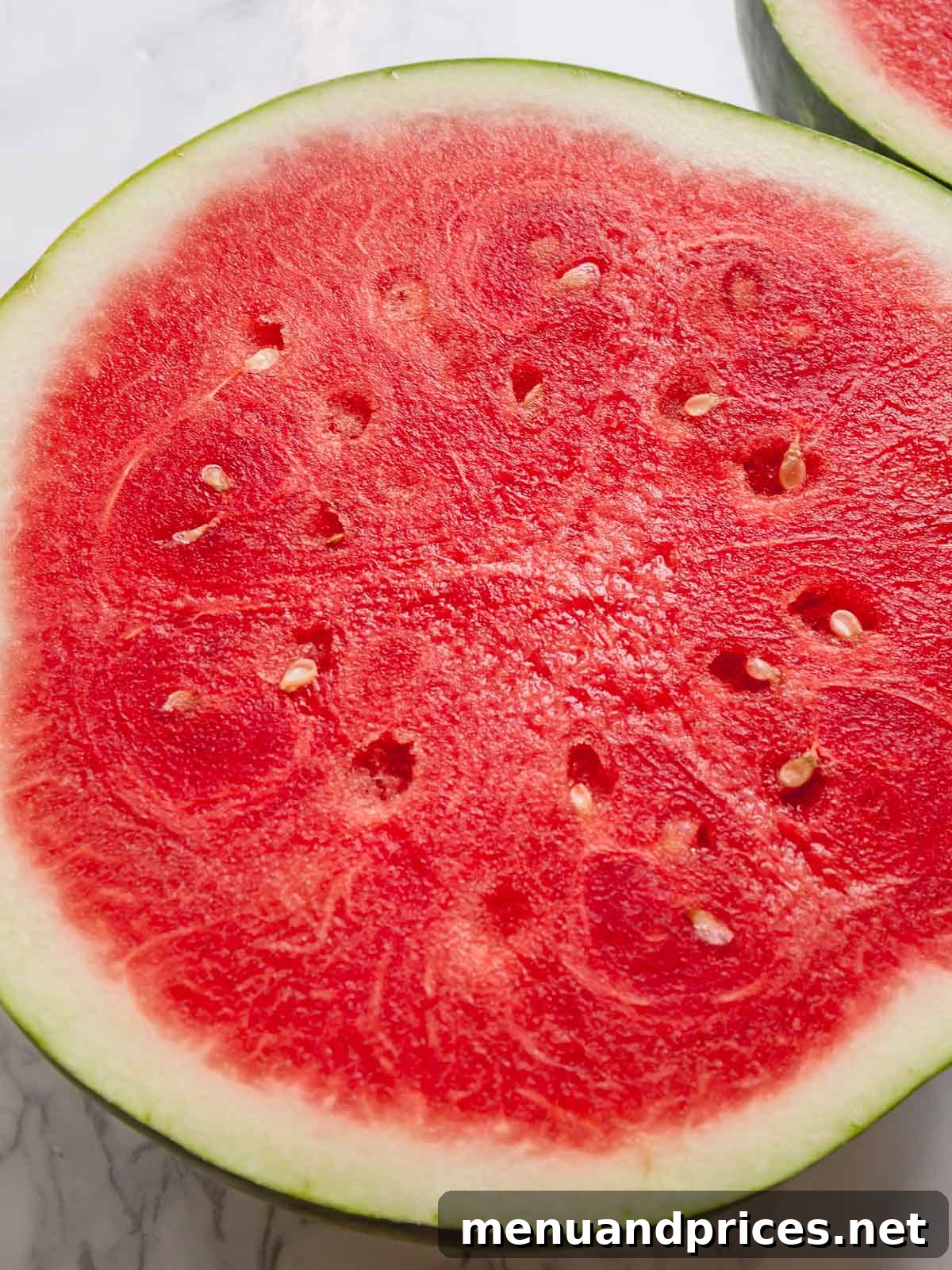
- 1. Seedless Watermelons: A modern marvel of horticulture, seedless watermelons are a hybrid variety that produces only immature, soft, white seed coats, making them incredibly convenient to eat without the hassle of spitting out seeds. Developed through a cross-pollination process, these watermelons are a favorite for those seeking an effortless snacking experience. Despite the lack of mature seeds, they retain the classic sweet flavor and juicy texture. Common seedless varieties include ‘Millionaire’ and ‘Crimson Trio’.
- 2. Picnic Watermelons: True to their name, picnic watermelons are the large, traditional melons ideal for feeding a crowd at gatherings, parties, and picnics. These are what most people envision when they hear “watermelon.” Typically oblong or round, they feature a vibrant deep red flesh, a thick green rind (often with darker stripes), and prominent black seeds. They can grow quite large, often weighing between 15 to 45 pounds. Popular picnic varieties include ‘Crimson Sweet,’ known for its high sugar content, and ‘Jubilee,’ recognized by its distinct light green rind with dark green stripes.
- 3. Yellow and Orange-Fleshed Watermelons: Offering a delightful twist on the conventional red, these varieties stand out with their sunny yellow or vibrant orange flesh. Their unique coloration is due to the presence of beta-carotene, the same pigment found in carrots, rather than lycopene. Flavor-wise, they often present a slightly different, sometimes even sweeter and more honey-like taste, with subtle apricot or tropical notes. Varieties like ‘Yellow Doll’ and ‘OrangeGlo’ are popular choices for those looking to surprise their taste buds and add a pop of color to their fruit platters.
- 4. Icebox Watermelons: Perfect for smaller families or individuals with limited refrigerator space, icebox watermelons are compact, lighter melons designed to fit conveniently in your fridge. These personal-sized fruits typically weigh between 5 to 15 pounds. Despite their smaller stature, they are packed with flavor and sweetness. Two well-known icebox varieties are the ‘Sugar Baby,’ a round, dark green melon with sweet, firm red flesh, and the ‘Tiger Baby,’ which features distinctive striped rinds and a delicious red interior. Their manageable size makes them an excellent choice for a quick snack or a single serving.
Creative Culinary Adventures: More Than Just a Slice!
Now that you’ve mastered the art of picking a perfectly ripe and sweet watermelon, it’s time to unleash its full potential! This incredibly refreshing and versatile fruit can be enjoyed in countless creative ways beyond simply slicing it up. You may be delightfully surprised by the array of delicious and thirst-quenching recipes and ideas that incorporate watermelon:
- Refreshing Beverages: Blend cubed watermelon into a smooth puree and use it to craft delightful drinks. Create a sweet and boozy frozen daiquiri, or mix it with sparkling water and a touch of mint for a vibrant minty watermelon soda. For a kid-friendly option, blend it with lime juice to create your favorite summer mashup – homemade watermelon lemonade!
- Icy Treats: Pour pureed watermelon into popsicle molds and freeze for an ultimate refreshing treat on a scorching hot day. You can also make a simple watermelon sorbet or granita by blending it with a little lime juice and freezing it, stirring occasionally.
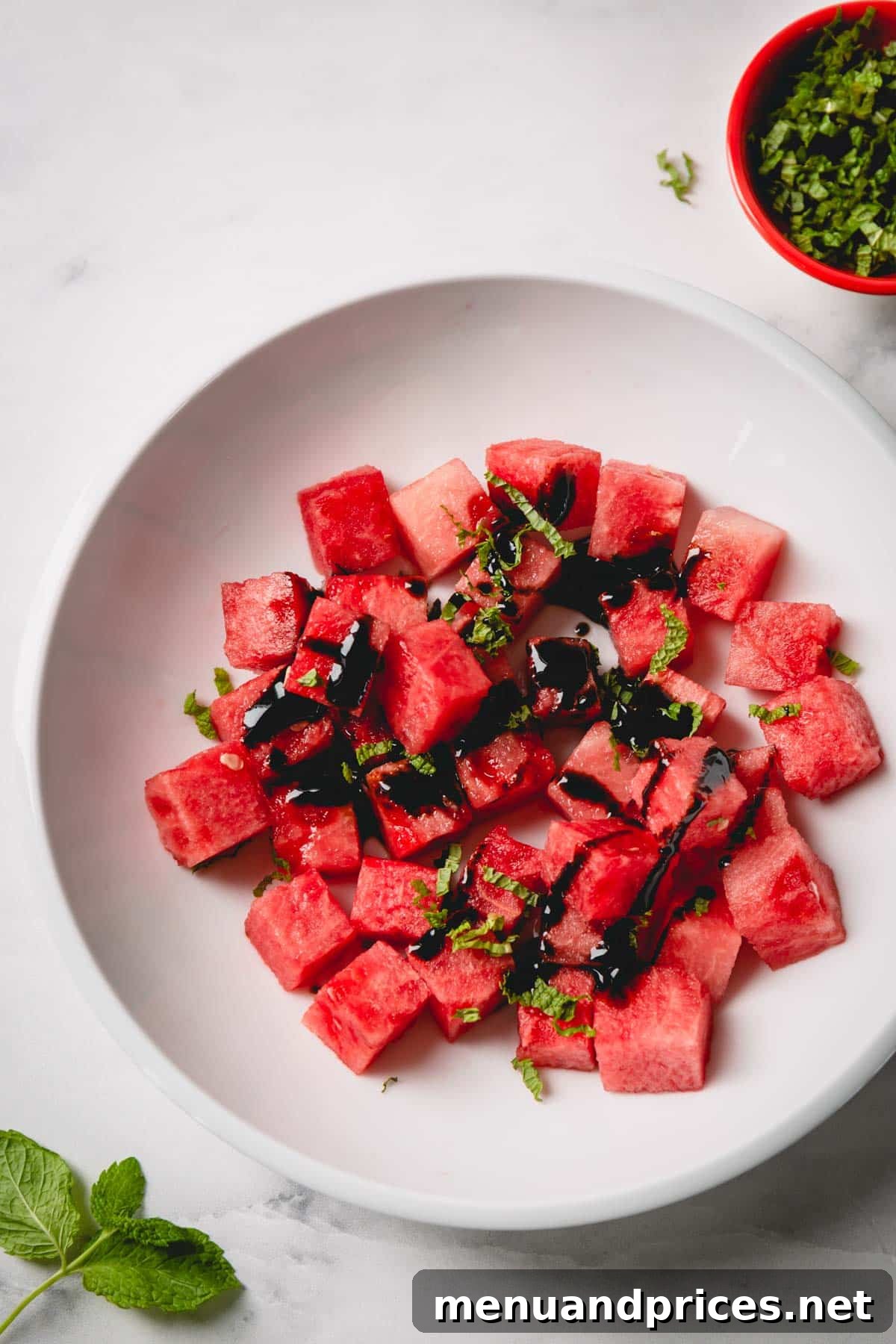
- Elevated Salads: Watermelon’s sweetness pairs beautifully with savory elements in salads. Toss cubed watermelon with fresh salad greens, crumbled feta cheese, and a drizzle of balsamic glaze for a nutrient-packed and uniquely flavorful salad. For a vibrant twist, try this refreshing watermelon feta salad, often enhanced with red onion, cucumber, and fresh mint.
- Savory Appetizers and Snacks: Experience a delightful sweet-and-heat sensation by sprinkling cubed watermelon with a dash of chili powder and a squeeze of fresh lime juice. This popular Mexican-inspired snack is incredibly addictive. Watermelon also makes a fantastic base for fresh salsas, paired with jalapeño, red onion, and cilantro.
- Grilling Watermelon: For an unexpected gourmet treat, try grilling thick slices of watermelon. The heat caramelizes its natural sugars, intensifying the sweetness and adding a smoky depth. Serve grilled watermelon as a side dish, in salads, or even as a unique dessert with a dollop of yogurt or a drizzle of honey.
- Infused Water: For simple hydration with a twist, add chunks of watermelon, cucumber, and mint to a pitcher of water. Let it infuse in the refrigerator for a few hours to create a subtly flavored and incredibly refreshing drink.
The Sweet Benefits: Unpacking Watermelon’s Nutritional Powerhouse
Beyond its delicious taste and refreshing texture, watermelon is also a nutritional powerhouse, offering a host of health benefits. Its incredibly high water content, approximately 92%, makes it an excellent choice for staying hydrated, especially during the hot summer months. But its benefits extend far beyond simple hydration. Watermelon is low in calories and packed with essential vitamins, minerals, and antioxidants:
Nutritional Breakdown (Per 1 cup of diced watermelon, approximately 152 grams):
- Calories – 46: A low-calorie treat, perfect for guilt-free enjoyment.
- Fat – 0.2 grams: Virtually fat-free, making it a healthy snack option.
- Sodium – 1.5 mg: Very low in sodium, contributing to heart health.
- Carbohydrates – 11.5 grams: Provides natural sugars for energy.
- Fiber – 0.6 grams: While not exceptionally high, it contributes to digestive health.
- Sugar – 9.4 grams: Natural fruit sugars provide sweetness without added refined sugars.
- Protein – 0.9 grams: A small amount of plant-based protein.
- Vitamin C – 12.3 mg (approximately 14% of Daily Value): A powerful antioxidant crucial for immune function, skin health, and wound healing.
- Vitamin A – 42.6 mcg (approximately 5% of Daily Value): Important for vision, immune function, and cell growth.
- Potassium – 170 mg (approximately 4% of Daily Value): An essential electrolyte that helps regulate fluid balance, nerve signals, and muscle contractions, contributing to healthy blood pressure.
- Magnesium – 15 mg (approximately 4% of Daily Value): Involved in over 300 biochemical reactions in the body, supporting muscle and nerve function, blood glucose control, and blood pressure regulation.
Beyond the Basics: Key Antioxidants and Amino Acids:
- Lycopene: Watermelon is an excellent source of lycopene, a potent antioxidant responsible for its red color. Lycopene is associated with various health benefits, including reducing the risk of certain cancers (especially prostate cancer) and promoting cardiovascular health. Its bioavailability increases when stored at room temperature before eating.
- Citrulline: This amino acid is found abundantly in watermelon, particularly in the white rind, and is converted into arginine in the body. Arginine plays a vital role in nitric oxide production, which helps relax blood vessels, improving blood flow and potentially benefiting heart health and reducing muscle soreness after exercise.
- Cucurbitacin E: A phytonutrient with anti-inflammatory properties, found in watermelon, which may help protect the body from oxidative stress.
Enjoying watermelon is a delicious and effortless way to boost your nutrient intake, stay hydrated, and support your overall well-being throughout the summer and beyond.
Your Watermelon Questions Answered: Frequently Asked Questions
A ripe watermelon should be firm and uniform. To check for spoilage, look for soft, mushy, or discolored spots on the rind, which indicate deterioration. If the flesh inside appears noticeably dark, mushy, slimy, or has visible mold, it has definitely gone bad. Additionally, a sour, fermented, or off-putting smell is a strong indicator that the watermelon is no longer safe to eat. When in doubt, it’s always best to discard it.
Yes, watermelon seeds are perfectly edible and safe to consume. If you eat them raw, your body typically won’t digest them, and they will simply pass through your system. However, they do contain a small amount of nutrients, including magnesium, zinc, protein, and healthy fats. To truly reap these benefits, the seeds are best consumed when they are sprouted, roasted, or ground, which makes their nutrients more bioavailable. Roasted watermelon seeds make a surprisingly delicious and nutritious snack!
While several signs point to a sweet watermelon, one of the most reliable indicators is the field spot (or belly spot) on the rind. This is the pale yellow or orange-yellow patch where the watermelon rested on the ground while ripening. The bigger and deeper yellow (or even orange) the spot, the longer the melon had to mature on the vine, resulting in higher sugar content and a sweeter flavor.
Whole, uncut watermelons can be stored at room temperature for up to two weeks. Once you cut a watermelon, it should be tightly wrapped in plastic or placed in an airtight container and refrigerated. Cut watermelon will stay fresh in the refrigerator for about 3-5 days. For longer storage, you can cube and freeze watermelon, although its texture will change, making it best for smoothies or frozen desserts.
To safely and easily cut a large watermelon, start by slicing off both ends to create flat, stable surfaces. Place the watermelon on one of the flat ends and carefully slice downwards through the rind to remove it in strips, working your way around the melon until all the green rind and white pith are gone. You’ll be left with a large, red cylinder of flesh. From there, you can cut it into rounds, half-moon slices, cubes, or spears, depending on your preference. A large, sharp chef’s knife is essential for safety and efficiency.
Armed with this comprehensive guide, you are now ready to confidently select, enjoy, and celebrate the magnificent watermelon all summer long. From understanding the nuanced signs of ripeness to exploring its diverse varieties and countless culinary applications, you’re well-equipped to make the most of this ultimate summer fruit. So go ahead, pick your perfect melon, experiment with new recipes, and let the sweet, refreshing taste of watermelon be a highlight of your season!