
Welcome to your ultimate guide to mastering the world of juicy peaches! Often hailed as the crown jewel of summer fruits, peaches are more than just a sweet treat. They’re a versatile ingredient, a nutritional powerhouse, and a symbol of warm weather bliss. In this comprehensive guide, we’ll dive deep into everything you need to know: from understanding their distinct varieties and picking the perfect fruit, to practical techniques for peeling, storing, and freezing them. Get ready to explore a vibrant collection of delicious peach recipes that will inspire your culinary adventures all season long. Peach 101 starts now!
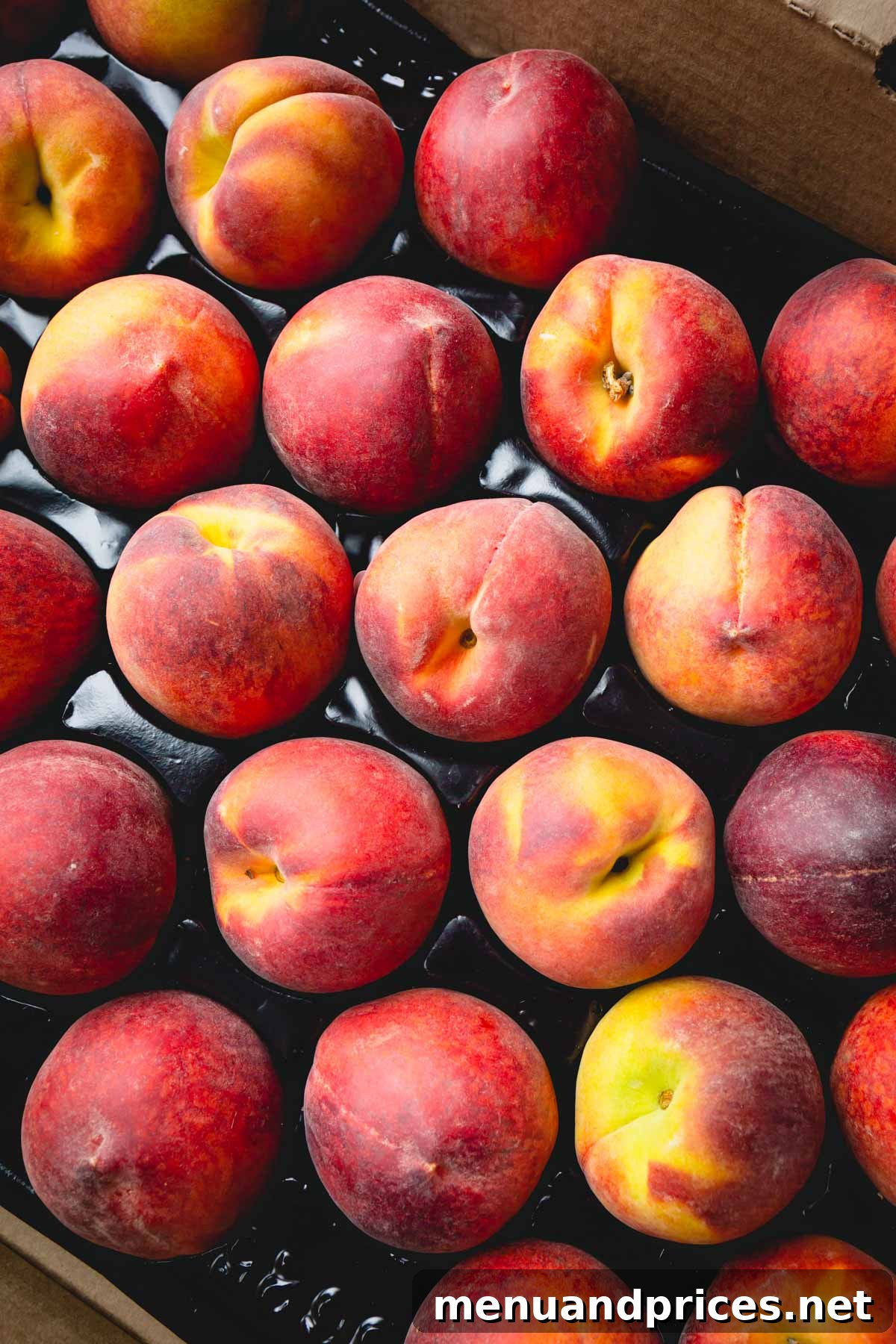
For many, the arrival of summer is synonymous with the vibrant return of peach season. As grocery store aisles and bustling farmer’s markets begin to overflow with these naturally sweet, fragrant fruits, a sense of pure delight is inevitable. There’s something truly special about biting into a perfectly ripe peach, with its soft, fuzzy skin giving way to succulent, aromatic flesh that drips with nectar.
Beyond their irresistible flavor, these beautiful pinkish-orange fruits are a treasure trove of feel-good nutrients, offering a delicious way to boost your health. Their natural sweetness and delicate aroma make them a star ingredient in countless dishes, from comforting cobblers and pies to refreshing salads and vibrant beverages.
Peach season, much like summer itself, is fleeting. So, let’s embrace this delightful summertime staple and learn how to make the absolute most of every single peach. We’ll begin by exploring the fascinating world of peach varieties, ensuring you choose the right peach for every culinary creation.
Discovering Peach Varieties: A Sweet Exploration
A peach is a captivating stone fruit, characterized by its rounded shape, often fuzzy skin that blushes in shades of pink, yellow, or orange, and its juicy flesh that can be either white or yellow. Naturally low in acidity and generously high in natural sugars, peaches are exceptionally versatile, perfect for simple snacking or transforming into elaborate baked goods.
Clingstone vs. Freestone Peaches: The Core Difference
While hundreds of unique peach varieties exist globally, they all fundamentally fall into one of two primary categories based on how their flesh attaches to the pit: clingstone and freestone peaches. Understanding this distinction is key to successful peeling and preparation.
Freestone peaches are arguably the most popular type found in common grocery stores, and for good reason. They are typically larger and incredibly juicy, boasting a pit that easily separates from the sweet, tender flesh. This “freestone” characteristic makes them exceptionally convenient for slicing, dicing, and preparing for recipes where the pit needs to be removed quickly and cleanly. Their ease of preparation makes them a favorite for home cooks and bakers.
Clingstone peaches, on the other hand, are generally a bit smaller and often sweeter than their freestone counterparts. As their name suggests, the pit of a clingstone peach “clings” firmly to the flesh, making it more challenging to remove cleanly. Due to this characteristic, clingstone peaches are typically favored for commercial canning and processing, as their firmer flesh holds up well to cooking and their intense sweetness is ideal for preserves. While less common in fresh produce sections, your best chance of finding fresh clingstone peaches is often at a local farmer’s market, where small-scale growers might offer them during their peak season.
White vs. Yellow Peaches: Flavor and Texture Nuances
Beyond the clingstone/freestone distinction, peaches also vary significantly in their flesh color, primarily categorized as white-fleshed or yellow-fleshed. The difference goes beyond mere aesthetics, extending to distinct flavor profiles and textural qualities, which influence their best culinary applications.
A yellow-fleshed peach typically offers a more acidic profile, resulting in a wonderfully balanced sweet yet tart flavor. This tangy undertone gives yellow peaches a robust character that stands up well to various cooking methods. Their slightly firmer flesh makes them an ideal choice for baking into pies, cobblers, and tarts, grilling to perfection, or sautéing for savory dishes, as they maintain their shape and texture beautifully.
In contrast, white-fleshed peaches are predominantly sweet, often described as having a delicate, almost floral-like flavor. They possess a lower acidity, which contributes to their gentle sweetness. White peaches are generally softer in texture and tend to bruise more easily. While absolutely divine for eating fresh out of hand, their soft nature makes them less suitable for baking applications, as they can quickly turn mushy in the heat of an oven. They are best enjoyed raw, sliced into salads, or gently incorporated into no-bake desserts.
How to Select the Perfect Peach
Choosing a ripe, flavorful peach is crucial for the best eating experience. Here’s what to look for when you’re at the market:
- Color: Look for peaches with vibrant, rich colors—yellow peaches should have deep golden hues with red or pink blush, while white peaches should be creamy white with some pink. Avoid peaches with green undertones, as this indicates they are not yet ripe.
- Smell: A truly ripe peach will have a distinct, sweet, and fragrant aroma. If you can’t smell anything, it’s likely not ready to eat. Don’t be shy; give it a good sniff!
- Feel: Gently cup the peach in your hand. A ripe peach should yield slightly to gentle pressure, especially around the stem end. Avoid peaches that are rock-hard (underripe) or excessively soft and mushy (overripe or bruised).
- Skin: The skin should be smooth but fuzzy, without any significant bruises, wrinkles, or dark spots. A few minor blemishes are natural, but large soft spots indicate damage.
- Weight: A ripe peach will feel heavier than it looks, indicating it’s full of juice.
Remember, appearances can sometimes be deceiving. Always prioritize aroma and a gentle give over just color when selecting your peaches.
How to Easily Peel Peaches: The Blanching Method
While peach skin is edible, some recipes, especially those for smooth purees, certain baked goods, or elegant presentations, require peeled peaches. Unlike apples or oranges, peach skin doesn’t peel away easily with a simple peeler, particularly when ripe and soft. Fortunately, there’s a classic, incredibly simple, and effective method to remove the skin with minimal effort: blanching.
This technique uses temperature changes to loosen the skin from the flesh without cooking the peach itself, resulting in a perfectly smooth, ready-to-use fruit. Here’s a step-by-step guide to easily peel one peach or a whole bounty of them for your next recipe:
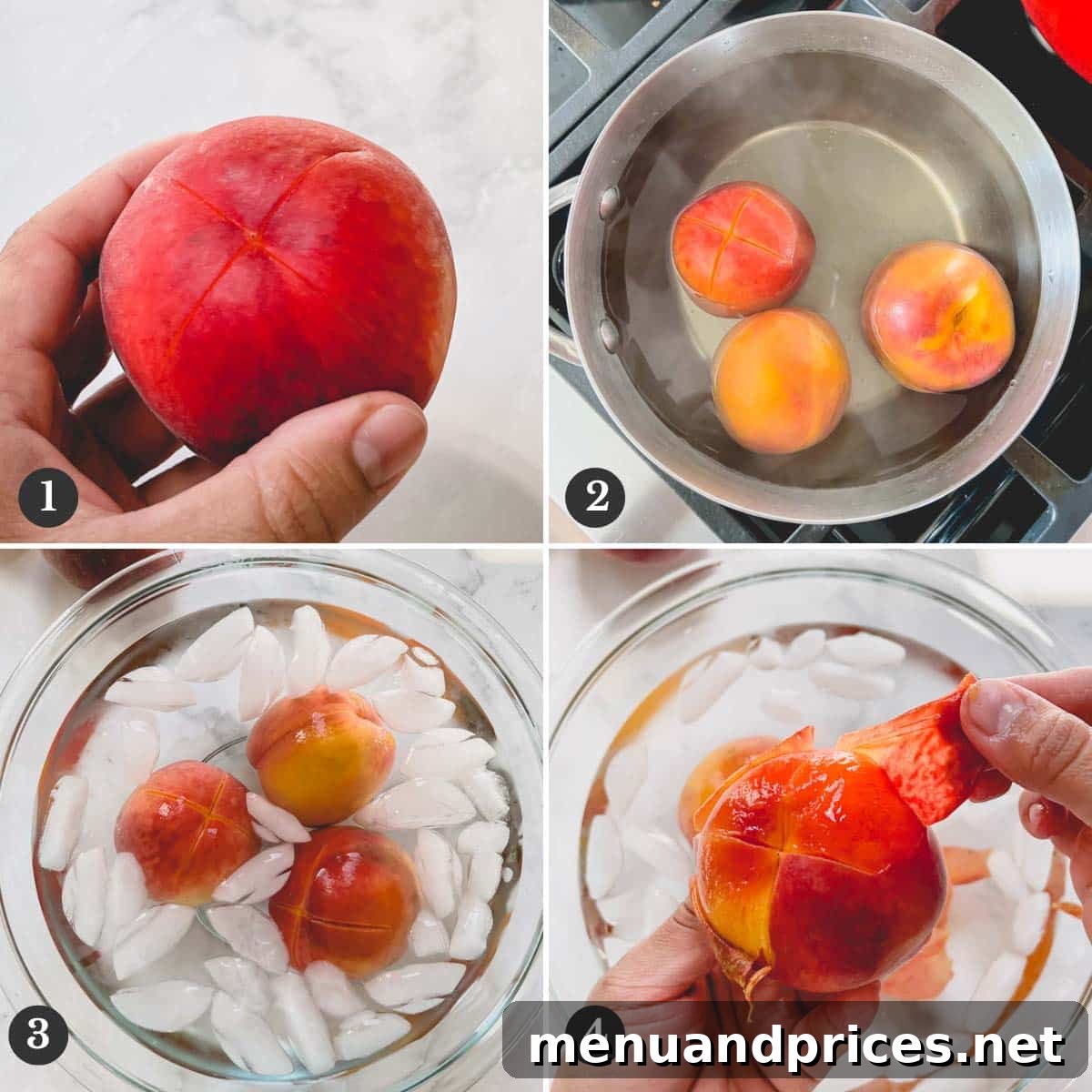
- Prepare the Water Baths: Begin by bringing a large pot of water to a rolling boil. Once boiling, reduce the heat slightly to maintain a gentle simmer. Simultaneously, prepare a large bowl filled generously with ice water. This ice bath is crucial for stopping the cooking process immediately after blanching.
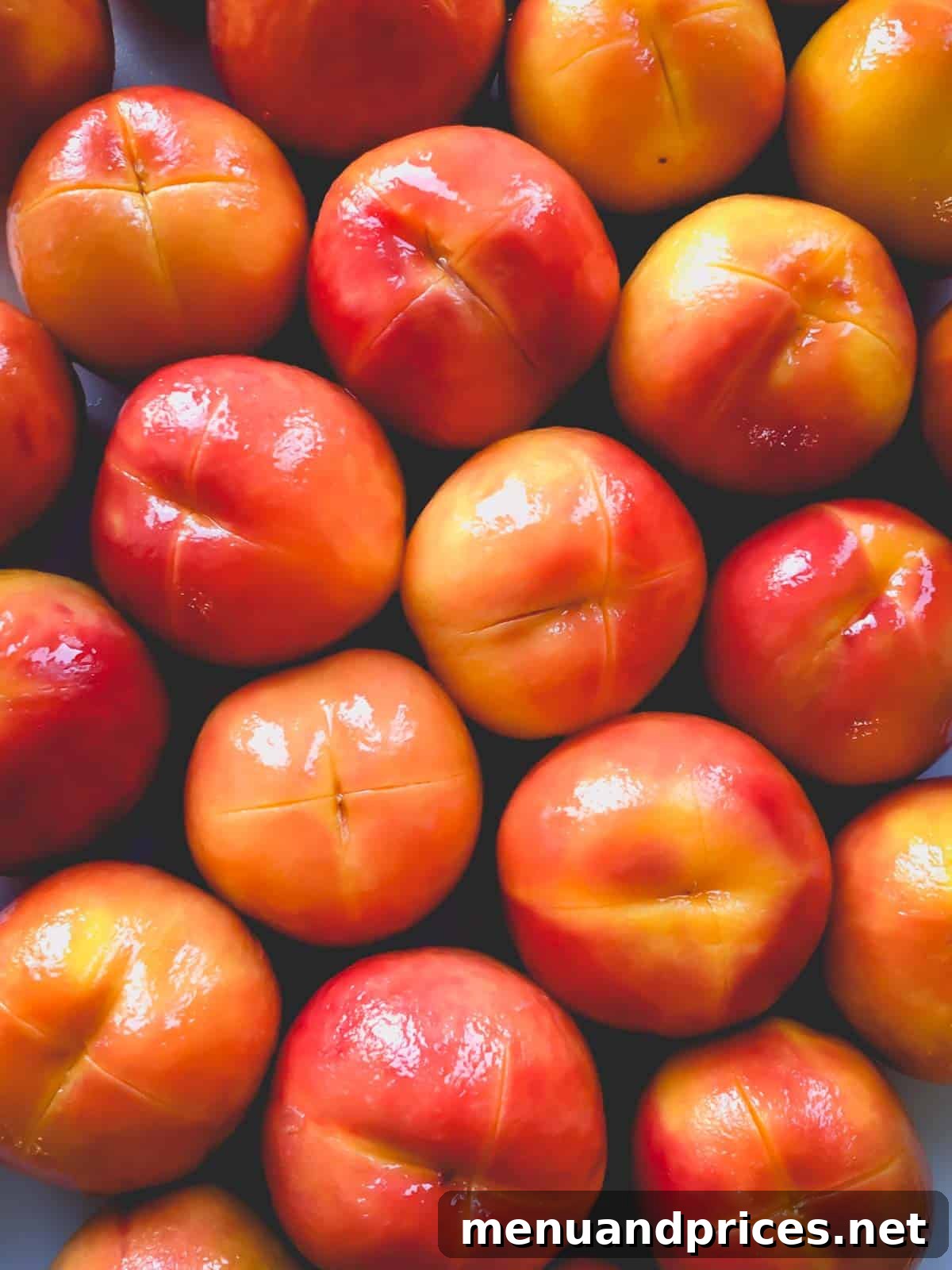
- Score the Peaches: Using a sharp paring knife, carefully cut a large but shallow “X” into the bottom of each peach. Make sure the cut only breaks the skin and doesn’t go deep into the flesh. This “X” acts as a starting point for the skin to easily peel away once loosened.
- Blanch the Peaches: Gently submerge the scored peaches into the simmering water. Blanch them for approximately 30 to 60 seconds. The exact time depends on the ripeness and size of your peaches; very ripe peaches may need less time, while firmer ones might require slightly more. You’ll notice the skin around the “X” beginning to wrinkle and loosen.
- Shock in Ice Water: Using a slotted spoon or a spider skimmer, swiftly transfer the blanched peaches from the hot water directly into the prepared ice water bath. Allow them to cool there for a minute or two. This shocking process immediately halts the cooking, ensuring your peaches remain firm and fresh, and also makes them easier to handle.
- Peel with Ease: Once the peaches are cool enough to comfortably handle, remove them from the ice water. You will find that the skin now slips off effortlessly. Starting from the “X” you scored earlier, gently pull the skin away from the peach using your fingers or the tip of your paring knife. It should come off in large strips, revealing the smooth, unblemished flesh underneath.
Important Tip: Avoid Over-Blanching!
The key to successful peach peeling is not to over-blanch them. Leaving peaches in hot water for too long will soften their flesh, potentially turning them mushy and unsuitable for many recipes. They only need just enough time in the hot water to loosen the peel, typically under a minute. The moment you see the skin crinkle, they’re ready for the ice bath!
How to Properly Store Peaches for Lasting Freshness
If you’re anything like us, it’s hard to leave the store without a generous haul of peaches during peak season! Proper storage is essential to extend their freshness and ensure you enjoy them at their very best. Peaches are delicate and their storage needs change depending on their ripeness. Here’s everything you need to know to store your beautiful peaches correctly:
- Immediately Enjoy Ripe Peaches: If your fresh peaches give slightly when you gently touch them and emit a sweet fragrance, they are perfectly ripe and ready to be enjoyed! These beauties are at their peak flavor and texture and should be eaten within a day or two for the best experience.
- Ripen Underripe Peaches at Room Temperature: For firm, underripe peaches, the best place to store them is at room temperature. Arrange them in a single layer on a counter or in a bowl, stem-side down, ensuring there’s plenty of space around each fruit for air to circulate. This prevents bruising and the development of soft spots. Avoid stacking them, no matter how visually appealing it might seem, as this can accelerate spoilage and damage. To speed up ripening, you can place them in a paper bag.
- Refrigerate Ripe Peaches for a Few Days: If your peaches are perfectly ripe but you don’t plan to use them immediately, the refrigerator can extend their shelf life. Place them in the crisper drawer, preferably in a single layer or loosely covered. The cool temperature will significantly slow down the ripening process, allowing you to enjoy them for a few more days.
- Avoid Extended Refrigeration: While the fridge is useful for extending the life of ripe peaches, avoid storing them there for more than 3-5 days. Prolonged refrigeration, especially for unripe peaches, can negatively impact their delicate texture, making them mealy or dry, and diminish their vibrant flavor. Peaches stored too long in the fridge can also develop “wooliness.”
- For Extended Storage: Freeze Sliced Peaches: For long-term preservation, freezing is an excellent option. Sliced and frozen peaches are perfect for smoothies, baking projects, and desserts, allowing you to savor the taste of summer long after the season ends.
By following these simple storage guidelines, you can ensure your peaches remain delicious and ready for any culinary inspiration that strikes.
How to Freeze Peaches for Year-Round Enjoyment
Freezing peaches is a fantastic way to capture their peak summer flavor and enjoy them throughout the year. Whether you prefer them peeled or unpeeled, frozen peaches are incredibly versatile for smoothies, baked goods, and various dessert recipes like homemade peach ice cream. While peeling before freezing is optional, it’s recommended for recipes where skin texture might be undesirable.
Here’s how to effectively freeze peaches, ensuring they maintain their quality for months:
- Prepare the Peaches: Decide whether you want to freeze your peaches peeled or unpeeled. If you opt for peeled peaches, follow the blanching and peeling step-by-step instructions detailed in the section above (How to Peel Peaches). If freezing unpeeled, simply wash them thoroughly and dry them.
- Slice and Arrange: Carefully slice the peaches into uniform wedges or halves, removing the pit. The size of your slices depends on your intended use (thinner slices for baking, chunks for smoothies). Arrange the peach slices in a single layer on a parchment-lined sheet pan. Ensure the slices are not touching to prevent them from freezing together.
- Pre-Freeze (Flash Freeze): Place the sheet pan with the peach slices into the freezer. Leave them there for at least 4 hours, or ideally overnight, until the slices are completely solid. This “flash freezing” step is crucial as it prevents the peaches from clumping together when transferred to a bag, allowing you to take out just the amount you need later.
- Transfer and Label: Once the peach slices are fully frozen, transfer them from the sheet pan to a freezer-safe bag or an airtight container. Squeeze out as much air as possible from the bag to prevent freezer burn. Don’t forget to label the bag with the date of freezing.
- Storage Duration: For the best quality and flavor, use your frozen peaches within 6 to 8 months. While they can remain safe to eat for longer, their texture and taste may start to degrade after this period.
With a batch of frozen peaches in your freezer, you’ll always have a taste of summer on hand, ready to brighten up any meal or snack, no matter the season.
Delicious Ways to Use Peaches: Beyond the Orchard
Once you’ve mastered the art of peeling, storing, and freezing peaches, the culinary possibilities are endless! Their sweet, aromatic flavor and tender texture make them incredibly versatile. If you can resist devouring those juicy peaches fresh, these recipe ideas and serving suggestions are sure to inspire you to cook and bake with them:
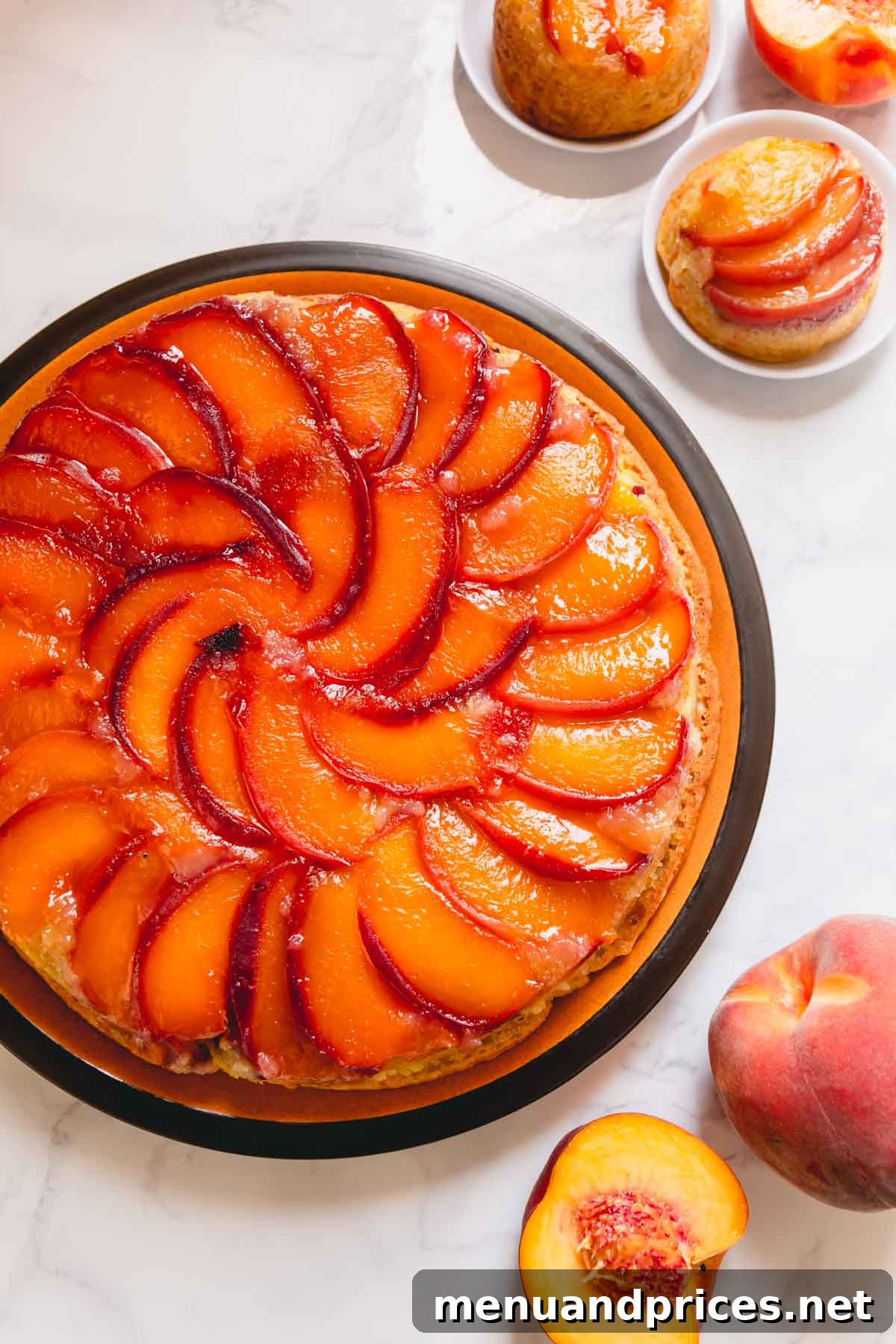
- Baking Bonanza: Peaches truly shine in baked goods. Their natural sugars caramelize beautifully, and their juices create moist, flavorful desserts. They taste absolutely amazing in classic pies, crumbles, crisps, and cakes! Don’t miss trying delightful peach upside-down mini cakes, or elevate simple vanilla bean ice cream by topping it with warm, spiced caramelized peaches.
- Refreshing Smoothies: Peel and freeze any leftover ripe peaches for a convenient boost to your morning routine. Frozen peaches create incredibly refreshing and creamy breakfast smoothies. They pair wonderfully with other fruits like bananas, strawberries, pineapple, or mango. Add a dollop of Greek yogurt for extra creaminess and a protein kick.
- Vibrant Salads: Peaches are a fantastic way to elevate a summer salad with a burst of sweet and tangy flavor. They complement savory ingredients beautifully. Try pairing sliced peaches with mixed greens, creamy avocado, thinly sliced red onion, salty feta cheese, hearty quinoa, dried cranberries, and a sprinkle of crunchy nuts or granola for texture.
- Summer Sangria & Cocktails: Peaches are the perfect addition to a pitcher of sangria, infusing it with their delicate sweetness. Experiment with this light and boozy rose sangria recipe, incorporating fresh peach slices and bright raspberries for an irresistible summer drink. They also make a great garnish or muddled ingredient in other summer cocktails.
- Homemade Ice Cream: Transform fresh or frozen peaches into luscious homemade peach ice cream. The intense peach flavor is truly a treat on a hot day.
- Savory Pairings: Don’t limit peaches to desserts! Their sweetness and slight tartness make them an excellent addition to savory dishes. Create a vibrant peach salsa to serve with grilled chicken or fish, whip up a tangy peach barbecue sauce for ribs, or assemble a sophisticated peach caprese salad with fresh mozzarella, basil, and a drizzle of balsamic glaze.
- Homemade Preserves & Jams: Harness the abundance of peach season by making homemade jams, jellies, or chutneys. These preserves capture the essence of summer in a jar, perfect for enjoying throughout the year on toast, with cheese, or as an accompaniment to savory dishes.
- Grilled Peaches: Grilling peaches brings out their natural sugars, creating a deliciously caramelized and smoky flavor. Halve and pit peaches, brush them with a little butter or oil, and grill cut-side down until tender and marked. Serve with ice cream, yogurt, or as a side to pork or chicken.
- Dehydrated Peaches: For a convenient and nutritious snack, dehydrate fresh peach slices. This process concentrates their sweetness, creating an addictive, chewy, and healthy alternative to candy.

Frequently Asked Questions About Peaches
Are peaches good for you?
Absolutely! Peaches are incredibly healthy and packed with beneficial antioxidants and plant compounds. They offer a wealth of essential vitamins and minerals, including a significant amount of Vitamin C (crucial for immune health), Vitamin A, and B vitamins, along with potassium, magnesium, phosphorus, and iron. Incorporating peaches into your diet may improve digestion, boost your immune system, and contribute to overall well-being thanks to their fiber content and hydrating properties.
Can you peel peaches without boiling (blanching)?
Yes, while blanching is the easiest and most efficient method for peeling peaches, especially multiple ones, you can also use a sharp vegetable peeler. This method works best for slightly firmer peaches, as very ripe ones might be too soft and get bruised easily. When using a peeler, apply light pressure and work carefully. You can also simply rub a very ripe peach gently with a clean cloth or paper towel; sometimes the skin will loosen enough to be pulled off.
Is it necessary to peel peaches for baking?
It depends on the recipe and personal preference. For pies, crumbles, and cobblers, many people leave the skin on, as it softens during baking and adds a slight textural element and nutritional fiber. However, for smoother purees, jams, or certain refined desserts like tarts or mousses, peeling creates a more uniform and elegant texture. If you’re sensitive to the fuzzy texture of peach skin, peeling is always a good idea.
What is the best way to ripen an unripe peach quickly?
To accelerate the ripening of firm peaches, place them in a brown paper bag, either by themselves or with an apple or banana. These fruits naturally release ethylene gas, a ripening agent, which will get trapped in the bag and help the peaches ripen faster. Check them daily; they should be ready in 1-3 days depending on their initial firmness.
Peach Nutrition: A Healthy Summer Treat
Peaches are not just delicious; they are also a low-calorie, nutrient-dense fruit that offers a range of health benefits. Here’s a general overview of the nutritional content per one medium-sized peach (approximately 150 grams):
- Calories – Approximately 60 calories
- Protein – About 1 gram
- Fat – Less than 1 gram (virtually fat-free)
- Carbohydrates – Approximately 14 grams
- Fiber – Around 2 grams (contributes to digestive health)
- Vitamin C – Provides about 17% of the Daily Value (DV), a powerful antioxidant for immune support.
- Vitamin A – Good source, essential for vision and skin health.
- Potassium – Offers approximately 8% of the DV, important for blood pressure regulation and fluid balance.
- Other Minerals – Contains smaller amounts of magnesium, phosphorus, iron, and zinc.
- Antioxidants – Rich in various antioxidants, including carotenoids and phenolic compounds, which help protect cells from damage.
Eating peaches is a fantastic way to hydrate, get a natural energy boost, and incorporate vital nutrients into your diet. Their natural sweetness makes them a healthy alternative to processed sugary snacks.
Embrace the Sweetness of Peach Season!
From their diverse varieties and captivating flavors to the practical skills of peeling and storing, peaches offer a delightful journey for any food enthusiast. We hope this guide has equipped you with all the knowledge and inspiration you need to fully appreciate and utilize these incredible summer fruits. Whether you’re enjoying them fresh, baking them into a comforting dessert, or freezing them to savor later, peaches are a true gift of the season.
So, head to your local market, pick out the most fragrant, ripe peaches you can find, and start experimenting. Don’t let this wonderful, albeit short, season pass by without making the most of every sweet, juicy bite. Happy peach feasting!