
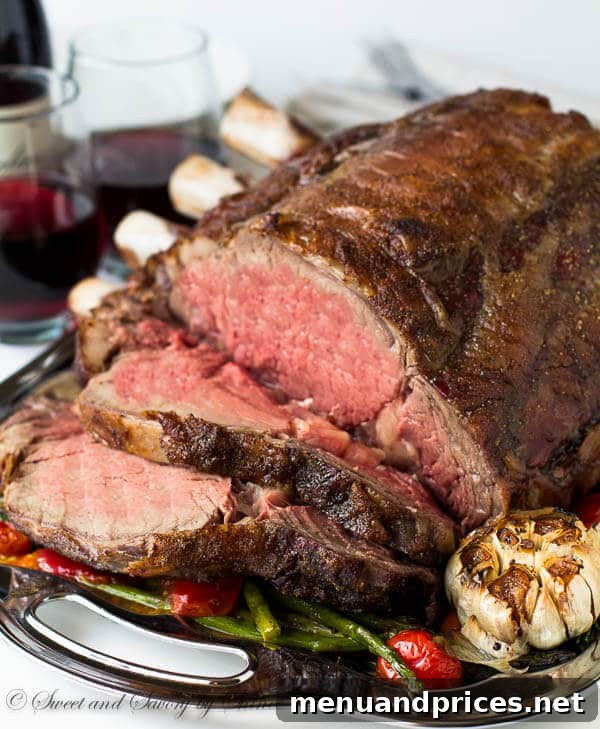
Embark on a culinary journey to master the art of roasting a truly perfect prime rib. This comprehensive, step-by-step guide will reveal a proven, foolproof method using the highly acclaimed reverse-sear technique, inspired by the scientific precision of Serious Eats. Prepare to impress your guests with a roast that boasts an irresistible deep brown crust and a vibrant, tender red center.
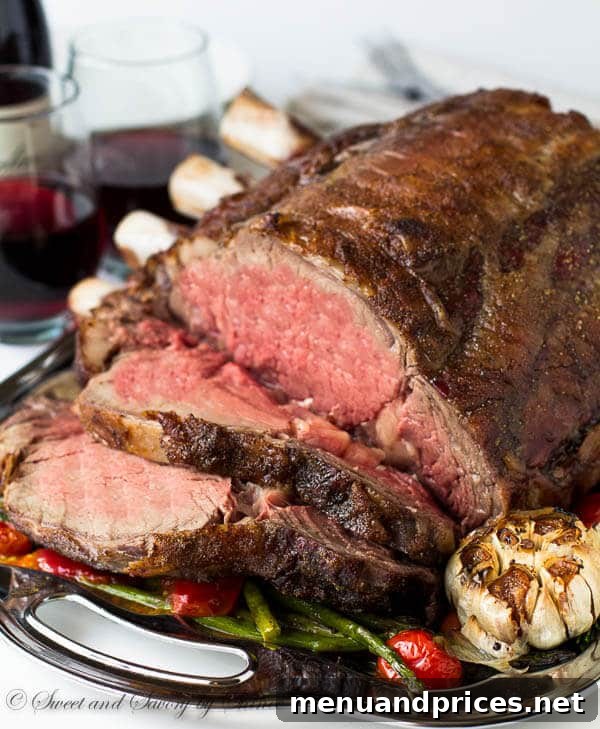
Oh, the sheer delight of a perfectly cooked prime rib! Few culinary experiences rival the luxurious taste and texture of thick, juicy slices that simply melt in your mouth. Often reserved for special occasions and holiday feasts, prime rib stands as a testament to the joy of shared meals and exceptional dining.
My own journey to appreciating a perfectly cooked steak, let alone a prime rib, was quite an evolution. Just a decade ago, as I adjusted to life in the U.S. from Mongolia, my default steak order was a firm “well done.” A cringe-worthy confession, I know! While beef is a staple in Mongolian cuisine, the concept of pink meat in steak wasn’t common. It took a good two years, and the influence of my rancher husband (who firmly believed “well done” was akin to “ruined”), to transition to ordering medium-done steaks. Now, years later, I confidently cook medium and sometimes even medium-rare steaks for myself. It just goes to show how palates can transform, especially when guided by true experts and passion.
Unlocking the Secrets to the Best Prime Rib Recipe
Every year, the centerpiece of our Christmas celebration is a magnificent standing rib roast, greeted with universal “oohs” and “aahs.” Its deep brown, savory crust perfectly encases a bright red, succulent interior, creating a truly unforgettable spectacle and flavor profile. It’s often perceived as an intimidating cut to prepare, given its cost and reputation, but I’m here to demystify the process and share a foolproof method that guarantees a perfect prime rib roast, regardless of your culinary experience.
This isn’t just any prime rib recipe; it’s designed to deliver a roast that is consistently thick, incredibly juicy, and unbelievably tender. Here’s why this method stands out as the best way to cook prime rib:
- The Reverse-Searing Advantage: This technique ensures remarkably even cooking from edge to edge, minimizing the dreaded “gray band” that often plagues traditionally roasted meats, leading to a perfectly rosy interior.
- Customizable Flavor: While we provide a fantastic seasoning blend, this method is highly adaptable, allowing you to personalize the flavor profile with your favorite herbs and spices to match any palate or occasion.
- Convenient Make-Ahead Option: Plan your holiday meal with ease! You can cook the roast several hours in advance and then execute the final high-temperature sear just before serving, freeing up valuable time to enjoy with your guests.
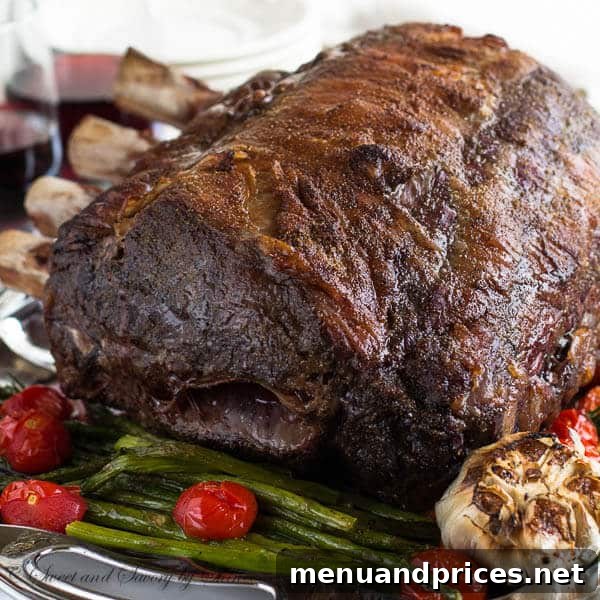
Essential Ingredients for Your Prime Rib Roast
Crafting an exceptional prime rib begins with selecting the right ingredients. Quality truly makes a difference, especially with a cut as magnificent as prime rib.
- Prime Rib (Standing Rib Roast): This premium cut comes from the primal rib section of the cow, typically encompassing ribs six through twelve. It’s known for its rich marbling, which contributes immensely to its flavor and tenderness. You might also find it labeled as a standing rib roast, rolled rib roast, or even a rib-eye roast. For the absolute best flavor and a melt-in-your-mouth texture, I highly recommend purchasing a bone-in prime rib. The bones act as natural insulators, helping the meat cook more evenly and retaining moisture. Aim for a 4-rib roast, which usually weighs between 5 to 10 pounds. A good rule of thumb is that each rib will comfortably feed 2 to 3 people, depending on the number and generosity of your side dishes. When selecting, look for a roast with good marbling (streaks of fat within the lean muscle) and a bright, fresh color.
- Kosher Salt: Do not be shy with the salt! A tablespoon or more might seem substantial, but trust me, it is crucial for amplifying flavor and achieving that gorgeously crisp crust. Beyond taste, generous salting ensures the interior of the roast remains succulent and never dry or tough. This process, often referred to as “dry brining,” draws moisture to the surface, where it dissolves the salt and is then reabsorbed into the meat, tenderizing it from within and seasoning it throughout.
- Spices: Our recommended blend of cumin, black pepper, and garlic powder creates a wonderfully aromatic and flavorful crust that complements the beef’s richness. However, feel free to customize this to your preference! Classic choices like Herbs de Provence, fresh rosemary, thyme, or sage are excellent alternatives that pair beautifully with beef. For a purist approach, simply using kosher salt is perfectly acceptable and allows the natural, rich flavor of the prime rib to shine through without any other interference.
Understanding the Reverse Searing Method: A Game Changer for Perfect Roasts
When you invest in a beautifully marbled, perfectly frenched prime rib, especially for a special occasion, the last thing you want is to mess it up. But let that apprehension be replaced by confidence, because I’m about to share the definitive, foolproof method to roast an absolutely perfect prime rib every single time.
Forget everything you thought you knew about searing meat. You’ve likely heard the age-old advice to sear meat before roasting to “lock in the juices.” While traditional searing certainly has its place in cooking, it’s not the ideal method for a prime rib roast, and I’m not just making these claims without backing. The renowned culinary scientist J. Kenji López-Alt of Serious Eats extensively tested and perfected the art of roasting a prime rib, publishing his findings in this groundbreaking article. His research meticulously details why the reverse sear technique consistently outperforms traditional methods.
Kenji’s quest for the perfect prime rib was driven by three critical criteria he aimed to achieve:
- **A Deep Brown, Crispy Exterior:** The hallmark of a truly great roast is its irresistible crust—flavorful, textured, and deeply browned from the Maillard reaction. This creates an incredible contrast with the tender interior.
- **Minimum Overcooked Layer (No “Gray Zone”):** Traditional high-heat searing followed by roasting often results in a thick band of overcooked, grayish meat directly beneath the crust. This method aims to eliminate this undesirable gray zone, ensuring an even, rosy cook throughout.
- **Maximum Juiciness:** The interior of the roast should be succulent and tender, bursting with natural juices, preventing any dryness.
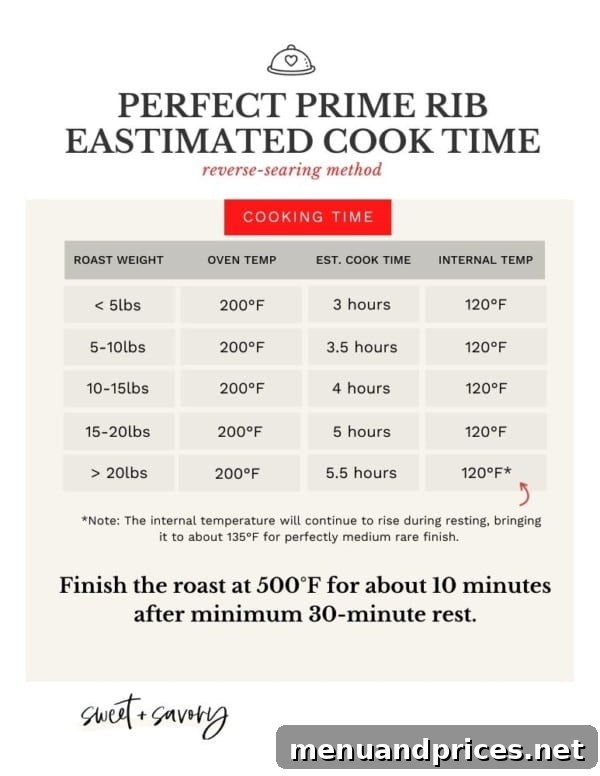
He achieved all three of these essential criteria through the **reverse searing method**. So, what exactly is reverse searing? Unlike conventional methods that start with high heat, reverse searing involves cooking the prime rib at a very low oven temperature for an extended period until it reaches your desired internal doneness – typically around 120°F (49°C) for a perfect medium-rare. This gentle, slow cooking ensures that the heat penetrates the meat gradually and evenly, minimizing the temperature differential between the surface and the center.
After this slow roast, and here’s **the absolutely critical part**, you take the roast out of the oven and let it rest while the oven preheats to a very high temperature, usually 500°F (260°C). This resting period is vital for two reasons: firstly, it allows for carryover cooking, where the internal temperature continues to rise slightly, and secondly, it prevents the roast from overcooking during the subsequent high-heat sear. It takes a significant amount of time (at least 20 minutes) for the oven to reach such high temperatures. By allowing the roast to rest and cool slightly, you ensure that the internal temperature doesn’t spike too high during the final searing stage, thus preserving its perfect medium-rare center while achieving that coveted crispy crust without creating a gray band.
Step-by-Step Guide: How to Cook a Perfect Prime Rib
Follow these detailed steps to achieve a perfectly roasted prime rib that will be the highlight of any meal. Precision and patience are your best allies in this process.
- The Night Before Preparation (Crucial Dry Brine):
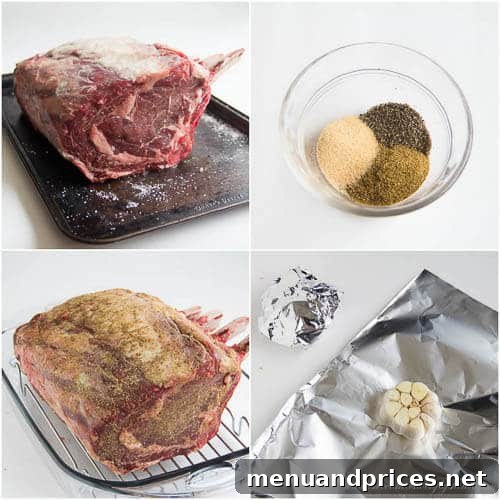
- Unwrap your prime rib and place it on a tray or wire rack set over a baking sheet that will fit comfortably in your refrigerator. This setup allows air to circulate around the roast.
- Liberally season all over the roast with coarse kosher salt. Do not be afraid to use a generous amount; it’s essential for deep flavor penetration and for achieving that ultimate crispy crust.
- Refrigerate the roast, uncovered, overnight (or for at least 12-24 hours) to allow the outside to air-dry. This is a critical step for two main reasons: the salt will deeply penetrate the meat, enhancing its flavor and juiciness through a process known as dry brining, and the dry surface is key to developing a beautiful, crisp crust during the final sear.
- Pre-Roast Preparation:
- About 2-3 hours before you plan to begin roasting, remove the prime rib from the refrigerator and let it come to room temperature on your kitchen counter. This crucial step ensures more even cooking and helps prevent the exterior from cooking too quickly while the interior remains cold.
- Preheat your oven to a low temperature of 200°F (95°C). Use an oven thermometer to verify accuracy, as oven temperatures can vary.
- In a small bowl, mix your chosen spices: ground cumin, ground black pepper, and garlic powder. Evenly spread and pat this mixture over the entire surface of the prime rib, ensuring good coverage.
- If you plan to roast garlic alongside your prime rib, slice off the top of a whole head of garlic to expose the cloves, drizzle it with a little olive oil, and wrap it loosely in foil. This can be roasted in the oven during either phase.
- Slow Roasting Phase:
- Place the seasoned prime rib on a roasting pan, bone-side down (fat-side up). The bones create a natural rack, keeping the meat elevated and allowing for even heat circulation around the entire roast.
- Roast the meat in the preheated 200°F (95°C) oven until the center of the roast reaches your desired internal temperature. Use a reliable meat thermometer inserted into the thickest part of the meat, ensuring it does not touch any bones.
- For **medium-rare**: Aim for 120°F (50°C). This typically takes about 3.5 to 4 hours for a 4-rib roast, but times will vary with roast size.
- For **medium doneness**: Aim for 130°F (55°C). This will take slightly longer.
- Crucial Tip: Always rely on an accurate, instant-read meat thermometer (like a Thermapen) rather than just timing. Oven temperatures can vary, and overcooking an expensive cut like prime rib is easily done without proper temperature monitoring.
- Resting Period (Essential for Juiciness):
- Once the prime rib reaches your target internal temperature, remove it from the oven.
- Tent it loosely with aluminum foil and allow it to rest for a minimum of 30 minutes, or up to 2 hours. This resting period is vital for the juices to redistribute evenly throughout the meat, resulting in a more tender and juicy roast. During this time, the internal temperature will continue to rise by a few degrees due to carryover cooking.
- High-Heat Searing Phase:
- While the prime rib is resting, increase your oven temperature to a blazing 500°F (260°C). Allow ample time (at least 20-30 minutes) for the oven to fully preheat to this high temperature. This ensures the oven is truly hot enough to create a crisp crust quickly.
- Uncover the rested prime rib and place it back into the screaming hot oven.
- Cook for a short period, typically about 6-10 minutes, until the exterior develops a deep brown, incredibly crisp crust. Keep a close eye on it to prevent burning, as ovens vary in intensity.
- If desired, you can roast cherry tomatoes and asparagus alongside the prime rib during this final sear for perfectly cooked side vegetables.
- Remove from the oven and serve immediately!
Expert Tip for the Ultimate Crispy Crust
For an absolutely unparalleled crispy crust on your prime rib, make sure to dry out the roast by resting it uncovered in the refrigerator overnight. This allows the surface moisture to evaporate, which is paramount for achieving that coveted crackling exterior during the high-heat sear.
Additionally, applying salt during this initial dry-brining stage gives it ample time to penetrate deeply into the meat, seasoning it all the way through for maximum flavor and tenderness from within.
Should You Salt Prime Rib Before Cooking? Absolutely, Here’s Why!
It is not just recommended, but crucial, to liberally salt your prime rib well in advance of cooking. This simple step does far more than just add seasoning; it’s a vital part of the tenderizing and flavor-enhancing process, commonly referred to as dry brining. When you apply salt to the raw meat, it initially draws moisture from the interior to its surface. This moisture then dissolves the salt, creating a concentrated saline solution on the meat’s exterior. Over time, through osmosis, this flavorful solution is reabsorbed back into the muscle fibers. This mechanism ensures that the center of your roast will be incredibly juicy and tender, not dry. It’s a brilliant way to achieve deep seasoning without sacrificing the crispiness of the exterior, as the surface will still dry out effectively during the overnight refrigeration for that perfect crust.
What is the Best Internal Temperature for a Prime Rib Roast?
For the ultimate prime rib experience, I wholeheartedly recommend aiming for **medium-rare** doneness. At this stage, the meat is incredibly tender, juicy, and bursts with rich flavor, showcasing the quality of the cut. Overcooking a prime rib past medium will result in a dry, tough, and chewy texture, which would be a culinary tragedy for such a premium cut. For a perfect medium-rare, target an internal temperature of 120°F (50°C) when you remove it from the low-temperature oven. Remember, the roast’s temperature will continue to rise by several degrees during its resting period and again during the final high-heat sear (a phenomenon known as carryover cooking), so pulling it out at 120°F is key to achieving that ideal rosy pink center. If you prefer medium, pull it at 130°F (55°C).
Should Prime Rib Be Cooked Covered or Uncovered?
For this reverse-sear method, prime rib should always be cooked uncovered throughout the entire process. Covering the roast, especially during the low-temperature cooking phase, would trap steam and moisture, preventing the surface from drying out. A dry surface is absolutely essential for developing that desirable crispy, deep brown crust from the Maillard reaction during the final high-temperature sear. To ensure the hot, dry heat can properly crisp the exterior and create a magnificent crust, leave your prime rib exposed to the oven’s elements.
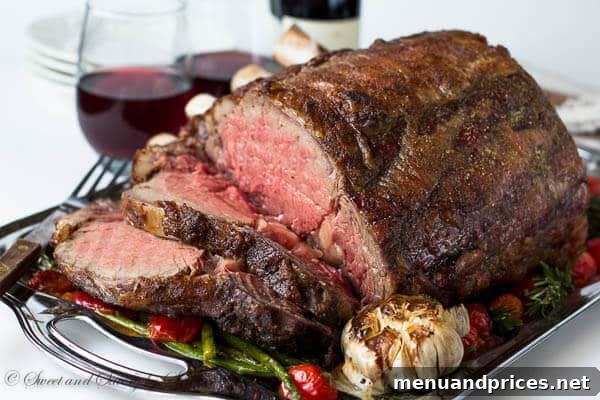
Serving Your Magnificent Bone-In Prime Rib
The tantalizing aroma fills your home, the table is beautifully set, and your guests are eagerly awaiting! Now comes the moment of truth: carving and serving your exquisite roast. Proper portioning ensures everyone gets to enjoy a generous slice without feeling overwhelmed or undersatisfied.
A good estimate for portion size is about 1 pound of bone-in prime rib per two adults if you’re aiming for a substantial serving, especially as a main course with fewer sides. This means a 4-rib prime rib, weighing roughly 8-10 pounds, would comfortably serve about 8 people. For lighter eaters or if you have an abundance of elaborate side dishes (like mashed potatoes, roasted vegetables, or a rich gravy), you might be able to stretch the portions to feed three people per pound of meat. I personally prefer to err on the side of caution and plan for 2 people per pound to ensure there’s more than enough for everyone to savor, often leading to delightful leftovers!
Mastering the Carve: Slicing Your Prime Rib Like a Pro
Carving a large roast can seem daunting, but with the right tools and technique, it’s a straightforward process that will impress your guests:
- Prepare Your Carving Station: Select a stable and sufficiently large cutting board that can comfortably accommodate the entire roast. A carving board with a well to collect juices is ideal. If your cutting board tends to slide, place a damp towel underneath it to keep it steady and safe. Ensure your knives are freshly sharpened.
- Remove the Bones: Using a sharp boning knife or a long, thin slicing knife, carefully separate the bones from the meat. Hold the roast firmly by the bones with one hand and gently slide the knife directly behind them, following the natural curve of the bones. Continue cutting all the way down until the entire rack of bones detaches from the roast. These bones are a treasure trove of flavor – save them for making a rich beef stock, a delicious jus, or enjoy gnawing on them later!
- Slice the Roast: Lay the boneless roast flat on the cutting board. Using a sharp chef’s knife or a long, thin carving knife (a santoku knife also works well), slice the roast into elegant ½-inch to ¾-inch thick slices. Aim for consistent thickness for even presentation and enjoyment.
- Serve with Pan Juices: Transfer the beautifully sliced prime rib onto a warm serving platter. Optionally, drizzle with any savory pan juices accumulated during roasting and resting. Serve immediately and relish the compliments from your appreciative guests!
Storing and Reheating Prime Rib of Beef for Lasting Enjoyment
Leftover prime rib is a treat in itself, and proper storage ensures its deliciousness for days to come, preserving its texture and flavor.
Wrap any leftover prime rib tightly in plastic wrap or store it in an airtight container and refrigerate for up to 5 days. For optimal freshness and to prevent drying out, it’s best to leave any remaining roast unsliced until you plan to serve it again. Slicing exposes more surface area to air, which can lead to drying.
When reheating, to best preserve the tender texture and rosy interior, place the prime rib slices (or the whole unsliced roast if large enough) in a baking dish. Add a splash of beef broth or water to the dish – this creates steam and helps retain moisture – then cover it tightly with foil. Reheat in a preheated oven at a low temperature of 250°F (120°C) until warmed through. Be careful not to overcook; gently warming is the goal. If you don’t mind losing the distinct medium-rare interior, you can microwave individual slices until hot, though this method is generally not recommended for preserving the prime rib’s quality and texture.
Frequently Asked Questions About Cooking Prime Rib
How many hours does it take to cook a prime rib?
The cooking time for a prime rib can vary significantly based on the size and thickness of your roast, as well as the calibration and consistency of your oven. For a 4-rib roast, reaching an internal temperature of 120°F (for medium-rare) typically takes approximately 3.5 to 4 hours in a 200°F (95°C) oven. Reaching a medium doneness will naturally require a longer cooking duration. It is absolutely essential to use a reliable meat thermometer to monitor the internal temperature and avoid accidental overcooking, as relying solely on time can lead to inconsistent results.
What’s the difference between a rib roast and prime rib?
Both prime rib and a rib roast originate from the same primal rib section of the cow, specifically ribs 6 through 12, known for its rich marbling and tenderness. The key distinction lies in their common terminology and preparation: prime rib typically refers to the roast with the bones still intact, often called a standing rib roast. A “rib roast” can sometimes refer to the same cut but might imply that the bones have been removed or trimmed. This robust cut, once deboned and sliced, is commonly further processed into individual ribeye steaks for grilling or pan-searing.
How much prime rib do you need per person?
A good general guideline is to allocate one pound of bone-in prime rib roast for every two adults. This means a 4-rib prime rib, weighing roughly 8-10 pounds, would comfortably serve about 8 people with generous portions. If your guests are light eaters or you’re serving a lavish spread of side dishes, you might be able to stretch the portions to feed three people per pound of meat. Always consider your guests’ appetites and the variety of accompanying dishes when planning quantities.
Which is better: bone-in or boneless prime rib?
Both bone-in and boneless prime ribs yield delicious results, but I personally advocate for bone-in prime rib for several reasons. The bones serve as natural insulators, which helps the meat cook more evenly and prevents it from drying out, resulting in a more consistently juicy and tender finish. The bones also impart additional flavor to the roast. The primary advantage of a boneless prime rib is its ease of carving, as the bones are already removed. If you opt for boneless, ensure you monitor the internal temperature even more diligently to prevent overcooking.
Is bone-in prime rib the same as ribeye?
While both cuts come from the primal rib section of the cow, they are distinct in their presentation and typical cooking methods. A prime rib is a substantial roast, usually comprising 4 to 7 ribs, cooked whole in the oven. It is a large, impressive centerpiece. If this large roast is cut into individual portions before or after cooking, those individual pieces become ribeye steaks. Ribeye steaks are typically grilled or pan-seared over high heat, whereas a prime rib is roasted whole, often at a low temperature, and then sliced for serving, allowing for a broader spectrum of doneness from edge to edge.
I genuinely hope you try this reverse-sear method for your next prime rib. I’m confident you will not regret the incredible results, enjoying a truly perfect and memorable roast.
Thank you for taking the time to read this comprehensive guide!
Explore More Delicious Recipes
If you enjoyed mastering prime rib, here are more delicious recipes from our collection you might love to try:
- Easy Miso Soup
- The Best Banana Bread Recipe
- Juicy No-Brine Roast Turkey
- Savory Beef Dumplings
- Perfect Matcha Latte
Recipe: Best Reverse-Seared Prime Rib of Beef
This recipe will guide you through preparing a perfectly roasted prime rib, step by step, using the highly effective reverse-sear technique to achieve maximum juiciness and a crispy crust, ideal for any special occasion.
Author: Shinee Davaakhuu
Prep Time: 15 minutes
Cook Time: 4 hours
Total Time: 5 hours (includes resting time)
Yields: 10-15 servings
Ingredients
- 5-10 lbs (or 4-rib) bone-in prime rib
- 1 tablespoon coarse kosher salt
- 2 teaspoons ground cumin
- 1 teaspoon ground black pepper
- 1 teaspoon garlic powder
Optional Add-Ins:
- 1 head of garlic (for roasting)
- Cherry tomatoes (for roasting alongside)
- Asparagus (for roasting alongside)
- Olive oil (a drizzle for roasting garlic)
Instructions
Prep:
- Dry Brine: Unwrap the prime rib and place it on a tray or wire rack. Generously salt all over the roast and refrigerate, uncovered, overnight (12-24 hours) to allow the outside to air-dry. This is crucial for flavor penetration and crust development.
- Room Temperature: Approximately 2-3 hours before roasting, remove the prime rib from the refrigerator and let it come to room temperature on your kitchen counter.
- Season: In a small bowl, mix the ground cumin, ground black pepper, and garlic powder. Evenly spread and pat this spice mixture all over the meat.
- Optional Roasted Garlic: If roasting garlic, slice the top off the head, drizzle with some olive oil, and wrap loosely in foil.
Roast:
- Preheat Oven: Preheat your oven to a low temperature of 200°F (95°C).
- Position Roast: Place the seasoned prime rib on a roasting pan, bone side down (fat side up).
- Slow Roast: Roast the meat in the oven until the center of the roast reads 120°F (50°C) on a meat thermometer for medium-rare, or 130°F (55°C) for medium doneness. This typically takes about 3.5-4 hours for a 4-rib roast. Always rely on your thermometer, not just time, to prevent overcooking.
Rest:
- Rest the Roast: Once the roast reaches your target internal temperature, remove it from the oven. Tent it loosely with aluminum foil and let it rest for at least 30 minutes, and up to 2 hours. This resting period is crucial for the redistribution of juices, ensuring a tender and juicy roast.
Sear:
- High Heat Preheat: While the roast rests, increase the oven temperature to 500°F (260°C). Allow the oven to fully preheat for at least 20-30 minutes.
- Final Sear: About 10 minutes before you plan to serve, unwrap the prime rib and place it back into the screaming hot oven. Cook until it develops a beautiful deep brown, crisp crust on the outside, typically 6-10 minutes. Watch closely to prevent burning.
- Optional Sides: If desired, you can add cherry tomatoes and asparagus to the roasting pan during this searing phase for perfectly cooked side vegetables. Serve immediately.
⭐️ Did you make this recipe?
We’d love to hear from you! Please share your feedback and let us know how you liked it.
Nutrition Facts (Estimated Per Serving)
- Calories: 679 kcal
- Carbohydrates: 1 g
- Protein: 31 g
- Fat: 60 g
- Sugar: 1 g
- Sodium: 800 mg
Course: Main Course
Cuisine: American
Have a Boneless Prime Rib? Explore Our Guide for Herb-Crusted Perfection!
If your prime rib is boneless, don’t worry, we’ve got you covered! While this guide focuses on bone-in, the reverse-sear principle remains superior for achieving an evenly cooked, juicy roast. For specific tips and a delightful garlic-herb crusted recipe tailored for a boneless prime rib, be sure to check out our dedicated post:
Garlic-Herb Crusted Boneless Prime Rib Recipe (with Video)