
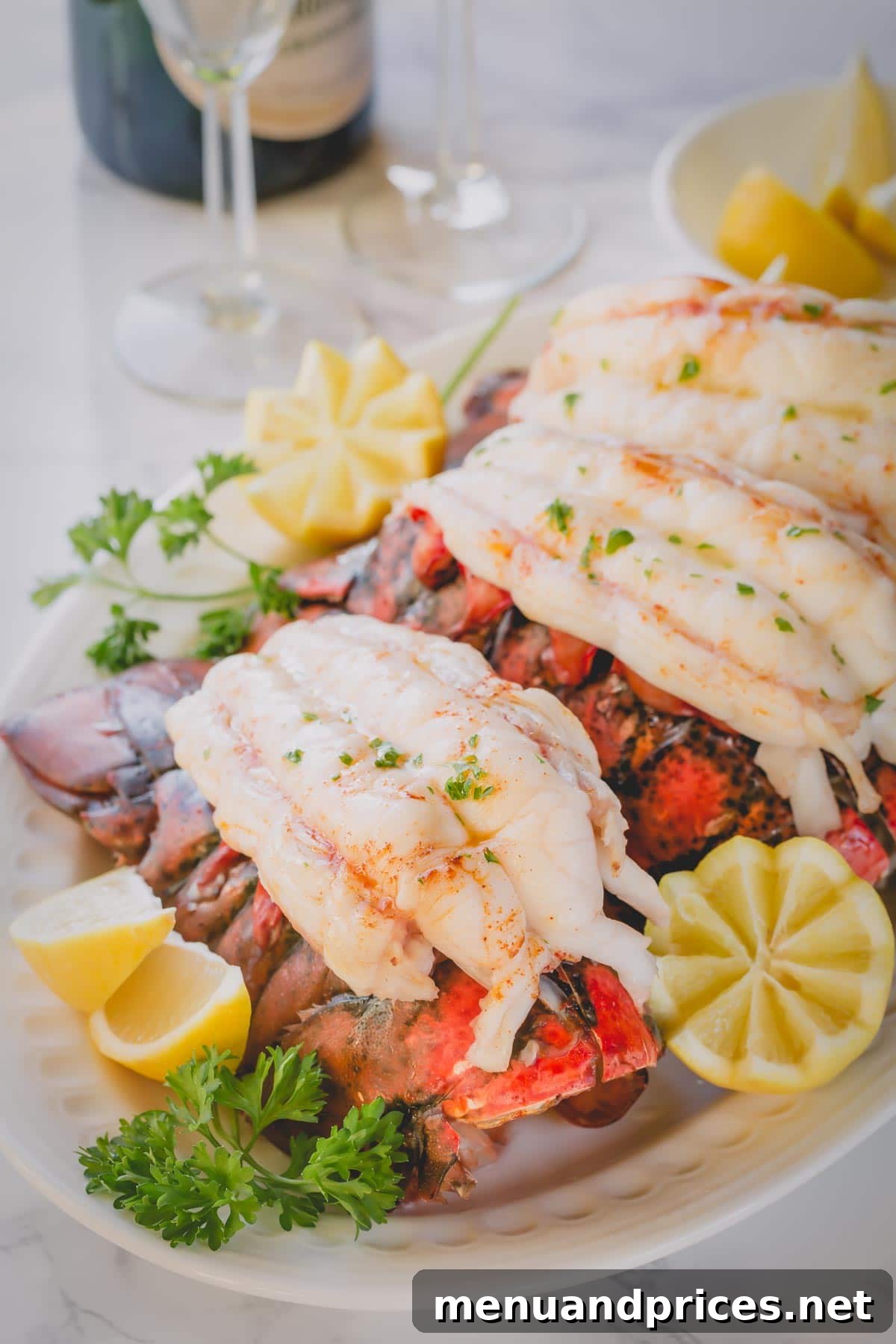
Indulge in an exquisite culinary experience with these beautiful baked lobster tails, perfectly infused with the delicate essence of white wine. This method ensures remarkably succulent, melt-in-your-mouth tender meat every single time, making gourmet dining surprisingly effortless.
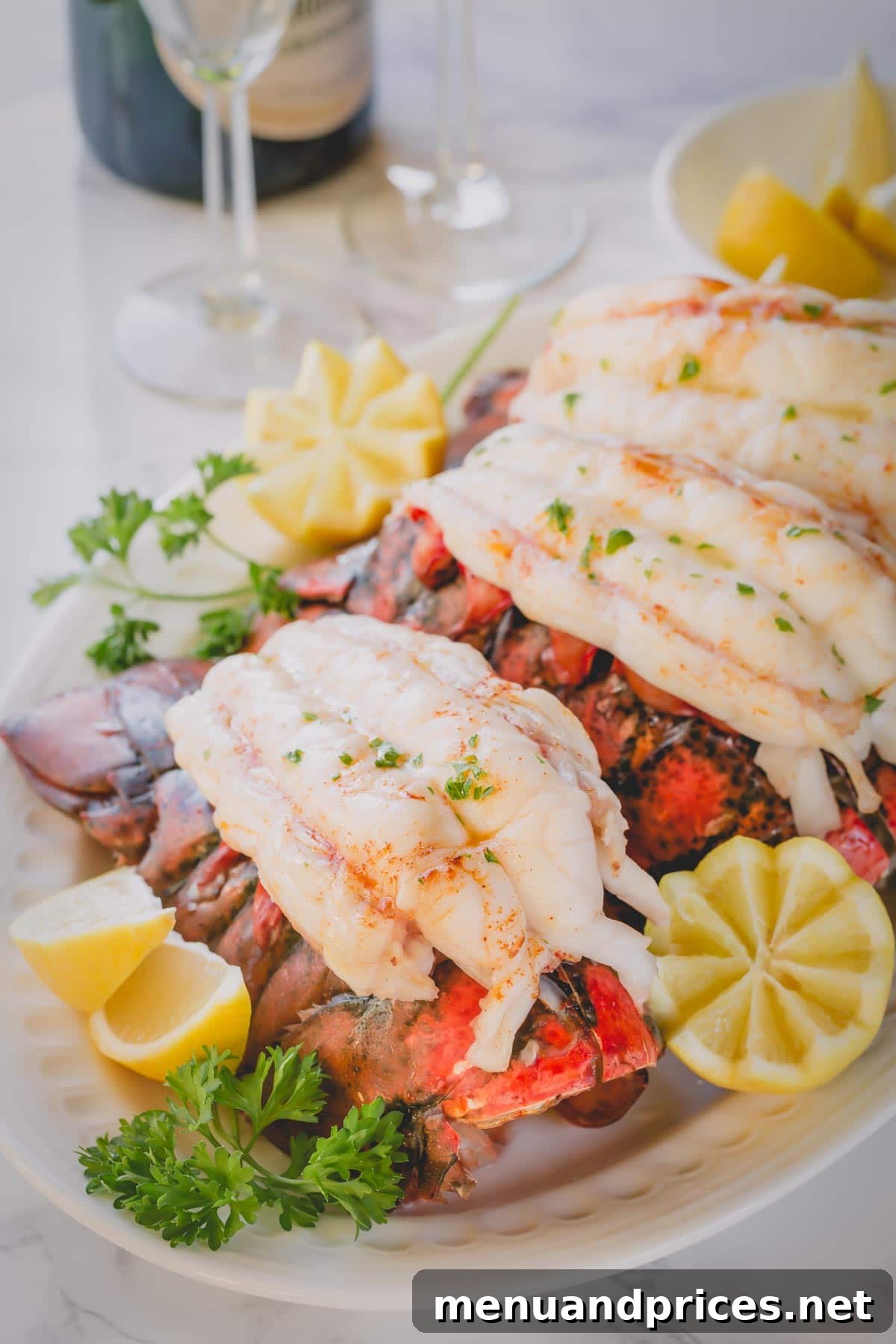
Whether you’re meticulously planning a memorable Christmas dinner, hosting a vibrant New Year’s Eve party, or simply creating an intimate and romantic dinner for two, this impressive yet incredibly easy recipe for baked lobster tails is your ideal choice. When faced with the delightful dilemma of what to serve for a truly special meal, you can never go wrong with the elegance and simplicity of baked lobster tails.
Why You’ll Fall in Love with This Baked Lobster Tail Recipe
Imagine tender lobster tails, generously smeared with rich butter, delicately seasoned with salt and vibrant paprika, then baked to perfection in a bath of fragrant white wine. This method transforms simple ingredients into an unforgettable dish that will impress even the most discerning palates. Here’s why this recipe will quickly become your ultimate favorite:
- **Restaurant-Quality Elegance:** Achieve the sophisticated taste and presentation of a fine-dining establishment right in your own kitchen, without the high price tag or complicated techniques.
- **Ready in Just 35 Minutes:** From prep to plate, this entire culinary masterpiece comes together in under an hour, making it perfect for busy evenings or spontaneous celebrations.
- **Effortlessly Impressive:** Ideal for holidays, anniversaries, or any special occasion where you want to serve something truly spectacular without spending hours in the kitchen.
- **Foolproof Cooking Method:** While lobster can seem intimidating, baking is incredibly forgiving. It consistently yields perfectly cooked, tender lobster every time, making it our absolute go-to method compared to boiling, steaming, broiling, or grilling.
- **Enhanced Flavor Profile:** The gentle baking process combined with white wine subtly infuses the lobster meat, enhancing its natural sweetness and creating a depth of flavor that is truly exquisite.
Don’t let the stunning presentation fool you; creating these exquisite lobster tails is far simpler than it looks. For a visual demonstration, a step-by-step video tutorial is available further down the page.
Essential Ingredients for Perfect Baked Lobster Tails
Crafting flawless baked lobster tails begins with high-quality ingredients. Each component plays a crucial role in developing the rich, buttery, and sweet flavors that define this dish:
- Lobster Tails – For this recipe, we recommend three 8-ounce lobster tails, which are an ideal size for individual servings and consistent cooking. Remember that the cooking time will primarily depend on the specific size and thickness of your tails. To ensure firm, sweet flesh that is never mushy, always prioritize purchasing cold water lobster tails, as they are renowned for their superior taste and texture.
- Unsalted Butter – Butter is the soul of lobster, and using unsalted butter allows you to precisely control the sodium content, ensuring a perfectly balanced flavor. It’s essential for basting the tails before baking and also serves as an irresistible dipping sauce once cooked.
- Salt – Salt is paramount for enhancing flavor. We specifically recommend coarse kosher salt. Its larger grains make it easier to sprinkle evenly without accidentally oversalting, and it dissolves beautifully during the baking process, seasoning the lobster from within.
- Paprika – A sprinkle of paprika imparts a mild, sweet taste and contributes a beautiful, appetizing reddish hue to the lobster meat. While classic paprika is excellent, feel free to experiment with other seasonings. For example, a touch of garlic powder can add a delightful aromatic layer, or a pinch of smoked paprika can introduce a subtle smokiness.
- Dry White Wine – Any dry white wine, such as Sauvignon Blanc, Pinot Grigio, or Chardonnay, works wonderfully here, adding a layer of sophisticated flavor to the baking liquid. The alcohol evaporates during cooking, leaving behind a fragrant, delicate essence that complements the lobster’s sweetness. If you prefer not to cook with alcohol, a high-quality chicken or vegetable broth is an excellent non-alcoholic alternative, as is water, though broth will add more flavor.
- Lemon – A squeeze of fresh lemon juice just before serving is absolutely transformative. The bright, zesty citrus cuts through the richness of the butter and lobster, enhancing their delicate, buttery flavor and adding a refreshing finish. Always serve with plenty of fresh lemon wedges.
Fresh vs. Frozen Lobster Tails: Making the Right Choice
When selecting lobster tails, you typically have the option of purchasing them either fresh or frozen. For most home cooks, high-quality frozen lobster tails are often the most accessible and practical choice. If properly thawed and sourced, there should be no discernible difference in taste or texture compared to fresh tails that have been previously frozen and then thawed by the retailer.
For truly superior results, always look for **cold water lobster tails**. These are sourced from colder regions like Maine, Canada, or South Africa, and are prized for their firm, sweet, and incredibly tender flesh. Their pristine flavor and satisfying texture are unmatched, making them worth the investment for a truly gourmet experience.
In contrast, **warm water lobster tails**, typically from warmer climates like the Caribbean or Latin America, tend to have a softer, sometimes mushy texture. They can also contain more additives and may not offer the same exquisite flavor profile. If the packaging doesn’t specify the origin, it’s generally safe to assume they are warm water lobster tails.
Choosing cold water tails, whether fresh or frozen, is key to achieving that restaurant-quality tenderness and rich, sweet flavor in your baked dish.
Expert Tips for Buying the Best Lobster Tails
Selecting the highest quality lobster tails is crucial for an exceptional dining experience. Keep these expert tips in mind when you’re at the seafood counter:
- **Inspect for Discoloration:** Carefully examine the meat. Avoid any tails that show signs of discoloration, such as black spots or a grayish-yellow tinge, as these can indicate poor quality or spoilage. The meat should appear vibrant and almost translucent before cooking.
- **Ensure Uniform Size:** Whenever possible, purchase lobster tails that are all approximately the same size. This consistency is vital for ensuring they cook evenly in the oven, preventing some from becoming overcooked while others remain underdone.
- **Invest in Cold Water Lobster:** As previously mentioned, cold water lobster tails generally come from regions like Maine, Canada, or South Africa. While they may be more expensive, their consistently sweet taste and superior, firm texture make them well worth the additional cost for a truly gourmet meal.
- **Avoid Pre-Thawed Tails:** If buying frozen, opt for tails that are still solidly frozen. If a retailer offers “fresh” lobster tails that were previously frozen and have already been thawed, it’s best to avoid them. Thaw lobster tails yourself immediately before cooking to preserve their optimal fresh flavor and texture.
- **Check Flesh and Shell Quality:** The raw lobster flesh should be firm to the touch, and the shell should be dry and coarse. If the flesh feels squishy, or the lobster’s shell appears slimy or excessively wet, these are red flags. In such cases, it’s safer to choose another batch or skip them entirely.
Mastering the Art of Thawing Frozen Lobster Tails
Properly thawing frozen lobster tails is a critical step that often determines the final texture and evenness of your cooked dish. Incorrect thawing methods can lead to rubbery, unevenly cooked lobster, so it’s essential to follow these simple yet crucial instructions:
- **The Quick Cold Water Method:** For a relatively fast thaw, place the frozen lobster tails in a large bowl and submerge them completely in cold tap water. Allow them to thaw for approximately 30 minutes, ensuring you change the water once halfway through to keep it cold and promote even thawing. If you are thawing larger tails, they may require an additional 30 minutes of thawing time, with another water change. This method is effective but requires attention to maintain cold water.
- **The Overnight Refrigeration Method:** If you have ample time, this is often the gentlest and most recommended thawing method. Simply place the frozen lobster tails on a baking sheet or plate (to catch any condensation) and transfer them to the refrigerator overnight. This slow, gradual thaw helps maintain the lobster’s delicate texture and flavor.
- **Crucial Don’ts: Avoid Hot Water and Microwaves:** Never, under any circumstances, attempt to thaw lobster tails in hot water or in the microwave. These methods are not only unsafe as they can promote bacterial growth, but they will also drastically compromise the quality of your meal. High heat causes the lobster to partially cook and seize up, resulting in a tough, rubbery texture instead of the desired tender, succulent meat. Always prioritize cold, gentle thawing.
How to Butterfly Lobster Tails for Elegant Presentation and Even Cooking
Butterflying lobster tails not only creates a stunning presentation but also allows for more even cooking and easier access to the sweet meat. Follow these steps to prepare your tails like a professional:
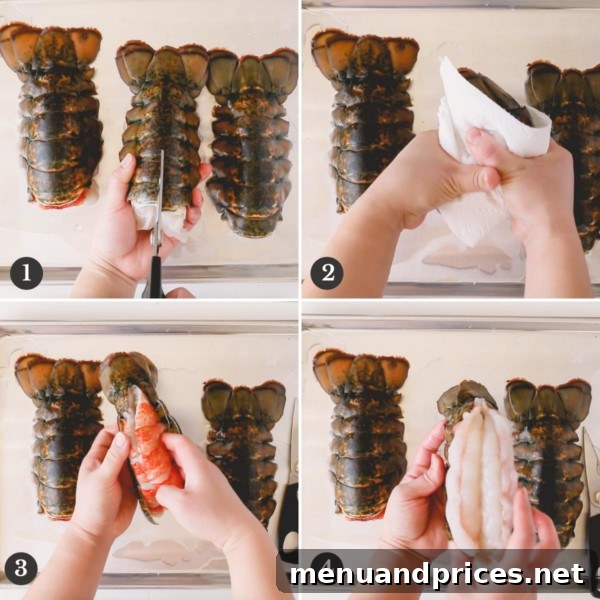
- **Prepare for Cutting:** Place a thoroughly dry and thawed lobster tail onto a clean cutting board. Using sturdy kitchen shears, carefully cut a slit through the top center of the shell, starting from the thickest part and extending all the way down to the tail fins. As you cut the shell, you will also be cutting through the top portion of the lobster meat. This is intentional, as it helps separate the meat from the shell and ensures more even cooking.
- **Gently Crack the Shell:** To protect your hands from sharp edges, you might want to wrap the tail in a paper towel. Gently squeeze the tail from the sides to carefully crack the bottom of the shell. Exercise caution to avoid smashing the shell, as you want to keep its structure intact for presentation.
- **Lift and Rest the Meat:** Use your fingers to carefully spread the opened lobster shell. Then, gently separate the lobster meat from the bottom of the shell, taking care to keep the base of the meat still attached to the very end of the tail shell. Once separated, lift the meat upwards and allow it to rest gracefully on top of the cracked shell. This creates that iconic “piggyback” presentation.
- **Remove the Vein:** Carefully locate and remove any dark veins that run through the middle of the lobster meat. This is an important step for cleanliness and taste.
How to Bake Lobster Tails to Golden Perfection
Once your lobster tails are perfectly butterflied and prepped, the baking process is wonderfully straightforward. This method ensures tender, flavorful results every time:
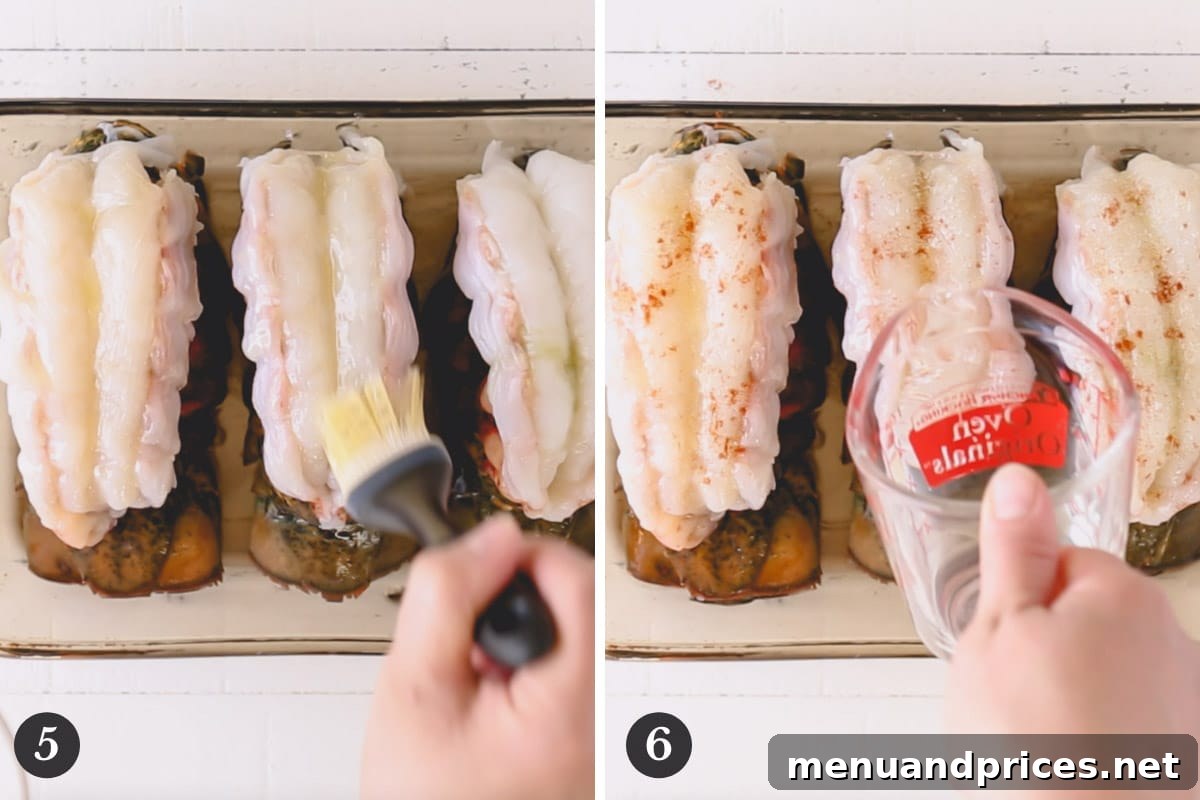
- **Prepare for Baking:** Preheat your oven to 425°F (220°C). Arrange your prepared lobster tails snugly in a baking dish. Using a pastry brush, generously brush each tail with melted unsalted butter, ensuring every crevice is coated. Follow this by sprinkling them evenly with coarse kosher salt and vibrant paprika.
- **Add the White Wine:** With care, pour the dry white wine (or broth/water) over the tails and into the bottom of the baking dish. This creates a steamy, flavorful environment that keeps the lobster moist and infuses it with aromatic notes as it bakes.
- **Bake to Perfection:** Place the baking dish in your preheated oven and bake the lobster tails for approximately 20-25 minutes. The precise timing will depend on the size of your tails, so refer to our detailed baking time tip below. Lobster tails are perfectly cooked when their shells turn a bright red, and the meat inside becomes opaque and white throughout, with absolutely no translucent or grayish areas remaining.
Pro Tip: Mastering Lobster Baking Time
General Baking Time Rule: A reliable guideline is to bake lobster tails for 1 to 1½ minutes per ounce of tail. For instance, if you have three 8-ounce tails, you have a total of 24 ounces, suggesting a baking time of approximately 24-36 minutes. For our three 8-ounce tails (totaling 24oz), we aim for around 24 minutes for tender, not tough, results.
To ensure you don’t overcook them (which is the only way to truly ruin lobster!), we highly recommend checking for doneness 2-3 minutes before the estimated time. Look for visual cues, and if possible, use an instant-read thermometer for absolute accuracy.
- **Final Garnish:** While the lobster bakes, prepare a simple yet luxurious topping. In a small dish, combine additional melted butter with freshly chopped parsley. Once the lobster tails are baked, generously brush this fragrant butter mixture over the exposed lobster meat just before serving. This adds a final touch of richness and fresh herbaceousness.
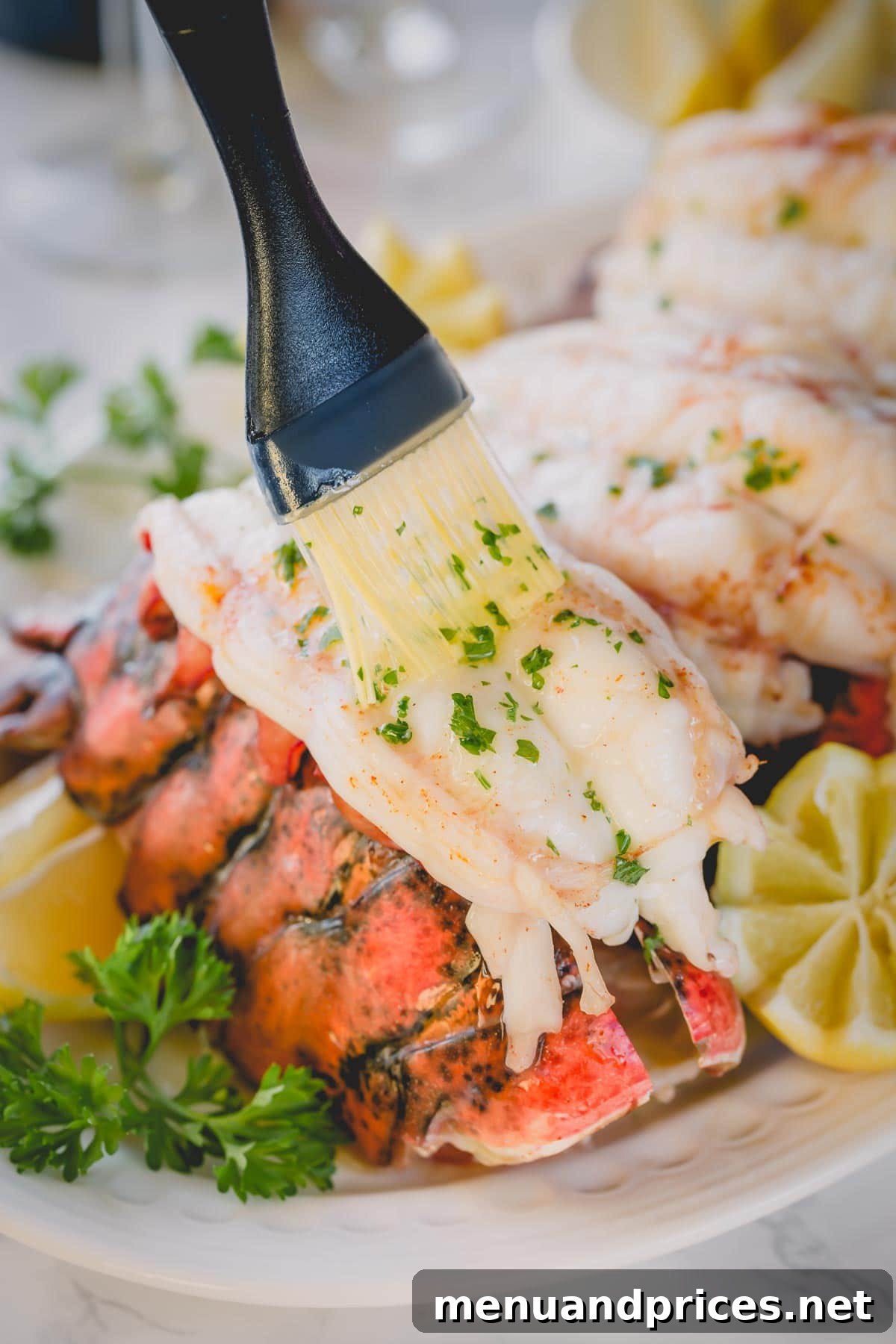
The Secret to Perfectly Cooked Lobster: Knowing When It’s Done
Overcooking is the only true way to diminish the exquisite quality of a lobster tail, rendering it tough and rubbery. Achieving that perfect, tender texture is simple once you know what to look for:
- **Visual Cues:** The most immediate indicator is the change in color. The lobster shell should transform into a vibrant, bright red. Crucially, the meat itself must become completely opaque and white throughout. There should be absolutely no areas that appear translucent, grayish, or gelatinous. If you see any clear spots, it needs a little more time.
- **Internal Temperature:** For absolute precision, an instant-read thermometer is your best friend. Insert it into the thickest part of the lobster meat. The ideal internal temperature for cooked lobster is 140°F (60°C). Keep in mind that lobster, like most proteins, will continue to cook slightly after being removed from the oven due to residual heat, a phenomenon known as “carryover cooking.” To account for this, many chefs recommend removing the tails from the oven when they reach around 135°F (57°C) to ensure they don’t overcook to toughness.
Delectable Pairings: What to Serve with Baked Lobster Tails
Baked lobster tails are the star of any meal, but pairing them with the right side dishes elevates the entire dining experience. Whether you’re looking for something quick and flavorful or a more substantial accompaniment, here are some well-loved favorites that perfectly complement the rich, sweet taste of lobster:
- **Classic Potato Sides:** A heaping pile of crispy Baked Steak Fries offers a delightful textural contrast. For a more refined option, creamy Roasted Garlic Mashed Potatoes or elegant 3-Ingredient Bacon Wrapped Fingerling Potatoes provide a comforting and satisfying starch.
- **Fresh & Vibrant Salads:** To cut through the richness, a light and refreshing salad is always a good choice. Consider a Warm Quinoa Brussels Sprouts Salad for a unique blend of flavors and textures, or a classic Veggie Pasta Salad for a delightful medley of fresh vegetables.
- **Steamed Green Vegetables:** Simple steamed asparagus, green beans, or broccoli with a squeeze of lemon and a pat of butter are fantastic choices. Their freshness and slight crunch provide a beautiful balance to the tender lobster.
- **Crusty Bread:** Don’t forget a warm, crusty baguette or sourdough bread to soak up any remaining buttery white wine sauce from the baking dish. It’s too delicious to let go to waste!
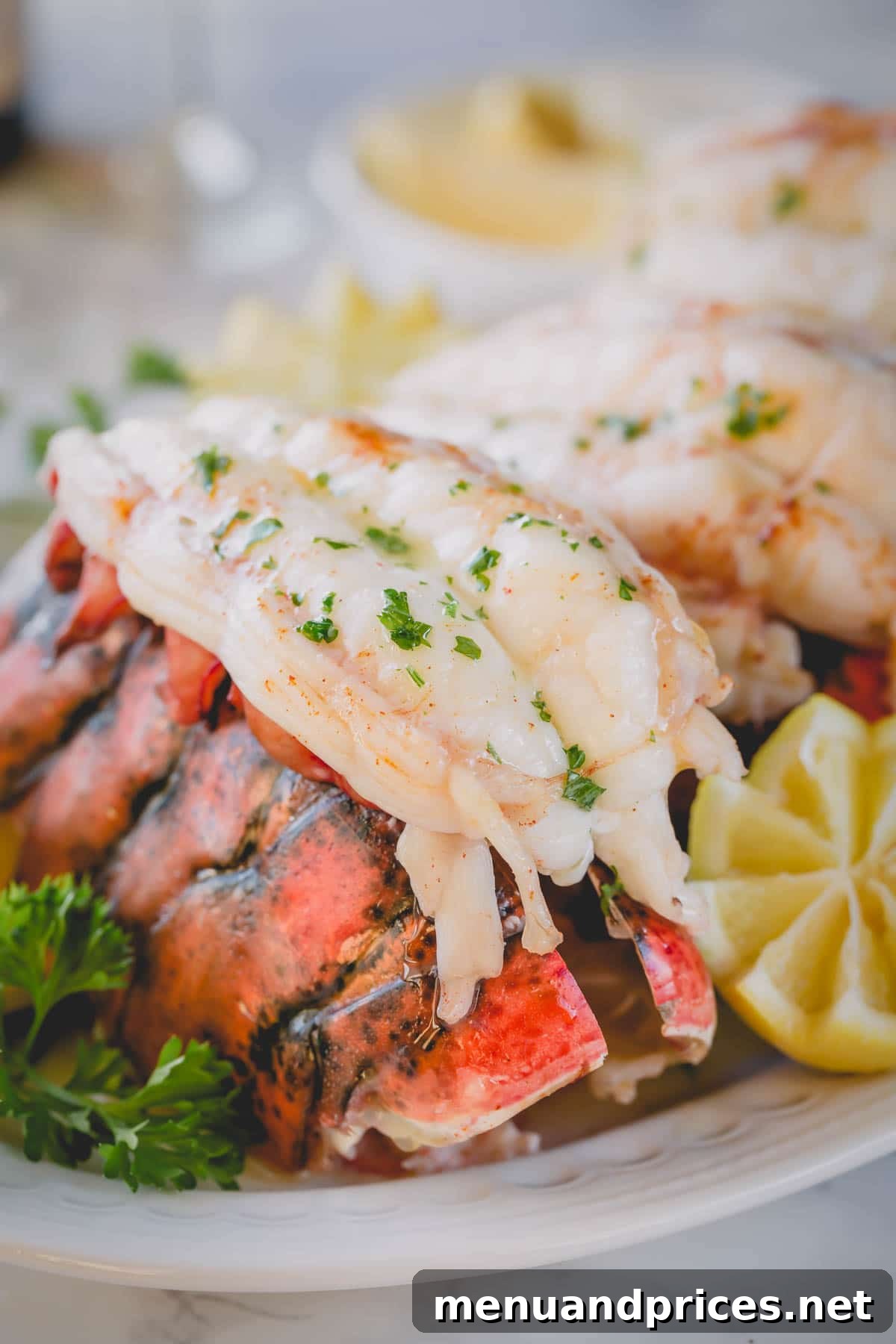
After you’ve savored every delectable bite of your perfectly prepared lobster dinner, don’t be too quick to discard those beautiful shells! They hold incredible flavor that can be repurposed to create a rich and savory lobster broth. This broth forms the foundation for a truly exceptional, restaurant-quality lobster bisque, allowing you to enjoy the taste of lobster long after the main course is finished.
Can’t you tell I’m an enormous lobster enthusiast? Every part of this incredible crustacean offers culinary possibilities!
Watch the Recipe: Baked Lobster Tails Video Tutorial
For a complete visual guide to butterflying, seasoning, and baking your lobster tails to perfection, watch our detailed video tutorial. It covers every step to ensure your success in the kitchen.

Baked Lobster Tails
Shinee Davaakhuu
10 mins
25 mins
35 mins
3 servings
Comment
Print Recipe
Ingredients
- 3 lobster tails (Note 1)
- 2 tablespoons unsalted butter melted
- 1 teaspoon coarse kosher salt
- 1 teaspoon paprika
- ½ cup (120ml) dry white wine (Note 2)
For serving:
- 3 tablespoons unsalted butter melted
- 1 tablespoon chopped fresh parsley
- Lemon wedges
Instructions
- Preheat the oven to 425°F (220°C).
- Using kitchen shears, cut the top of lobster tails lengthwise. During this process, you’ll cut the top of the meat, which is totally fine and helps with even cooking.
- Wrap the tail in a paper towel to protect your hands, then gently squeeze the tail to crack the bottom of the shell. Be careful not to smash the shell.
- Run a finger between the shell and the meat to detach the meat from the shell, leaving the base of the meat attached to the shell. Then, pull the meat out and place it over the shell for the “piggyback” presentation.
- Discard any dark veins found in the middle of the meat.
- Place the prepared lobster tails in a baking dish.
- Brush melted butter generously on each lobster tail.
- Evenly sprinkle salt and paprika over the buttered lobster tails.
- Carefully pour the white wine (or broth/water) over the lobster tails and into the baking dish.
- Bake for 1-1½ minutes per ounce. For 24 ounces of lobster tails, bake for at least 24 minutes. The lobster tails are cooked when they’re opaque and white throughout, without any translucency. Be cautious not to overcook, as this will make them tough and rubbery.
- In a small dish, combine the additional melted butter and fresh parsley.
- Serve the lobster tails immediately with the melted butter-parsley mixture and fresh lemon wedges.
⭐️ Did you make this recipe?
Please leave a review and let us know how you liked it!
Tips & Notes
Note 2: For a non-alcoholic version, feel free to use chicken or vegetable broth instead of white wine. Water can also be used, but broth will impart more flavor.
Nutrition
223kcal
1g
5g
19g
1g
128mg
Main Course
American

Did you make this?
Leave a rating and your feedback. Thank you!
This recipe was originally published on December 7th, 2017, and has been updated for clarity and enhanced instructions.