
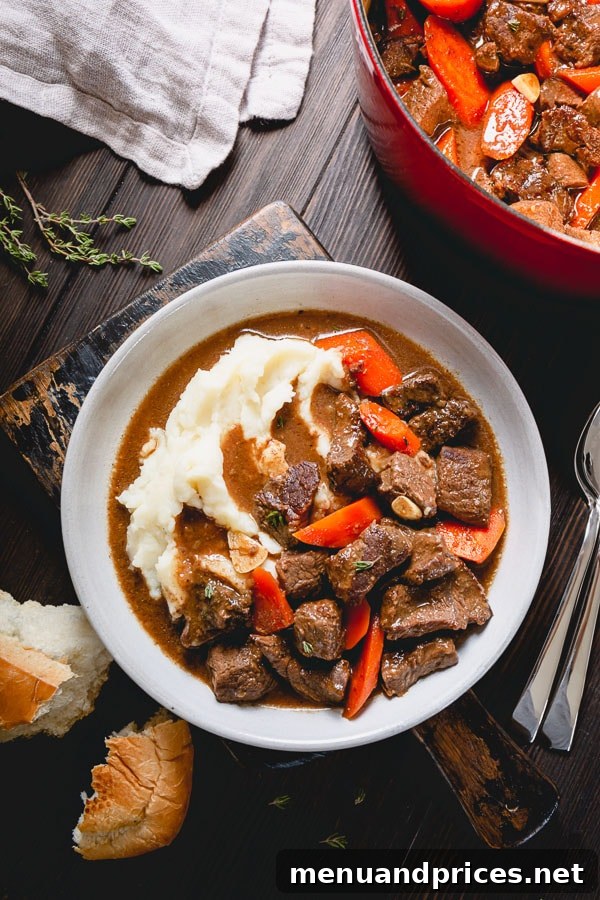
Prepare to experience a classic beef stew like never before! This isn’t just another beef stew recipe; it’s the **best beef stew recipe** you’ll ever make. I know that’s a bold claim, but the secret ingredient we’re about to unveil is an absolute game-changer. It infuses the stew with an extraordinary depth of flavor that will have you reaching for seconds, and even thirds, every single time.
Forget the need for tomato paste or wine; this hearty and rich beef stew achieves its incredible flavor profile through a simpler, yet more profound, method. It’s truly comfort in a bowl, perfect for chilly evenings or any time you crave a deeply satisfying meal.
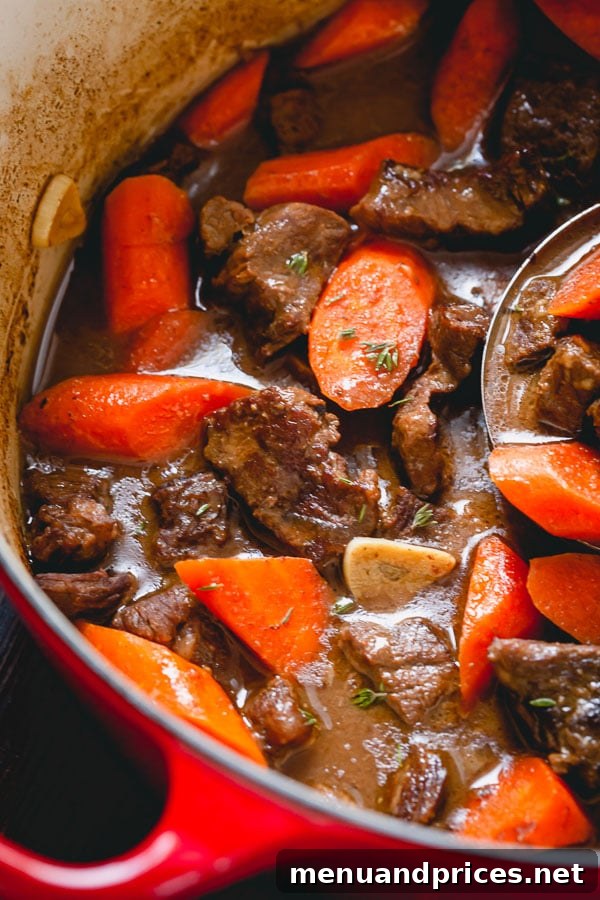
My journey to perfecting beef stew began with a unique challenge: impressing a third-generation rancher, my husband, who practically grew up on traditional beef stew. Coming from a different culinary background, I didn’t have a family recipe to fall back on. This led to years of delightful experimentation, numerous trials, and occasional errors, all in pursuit of that elusive, perfectly hearty and flavorful stew.
Through dedicated effort and a passion for good food, I finally cracked the code to a truly delicious beef stew. And yes, my discerning rancher husband wholeheartedly agrees that this recipe stands above the rest! It’s astonishing to think that such a rich and beefy gravy can be achieved without any tomato sauce, paste, or wine, yet it boasts an incredible depth of umami flavor that is simply unparalleled.
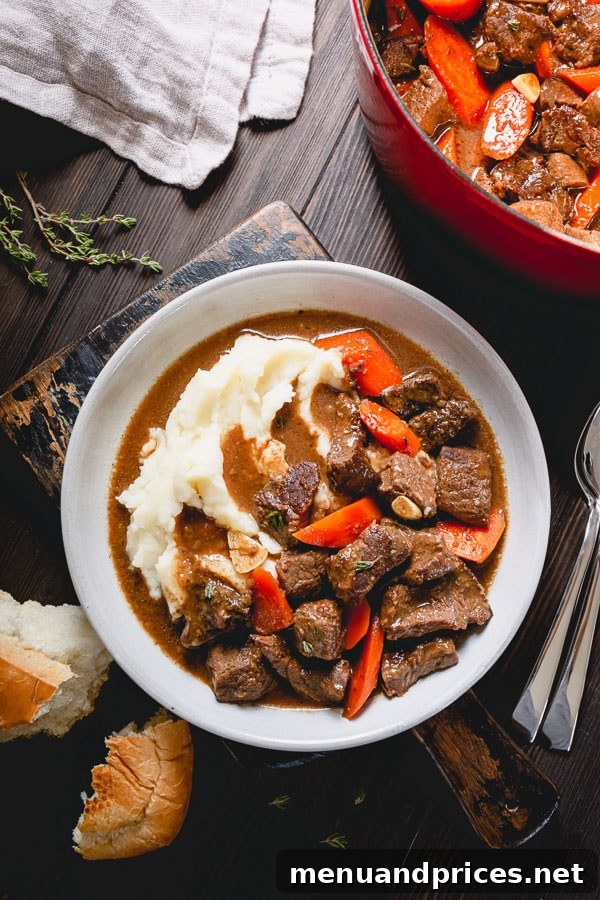
This remarkable beef stew has become a cherished family favorite for years, consistently delivering warmth and satisfaction. The secret to its profound, savory character lies in one unassuming yet incredibly powerful ingredient: **porcini powder.**
What is Porcini Powder? Unlocking the Umami Secret
Porcini powder is essentially dried porcini mushrooms that have been finely ground into a versatile powder. These magnificent mushrooms, celebrated across European cuisines, are renowned for their robust, earthy, and slightly nutty flavor, which is significantly more intense than common varieties like white button mushrooms.
What makes porcini powder so special is its exceptional concentration of umami, often referred to as the “fifth taste” – a savory deliciousness that deepens and harmonizes other flavors. When added to dishes, this magical powder doesn’t just add a mushroom flavor; it amplifies the inherent savory notes of ingredients, creating a complex and irresistible profile that keeps you coming back for more.
The umami compounds in porcini (glutamates and nucleotides) work synergistically to elevate the overall taste experience, making even simple dishes taste gourmet. This natural flavor enhancer is why porcini powder is such a potent tool in any chef’s, or home cook’s, arsenal, especially when aiming for a rich, beefy taste without relying on artificial enhancers or excessive salt.
Versatile Ways to Use Porcini Powder Beyond Stew
Porcini powder is incredibly versatile and can be incorporated into a wide array of dishes to boost their savoriness and add an exquisite depth of flavor. Its earthy aroma and intense umami make it a pantry staple for those looking to elevate their cooking effortlessly.
- Custom Seasoning Blends: Mix porcini powder with coarse salt, black pepper, garlic powder, and other favorite herbs to create your unique signature seasoning blend. This can be rubbed onto meats, sprinkled on vegetables before roasting, or used as a finishing salt.
- Breakfast Booster: Sprinkle a pinch of porcini powder onto your scrambled eggs, omelets, or even avocado toast for an unexpected burst of earthy umami. It adds an “oomph” that transforms an everyday breakfast into something truly special.
- Beyond Beef Stew: While it’s the star in this beef stew, porcini powder can enhance virtually any stew, soup, or sauce. Try it in chicken noodle soup, lentil stew, or a creamy mushroom sauce for pasta. Its ability to deepen broth flavors is unmatched.
- Dry Rubs and Marinades: Integrate porcini powder into dry rubs for steaks, roasts, or poultry. Its earthy notes complement red meats beautifully, contributing to a rich crust during searing or grilling. For marinades, dissolve it in a liquid base to infuse meats with a profound mushroom essence.
- Vegetable Enhancement: Roast vegetables like potatoes, Brussels sprouts, or asparagus with a dusting of porcini powder for an intensified savory flavor. It pairs wonderfully with root vegetables, bringing out their natural sweetness and earthiness.
- Gourmet Pasta and Risotto: Stir a teaspoon into your pasta sauces or risotto during cooking. It will significantly boost the richness and provide a depth that mimics long-simmered ingredients, elevating a simple dish to a culinary masterpiece.
Effortless Homemade Porcini Powder
Making your own porcini powder is incredibly simple and cost-effective, ensuring you always have this secret weapon on hand. All you need are dried porcini mushrooms and a coffee grinder or a high-speed blender:
- Source Dried Porcini: Purchase a bag of high-quality dried porcini mushrooms from your local gourmet grocery store or online. Ensure they are free from excessive dirt or debris.
- Grind to Perfection: Place the dried mushrooms in a clean coffee grinder or a spice grinder. Process them until they reach a nice, fine powder consistency. Avoid over-grinding, which can create a paste if there’s residual moisture.
- Storage: Store your homemade porcini powder in an airtight container in a cool, dark place. Properly stored, it will retain its potent flavor for several months, ready to be deployed in your next culinary creation.
It’s this magic ingredient that effortlessly enhances the beefy flavor of our stew, creating a symphony of tastes that will dazzle your palate. Now that we’ve uncovered the secret, let’s dive into cooking this sensational beef stew!

Essential Beef Stew Ingredients: Building Flavor from the Ground Up
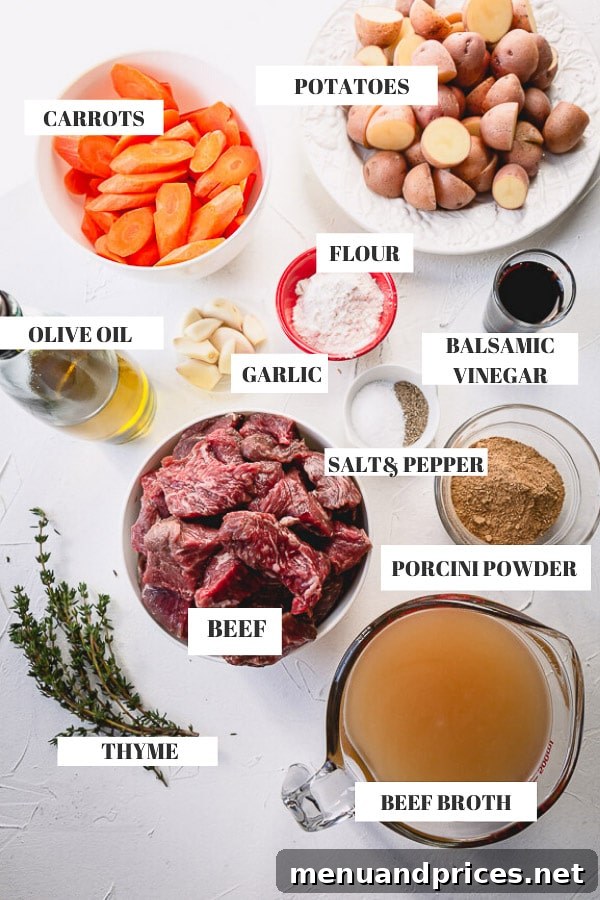
Beyond our remarkable secret ingredient, this beef stew recipe relies on a selection of basic, wholesome ingredients. Each component plays a crucial role in developing the complex, comforting flavors that define the perfect stew.
Here are some detailed notes on the key ingredients to ensure your stew is nothing short of spectacular:
- Beef: For optimal flavor and melt-in-your-mouth tenderness, I highly recommend using **chuck roast** over pre-cut “stew meat.” Chuck roast, with its good marbling, breaks down beautifully during slow cooking, yielding incredibly tender pieces. Cut it into 1 to 1.5-inch cubes yourself to control the size and ensure even cooking.
- Vegetables: Root vegetables are the backbone of a great stew, offering sweetness, earthiness, and substance. Carrots are a non-negotiable staple in our family, providing natural sweetness and vibrant color. Other excellent additions include rutabaga and turnips, which add a delightful peppery note and absorb the rich flavors of the broth. If you plan to make a large batch and freeze some, consider omitting potatoes as they can become mealy upon thawing and reheating. Instead, serve the reheated stew over freshly mashed potatoes.
- Flour: All-purpose flour serves as our primary thickening agent, creating that luxurious, rich gravy. Sautéing the floured meat not only builds a gorgeous crust (the Maillard reaction!) but also cooks out the raw flour taste, infusing the gravy with a nutty, complex flavor right from the start.
- Seasonings: A harmonious blend of seasonings is crucial for depth. Fresh garlic cloves, gently smashed to release their aromatics, are essential. While yellow onion is traditionally used, you can adjust the amount or even omit it if preferred due to personal preference or dietary reasons; the porcini powder compensates beautifully for any lost aromatic depth. Fresh herbs like thyme sprigs (or a touch of dried thyme) and a bay leaf impart a fragrant, herbaceous quality that elevates the stew.
- Balsamic Vinegar: In the absence of wine, a splash of balsamic vinegar is a non-negotiable ingredient. Its acidity cuts through the richness of the stew, brightening and balancing the flavors without adding a distinct vinegar taste. It provides that essential tang that wine typically offers, enhancing the overall complexity.
- Liquids: While water can certainly work, using a quality liquid base significantly deepens the stew’s flavor. Beef broth or even chicken stock are excellent choices. For a robust and convenient option, I often opt for a beef stock concentrate like Better Than Bouillon, which delivers rich, savory notes without the need for a homemade bone broth.
Crafting the Best Beef Stew: A Step-by-Step Guide
Creating this exceptional beef stew is a straightforward process, built on foundational cooking techniques that maximize flavor. Follow these steps for a truly unforgettable meal:
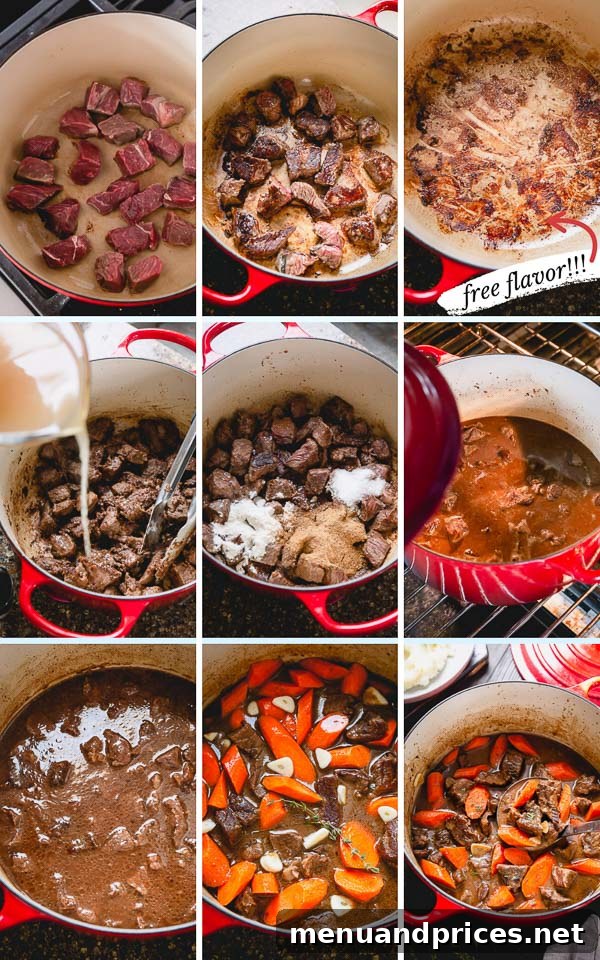
- Prepare the Meat and Sear: Begin by patting your cubed chuck roast dry. This is critical for achieving a good sear. Heat olive oil in a large Dutch oven over medium-high heat until shimmering. Working in batches to avoid overcrowding the pot, brown the beef on all sides, about 3-4 minutes per batch. A good sear develops the Maillard reaction, creating rich, complex flavors. Remove browned meat to a clean plate and repeat with remaining beef.
- Flavor Base with Flour and Seasonings: Return all the seared beef to the Dutch oven. Immediately sprinkle in the porcini powder, all-purpose flour, coarse kosher salt, and black pepper. Stir well to coat the meat evenly. Cook for about 2 minutes, stirring constantly. This step cooks out the raw flour taste and allows the spices to bloom, forming a fragrant crust on the meat.
- Deglaze and Simmer: Pour in the beef stock (or chosen liquid). Using a wooden spoon, vigorously scrape up all the delicious browned bits (fond) from the bottom of the pot. This deglazing step incorporates immense flavor into the liquid. Bring the mixture to a gentle simmer, then cover the pot tightly.
- Initial Oven Cooking: Transfer the covered Dutch oven to a preheated 350°F (175°C) oven. Cook for 1 hour. This initial cooking phase tenderizes the beef beautifully, allowing it to slowly absorb the rich flavors.
- Add Vegetables and Final Simmer: After 1 hour, carefully remove the pot from the oven. Stir in the chopped carrots, optional onion, smashed garlic cloves, bay leaf, and fresh thyme sprigs. Add the balsamic vinegar and mix everything thoroughly. Cover the pot once more and return it to the oven for another 30 minutes, or until the vegetables are tender but still hold their shape. The vegetables cook at the perfect time to avoid becoming overly mushy.
- Rest and Serve: Once cooked, remove the stew from the oven and let it rest for 5-10 minutes. This allows the flavors to meld and the gravy to thicken slightly. Garnish with fresh thyme, if desired, and serve hot with your favorite accompaniments.
Expert Tips for an Unforgettable Beef Stew
Elevate your beef stew from good to truly extraordinary with these crucial tips:
- Opt for Chuck Roast: This is arguably the most important tip. While “stew meat” is convenient, it’s often cut from various parts of the cow, leading to uneven tenderness. Chuck roast, with its ideal fat content and connective tissue, breaks down into incredibly succulent, fork-tender pieces during long, slow cooking. Cut it into uniform 1-inch cubes yourself for consistent results. The marbling in chuck roast renders down, enriching the gravy and making the beef intensely flavorful.
- Cook Meat and Vegetables in Stages: For perfectly tender meat and vegetables that aren’t overcooked and mushy, cook the meat separately for the first hour before introducing the vegetables. This ensures the beef has ample time to become melt-in-your-mouth soft, while the vegetables are added later to cook until tender-crisp, maintaining their texture and vibrant flavor. This staging prevents a common pitfall in stew making.
- Embrace the “Next-Day Flavor” and Freeze Smartly: Beef stew, like many braised dishes, almost always tastes better the next day as the flavors have more time to meld and deepen. Make a generous batch! For convenient future meals, beef stew freezes exceptionally well. If you plan to freeze portions, skip adding cubed potatoes to the stew, as they tend to become grainy and mushy after thawing. Instead, when ready to serve, simply reheat the stew and ladle it over freshly made mashed potatoes, polenta, or even rice for that satisfying meat-and-potato comfort meal. This allows you to enjoy perfectly textured potatoes every time.
- Don’t Skimp on the Sear: A deep, dark sear on the beef is not just about color; it’s about building foundational flavor. The Maillard reaction creates hundreds of new flavor compounds. Don’t overcrowd your pot, and ensure each side of the beef gets a good brown crust. This step contributes significantly to the richness of your final gravy.
- Deglaze Thoroughly: After searing the meat, the browned bits (fond) stuck to the bottom of your pot are pure gold. When you add liquid, use a wooden spoon to scrape up every single piece. This process, known as deglazing, incorporates all those caramelized, savory flavors back into your stew, adding immense depth to the broth.
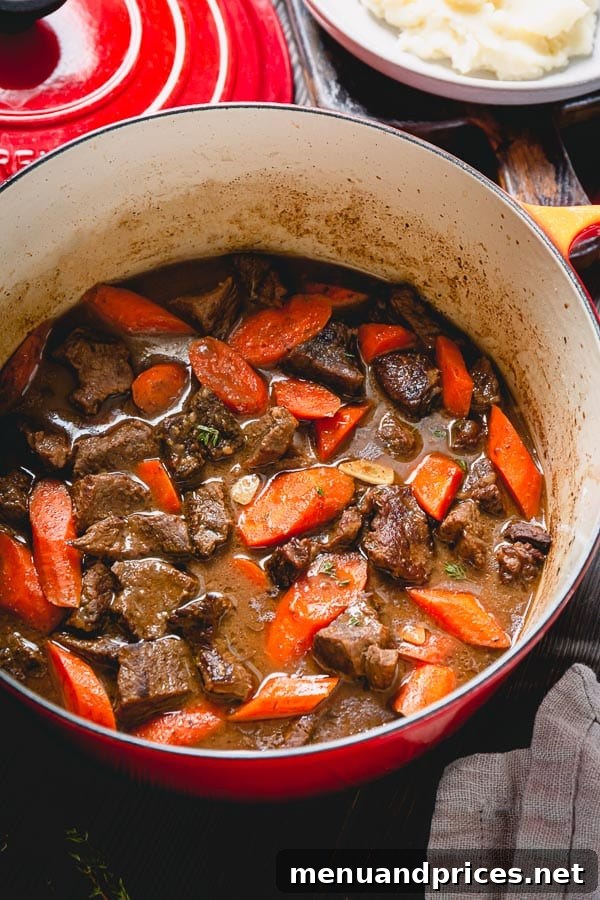
Perfect Pairings: What to Serve with Your Amazing Beef Stew
While this beef stew is a complete meal in itself, pairing it with the right side dishes can elevate the dining experience. Here are some delectable ideas to complement its rich flavors and keep your meals exciting:
- Hearty Barley: For a wholesome and satisfying pairing, serve your beef stew over perfectly cooked barley. Its chewy texture and nutty flavor absorb the rich gravy beautifully. Here’s a great tutorial on how to cook hulled barley for a fluffy, tender result.
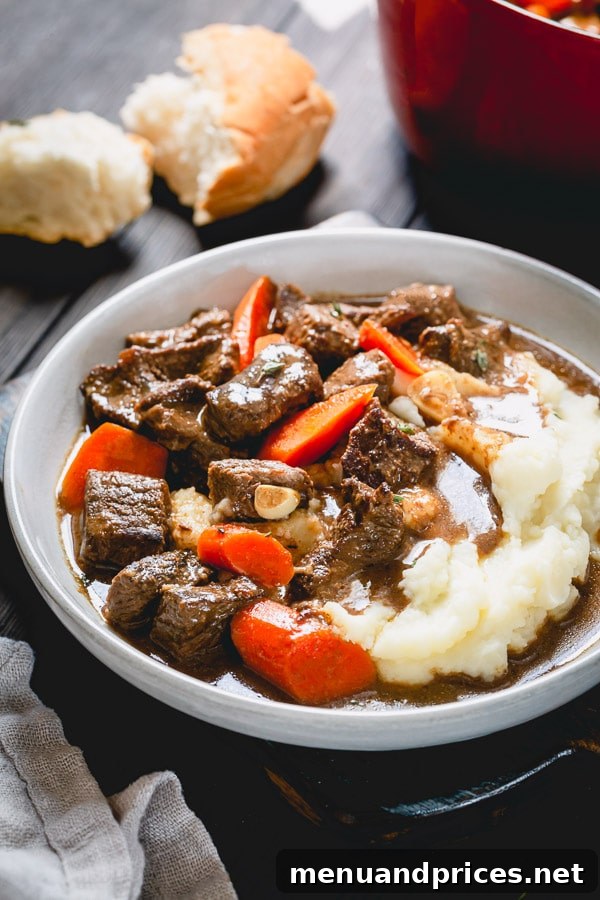
- Creamy Mashed Potatoes: A classic for a reason! The velvety smoothness of mashed potatoes provides a delightful contrast to the tender chunks of beef and rich gravy. My roasted garlic mashed potatoes are an especially flavorful choice, adding another layer of aromatic goodness.
- Smooth Creamy Polenta: For a gluten-free whole grain side dish that’s both elegant and comforting, creamy polenta is an excellent option. Its mild corn flavor and luxurious texture make it a fantastic base for soaking up every drop of the savory stew. Find a wonderful creamy polenta recipe here.
- Crusty French Bread: Don’t let a single drop of that incredible gravy go to waste! A loaf of warm, crusty homemade French bread (or a store-bought baguette) is perfect for soaking up all the delicious juices. It adds a satisfying textural contrast and ensures a clean bowl every time.
- Fluffy White Rice or Egg Noodles: For a simpler accompaniment, steamed white rice or wide egg noodles can perfectly capture the stew’s flavors. They offer a neutral base that lets the rich stew truly shine.
- Fresh Green Salad: To cut through the richness of the stew, a light and tangy green salad dressed with a vinaigrette can be a refreshing counterpoint. It adds freshness and a welcome textural contrast.

The BEST Beef Stew
Shinee Davaakhuu
2 hours
6 servings
Comment
Print Recipe
Ingredients
- 2 tablespoons olive oil or any kind of oil
- 2 lbs (1kg) chuck roast, cut into 1-1.5inch cubes
- 3 tablespoons porcini powder (See Note 1)
- 2 tablespoons all-purpose flour
- 2 teaspoons coarse kosher salt
- 1 teaspoon black pepper
- 2 cups (480ml) beef stock, or water, or combination of two (See Note 2)
- 4 large carrots peeled and cut into 1-inch chunks
- 1 medium yellow onion chopped, optional
- 5-7 garlic cloves smashed
- 2 tablespoons balsamic vinegar
- 1 bay leaf
- 2-3 fresh thyme sprigs or ½ teaspoon dried thyme
Instructions
-
Pre-heat the oven to 350°F (175°C).
-
Heat a large Dutch oven (I used a 5qt pot) over medium-high heat. Add oil.
-
When oil is shimmering hot, working in batches, add beef chunks in one layer and brown the meat on all sides, 3-4 minutes per side. Remove seared meat onto a clean plate and continue with the remaining beef.
-
Once all the beef is browned, return all the meat back into the pot.
-
Add porcini powder, flour, salt, and pepper. Stir well to coat and cook for 2 minutes, stirring constantly.
-
Pour in the stock.
-
Using a wooden spoon, deglaze the pan by scraping the bottom to release any browned bits.
-
Cover the pot and place it in the preheated oven. Cook for 1 hour.
-
Meanwhile, chop the carrots and onion, if using.
-
After 1 hour, add carrots, onion, garlic, bay leaf, and thyme to the pot.
-
Add balsamic vinegar and mix everything well.
-
Cover the pot and cook for another 30 minutes, or until vegetables are tender.
-
Garnish with fresh thyme, if desired, and serve along with crusty bread to soak up all the gravy. You can also serve the stew over mashed potatoes, polenta, or barley.
⭐️ Did you make this recipe?
Please leave a review and let us know how you liked it!
Tips & Notes
Note 2: If desired, you can use chicken stock as well for a slightly different flavor profile.
Nutrition

Did you make this?
Leave a rating and your feedback. Thank you!