

Welcome to the ultimate guide for crafting the perfect Eggs Benedict, a truly iconic dish that transforms any meal into a gourmet experience. Whether you’re planning a lavish Sunday brunch, celebrating a special occasion, or simply treating yourself to an indulgent breakfast, this classic recipe will impress. My streamlined approach includes a buttery-rich, homemade hollandaise sauce that comes together effortlessly in a blender—no tedious whisking required! This recipe makes creating restaurant-quality Eggs Benedict at home not just achievable, but surprisingly simple, even for novice cooks.

Pin this recipe now to easily find it later!
Pin It
Why You’ll Adore This Eggs Benedict Recipe
For as long as I can remember, Eggs Benedict has been my go-to brunch order, an irresistible symphony of flavors and textures. The combination of perfectly tender poached eggs, savory Canadian bacon, toasted English muffins, and that luscious, velvety hollandaise sauce is pure culinary bliss. Every single bite is an experience worth savoring.
- Effortless Elegance: Learning to make Eggs Benedict at home is far simpler than you might imagine. This recipe breaks down each step, making a seemingly complex dish accessible to home cooks.
- Foolproof Poaching & Hollandaise: I’ll share my secret to achieving perfectly formed poached eggs every time (a simple ramekin and a splash of white vinegar are key!) and guide you through crafting a fail-proof hollandaise sauce using just your blender. Say goodbye to split sauces and tricky whisking!
- Economical & Delicious: Homemade hollandaise is an excellent way to utilize leftover egg yolks from other recipes, ensuring no waste and creating a fresher, more vibrant sauce than any store-bought alternative.
- Impressive Results: This classic breakfast recipe consistently wows guests and family alike. Follow my easy-to-understand instructions, and you’ll master this brunch staple on your very first attempt, earning you rave reviews!
Prepare to elevate your brunch game with this incredibly satisfying and impressive dish. It’s truly a labor of love that pays off with every delightful forkful.

Essential Ingredient Notes for the Perfect Eggs Benedict
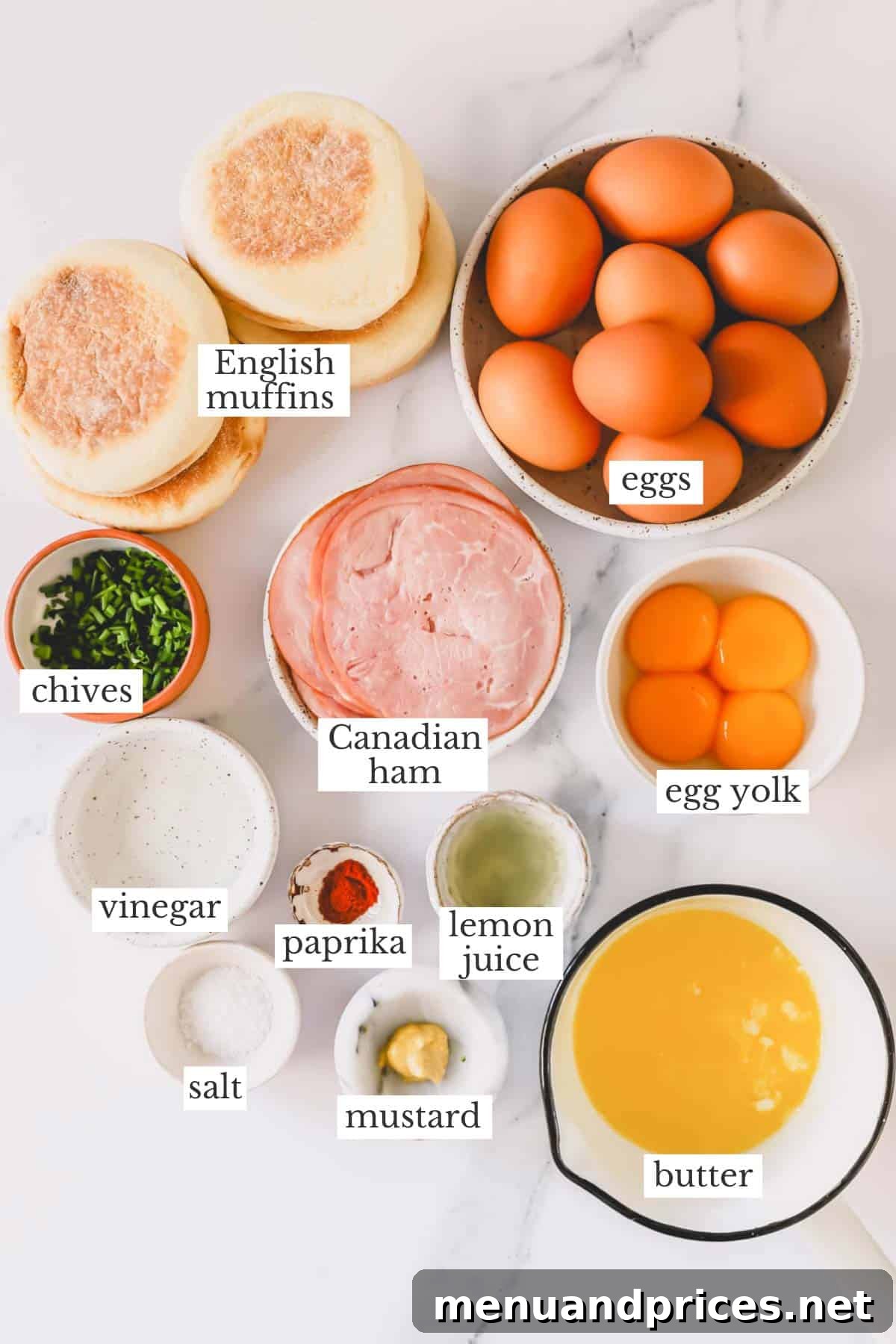
Crafting exceptional Eggs Benedict starts with selecting and understanding your ingredients. Here’s a breakdown of what you’ll need and why each component is vital:
For the Velvety Hollandaise Sauce:
- Egg Yolks: These are the foundational building blocks of hollandaise, providing its signature smooth, creamy texture and acting as an emulsifier to bind the sauce together. For best results, use fresh, large egg yolks. To separate, simply crack an egg over a bowl and gently pass the yolk between the two shell halves, allowing the white to drip away.
- Fresh Lemon Juice: A squeeze of fresh lemon juice is crucial. It brightens the rich, heavy flavors of the egg yolks and butter, introducing a zesty, tangy counterpoint that cuts through the richness, creating a perfectly balanced sauce.
- Dijon Mustard: Just a small amount of Dijon mustard adds an extra layer of tangy depth and helps to stabilize the emulsion. Opt for smooth Dijon mustard, as its creamy consistency integrates seamlessly into the sauce. Grainy varieties may not fully incorporate, leading to a less silky texture.
- Unsalted Butter: The unsung hero of hollandaise! Melt your unsalted butter gently, either in the microwave or in a small saucepan over low heat. It’s essential that the butter remains hot when you slowly pour it into the egg yolk mixture. This heat is critical for the emulsification process, ensuring a stable, thick sauce. Avoid melting it too far in advance, as it needs to retain its warmth.
- Smoked Paprika & Kosher Salt: These seasonings add a subtle depth of flavor and a beautiful hint of color to your hollandaise. The smoked paprika introduces a mild, smoky note that complements the richness of the butter and eggs.
For Perfectly Poached Eggs:
- Eggs: The fresher your eggs, the better they will poach. Fresher eggs have tighter whites that hold their shape beautifully in hot water, resulting in a more appealing, compact poached egg. If possible, source eggs from a local farm; otherwise, always check expiration dates for the freshest options available.
- White Vinegar: This is a game-changer for achieving perfectly formed poached eggs. A small splash of white vinegar in the poaching water helps the egg whites set more quickly upon contact with the hot water, preventing them from spreading out and ensuring a neat, round shape. Don’t worry, you won’t taste the vinegar in the final dish!
For Assembling Your Masterpiece:
- English Muffins: You’ll need one whole English muffin per person (split into two halves). Traditional white English muffins are the classic choice, offering a perfect textural base. However, whole-grain varieties also work well if you prefer. Ensure they are well-toasted to prevent sogginess from the eggs and sauce.
- Canadian Bacon: This lean, cured pork product, resembling thick-cut ham, is the traditional protein for Eggs Benedict. Since it’s fully cooked, it only requires a quick reheating and searing to achieve golden-brown edges. If Canadian bacon isn’t available, excellent substitutes include regular crispy bacon, thinly sliced ham, decadent smoked salmon (for Eggs Royale), or even turkey bacon for a lighter option.
- Fresh Chives: A sprinkle of finely chopped fresh chives not only adds a vibrant pop of color but also a delicate, oniony freshness that beautifully complements the richness of the dish.
Pro Tip for Perfect Egg Poaching: The Ramekin Advantage
Before you even think about poaching, make sure you have a small ramekin or a small measuring cup readily available. This simple tool is an absolute game-changer for achieving perfectly shaped poached eggs. Cracking each egg into a ramekin first gives you unparalleled control when gently sliding it into the simmering water. This method ensures the egg maintains its integrity, preventing the yolk from breaking and the white from dispersing, resulting in that iconic, plump poached egg every single time.
How to Make Easy Blender Hollandaise Sauce
Forget the fear of making hollandaise from scratch! Our blender method makes this luxurious sauce virtually foolproof, delivering a smooth, emulsified masterpiece every time.
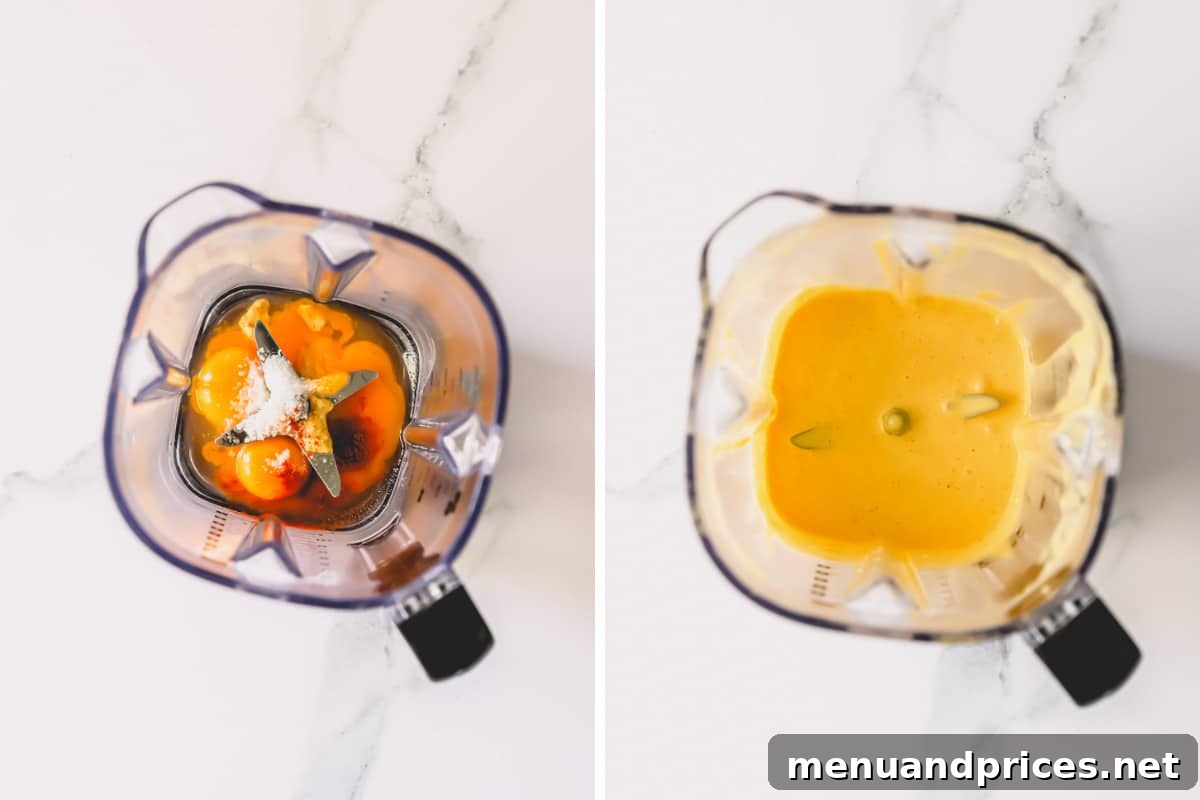
- Prepare the Base: Into your blender, add the egg yolks, fresh lemon juice, Dijon mustard, smoked paprika, and kosher salt.
- Blend to Frothy: Secure the lid and blend the mixture on high speed for about 15-20 seconds. You want it to become light, frothy, and slightly pale yellow in color. This aeration helps create a stable emulsion.
- Melt the Butter: While the blender is briefly paused, melt your unsalted butter. You can do this in the microwave (in 20-second intervals until fully melted and hot) or in a small saucepan over low heat on the stove. The butter must be piping hot for the emulsion to work effectively.
- Slow Drizzle & Emulsify: With the blender running on its lowest speed, slowly and steadily pour the hot melted butter in a thin stream through the opening in the blender lid. This gradual addition is key to emulsification. You’ll notice the sauce begin to thicken almost immediately as the butter is incorporated, transforming into a rich, creamy, and velvety hollandaise. Continue blending until all the butter is added and the sauce is thick and smooth.
- Season & Serve: Taste the sauce and adjust seasonings as needed. You might want a little more salt or a dash more lemon juice to balance the flavors perfectly.
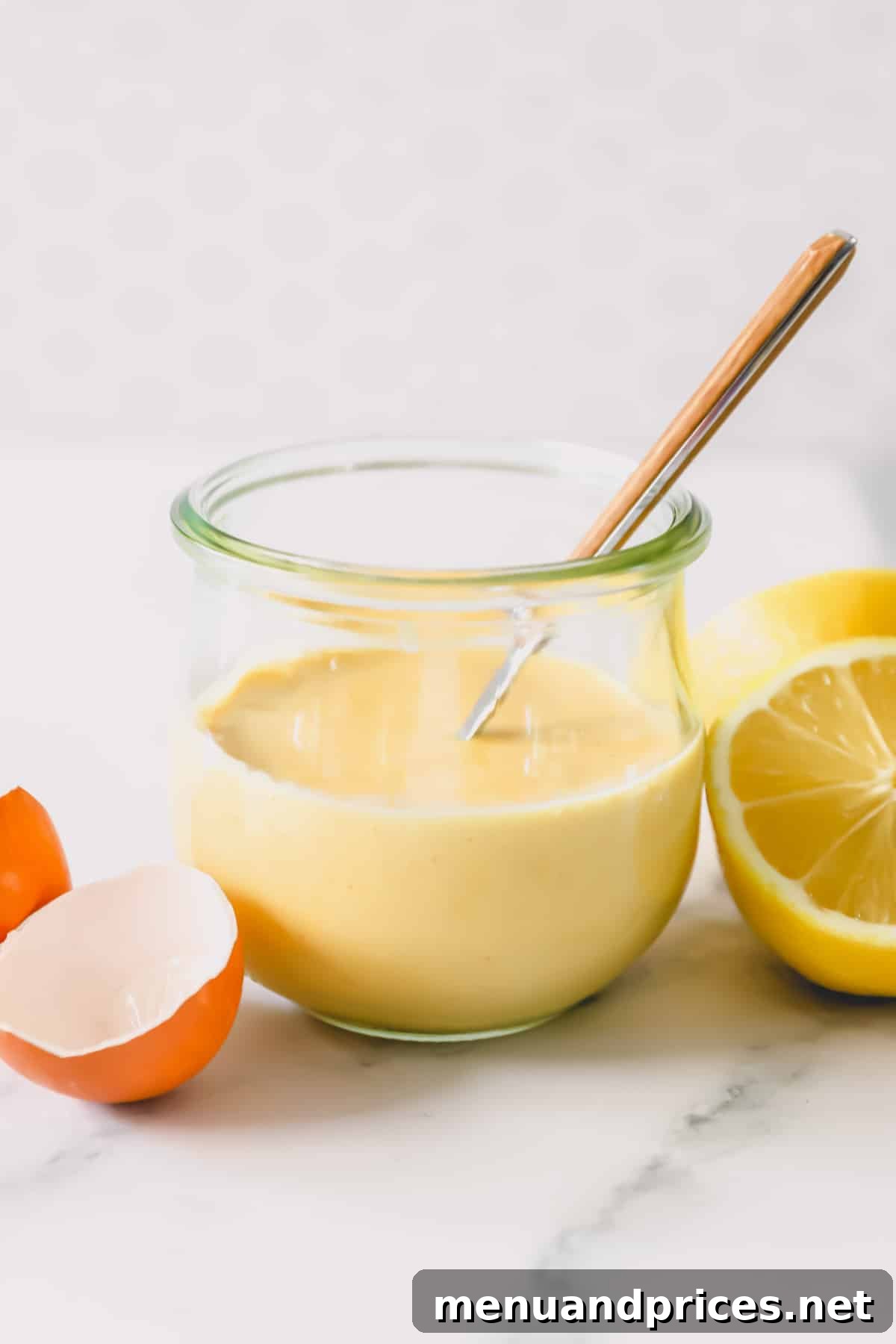
- Keep Warm: Pour your fresh hollandaise into a glass jar or a small serving bowl. For immediate serving, it’s perfect as is. To keep it warm for a short period, cover the jar with a tight-fitting lid and place it in a larger bowl filled with hot (not boiling) water. This gentle water bath will maintain its ideal temperature and luxurious consistency.
Mastering the Art of Poached Eggs
Achieving perfectly poached eggs is simpler than you think with a few key techniques. Follow these steps for tender whites and runny yolks every time.
- Individual Egg Preparation: Crack one egg at a time into a small ramekin or a small measuring cup. This allows you to gently introduce each egg into the water, preventing breakage and maintaining a neat shape. You’ll work in batches, so one ramekin is sufficient.
- Prepare the Poaching Water: Fill a large non-stick skillet or a wide pot with water, ensuring it’s about 1 ½ inches deep, or roughly halfway full. The width of the pan is important as it allows space for the eggs to cook without overcrowding.
- Bring Water to a Simmer: Heat the water over medium heat. Watch closely for small bubbles forming on the bottom of the pan and gently rising to the surface – this indicates a perfect simmer. Crucially, do not allow the water to come to a full, rolling boil, as this can break apart the delicate egg whites.
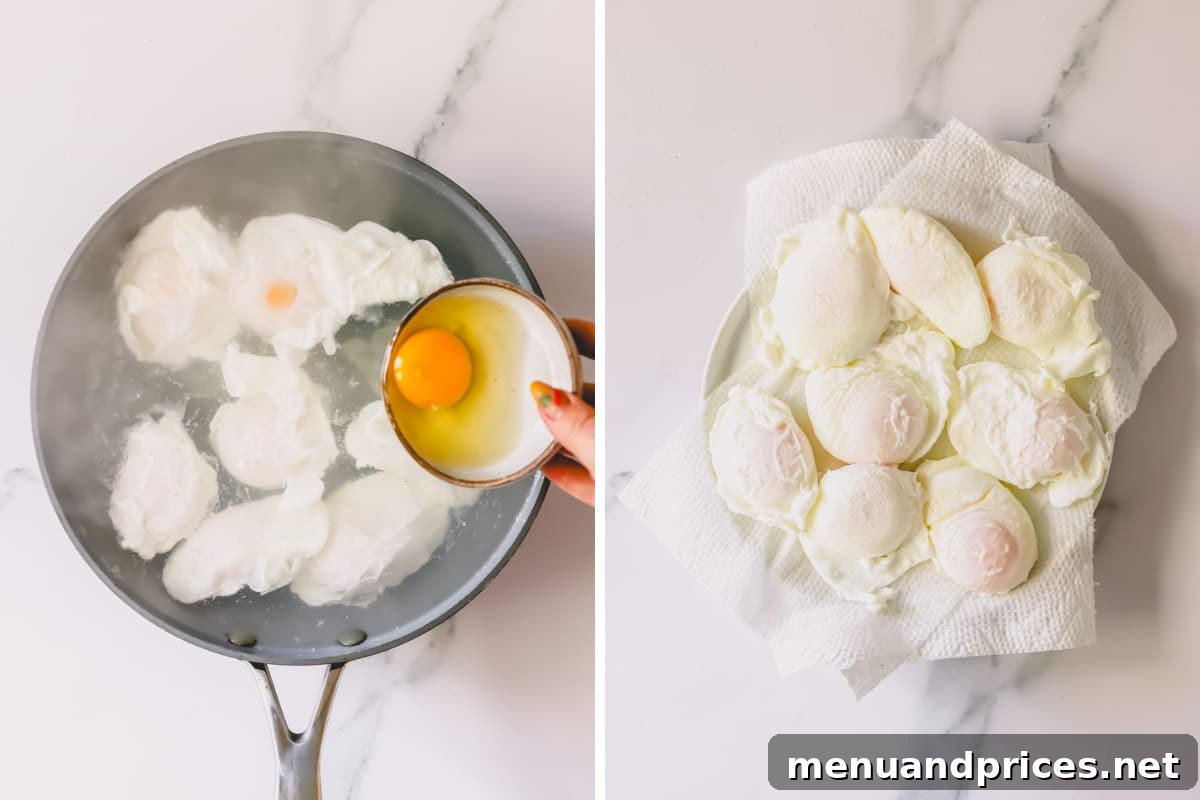
- Add Vinegar & Poach: Once simmering, add the white vinegar to the water. Gently tilt the ramekin, allowing the egg to slide smoothly into the simmering water. Repeat this process one egg at a time, preparing subsequent eggs in the ramekin just before adding them to the pot. Depending on the size of your pan, you may need to work in batches of 3-4 eggs to avoid overcrowding and maintain consistent water temperature.
- Cook to Perfection: Cook the eggs for approximately 3-4 minutes. The goal is for the egg whites to be fully set and firm, while the yolk remains wonderfully soft and runny. Adjust cooking time slightly based on your preferred yolk consistency.
- Drain & Prepare: Using a slotted spoon, carefully remove each poached egg from the water. Transfer them to a plate lined with paper towels to gently drain any excess water. This step ensures your English muffins won’t become soggy during assembly.
Assembling Your Exquisite Eggs Benedict
With your hollandaise perfected and eggs poached, it’s time to bring all the delicious components together for a show-stopping presentation.
- Sear the Canadian Bacon: In a hot skillet, sear the slices of Canadian bacon until the edges are beautifully golden brown and slightly crispy. This adds texture and enhances its savory flavor.
- Toast English Muffins: While the Canadian bacon cooks, split and toast your English muffins until they are golden and firm. A well-toasted muffin provides a sturdy base that won’t become soggy under the weight of the egg and sauce.
- Layer & Garnish: Place each toasted English muffin half onto a serving plate. Top each half with a seared slice of Canadian bacon, followed by a delicately poached egg. Finally, generously drizzle each egg with your warm, homemade hollandaise sauce. For a finishing flourish, garnish with finely chopped fresh chives.
- Serve Immediately: Eggs Benedict is best enjoyed immediately. Serve it alongside a crisp side salad, a refreshing fruit salad, or hearty roasted potato wedges for a complete and satisfying brunch.

Essential Tips for Eggs Benedict Perfection
Achieve consistently perfect Eggs Benedict with these expert tips:
- The Power of Vinegar in Poaching Water: Don’t skip the splash of white vinegar in your poaching water! Vinegar helps the egg whites coagulate rapidly upon contact with the hot water, preventing them from spreading and ensuring that characteristic tight, round, and plump shape. This simple addition makes all the difference in achieving beautifully formed eggs.
- Serve Hollandaise Warm for Optimal Texture: Hollandaise sauce is incredibly sensitive to temperature. It is at its absolute best—smooth, velvety, and pourable—when served warm. As it cools, it tends to thicken excessively and can become clumpy. Therefore, time your sauce preparation to coincide with serving, or keep it gently warm in a hot water bath (as described in the hollandaise instructions) until ready to drizzle.
- Toast English Muffins Generously: Feel free to toast your English muffins a little darker than you normally would for breakfast. The moisture from the juicy poached eggs and the rich hollandaise sauce will naturally soften them. If they are under-toasted, they risk becoming soggy and disintegrating, which diminishes the overall experience. A robust toast provides a sturdy and satisfying base.
- Ramekin Alternative: If you don’t own a ramekin, a small measuring cup makes an excellent substitute. The key is to always crack the egg into a separate dish before gently sliding it into the poaching water. This allows for controlled placement, reducing the risk of the yolk breaking and ensuring a perfect shape. Avoid cracking eggs directly into the pot.
- Freshness Matters: Especially for eggs, freshness is key. Fresher eggs have tighter whites that hold together better when poached. Check expiration dates or seek out local farm eggs for superior results.
- Hot Butter is Non-Negotiable: When making hollandaise, ensure your melted butter is still hot when you slowly incorporate it into the egg yolk mixture. The heat helps the emulsion form and prevents the sauce from splitting.
Smart Make-Ahead Tips for Stress-Free Brunch
While Eggs Benedict is undeniably best served fresh and warm, a few strategic make-ahead steps can significantly ease your morning rush, allowing you more time to relax and enjoy your coffee.
- Poach Eggs in Advance: You can perfectly poach your eggs ahead of time. Follow the poaching instructions as written. Immediately after cooking, transfer the poached eggs to an ice water bath to halt the cooking process. Once completely cooled, store the cooked eggs in the refrigerator, submerged in cold water, for up to 12 hours. When you’re ready to serve, gently reheat the eggs by submerging them in a pot of hot (not boiling) water for approximately 1 minute until warmed through.
- Cook Canadian Bacon or Bacon Ahead: If your preferred choice is regular crispy bacon over Canadian bacon, cooking it the day before will save a significant amount of time. Cook the bacon to your desired crispiness and store it in an airtight container in the fridge for up to 24 hours. Reheat it quickly in the microwave or a warm skillet when it’s time to assemble. Canadian bacon cooks so quickly that it’s often not necessary to prepare it ahead, but you certainly can if desired.
- Prepare Hollandaise Ingredients: While the hollandaise itself is best made fresh, you can pre-measure your lemon juice, Dijon mustard, and spices the night before. This small step helps streamline the process on brunch morning.

Storing & Reheating Leftovers: A Realistic Approach
For the most memorable experience, Eggs Benedict and homemade hollandaise sauce shine brightest when served piping hot and fresh. Reheating leftovers often means a compromise in quality, as the delicate textures can change. However, if you can’t bear to let any go to waste, here’s how to manage it:
- Separate Storage is Best: Store any leftover Eggs Benedict components and hollandaise sauce covered in the refrigerator for 1-2 days. Ideally, store each component separately: eggs, bacon, English muffins, and hollandaise. This helps preserve individual textures.
- Gentle Reheating Techniques:
- Hollandaise Sauce: Reheat leftover hollandaise sauce gently in a saucepan over very low heat, whisking constantly until just warmed through and smooth again. Be careful not to overheat, or it may split.
- Poached Eggs: Warm poached eggs by submerging them in a bowl of hot (not boiling) water for about 1 minute.
- Canadian Bacon: Canadian bacon can be quickly reheated on the stove over low heat until warm, or in the microwave.
- English Muffins: To restore some crispiness to the English muffins, lightly toast them again in a toaster or under the broiler.
Once all components are warm, reassemble and enjoy, understanding that the textures may not be as perfect as fresh.
Frequently Asked Questions About Eggs Benedict
- What is the difference between Eggs Royale and Eggs Benedict?
- Both Eggs Royale and Eggs Benedict share the same fundamental elements: perfectly poached eggs, a toasted English muffin base, and a generous topping of rich hollandaise sauce. The primary distinction lies in the protein component. Eggs Benedict traditionally features savory Canadian bacon or ham, while Eggs Royale substitutes this with delicate smoked salmon (often referred to as lox), offering a different flavor profile that’s equally delicious.
- What is Eggs Benedict Florentine?
- Eggs Benedict Florentine offers a delightful vegetarian twist on the classic. It incorporates all the beloved traditional flavors of an Eggs Benedict recipe but omits the meat topping. Instead, sautéed fresh spinach is layered onto the English muffin, providing a vibrant, earthy element that perfectly complements the poached egg and hollandaise, making it an ideal choice for vegetarians.
- What is traditionally served with Eggs Benedict?
- Eggs Benedict is a rich and fulfilling dish, often paired with sides that provide balance or a refreshing contrast. Traditionally, roasted asparagus, crispy breakfast potatoes, and fresh fruit are popular accompaniments. A light green side salad also complements the richness beautifully. My sweet potato salad or a vibrant watermelon feta salad would be perfect and unexpected pairings.
- What sauce can I use instead of hollandaise?
- While hollandaise is iconic for Eggs Benedict, several delicious alternatives can be used. Béarnaise sauce is often considered hollandaise’s sophisticated cousin; it shares similar main ingredients but is elevated with the addition of shallots, tarragon, and other fresh herbs, offering a more aromatic profile. Other savory alternatives include a creamy sausage gravy for a heartier, Southern-inspired twist, or a classic béchamel sauce for a milder, rich creaminess. For those seeking something lighter, a simple lemon butter sauce can also work in a pinch.
Explore More Delicious Breakfast & Brunch Recipes:
- Smoked Salmon Quiche
- Fluffy Buttermilk Pancakes
- Decadent Overnight Caramel Rolls
- Irresistible Blueberry Cheesecake Muffins

Eggs Benedict with Easy Homemade Hollandaise Sauce
By Shinee Davaakhuu
Prepare classic Eggs Benedict at home in under 30 minutes using my no-fail blender hollandaise sauce recipe!
Servings: 4 servings
Yields: 4 servings
Print Recipe
Ingredients
Blender Hollandaise Sauce
- 4 egg yolks
- 1 tablespoon fresh lemon juice
- ½ teaspoon Dijon mustard
- ¼ teaspoon smoked paprika
- ½ teaspoon kosher salt
- ½ cup unsalted butter, melted and hot
Poached Eggs
- 8 large eggs (2 per serving for classic presentation)
- 2 teaspoons white vinegar
Assembly
- 4 English muffins, split and well-toasted
- 8 slices Canadian bacon (or use smoked salmon, or regular bacon – see Note 1)
- 2 tablespoons chives, finely chopped for topping
Equipment
- 1 Blender
- 1 Small Ramekin (or small measuring cup)
- Large non-stick skillet or wide pot
- Slotted spoon
Instructions
Hollandaise Sauce
- Combine Ingredients: Add the egg yolks, fresh lemon juice, Dijon mustard, smoked paprika, and kosher salt to your blender. Blend on high for 15-20 seconds until the mixture is frothy and light.
- Emulsify with Hot Butter: While the blender is running on its lowest speed, slowly drizzle the hot melted unsalted butter into the egg yolk mixture in a thin, steady stream. Continue blending until all the butter is incorporated and the sauce is thick, smooth, and velvety. Taste and adjust seasoning as needed.
- Serve or Keep Warm: Pour the finished hollandaise into a jar or serving vessel. Serve immediately for the best texture. To keep it warm for a short period, place the sealed jar into a large bowl filled with hot water.
Poached Eggs
- Prepare Eggs & Water: Crack one egg into a small ramekin and set aside. Fill a large non-stick skillet or wide pot with about 1 ½ inches of water.
- Simmer Water: Heat the water over medium heat until it reaches a gentle simmer. You should see small bubbles at the bottom of the pan, but it should not be at a rolling boil.
- Add Vinegar & Poach: Add 2 teaspoons of white vinegar to the simmering water. Gently tilt the ramekin and slide the egg into the water. Repeat this for the remaining eggs, one at a time, preparing each egg in the ramekin before adding to prevent breakage. Work in batches of 4 eggs if your pan is large enough, or fewer if preferred.
- Cook & Drain: Set a timer for 3-4 minutes, cooking until the white is fully set but the yolk remains deliciously soft and runny. Using a slotted spoon, carefully remove the poached eggs and transfer them to a plate lined with paper towels to drain excess water.
Assemble Eggs Benedict
- Cook Canadian Bacon & Toast Muffins: Sear the Canadian bacon slices in a hot skillet until their edges are golden and slightly crispy. While the bacon cooks, toast your English muffins until golden brown and firm.
- Layer & Garnish: Place the toasted English muffin halves on a serving platter. Top each half with a slice of seared Canadian bacon, followed by a perfectly poached egg. Generously drizzle with the warm hollandaise sauce and sprinkle with finely chopped chives. Enjoy immediately, perhaps with a fresh side salad.
⭐️ Made this recipe? Please leave a review and let us know your thoughts!
Tips & Notes
Note 1: Alternative Proteins: If Canadian bacon is unavailable, regular crispy bacon, thinly sliced ham, decadent smoked salmon, or even turkey bacon are excellent substitutes.
Note 2: Ramekin Substitute: No ramekin? No problem! A small measuring cup works just as well for cracking eggs into before poaching, ensuring they maintain their shape.
Storing Tips:
This recipe is truly best served fresh. However, if you have leftovers:
- Store leftover Eggs Benedict components and hollandaise sauce separately, covered, in the refrigerator for 1-2 days.
- To reheat hollandaise, gently warm in a saucepan over low heat, whisking constantly to prevent splitting.
- Reheat poached eggs by placing them in hot water for about 1 minute.
- Canadian bacon can be warmed on the stove or in the microwave.
- Lightly re-toast English muffins to regain some crispness before reassembling and enjoying.
Nutrition Information (per serving, approximate)
- Servings:
- 1 serving
- Calories:
- 613 kcal
- Carbohydrates:
- 29 g
- Protein:
- 30 g
- Fat:
- 41 g
- Sugar:
- 1 g
- Sodium:
- 1214 mg

Did you make this?
Leave a rating and your feedback. Thank you!