
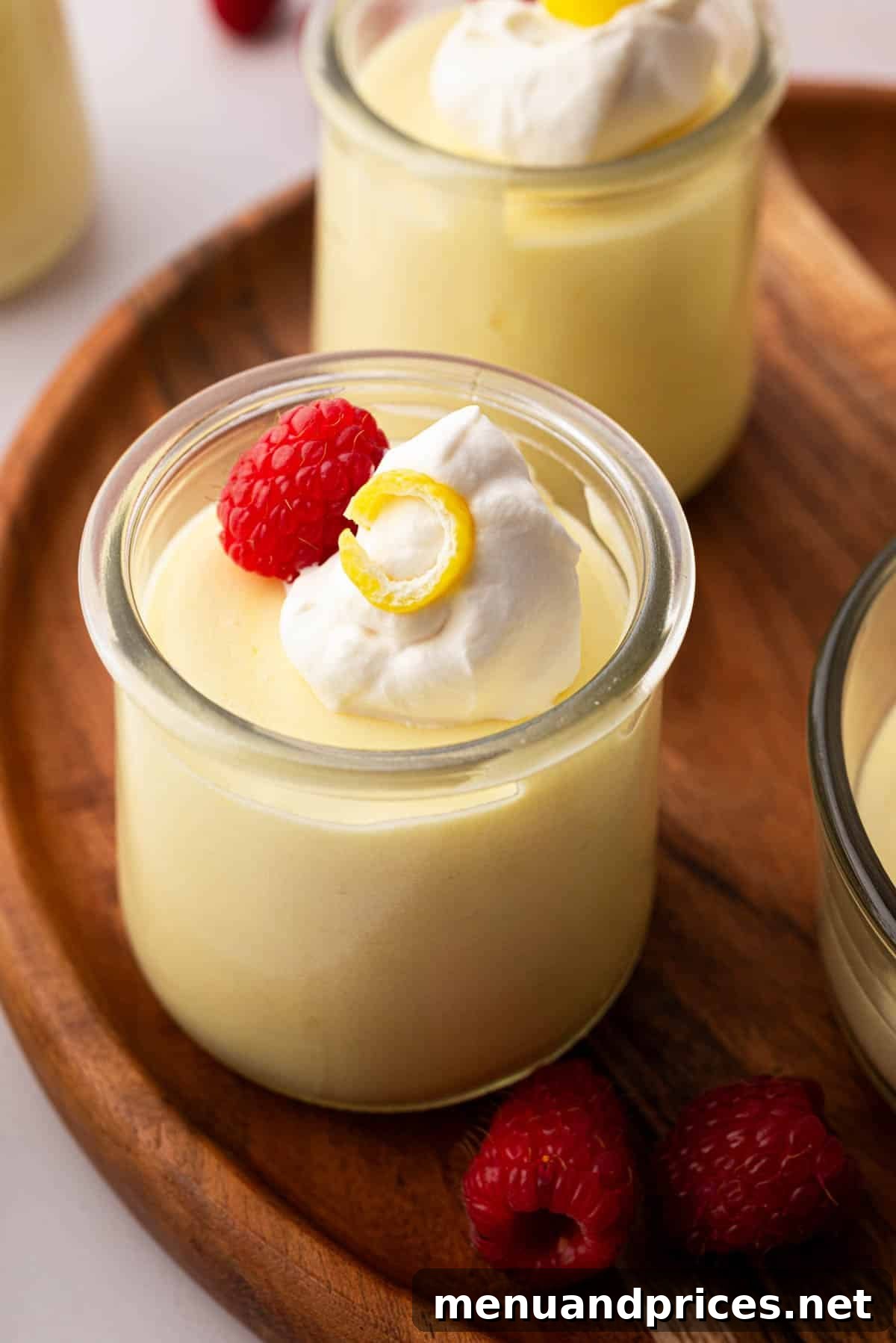
Indulge in the exquisite simplicity of this light and airy lemon mousse. Crafted with a time-honored classic French technique and requiring just five core ingredients, this recipe promises a dessert that is both silky in texture and bursting with vibrant, zesty citrus flavor. It’s an elegant treat that effortlessly impresses, yet remains surprisingly straightforward to prepare.
This delightful lemon mousse is ideal for making ahead, making it a perfect choice for bustling holidays, sophisticated dinner parties, or any special gathering where a refreshing, impressive, and utterly delicious treat is desired. Its bright profile makes it particularly appealing during warmer months, but its elegance is welcome year-round.
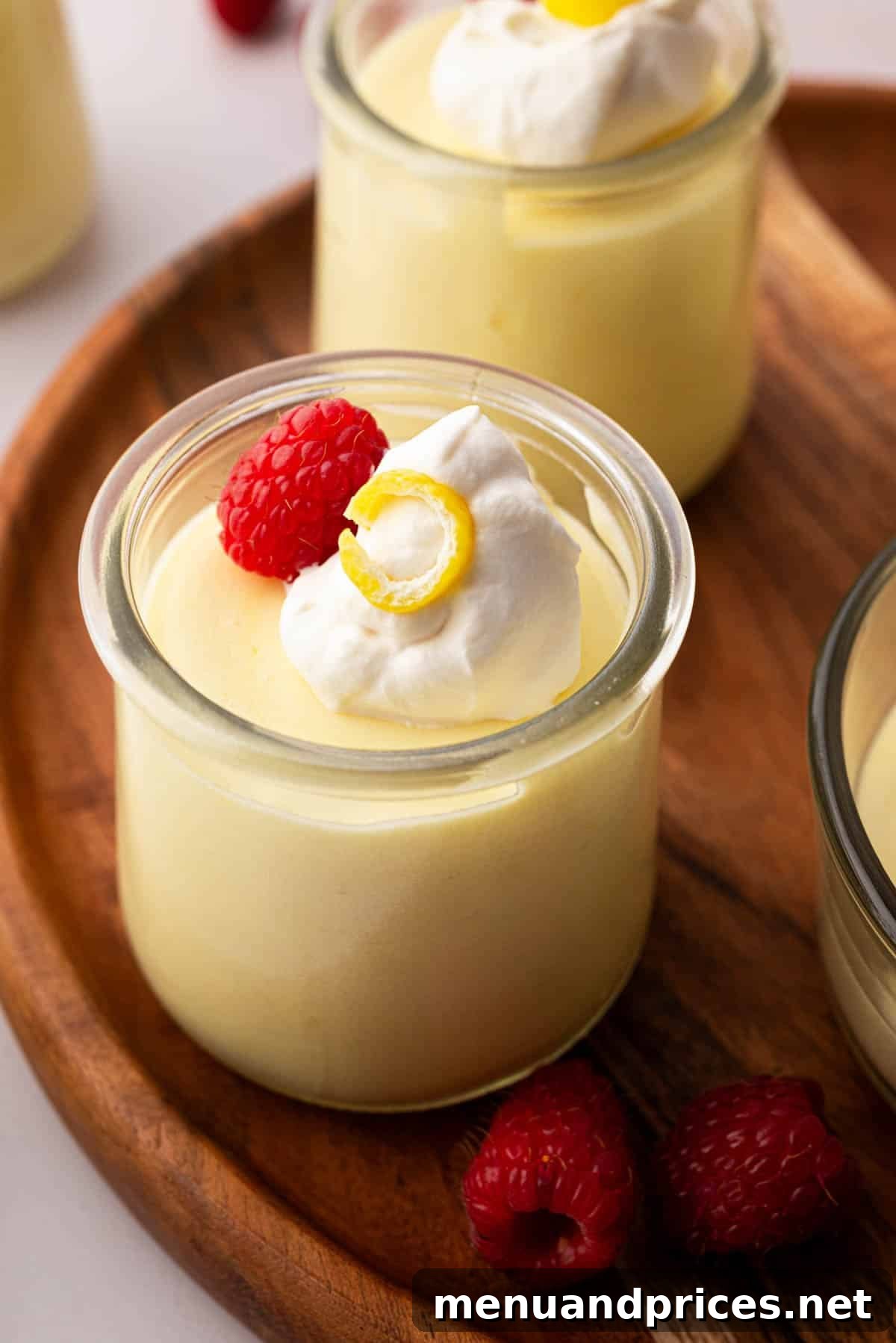
While the concept of a classic mousse might initially seem intimidating or overly complicated, it is, in fact, one of the most accessible desserts to master at home, yielding results that rival any restaurant-quality creation. I personally adore this French lemon mousse as an easy yet impressive dinner party dessert. Its prep time is surprisingly short, often less than 30 minutes, before it simply needs a few hours to set in the refrigerator. This generous chilling period is a huge advantage, freeing up valuable time for me to focus on preparing other components of a meal or simply relaxing before guests arrive.
This comprehensive guide meticulously breaks down every essential step of the classic French method. From the careful creation of the cooked egg yolk and sugar mixture, famously known as a sabayon, to the precise whipping of both egg whites and heavy cream to achieve perfect peaks, and finally, the crucial refrigeration period that transforms the mixture into a soft, creamy, and irresistible dessert. While lemon remains my preferred flavor for its unparalleled bright and tangy notes, the versatility of this mousse base is remarkable. You can effortlessly adapt this recipe to feature other delightful flavors such as classic vanilla, rich chocolate, nutty almond, comforting pumpkin, vibrant raspberry, or any other flavor that sparks your culinary imagination!
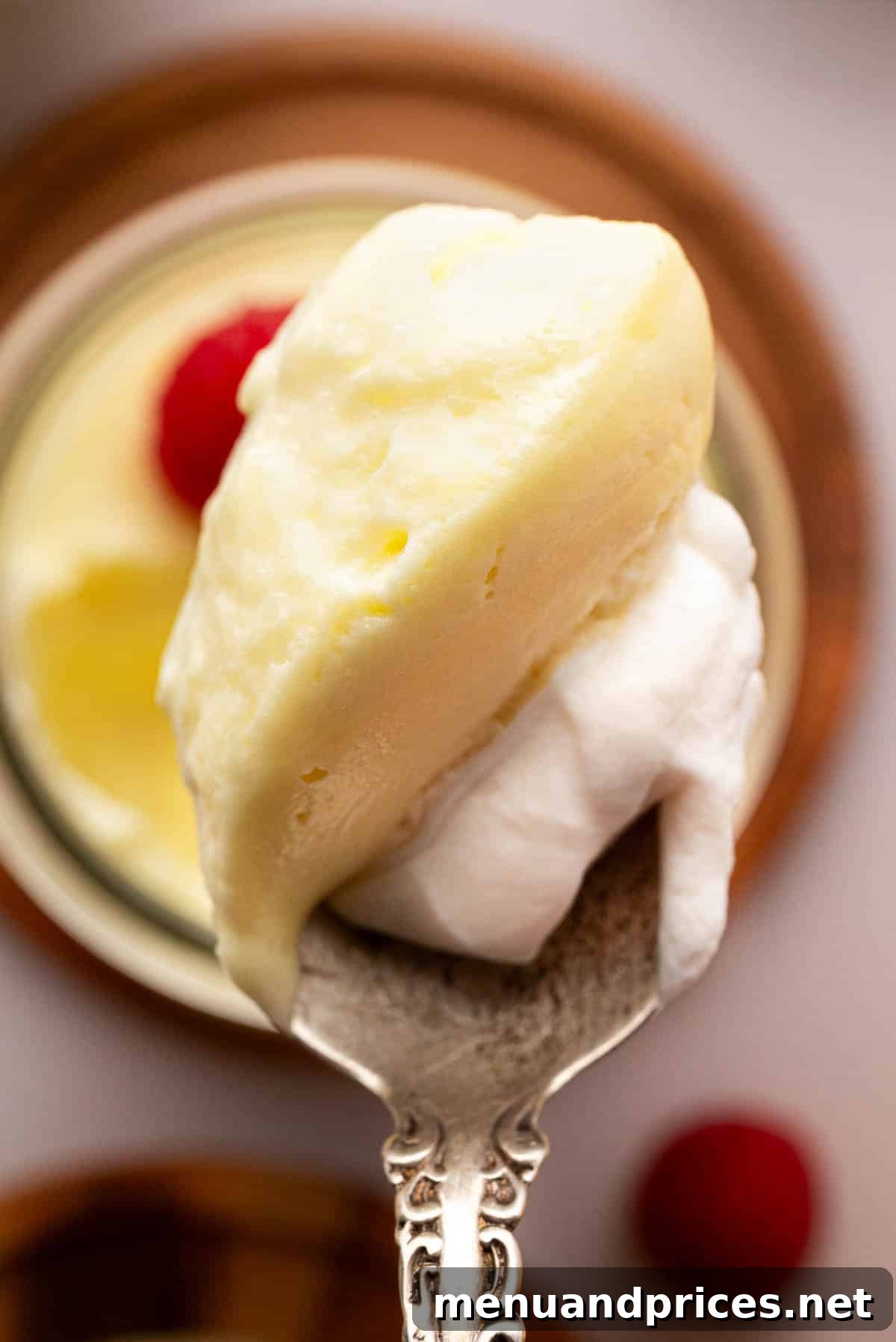
Beyond its incredible flavor, a well-made mousse offers a delightful sensory experience. The way it melts in your mouth, leaving a refreshing citrus finish, is truly unforgettable. This recipe focuses on achieving that ideal balance of lightness, creaminess, and intense lemon zest, making it a standout addition to your dessert repertoire.
Table of Contents
- Why You’ll Love This Easy Lemon Mousse Recipe
- Key Ingredient Notes for Perfect Mousse
- How to Make Classic French Lemon Mousse
- Expert Tips for Mousse Making
- Storage and Make-Ahead Instructions
- Frequently Asked Questions About Lemon Mousse
- More Zesty Lemon Dessert Recipes
- Detailed Lemon Mousse Recipe Card
Why You’ll Love This Easy Lemon Mousse Recipe
This lemon mousse isn’t just a dessert; it’s an experience. Here’s why it’s destined to become a staple in your recipe collection:
- Effortless 5-Ingredient Dessert: Simplicity is at the heart of this recipe. You don’t need a pantry full of exotic items; just a handful of basic ingredients, many of which you likely already have on hand. This makes it a fantastic last-minute dessert option or a stress-free choice for busy entertainers.
- Classic French Elegance That Impresses: While “French dessert” often conjures images of complex culinary feats, this mousse breaks the mold. It delivers all the sophistication and ‘wow’ factor of a classic French patisserie, yet the steps are straightforward and manageable. In under 30 minutes of active prep, you’ll have an elegant dessert chilling, ready to dazzle your guests with its professional flair.
- Perfect for Any Time of the Year: The bright, refreshing flavor of lemon is incredibly versatile. It’s a natural fit for light spring brunches and invigorating summer barbecues, cutting through richer foods with its zesty kick. But don’t relegate it to just warm weather! The delicate texture and sophisticated taste also make it a wonderful, lighter alternative to heavier desserts during festive holiday gatherings or cozy winter dinner parties.
- Make-Ahead Convenience: One of the biggest advantages of this lemon mousse is its ability to be prepared well in advance. Since it requires several hours to set, you can easily make it the day before your event, eliminating last-minute dessert stress and allowing you more time to enjoy your guests.
- No Gelatin Required: Achieving a beautifully set mousse without gelatin can be a challenge, but this recipe demonstrates how to create a stable, yet incredibly light and airy texture using classic French techniques, ensuring a melt-in-your-mouth experience without any rubbery consistency.
Key Ingredient Notes for Perfect Mousse
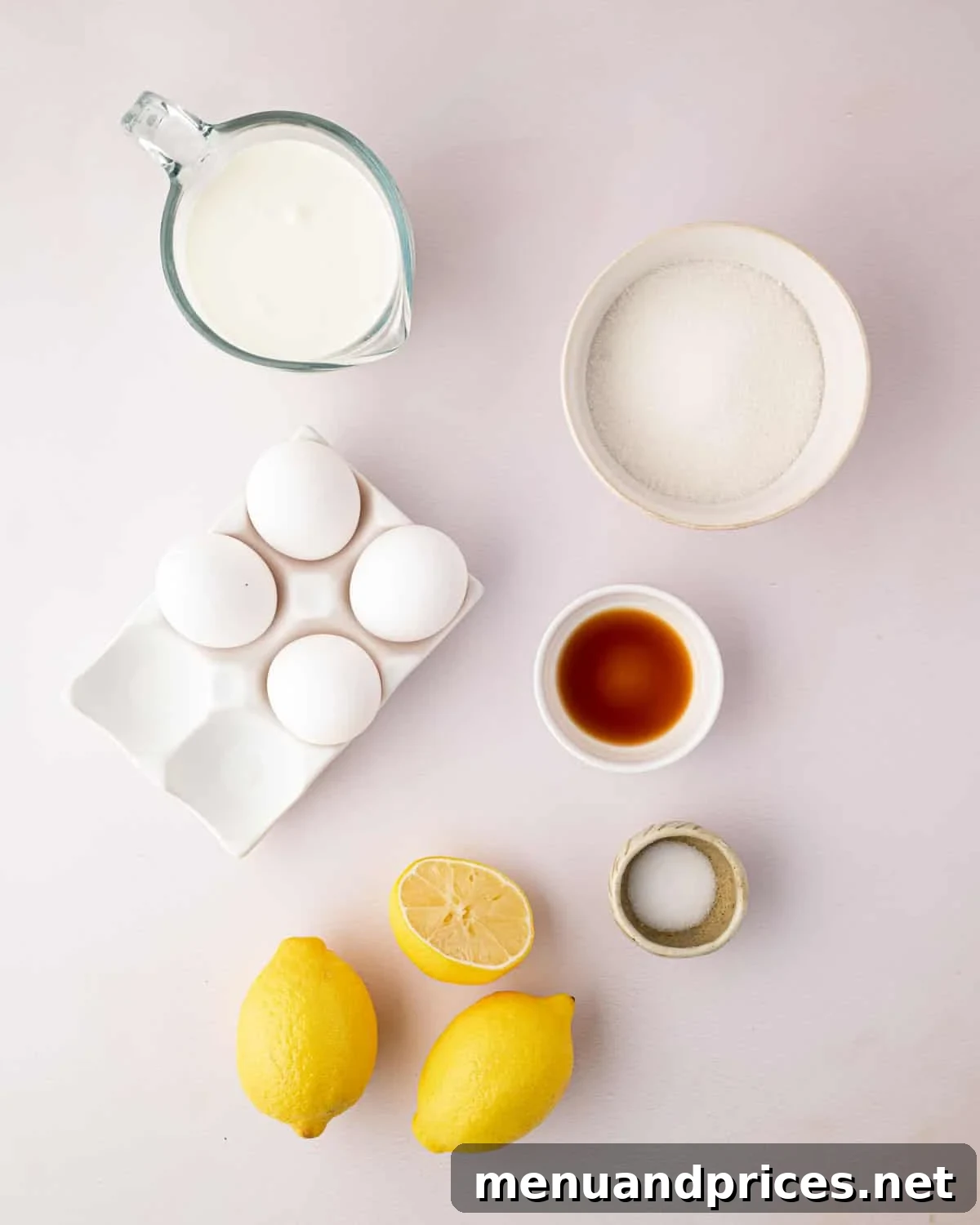
The beauty of this lemon mousse lies in the quality and proper preparation of its simple ingredients. Each component plays a vital role in achieving that perfect silky texture and bright flavor profile:
- Fresh Lemon Juice: This is non-negotiable for superior flavor. Always opt for freshly squeezed lemon juice over pre-bottled varieties. Bottled lemon juice often contains preservatives and lacks the vibrant, nuanced acidity and fresh aroma that real lemons provide, which is crucial for the mousse’s signature zing.
- Granulated Sugar: Granulated sugar is the ideal choice for mousse making. Its fine crystals dissolve easily, providing a clean and pure sweetness without introducing extra moisture that could compromise the mousse’s delicate texture. It also helps stabilize the egg whites, creating a firm yet airy meringue.
- Large Egg Yolks: Egg yolks are the heart of the sabayon, providing a rich, creamy base that is essential for the lemon mousse. They act as a natural emulsifier, binding the ingredients together to create a luxuriously smooth and velvety texture. Furthermore, yolks contribute significant structure and stability, which is vital for the mousse to hold its elegant, spoonable consistency without the need for gelatin.
- Heavy Cream (Cold): Whipped heavy cream is what gives mousse its signature light, airy, and cloud-like texture. When whipped to soft peaks and gently folded in, it incorporates countless tiny air bubbles, resulting in that delightful, melt-in-your-mouth experience. Using cold cream is crucial as it whips up faster and holds its volume better, preventing it from becoming grainy or separating.
- Egg Whites (Room Temperature): Separated and brought to room temperature, egg whites are whipped into a soft, glossy meringue that provides the final lift and structure to the mousse. Room temperature egg whites have less surface tension, allowing them to whip up to a significantly greater volume and achieve a more stable foam, which translates to a lighter, airier mousse.
- Finely Grated Lemon Zest: Don’t skip the zest! The finely grated outer peel of a lemon contains essential oils that deliver an intense burst of pure lemon flavor and a beautiful aromatic quality. This complements and amplifies the tang from the lemon juice, adding depth and complexity to the overall taste.
- Vanilla Extract: A touch of vanilla extract introduces subtle caramel and floral notes that beautifully balance the tartness of the lemon and the richness of the cream. It adds a layer of warmth and complexity, enhancing the overall flavor profile without overpowering the citrus.
- Pinch of Fine Sea Salt: A tiny pinch of fine sea salt is a secret weapon in nearly any dessert recipe. It doesn’t make the mousse salty, but rather acts as a flavor enhancer, brightening and sharpening all the other flavors—especially the sweetness and the citrus notes—making them more pronounced and harmonious.
How to Make Classic French Lemon Mousse
Crafting this exquisite lemon mousse is a rewarding process. Follow these detailed steps to achieve a perfectly light, creamy, and flavorful dessert:
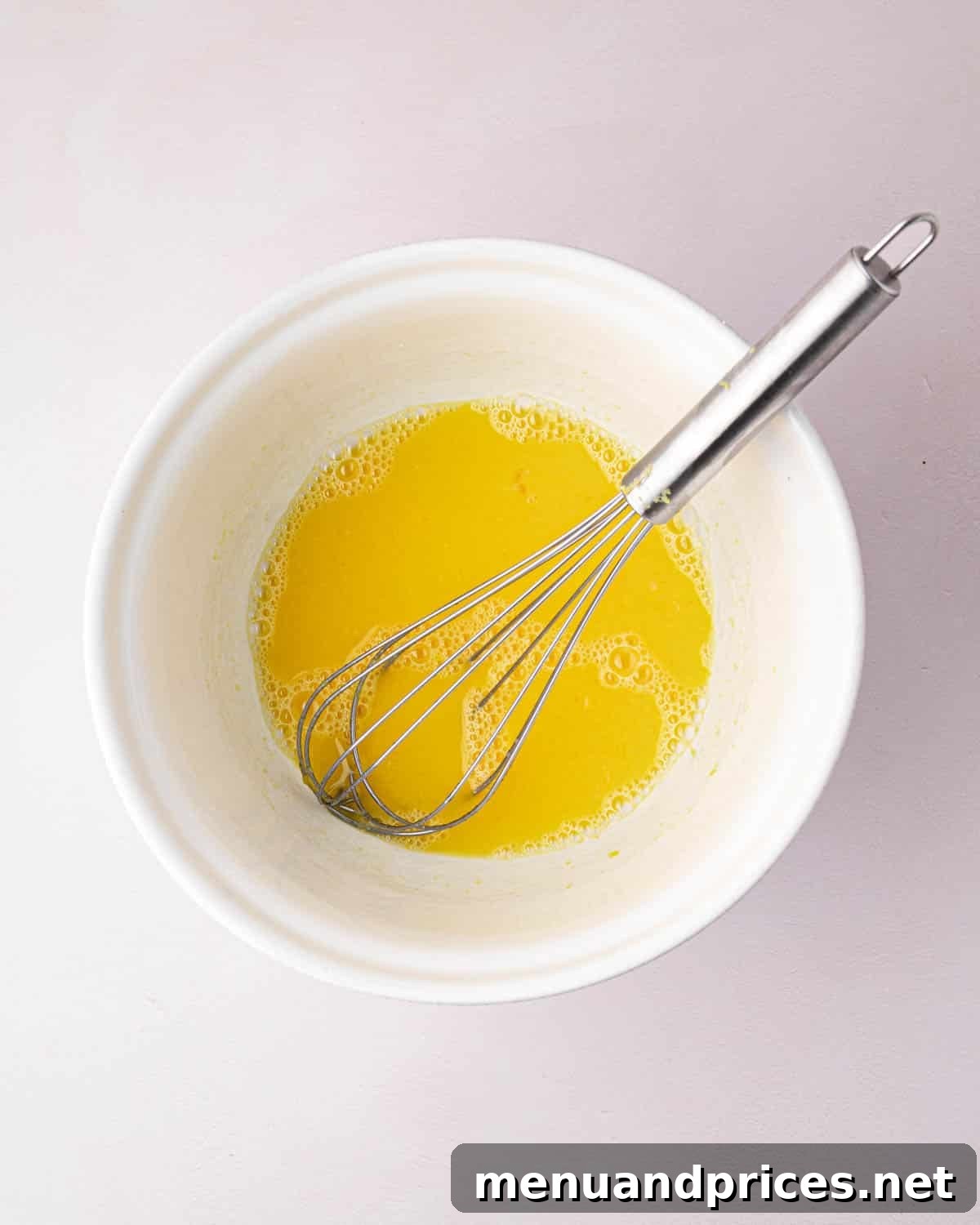
- Step 1: Prepare the Lemon Sabayon Base. In a medium-sized heatproof bowl, combine the fresh lemon juice, ¼ cup of the granulated sugar, egg yolks, finely grated lemon zest, and a pinch of fine sea salt. Whisk these ingredients together thoroughly until the mixture is smooth and well combined. This initial whisking ensures everything is evenly distributed before heating.
- Step 2: Cook the Sabayon. Set your heatproof bowl over a saucepan containing gently simmering water. It’s crucial that the bottom of the bowl does not touch the water; the steam is what gently cooks the mixture. Maintain a low, steady simmer in the saucepan.
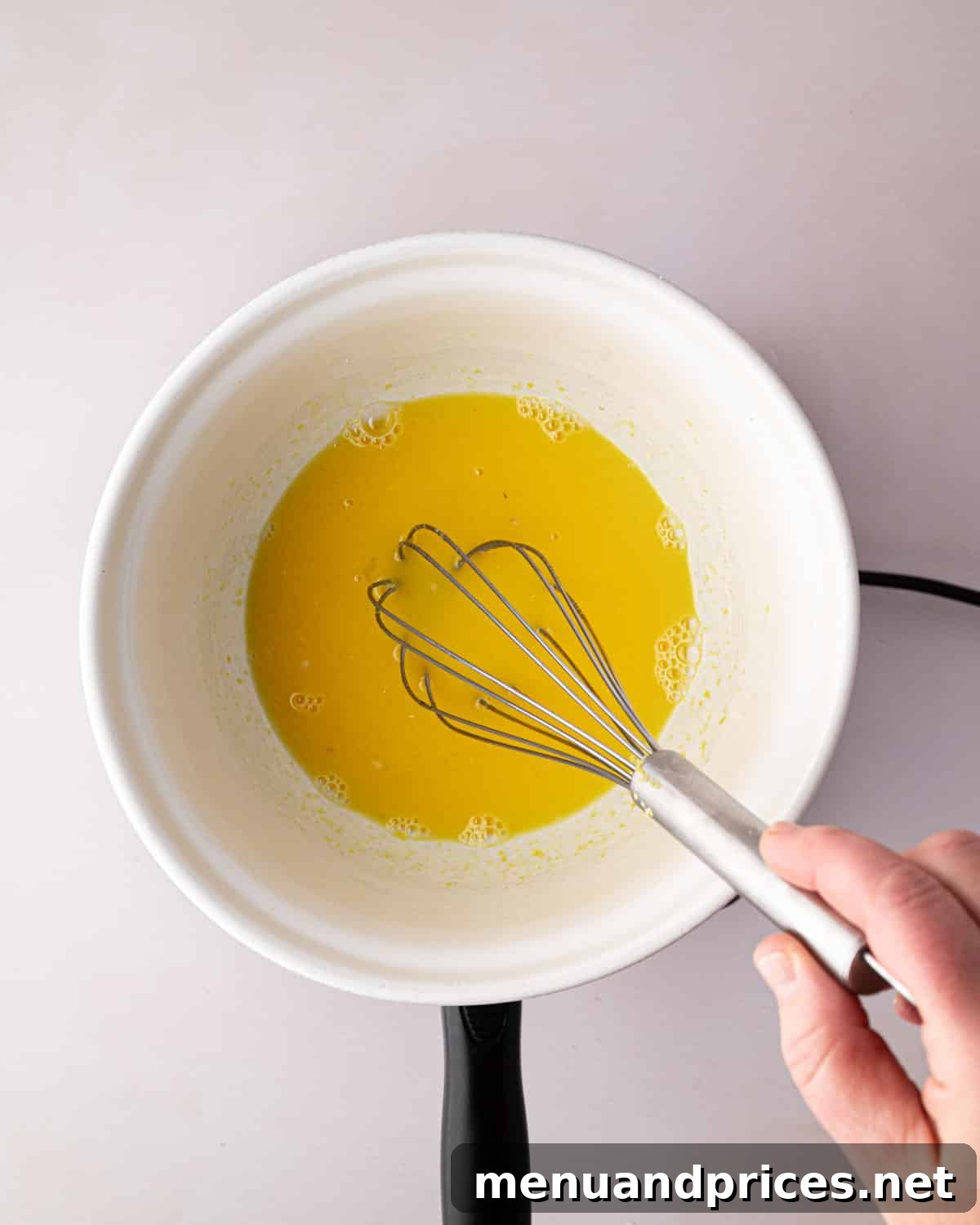
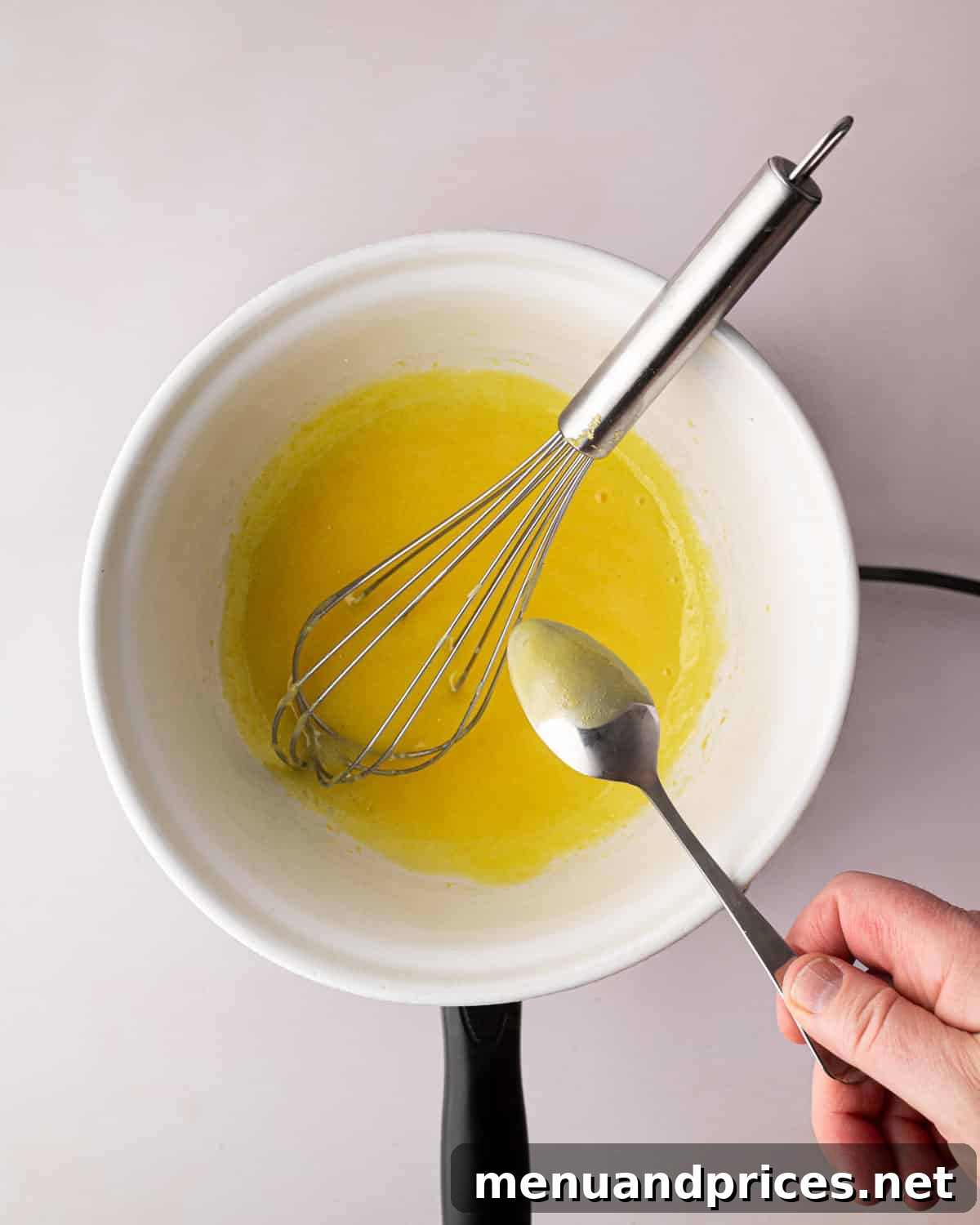
- Step 3: Thicken the Sabayon. Continue to cook the mixture over the simmering water, whisking constantly and vigorously. This constant motion prevents the eggs from scrambling and ensures even cooking. The mixture will gradually thicken and become pale and glossy. Use a candy thermometer to monitor the temperature; aim for approximately 170°F (77°C). The sabayon should be thick enough to generously coat the back of a spoon, leaving a clear path when you run your finger across it. This is a critical stage for the mousse’s final texture and stability.
- Step 4: Cool the Sabayon. Once the sabayon reaches the desired thickness and temperature, remove the bowl immediately from the heat. Whisk in the vanilla extract. Set the bowl aside to cool completely to room temperature. To prevent a skin from forming on the surface, you can either whisk it occasionally as it cools or press a piece of plastic film directly onto the surface of the mixture, ensuring no air is trapped between the film and the sabayon. Cooling thoroughly is paramount before moving to the next steps.
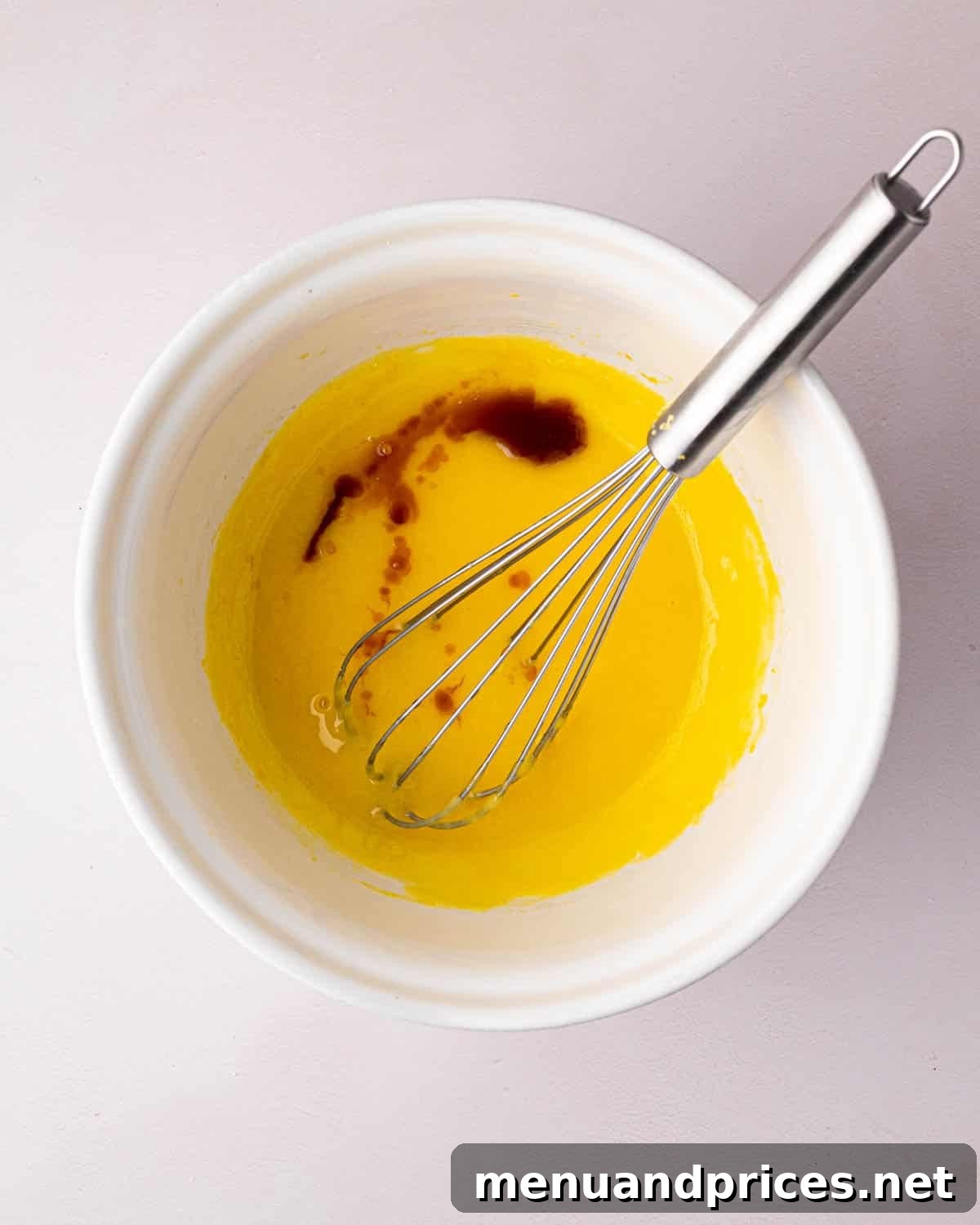
Mastering the Sabayon Test
You’ll know your sabayon is perfectly cooked when it’s thick enough to coat the back of a spoon. To confirm, simply dip a spoon into the mixture, then run your fingertip across the coated spoon. If the line remains clear and the mixture doesn’t run back together, your sabayon is ready. This is a classic visual test for consistency.
- Step 5: Whip the Heavy Cream. In a separate, chilled bowl (using a cold bowl helps the cream whip faster and achieve more volume), whip the cold heavy cream until it forms soft peaks. Be careful not to over-whip, or it will become grainy. Once soft peaks are achieved, cover the bowl and refrigerate the whipped cream until it’s ready to be incorporated.
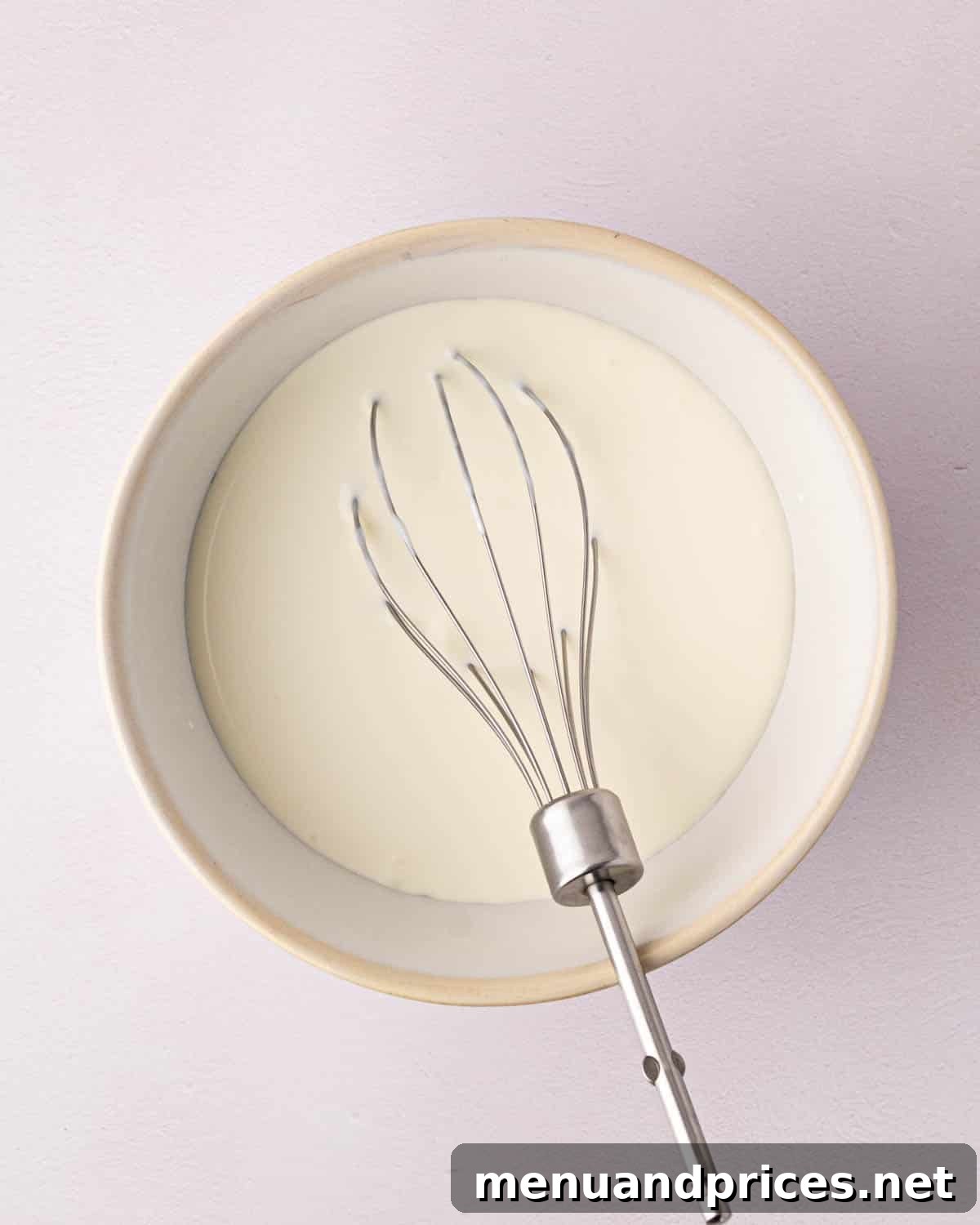
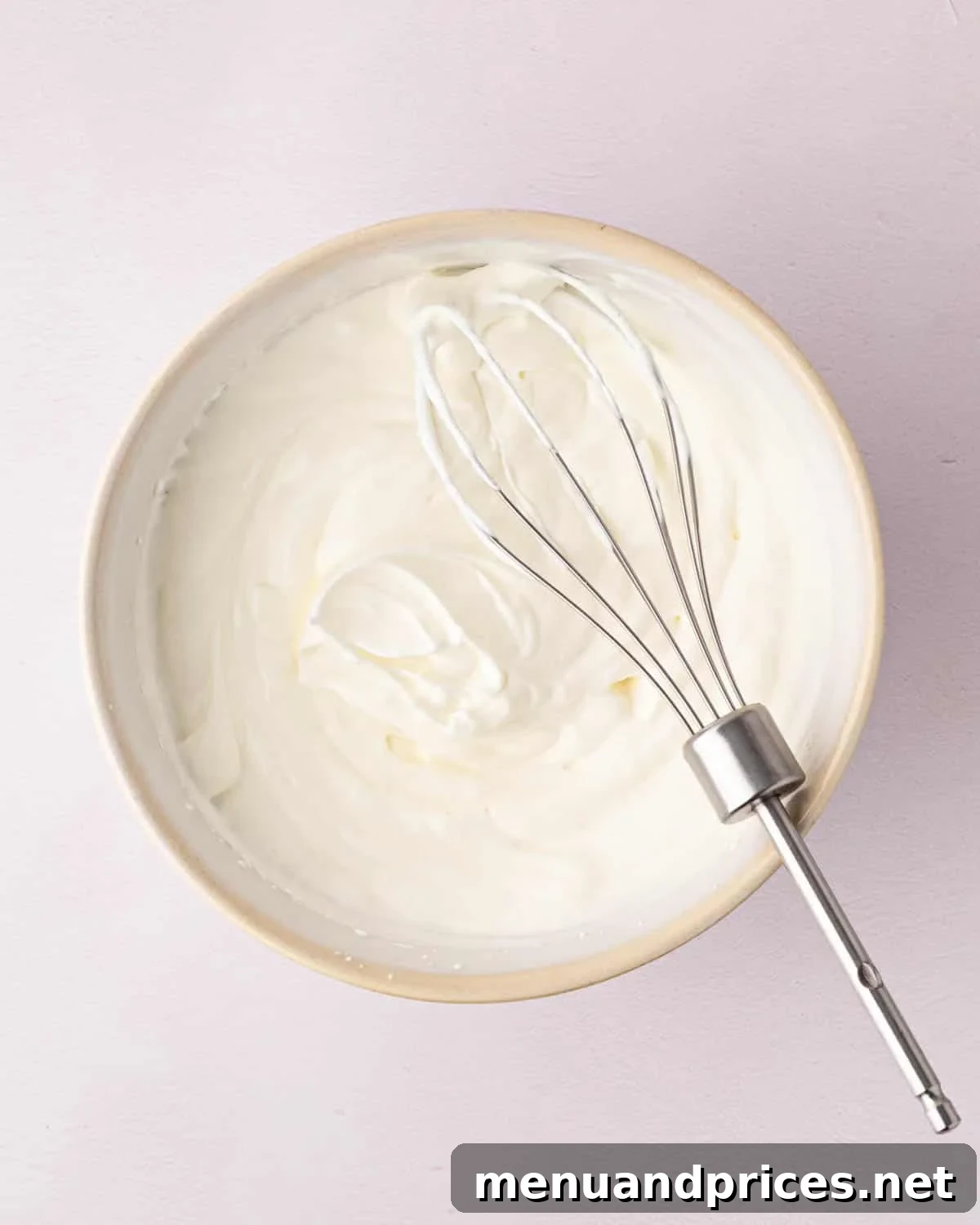
- Step 6: Prepare the Meringue. In another impeccably clean, dry bowl (any trace of fat can prevent egg whites from whipping properly), beat the room-temperature egg whites until they become foamy.
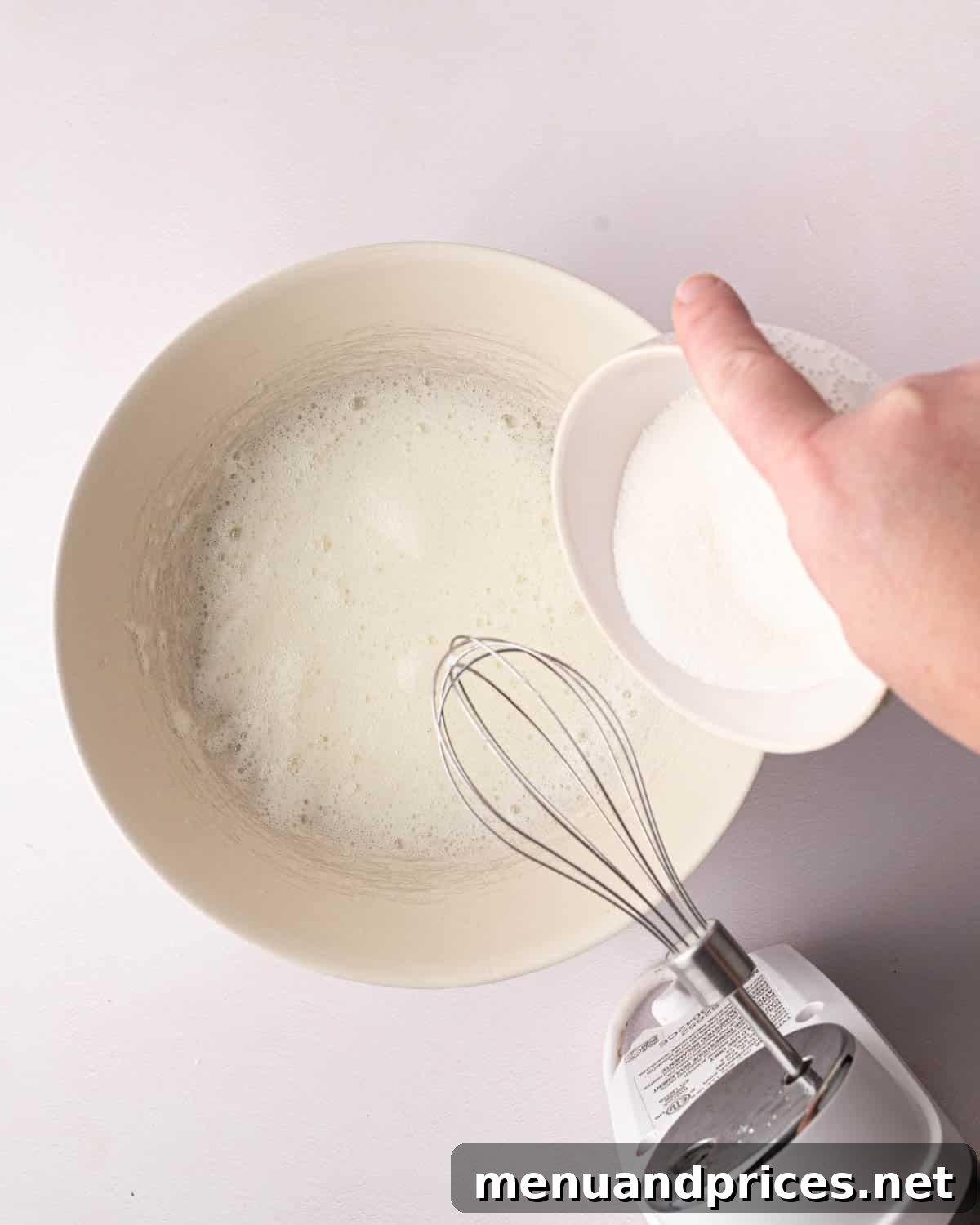
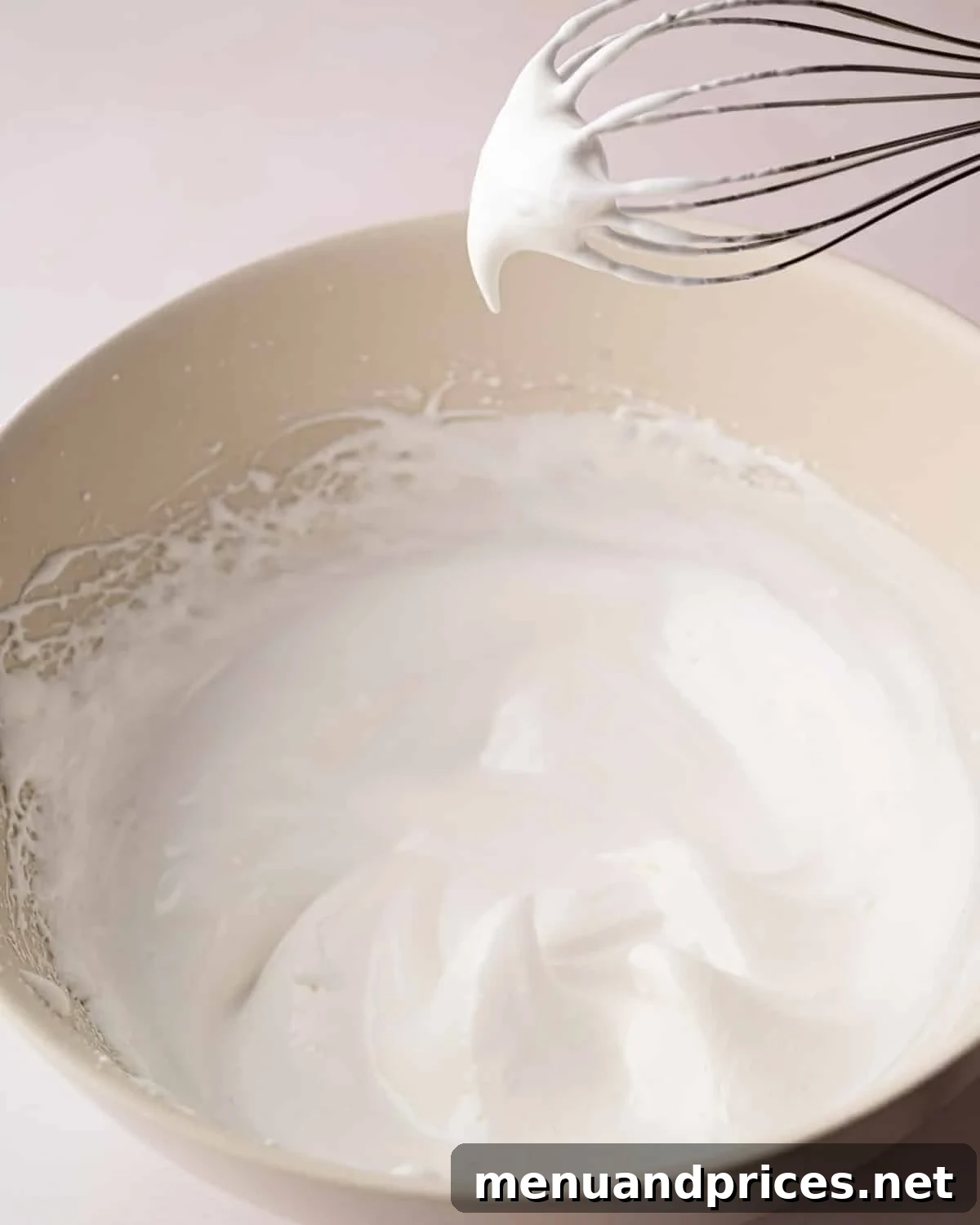
- Step 7: Create Soft, Glossy Peaks. Gradually, in a slow and steady stream, add the remaining ¼ cup of granulated sugar to the foamy egg whites while continuing to beat. Continue beating until the egg whites transform into soft, glossy peaks. The meringue should be shiny and hold its shape but still be soft and not stiff.
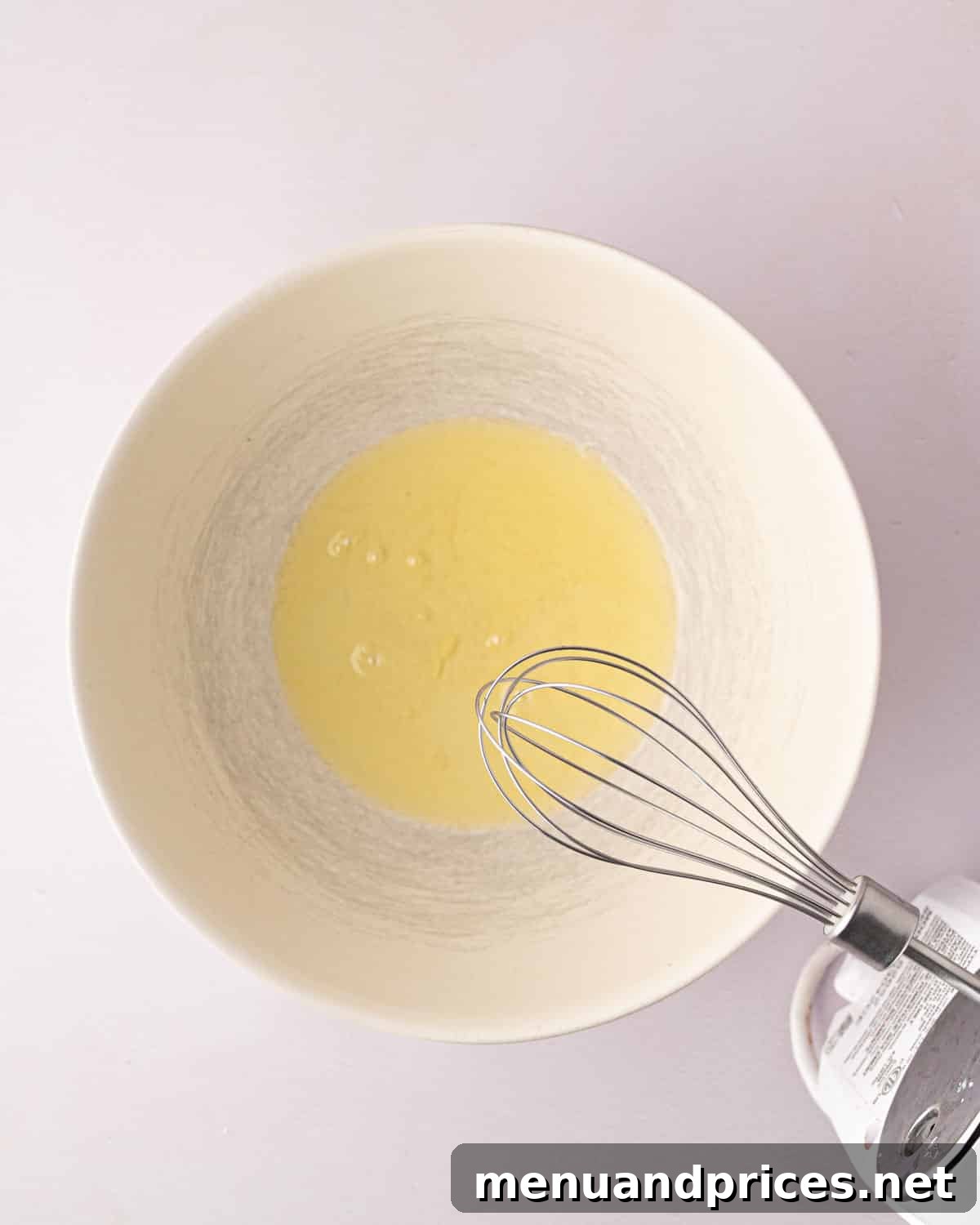
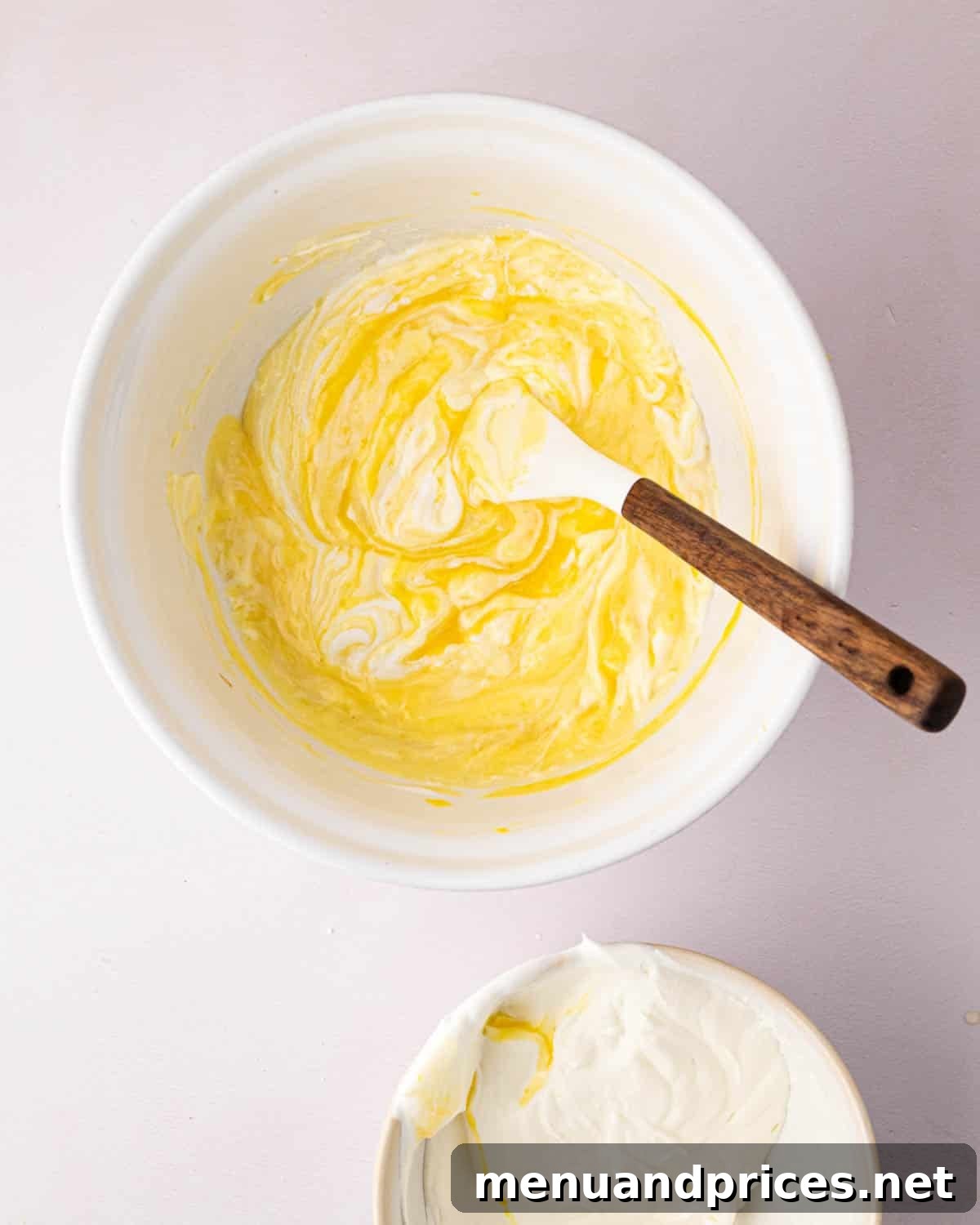
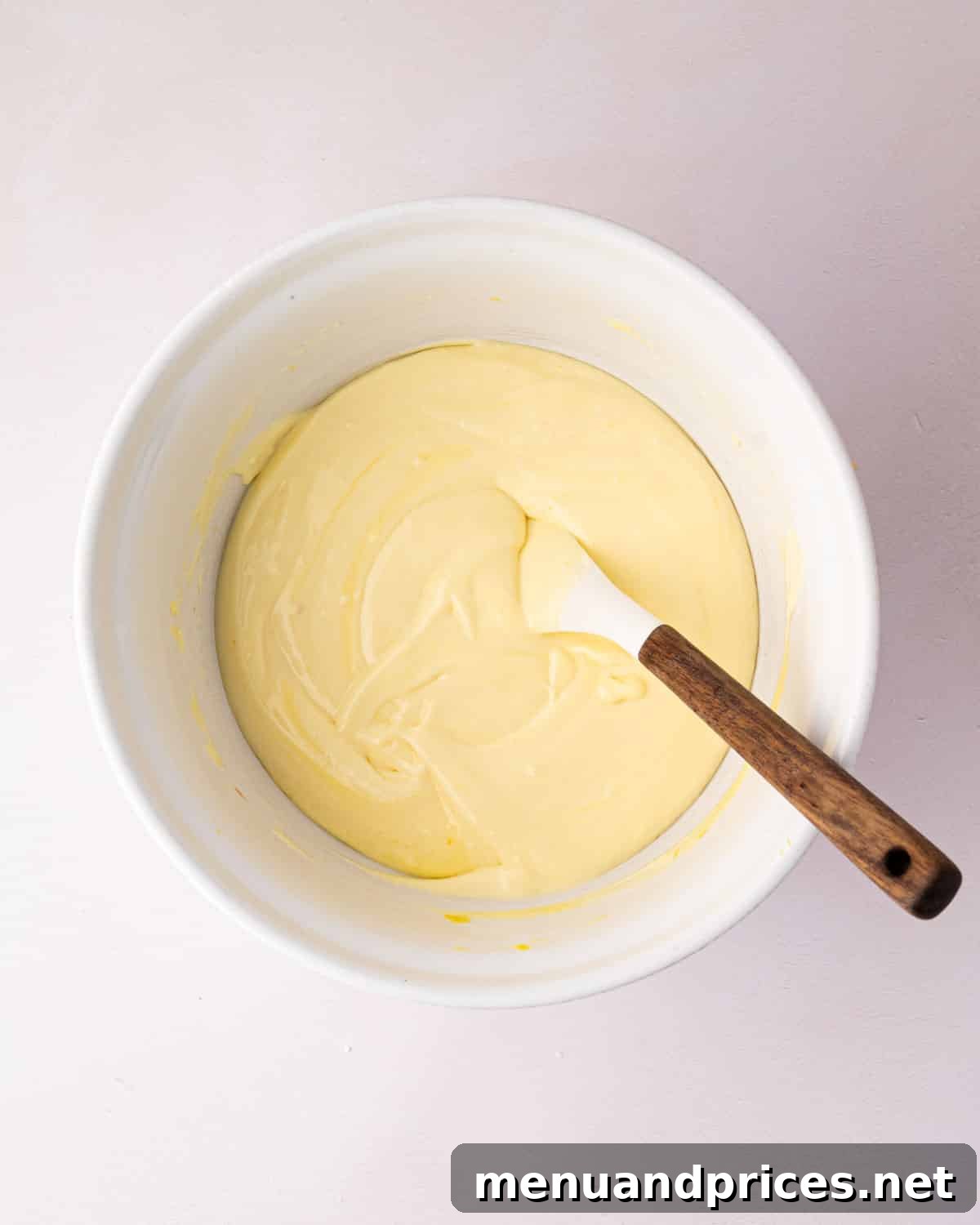
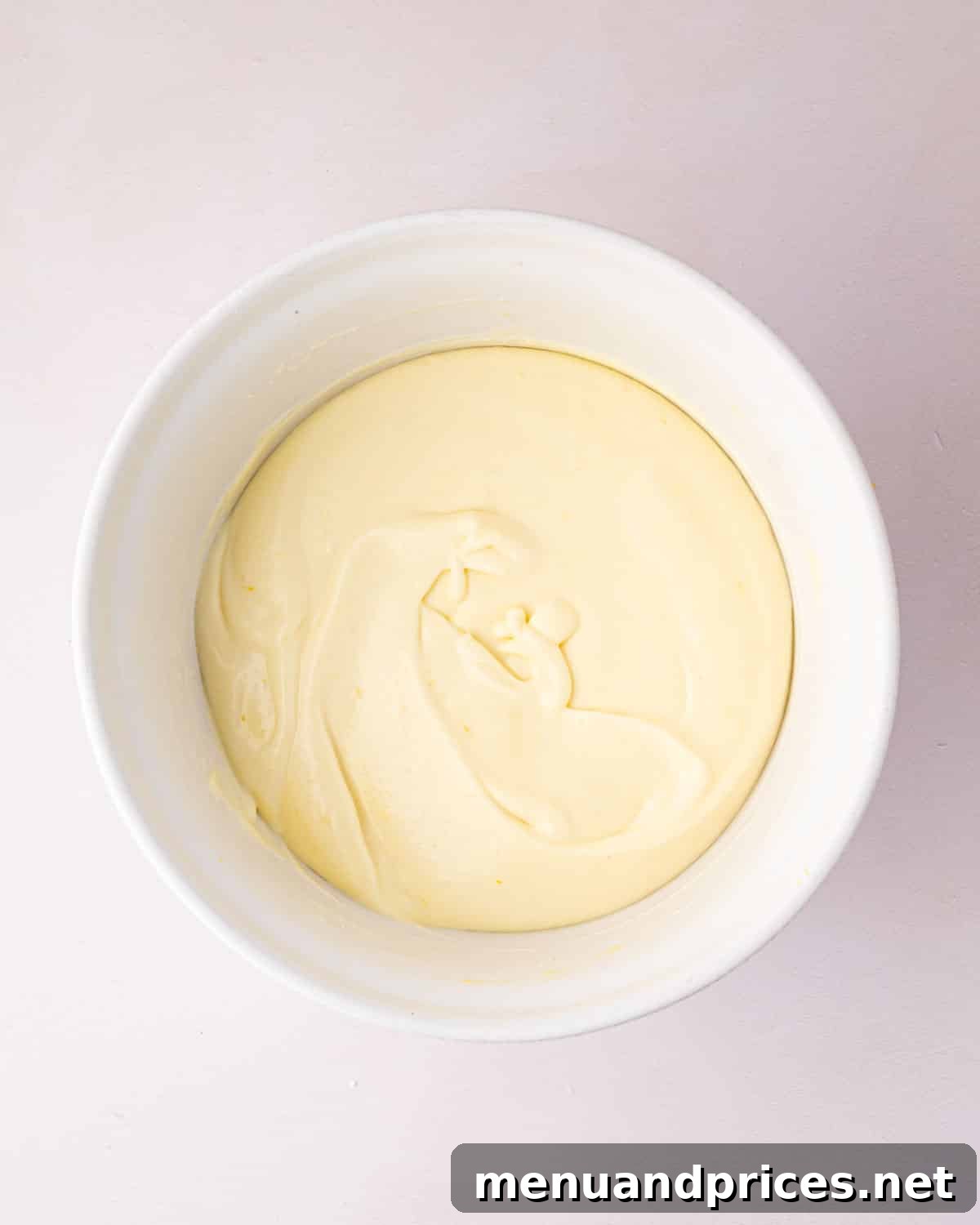
- Step 8: Fold in the Whipped Cream. Once the lemon sabayon base has cooled completely to room temperature, it’s time to begin assembling the mousse. Gently fold the reserved whipped cream into the cooled lemon mixture in two additions. The goal here is to lighten the sabayon base while maintaining as much airiness as possible. Use a spatula and a gentle, folding motion, scooping from the bottom and bringing it over the top, turning the bowl as you go.
The Golden Rule: Cool the Lemon Base Completely
This tip cannot be stressed enough: ensure the lemon base is cooled completely before attempting to fold in the whipped cream and egg whites. Even a slightly warm base will cause the delicate whipped cream to melt and the egg whites to deflate, resulting in a runny, dense, and unappealing mousse. For ultimate convenience, you can even prepare the lemon base a day in advance and store it in the refrigerator until needed.
- Step 9: Gently Fold in Meringue. Finally, incorporate the whipped egg whites into the mixture. This step requires the lightest touch. Fold the meringue in gently, stopping as soon as no streaks of white remain. Over-mixing at this stage will deflate the air you’ve worked so hard to incorporate, leading to a denser mousse. The goal is to retain maximum airiness for that signature light texture.
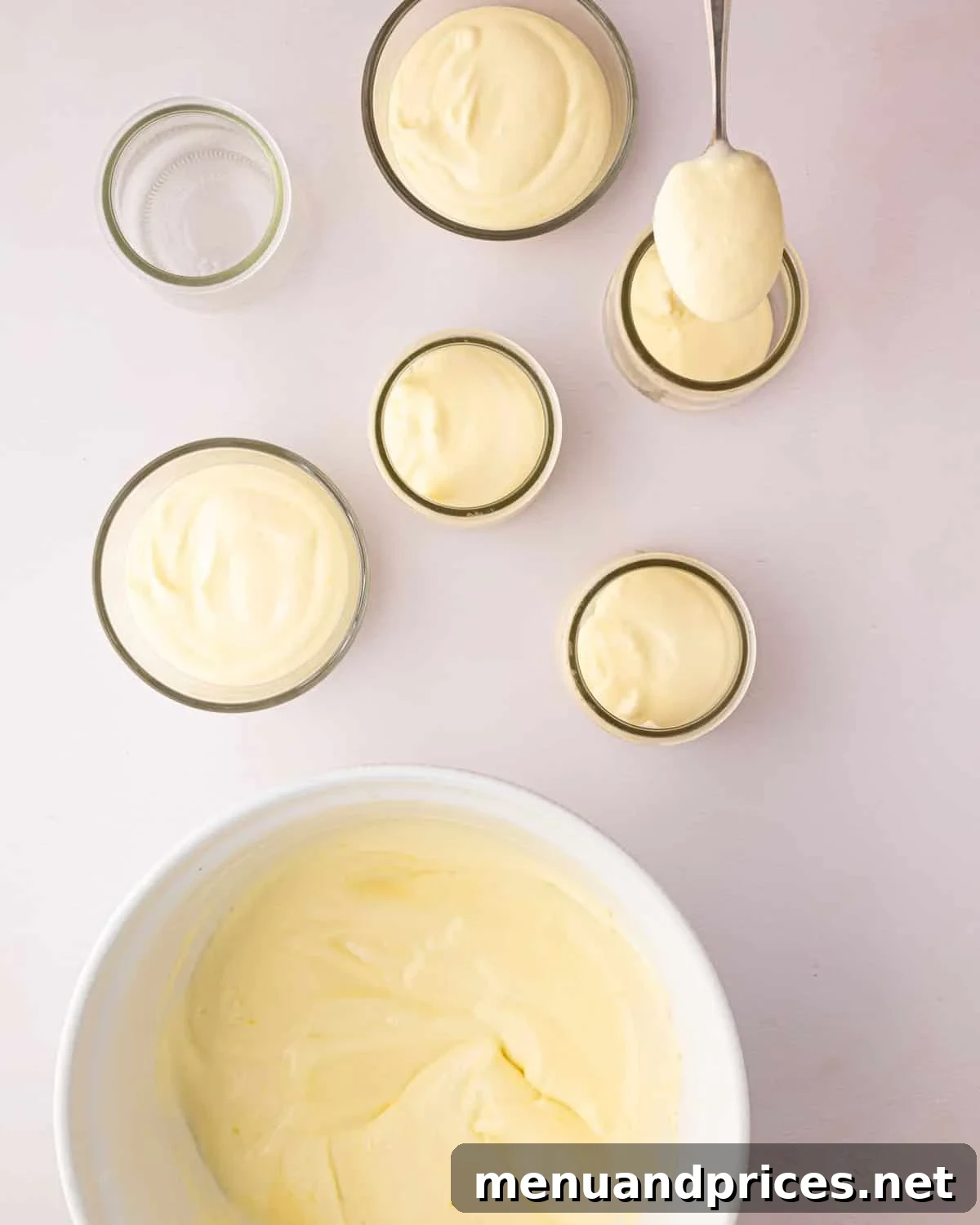
- Step 10: Chill and Serve. Carefully divide the mousse evenly among six elegant serving glasses, ramekins, or coupes. Cover each serving or the entire tray with plastic wrap and refrigerate for a minimum of 2 hours. This chilling time is essential for the mousse to set properly and develop its creamy, luscious consistency.
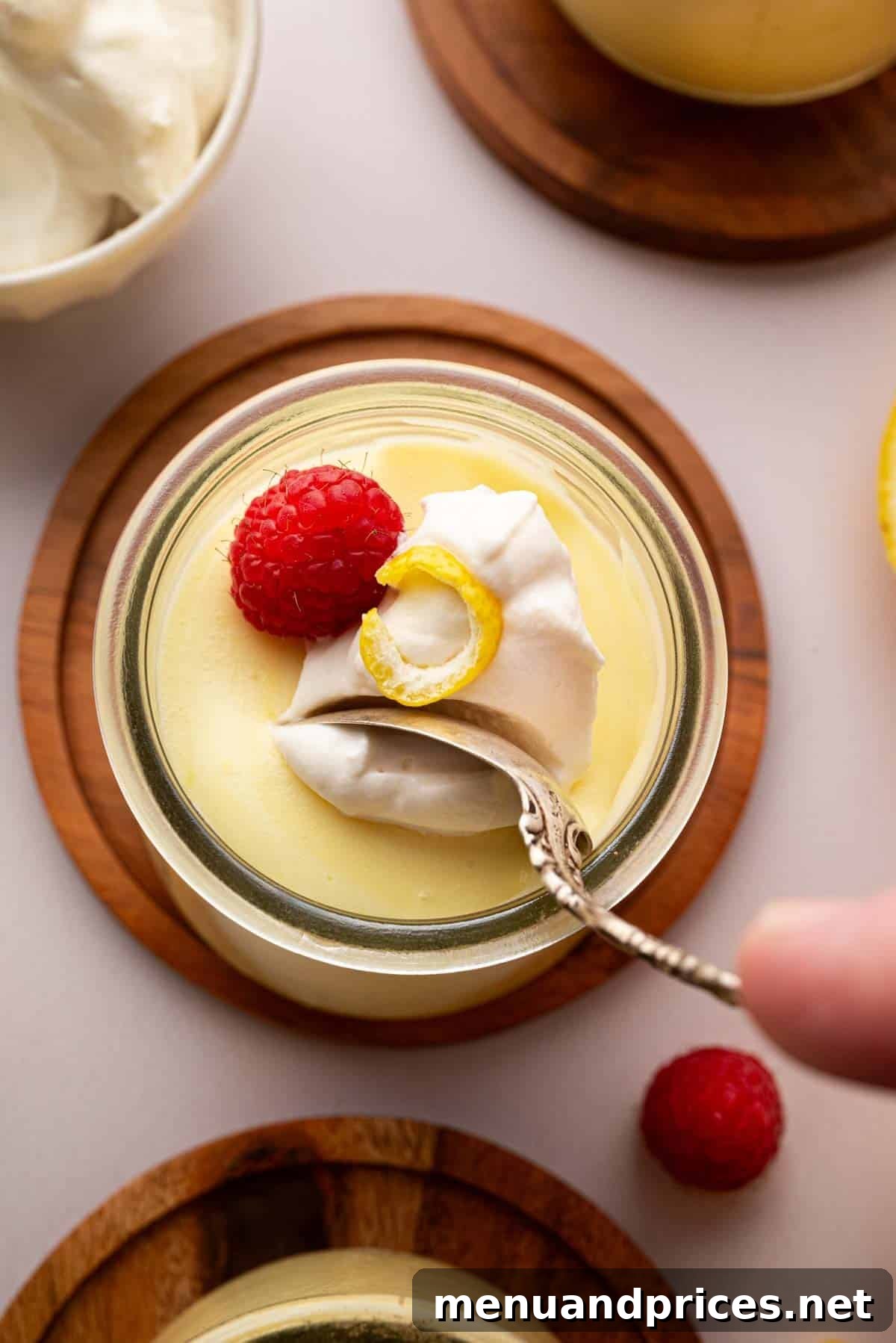
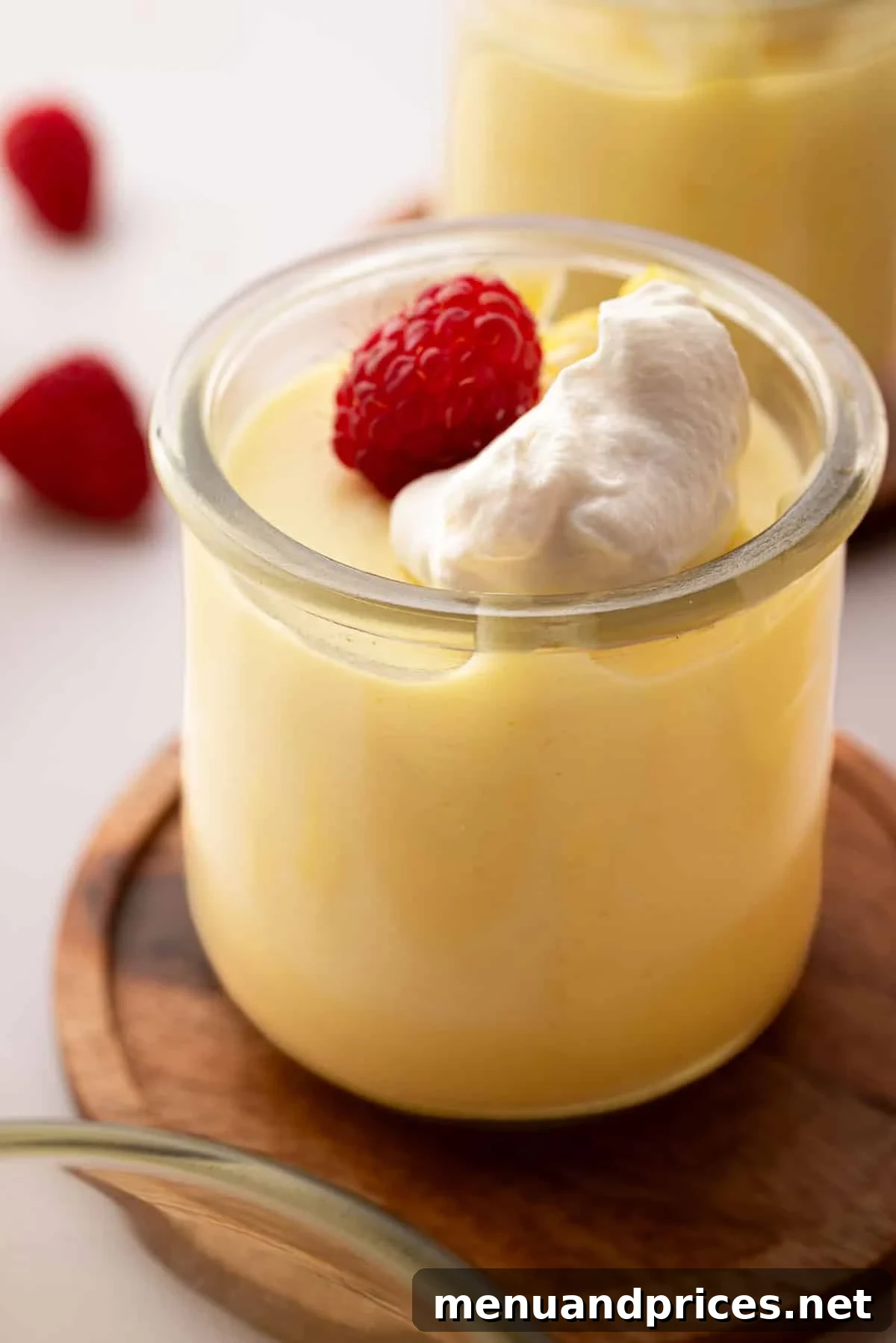
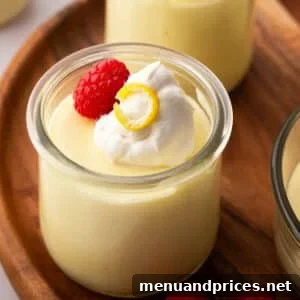
- Step 11: Garnish and Enjoy. Before serving, elevate your lemon mousse with beautiful garnishes. A dollop of extra whipped cream, delicate curls of lemon zest, a sprinkle of finely grated lemon zest, or a vibrant medley of fresh berries and a few mint leaves will add both visual appeal and complementary flavors.
Elegant Serving Tip: Lemon Posset Style
For an especially charming and creative presentation, consider serving your lemon mousse directly within hollowed-out lemon halves. After carefully scooping out the pulp and pith from halved lemons, fill the natural “bowls” with the prepared mousse and chill them until set. This unique presentation, often associated with a similar French dessert called lemon posset, adds a rustic yet sophisticated touch to your dessert table and enhances the lemon theme beautifully.
Expert Tips for Mousse Making
Achieving a perfect lemon mousse is all about technique and attention to detail. These expert tips will help you master this classic French dessert and avoid common pitfalls:
- Always Use Room Temperature Egg Whites: This is a fundamental rule for successful meringue. Egg whites at room temperature have less surface tension, allowing them to whip up to a significantly greater volume and produce a more stable foam compared to cold egg whites. To achieve this quickly, separate your eggs and leave the whites out while you prepare the lemon-egg yolk base. They’ll be ready when you are.
- Handle Overcooked Sabayon Gracefully: If, despite your best whisking efforts, you notice small bits of cooked egg in your sabayon (the lemon-egg yolk base), don’t despair! Simply strain the warm mixture through a fine-mesh sieve into a clean bowl before chilling it. This will remove any undesirable texture and ensure your mousse remains perfectly smooth.
- The Lemon Base MUST Be Fully Cooled: This is perhaps the most critical step. Introducing warm or even slightly warm lemon base to your delicate whipped cream and meringue will cause them to deflate instantly. The warmth will melt the fat in the cream and “cook” the air out of the egg whites, resulting in a dense, runny, and ultimately disappointing mousse. Plan ahead and allow ample time for the sabayon to cool completely to room temperature, or even chill it in the refrigerator.
- No Need for Gelatin: This traditional French mousse recipe relies on the stability provided by the properly cooked sabayon and the carefully folded egg whites and whipped cream. It’s designed to set softly, yielding a spoonable, ethereal texture rather than a firm, jelly-like consistency. Trust the process; gelatin is unnecessary for this style of mousse.
- Thorough Chilling is Key: Patience is a virtue when it comes to mousse. The minimum 2-hour refrigeration period is not just a suggestion; it’s essential. This time allows the various components to meld together, firm up, and achieve that creamy, luscious texture that defines a classic mousse. Rushing this step will result in a mousse that is too soft and lacking in body. For best results, consider chilling overnight.
- Gentle Folding Technique: When combining the whipped cream and then the meringue into the lemon base, use a light hand and a folding motion rather than stirring. Use a rubber spatula to gently cut down through the center of the mixture, scoop from the bottom, and fold it over the top. Rotate the bowl as you go. This technique preserves the precious air bubbles, ensuring your mousse remains light and airy.
- Clean Bowls for Egg Whites: Ensure the bowl and whisk attachments used for whipping egg whites are absolutely free of any grease or fat residue. Even a tiny speck of oil can prevent egg whites from whipping to their full volume and stability.
Storage and Make-Ahead Instructions
This creamy French lemon mousse is an excellent make-ahead dessert, perfect for entertaining or simply enjoying throughout the week. Planning ahead allows the flavors to deepen and the texture to fully set.
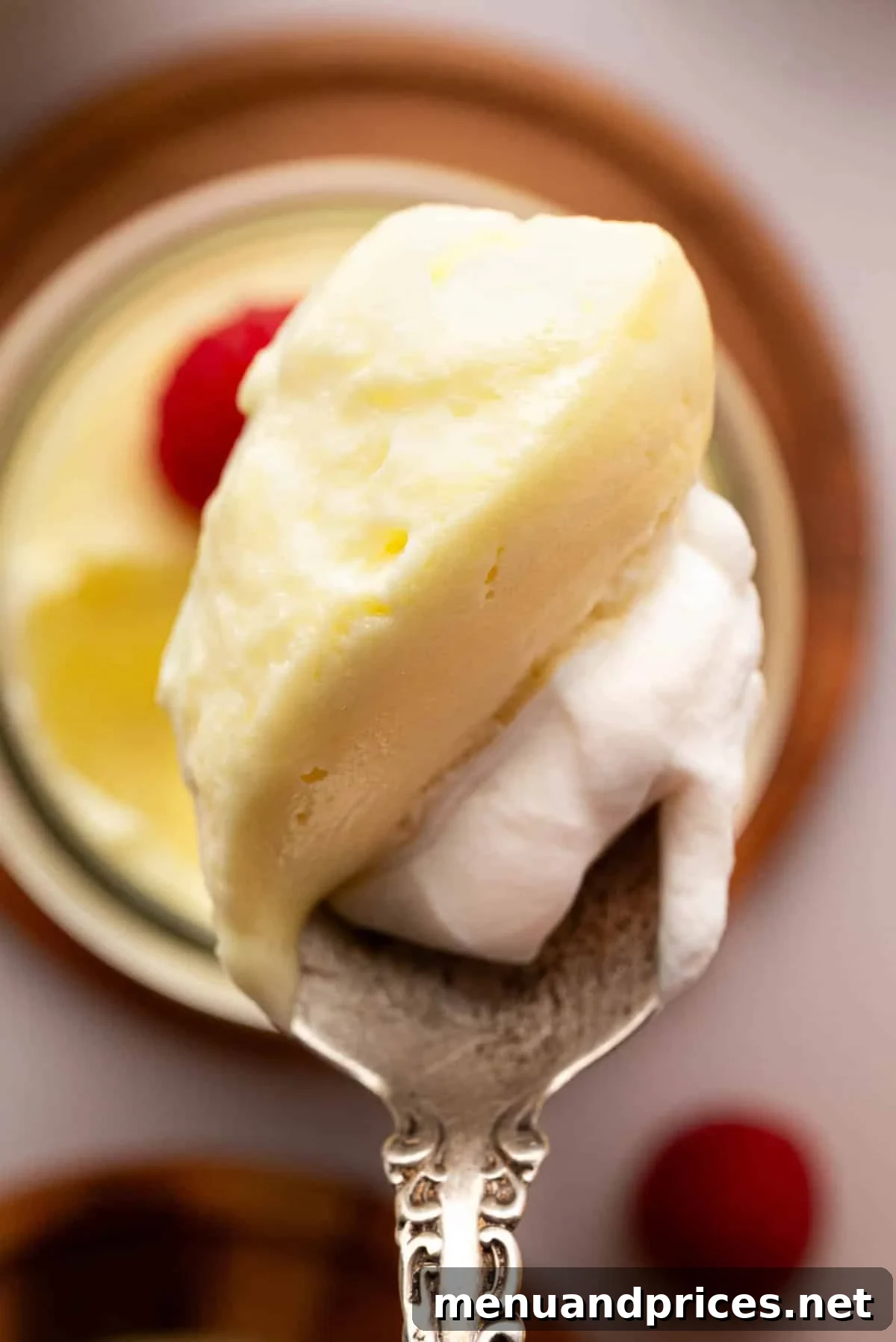
Any leftover lemon mousse will maintain its optimal freshness and texture when stored refrigerated for up to 1 day. Beyond this period, the delicate nature of the mousse, particularly its airy structure, may begin to degrade. We strongly advise against freezing the mousse, as the process of freezing and thawing will inevitably alter its delicate texture, causing it to become watery or lose its signature lightness. For the best experience, prepare it a day in advance and enjoy it chilled.
Frequently Asked Questions About Lemon Mousse
Absolutely! Our classic French lemon mousse recipe demonstrates how to achieve a beautifully firm yet delightfully airy mousse without the need for gelatin. The stability comes from a properly cooked egg yolk sabayon and carefully folded whipped cream and meringue, creating a delicious and natural set. This results in a softer, more delicate texture than gelatin-stabilized mousses, which is characteristic of traditional French preparations.
There are a few common culprits for runny lemon mousse. First, ensure your egg yolk and sugar mixture (sabayon) was cooked sufficiently until it was thick enough to coat the back of a spoon and reached 170°F (77°C). If it’s too thin, it won’t provide enough structure. Second, the lemon base must be cooled completely before incorporating the whipped cream and egg whites. If it’s even slightly warm, it will melt the cream and deflate the meringue. Finally, be very careful not to over-mix when folding in the whipped cream and egg whites. Over-mixing can break down the air bubbles, causing the mousse to lose its light, airy texture and become runny.
Yes, this mousse recipe is incredibly versatile and lends itself beautifully to other citrus flavors! You can easily substitute the lemon juice and zest with fresh lime juice and zest for a vibrant key lime mousse, or even use fresh grapefruit juice and zest for a more sophisticated, slightly bitter note. The key is always to use freshly squeezed juice and fresh zest for the best and brightest flavor.
To make this lemon mousse, you’ll need a few basic kitchen tools: two medium heatproof bowls (one for the sabayon, one for whipping cream), a saucepan for the double boiler, a whisk (either a balloon whisk or an electric hand mixer/stand mixer), a rubber spatula for folding, a candy thermometer (highly recommended for the sabayon), and your chosen serving glasses or coupes.
This particular classic French lemon mousse recipe relies heavily on dairy (heavy cream) and eggs (yolks and whites) for its traditional texture and stability. While there are many excellent recipes for dairy-free or egg-free mousses using alternative ingredients like aquafaba or coconut cream, this specific recipe is not easily adaptable to be fully vegan or egg-free without significant modifications that would change its character and preparation method.
More Zesty Lemon Dessert Recipes
If you love the bright, refreshing taste of lemon, explore these other fantastic lemon-infused dessert recipes:
- Lemon Sheet Cake
- Lemon Creme Puffs
- Lemon Poppy Seed Muffins
- Lemon Cupcakes

No ratings yet. Be the first!
Classic French Lemon Mousse
Shinee Davaakhuu
25 minutes
10 minutes
2 hours
2 hours
35 minutes
6
servings
Pin Recipe
Comment
Print Recipe
Ingredients
-
½ cup
(120 g)
fresh lemon juice -
½ cup
(100 g)
granulated sugar divided -
4
large egg yolks -
1 cup
(240 g)
heavy cream cold -
2
large egg whites room temperature -
1 tablespoon
finely grated lemon zest -
1 teaspoon
vanilla extract -
Pinch
of fine sea salt
Instructions
Make the Lemon Sabayon Base:
-
In a medium heatproof bowl, whisk together the lemon juice, ¼ cup of the sugar, egg yolks, lemon zest, and salt until smooth.
-
Set the bowl over a saucepan of gently simmering water, ensuring the bottom of the bowl does not touch the water.
-
Cook, whisking constantly and vigorously, until the mixture thickens significantly and reaches approximately 170°F (77°C). The sabayon should be pale, glossy, and thick enough to generously coat the back of a spoon.
-
Remove from heat and whisk in the vanilla extract. Set aside to cool completely to room temperature, whisking occasionally to prevent a skin from forming, or press plastic film directly over the surface of the mixture, ensuring it is in contact with the sabayon.
Prepare the Whipped Cream:
-
In a separate, chilled bowl, whip the cold heavy cream to soft peaks. Cover and refrigerate until ready to use.
Make the Meringue:
-
In another impeccably clean and dry bowl, beat the room-temperature egg whites until they become foamy.
-
Gradually add the remaining ¼ cup of granulated sugar while continuing to beat, until the whites hold soft, glossy peaks.
Assemble the Mousse:
-
Once the lemon base has cooled completely, gently fold the whipped cream into the lemon mixture in two additions, using a spatula to loosen the base while maintaining its airiness.
-
Next, gently fold in the whipped egg whites last, using a very light hand and stopping as soon as no streaks of white remain. Be careful not to deflate the mixture.
-
Divide the mousse evenly among six serving glasses or coupes. Cover each serving and refrigerate for at least 2 hours before serving, allowing the mousse to fully set.
-
Before serving, garnish with a dollop of whipped cream, grated lemon zest or zest curls, fresh berries, or delicate mint leaves for an elegant finish.
⭐️ Did you make this recipe?
Please leave a review and let us know how you liked it!
Tips & Notes
– Any leftover Classic French lemon mousse will keep beautifully when refrigerated for up to 1 day. We highly recommend enjoying it within this timeframe for the best texture and flavor. We do not recommend freezing the mousse, as the process will unfortunately change its delicate, airy texture once it thaws.
– This creamy lemon mousse is an excellent make-ahead dessert for any celebration or dinner party. Since it requires several hours to set, preparing it the day before your event works perfectly, allowing you to focus on other preparations.
Nutrition
250kcal
20g
4g
18g
19g
34mg
Dessert
French
Did you make this?
Leave a rating and your feedback. Thank you!