
Mastering the art of baking often comes down to understanding the science behind your ingredients. Among the most vital yet frequently confused are baking soda and baking powder. These unassuming white powders are the unsung heroes responsible for the light, fluffy texture in countless baked goods, from towering cakes to tender muffins.
This comprehensive guide will demystify baking soda and baking powder, breaking down their differences, explaining their unique functions, and showing you how to ensure they’re always active for optimal results. Get ready to elevate your baking game with clear, concise, and easy-to-understand explanations!
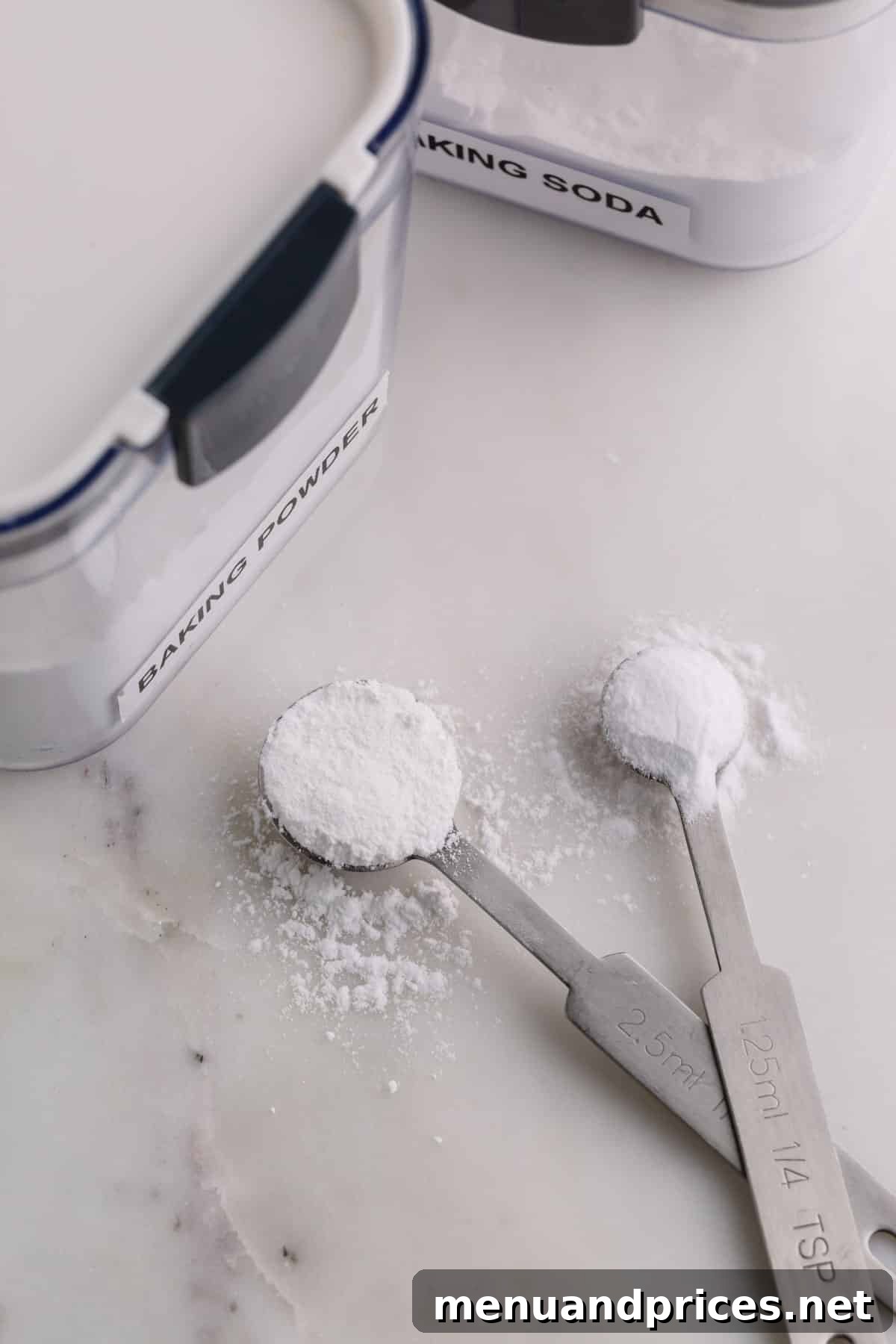
Baking Soda vs. Baking Powder: The Ultimate Leavening Guide
Baking is more than just a delightful pastime; it’s a precise science where every ingredient, no matter how small, plays a critical role in the final outcome. The proper leavening agent can mean the difference between a perfectly risen, airy treat and a dense, disappointing flop. Understanding the chemistry of baking soda and baking powder is fundamental to becoming a confident and successful baker.
In this guide, we’ll delve deep into the world of these essential leavening agents, exploring their composition, how they react, and why choosing the right one for your recipe is paramount. Prepare to unlock the secrets behind perfect rise and texture!
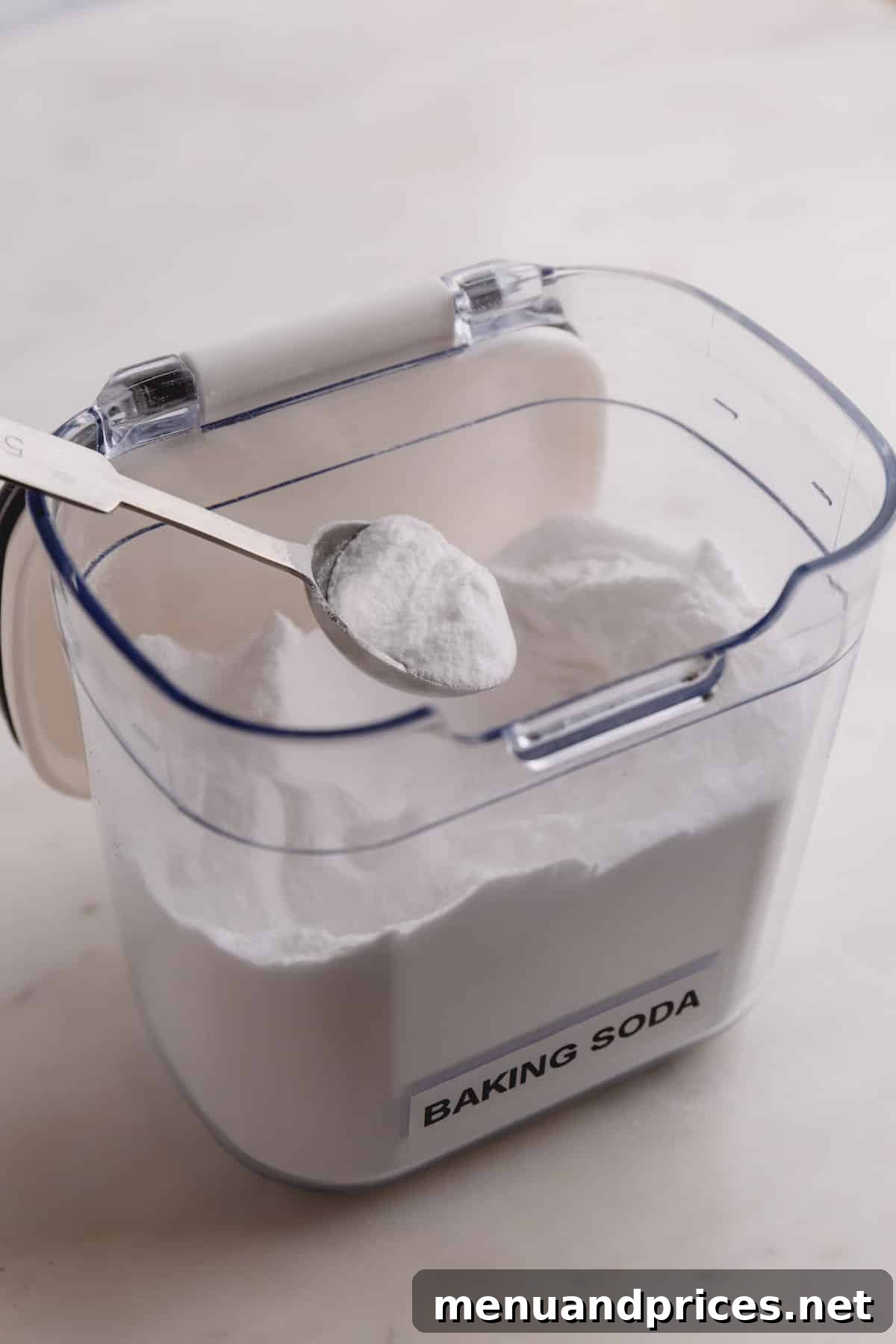
What is Baking Soda (Sodium Bicarbonate)?
Baking soda, chemically known as sodium bicarbonate (NaHCO₃), is a pure alkaline compound. On its own, it doesn’t do much for leavening. Its magic begins when it encounters an acid and moisture.
When baking soda is combined with an acidic ingredient and a liquid, it triggers an immediate chemical reaction, producing carbon dioxide (CO₂) gas. This gas forms tiny bubbles throughout the batter or dough. As these air pockets expand during baking in a hot oven, they cause the baked goods to rise, creating a light and tender crumb structure.
Common acidic ingredients that activate baking soda include:
- Dairy Products: Buttermilk, yogurt, sour cream.
- Fruits & Juices: Lemon juice, vinegar, apple sauce, fruit purees.
- Sweeteners: Molasses, brown sugar, honey.
- Chocolate & Cocoa: Natural cocoa powder (not Dutch-processed, which is neutralized).
- Other: Cream of tartar.
Because this reaction starts immediately upon contact with moisture and acid, recipes using baking soda often require quick mixing and baking to capture all the gas before it escapes. Recipes like quick breads, fluffy pancakes, and moist muffins often rely on baking soda for their signature rise and tender texture.
What is Baking Powder?
Baking powder is essentially a pre-mixed leavening system. Unlike pure baking soda, it’s a combination of three key ingredients: sodium bicarbonate (baking soda), one or more powdered acid salts, and a starch (usually cornstarch).
The starch in baking powder serves two important functions: it absorbs moisture to prevent the acid and baking soda from reacting prematurely in the container, and it acts as a filler to standardize the product, making it easier to measure. The presence of an acid within the powder itself means baking powder doesn’t require an additional acidic ingredient in your recipe to work.
Understanding Double-Acting Baking Powder
Most baking powder sold today is “double-acting.” This means it produces carbon dioxide gas in two distinct stages:
- First Reaction (Moisture): A portion of the CO₂ gas is released as soon as the baking powder comes into contact with liquid ingredients in the batter. This initial fizz contributes to the early rise.
- Second Reaction (Heat): The primary and more powerful rise occurs when the batter is exposed to heat in the oven. The heat activates a second acid salt in the baking powder, releasing a fresh burst of CO₂ gas and giving your baked goods a sustained lift.
This two-stage activation provides a more reliable and consistent rise, making it a popular choice for recipes that don’t contain sufficient acidic ingredients, such as many cakes, biscuits made with milk, and certain cookies. Baking powder ensures a light and airy texture without introducing new flavors from external acids.
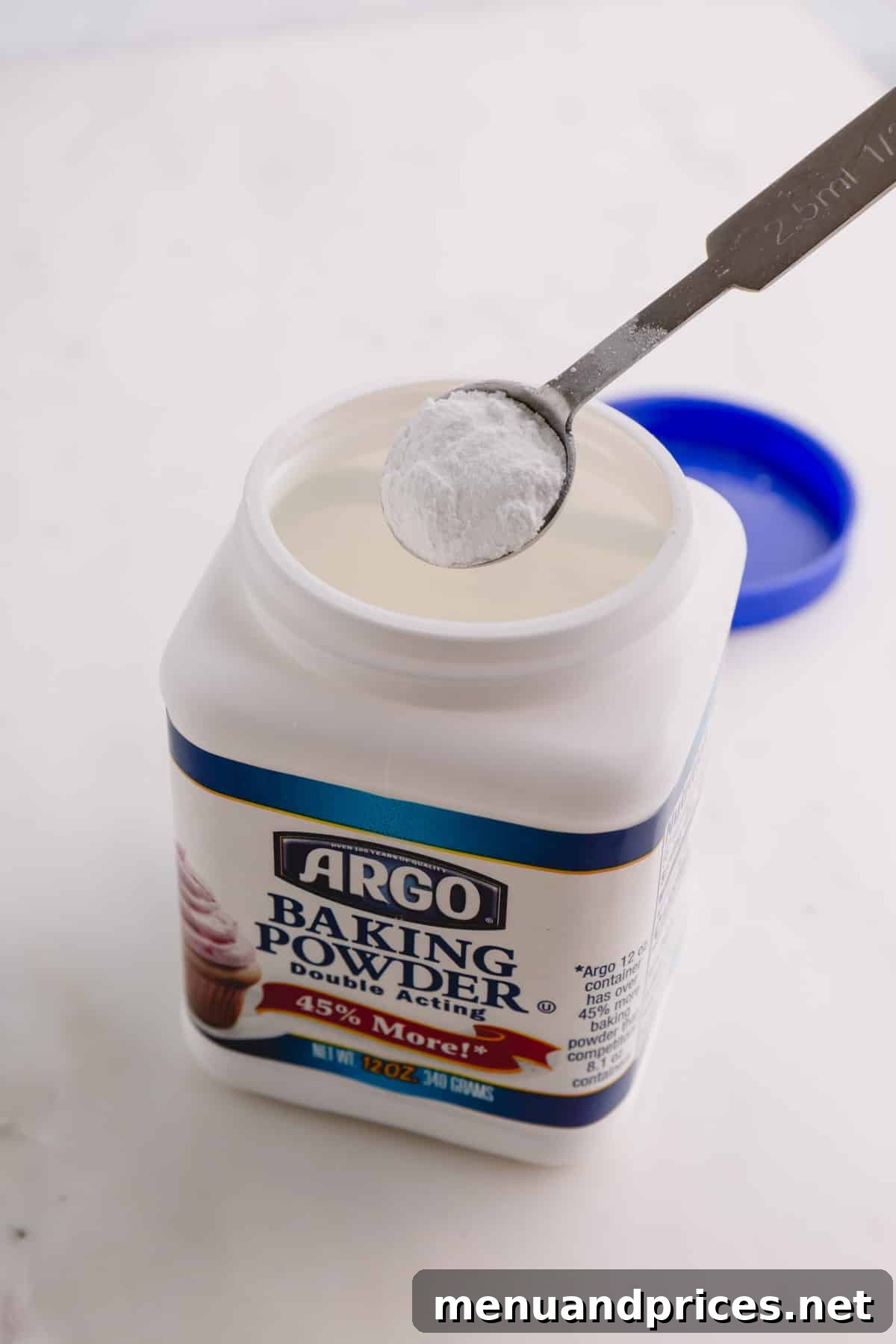
Baking Soda vs. Baking Powder: Key Differences and Similarities
While both are critical for leavening, their distinct compositions and reaction mechanisms lead to different roles in the kitchen.
- Composition: Baking soda is pure sodium bicarbonate (an alkaline base). Baking powder is a mixture of baking soda, one or more acid salts, and a starch.
- Activation: Baking soda requires an additional acidic ingredient (e.g., buttermilk, lemon juice) and moisture to react. Baking powder already contains its own acid and only needs moisture (and heat, for double-acting types) to activate.
- Reaction Speed: Baking soda’s reaction is typically immediate and fast once combined with acid and liquid. Baking powder, especially double-acting, has a more sustained, two-stage rise.
- Impact on Flavor & Texture: Baking soda, when activated by an acid, can neutralize some of the acid’s tangy flavor, resulting in a milder taste. It also contributes to browning and can create a slightly more spread-out, tender texture. Baking powder generally results in a lighter, taller, and finer crumb without significantly altering the recipe’s pH or introducing new flavors.
- How They’re Similar: Both baking soda and baking powder are leavening agents that produce carbon dioxide gas. This gas creates bubbles in batters and doughs, causing them to expand and rise during baking, resulting in lighter, airier textures.
Is My Baking Soda and Baking Powder Still Active?
Even the most experienced bakers can be thwarted by inactive leavening agents. Baking soda and baking powder don’t last forever; their potency diminishes over time. Using expired or inactive products is a common reason for flat cakes, dense muffins, or pancakes that fail to puff up. Always check their activity before you start baking!
Here’s how to quickly test if your baking soda and baking powder are still fresh and ready to perform:
- Test for Baking Soda:
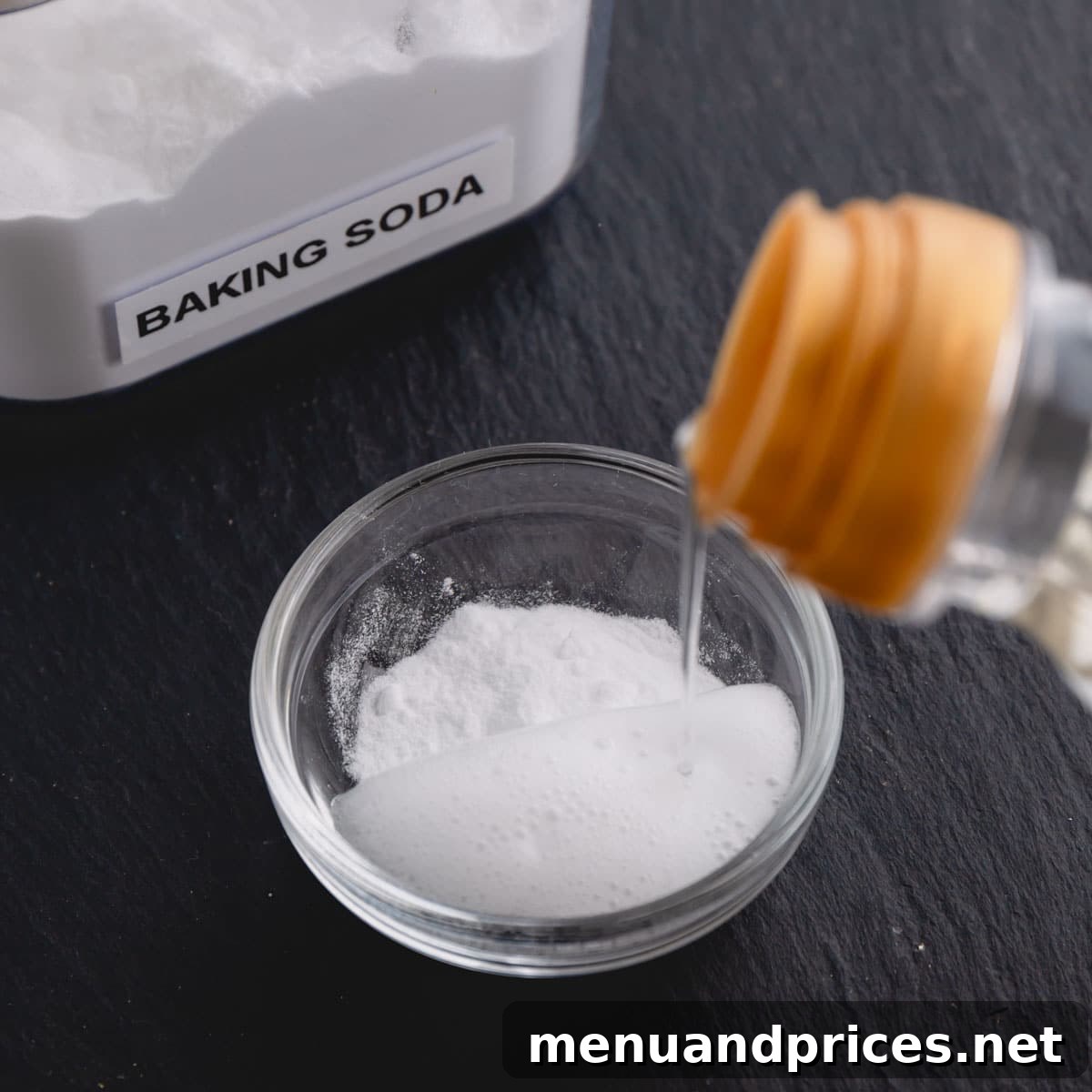
Channel your inner elementary school scientist! Combine 1 teaspoon of baking soda with 2 teaspoons of white vinegar (or lemon juice) in a small bowl. If the mixture vigorously bubbles and fizzes like a miniature volcano, your baking soda is still active and effective. If there’s little to no reaction, it’s time to replace it.
- Test for Baking Powder:
For baking powder, you’ll need heat to observe its full potential. Mix 1 teaspoon of baking powder with about ⅓ cup of hot tap water. If you see immediate and sustained bubbling or fizzing, your baking powder is fresh. A weak or absent reaction indicates it has lost its potency.
The Bubble Test: Your Assurance of Freshness
Remember, when performing these tests, a visible, lively reaction (bubbles or fizz) is exactly what you want to see! This confirms that the chemical compounds are still capable of producing the carbon dioxide needed to leaven your baked goods. Don’t risk a ruined recipe with old leavening – perform these simple tests to ensure baking success.
How to Choose the Right Leavening Agent for Your Recipe
The decision between baking soda and baking powder isn’t arbitrary; it’s dictated by the recipe’s specific ingredients and the desired outcome in terms of flavor and texture. Understanding this fundamental principle will empower you to bake more intuitively.
The Golden Rule: Follow the Recipe. For most home bakers, the simplest and most reliable approach is to strictly adhere to what the recipe calls for. Professional bakers and recipe developers carefully balance the leavening agents with other ingredients to achieve specific results.
When to Use Baking Soda:
Baking soda is typically called for in recipes that contain a significant amount of acidic ingredients. The acidity reacts with the baking soda to create the necessary rise. Using baking soda in such recipes also helps to neutralize some of the acid’s intense tang, contributing to a balanced flavor profile. If your recipe includes ingredients like:
- Buttermilk, yogurt, sour cream
- Lemon juice, vinegar, molasses
- Natural cocoa powder (not Dutch-processed)
- Brown sugar, honey
- Fruit purees or applesauce
then baking soda is likely your go-to leavening agent.
When to Use Baking Powder:
Baking powder is generally used in recipes that do not contain a noticeable acidic component, or when a recipe calls for a more neutral pH. Since baking powder already contains its own acid, it only needs moisture (and heat for double-acting types) to activate. Recipes relying on ingredients like milk, eggs, or Dutch-processed cocoa powder often use baking powder to achieve a light, airy rise without altering the flavor profile with additional acids. Think of many standard cakes, cookies, and quick breads that don’t feature a tangy ingredient.
While this guideline is generally reliable, remember that recipe development is an intricate dance of ingredients. Sometimes, a subtle combination of both is necessary to achieve perfection, as we’ll explore next.
Why Use Both Baking Soda and Baking Powder? The Leavening Dream Team
You might occasionally encounter recipes, such as a rich vanilla bean cake or indulgent chocolate cupcakes, that cleverly incorporate both baking soda and baking powder. This isn’t a mistake; it’s a deliberate choice by bakers to achieve specific and superior results in their creations. Here are the primary reasons why this dynamic duo is often used together:
- Achieving Optimal Rise: Sometimes, a recipe contains a notable acidic ingredient (like buttermilk or natural cocoa), but the amount of baking soda needed to neutralize that acid completely might not be enough to provide the desired lift for the entire batter. In such cases, baking powder steps in to provide additional leavening power, ensuring a light and airy structure that baking soda alone couldn’t achieve. This combination guarantees a robust and even rise.
- Balancing Flavor and pH: Baking soda is an alkaline ingredient that neutralizes acids. While this is great for removing excessive tang, some recipes might benefit from a subtle hint of that tangy flavor. By using both, the baking soda neutralizes *some* of the acid, while the baking powder contributes additional leavening without further affecting the pH or flavor profile. This allows for a harmonious balance of taste and texture.
- Enhancing Browning and Tenderness: Beyond mere leavening, baking soda plays a crucial role in the Maillard reaction, the chemical process responsible for the desirable golden-brown crust and rich flavor development in baked goods. Baking soda increases the alkalinity (pH) of the batter, which accelerates this browning process. Without sufficient alkalinity, items like muffins and pancakes can turn out pale and bland. The original banana muffins example perfectly illustrates how baking soda helps achieve that irresistible golden hue. This effect isn’t limited to baked goods; adding a small amount (about a teaspoon for every 3 lbs) can also improve browning for roasts, burgers, and even french fries!
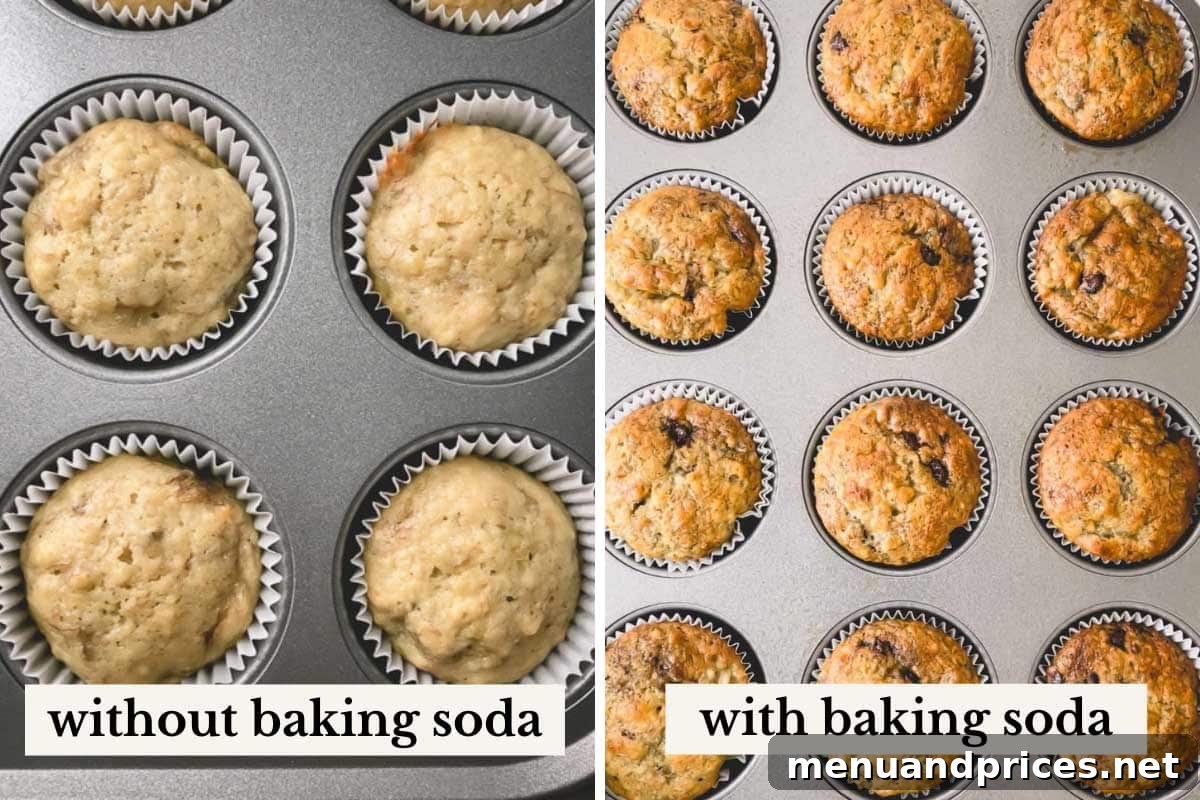
When used together, baking soda and baking powder create a more complex and versatile leavening system, allowing bakers to fine-tune both the rise and the sensory qualities of their creations.
Cream of Tartar: A Companion, Not a Twin
Cream of tartar, or potassium bitartrate (powdered tartaric acid), often sits near baking soda and baking powder on grocery store shelves, and indeed, it shares a powdery white appearance with baking soda. However, it’s a distinctly different ingredient with unique properties and applications.
On its own, cream of tartar is an acidic ingredient prized for its ability to:
- Stabilize Egg Whites: It helps create stronger, more stable foams in recipes like meringues, macarons, and pavlovas, preventing them from deflating.
- Prevent Sugar Crystallization: In candy making, it helps prevent sugar from crystallizing, resulting in smoother textures.
- Add Tang: It provides the characteristic tangy flavor to classic cookies like Snickerdoodles.
The connection to baking soda is this: when cream of tartar is combined with baking soda in precise ratios, it effectively creates a homemade baking powder. It provides the necessary acid to react with the alkaline baking soda, producing the carbon dioxide gas needed for leavening. So, while not the same, they are often partners in creating rise.
How to Substitute Baking Soda and Baking Powder (Use with Caution!)
While it’s always best to use the exact leavening agent specified in a recipe, sometimes you might find yourself short on an ingredient. Substituting baking soda for baking powder, or vice versa, is possible but comes with significant caveats. Because these agents function so differently, improper substitutions can dramatically alter the taste, texture, and rise of your baked goods. Proceed with extreme caution and be prepared for potential variations from the original recipe.
- Substituting Baking Powder for Baking Soda:
If your recipe calls for baking soda but you only have baking powder, you’ll need to use a larger quantity of baking powder. The general rule of thumb is to use a 3:1 or 4:1 ratio of baking powder to baking soda. This means for every 1 teaspoon of baking soda, you would use 3 to 4 teaspoons of baking powder.
Why this ratio? Baking powder contains significantly less sodium bicarbonate per teaspoon than pure baking soda. Additionally, since baking powder already contains an acid, using a large amount might introduce an unwanted metallic or slightly bitter taste to your recipe. This substitution is usually more successful in recipes that don’t rely heavily on the acid neutralization that baking soda provides.
- Substituting Baking Soda for Baking Powder:
This substitution is trickier because baking soda requires an external acid to activate. If your recipe calls for baking powder but you only have baking soda, you’ll need to use a much smaller amount of baking soda AND add an acidic ingredient. A common ratio is to use ⅓ to ¼ teaspoon of baking soda for every 1 teaspoon of baking powder.
Crucially, you must also add an acid. For every ¼ teaspoon of baking soda you use, you’ll need to add one of the following acidic ingredients to your recipe:
- ½ teaspoon cream of tartar
- ½ cup buttermilk (reduce other liquids in the recipe by ½ cup)
- ½ teaspoon lemon juice or vinegar (this can significantly alter the flavor profile)
This substitution is complex and can drastically change the flavor and texture of your recipe, especially if you’re not careful with liquid adjustments when adding buttermilk or other liquid acids. It’s generally advised only as a last resort.
Ultimately, while these substitutions can save a recipe in a pinch, they are not ideal. For consistent and high-quality results, always aim to use the specific leavening agents a recipe calls for.
Frequently Asked Questions About Baking Soda and Baking Powder:
Double-acting baking powder is the most common type sold in stores. It’s designed to release carbon dioxide gas in two phases: first, when it’s mixed with liquid ingredients in the batter, and second, when the batter is exposed to heat in the oven. This two-stage activation provides a more consistent and powerful rise for your baked goods.
Both baking soda and baking powder should be stored in airtight containers in a cool, dark, and dry place, such as a pantry. Humidity and moisture are their enemies, as they can trigger premature reactions and diminish potency. While baking soda is often sold in cardboard boxes, it’s best to transfer it to a resealable plastic bag or a glass jar with a tight-fitting lid to maintain freshness. Proper storage helps extend their shelf life and ensures they remain active for longer.
No, it’s highly recommended to discard expired baking soda and baking powder. Once these leavening agents are past their prime, they lose their ability to produce sufficient carbon dioxide gas, leading to flat, dense, and potentially ruined baked goods. The small cost of replacing them far outweighs the disappointment of a failed recipe. Always perform the freshness tests if you’re unsure!
Using too much baking soda can lead to several undesirable outcomes. Since it’s alkaline, excessive amounts can give your baked goods a soapy, metallic, or bitter taste. It can also cause them to brown too quickly and intensely, and sometimes result in a crumb that is dry and crumbly rather than tender.
Similar to baking soda, too much baking powder can impart a metallic or bitter flavor. It might also cause your batter to rise too rapidly and then collapse, leading to a sunken center or a coarse, brittle texture. In some cases, it can also lead to excessive dryness.
More Essential Baking Basics:
Deepen your baking knowledge with these other foundational skills:
- How to Measure Flour Accurately
- The Art of Separating Egg Whites
- Tips for Softening Hard Brown Sugar
- Achieving Perfectly Softened Butter
With this newfound understanding of baking soda and baking powder, you’re now equipped to approach your recipes with greater confidence and precision. Happy baking!