
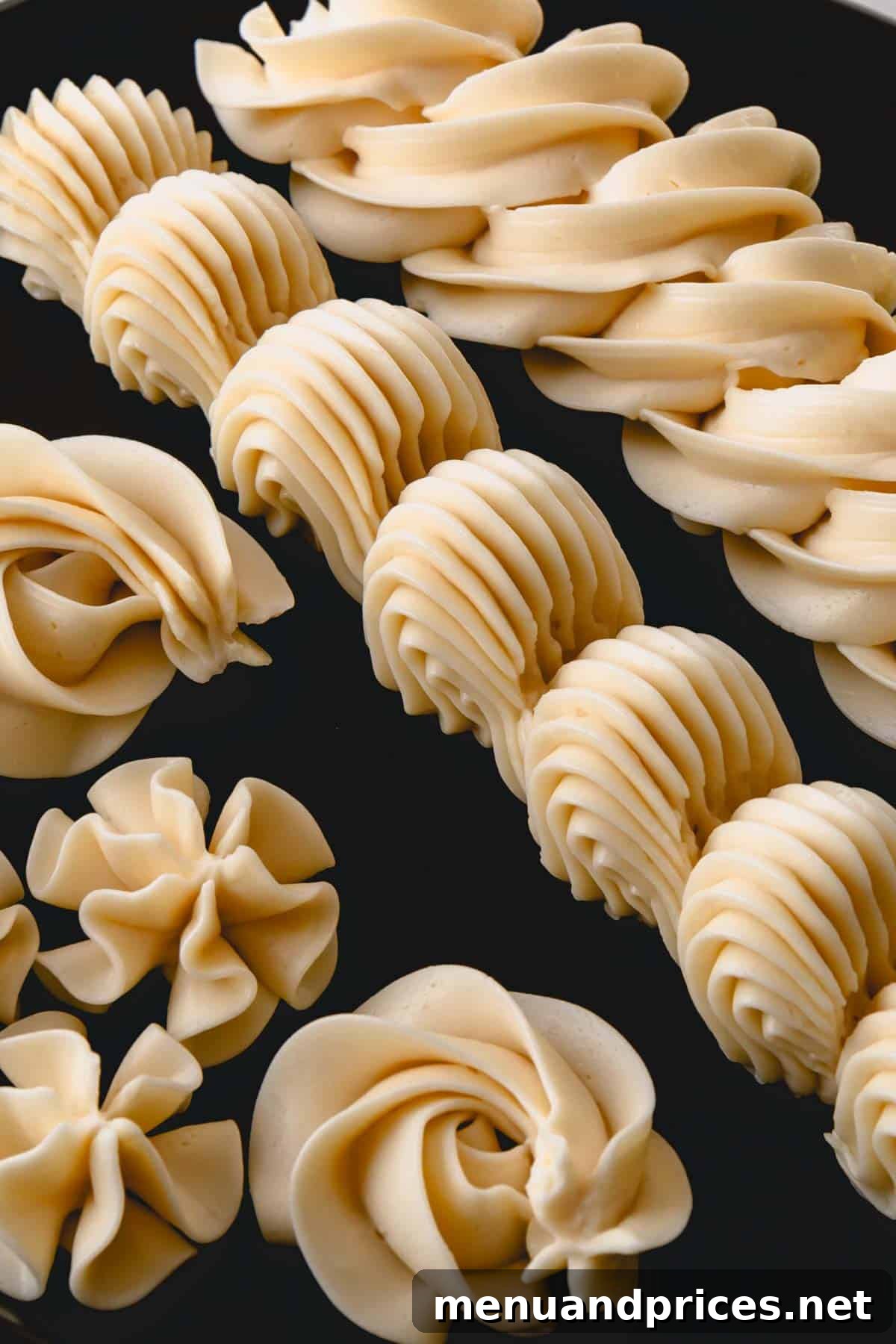
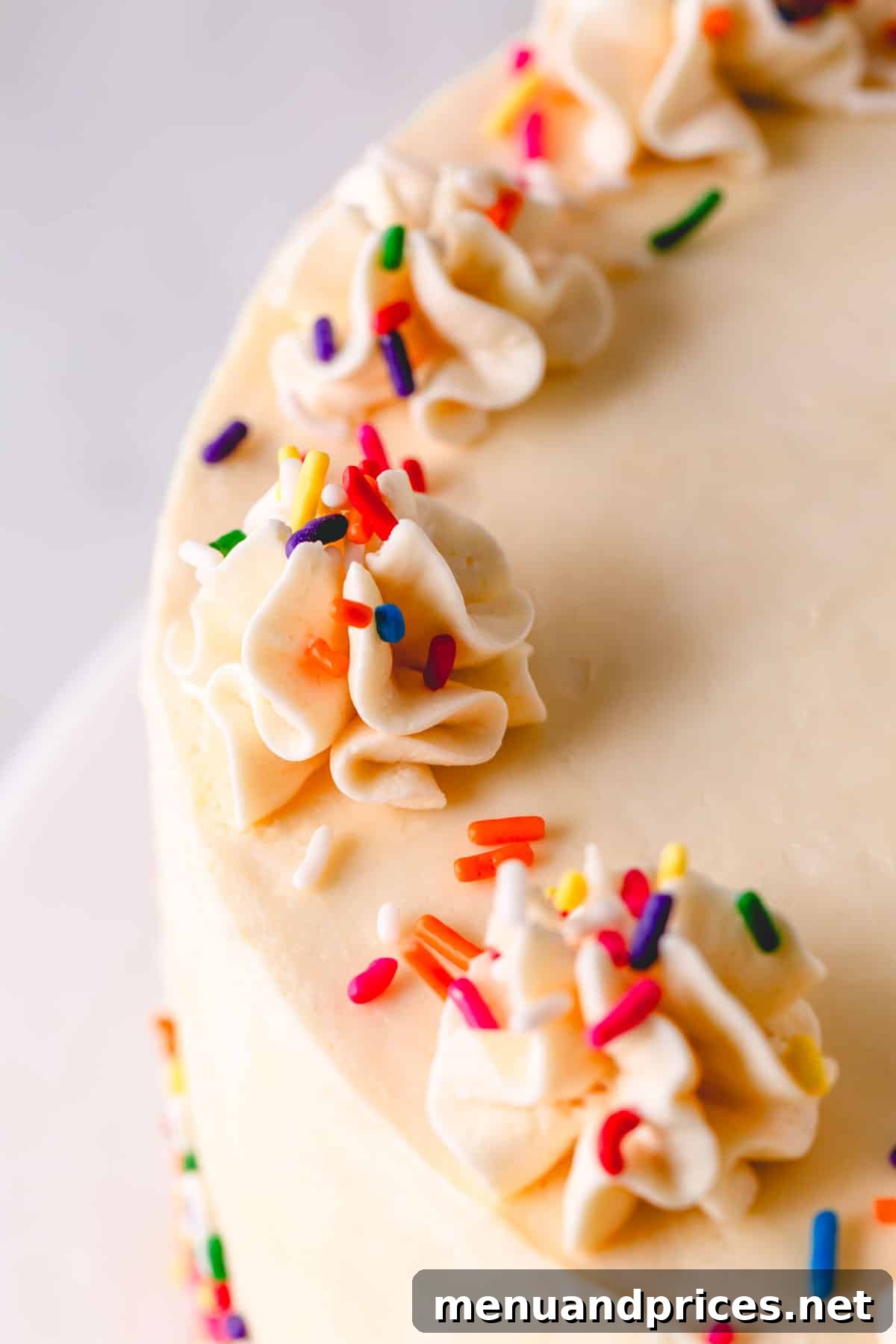
Embark on a delightful baking journey with this ultimate vanilla Russian buttercream recipe! Renowned for its incredibly rich, buttery texture and a delicate hint of caramel, this frosting is a dream come true for home bakers and professionals alike. Its creamy, smooth consistency makes it remarkably easy to work with, whether you’re frosting an elegant layered cake or meticulously decorating a batch of beautiful cupcakes. Best of all, it comes together in mere minutes, transforming simple ingredients into a truly luxurious dessert topping. Prepare to impress with this stable, versatile, and irresistibly delicious buttercream!
Pin this now to find it later
Pin It
Why This Vanilla Russian Buttercream Will Be Your New Go-To Frosting
As a passionate baker with a serious sweet tooth, I confess I often find myself enjoying the frosting even more than the cake itself! While I adore exploring various buttercream creations like strawberry Swiss buttercream, pistachio buttercream, and rich peanut butter buttercream frosting, this vanilla Russian buttercream holds a special place in my heart. It’s truly my first choice when I need a frosting that’s both effortlessly simple to prepare and exquisitely delicious, delivering consistent, beautiful results every time.
Here’s why this condensed milk buttercream stands out and is poised to become your favorite for all baking endeavors:
- Unbelievably Simple to Make: Forget complicated techniques, multiple cooking stages, or lengthy cooling times typical of other buttercreams. This incredible Russian buttercream requires just four fundamental ingredients – butter, sweetened condensed milk, vanilla extract, and a pinch of salt – and a mere five minutes of your time to transform them into a luxurious topping. It’s perfect for busy schedules, impromptu baking sessions, or when you simply crave a quick, satisfying dessert enhancement without the fuss. Its straightforward method makes it ideal for beginners and seasoned bakers alike.
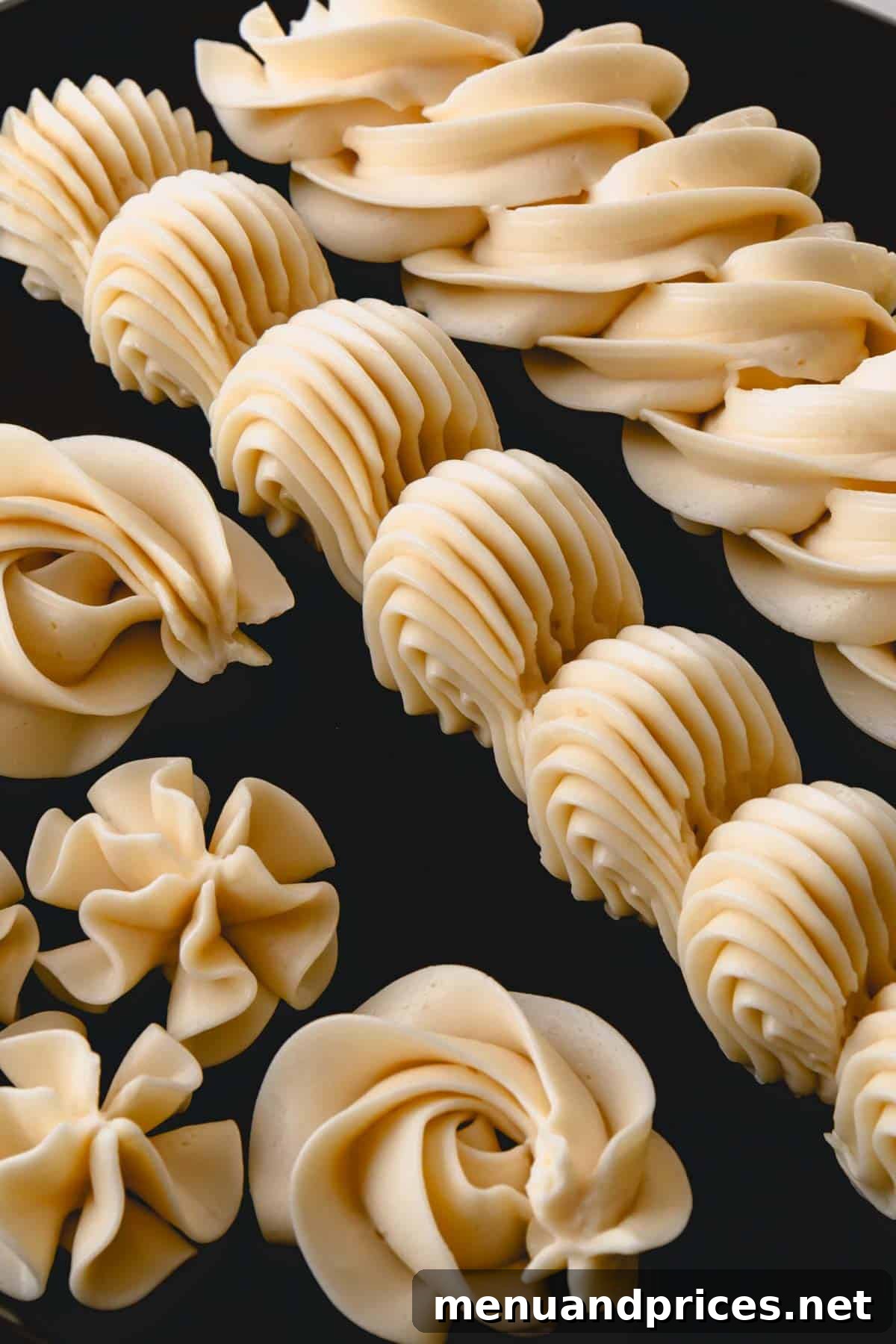
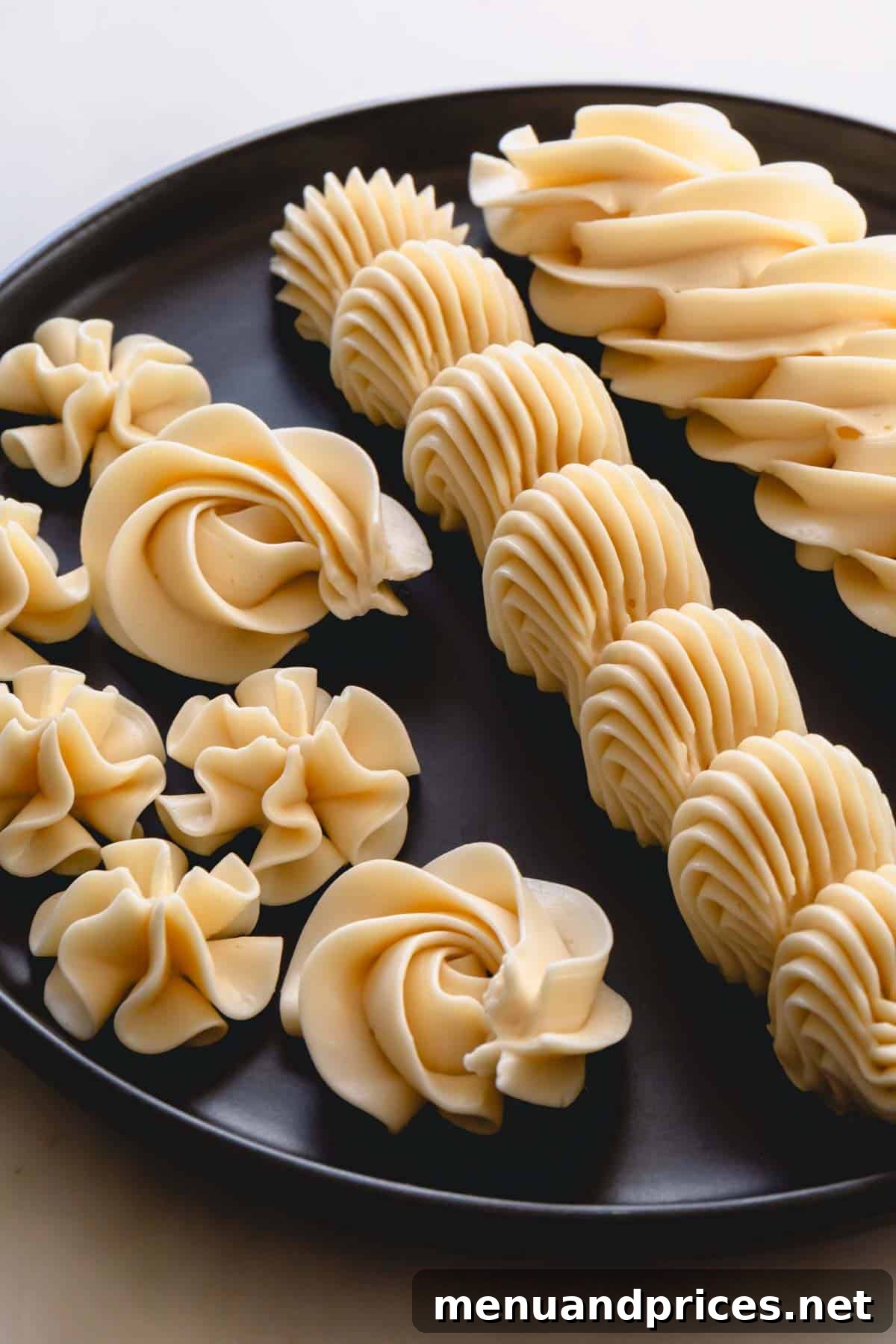
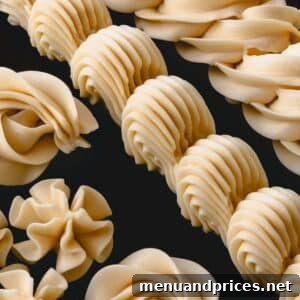
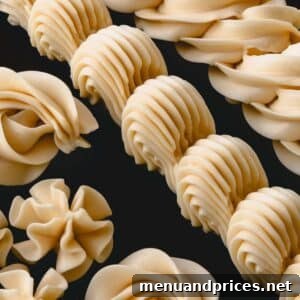
- Remarkably Versatile and Stable for All Decorations: Don’t let its simplicity fool you; this vanilla buttercream is a true workhorse in the kitchen. Its smooth, creamy consistency glides beautifully over large cakes, creating a flawless, professional-looking canvas. Yet, it possesses exceptional stability and structure, making it incredibly sturdy and resilient. This makes it ideal for piping intricate designs, delicate borders, stunning floral patterns, or impressive, towering cupcake swirls that hold their shape beautifully, even in various environmental conditions. This inherent stability is a key advantage of traditional Russian buttercream recipes.
- Rich, Unique, and Flavorfully Sophisticated: If you think vanilla is a plain flavor, prepare to have your perceptions challenged! The magic of this recipe lies in the ingenious use of sweetened condensed milk, which infuses the buttercream with an unparalleled richness and a deep, buttery essence that traditional buttercreams can’t quite replicate. This star ingredient also contributes subtle, delectable notes of caramel, transforming the humble vanilla into a sophisticated, irresistible taste that’s far from boring. It’s a flavor profile distinct from classic American or meringue-based buttercreams, offering a delightful and memorable twist that will keep everyone coming back for more.
Essential Ingredients for Perfect Russian Buttercream
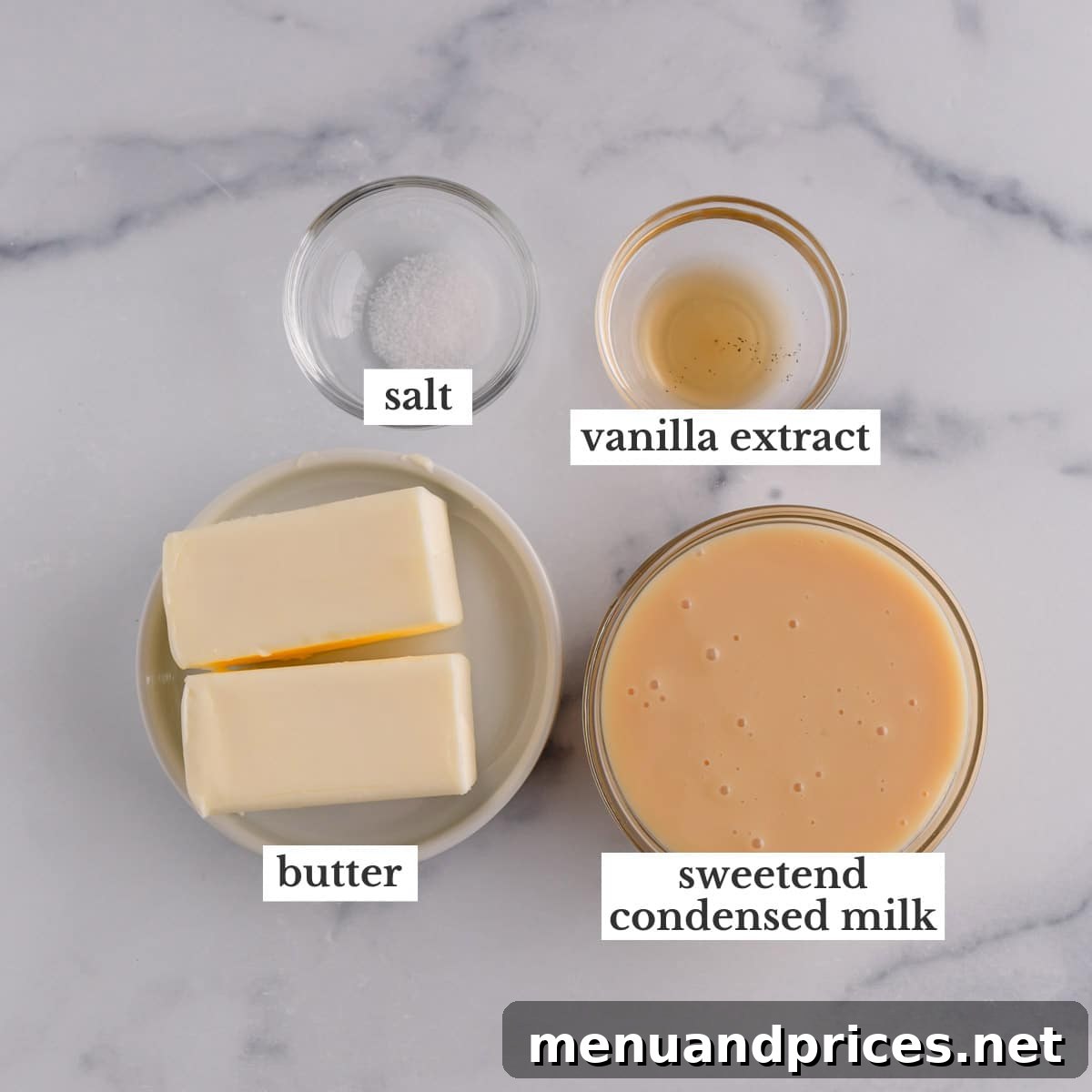
Achieving the perfect texture and flavor for your vanilla Russian buttercream starts with understanding your ingredients and preparing them correctly. Before you begin whipping up this dreamy frosting, it’s absolutely crucial to ensure both your unsalted butter and sweetened condensed milk have reached a consistent room temperature. This step is non-negotiable for smooth emulsification and an effortlessly blendable, stable mixture!
- High-Quality Unsalted Butter: This is truly the star of our Russian buttercream! Using unsalted butter allows you to precisely control the overall saltiness of your frosting, tailoring it to your preference. It acts as the primary stabilizer and emulsifier, providing the essential structure that makes this buttercream sturdy enough for intricate piping work and robust enough to stand up to covering larger cakes. Beyond its structural role, high-quality butter imparts a luxuriously rich and undeniably delicious flavor that forms the velvety foundation of this recipe. For the best results, opt for a good quality butter with at least 80% fat content.
- Sweetened Condensed Milk: This ingredient is the secret to Russian buttercream’s unique character and a common source of confusion for many bakers. Always double-check that you’re using *sweetened condensed milk*, not evaporated milk! Sweetened condensed milk is a thick, syrupy product containing a significant amount of added sugar, which contributes to the frosting’s sweetness, richness, and distinctive milky flavor. Evaporated milk, on the other hand, is unsweetened and much thinner, and will not yield the desired results. The condensed milk not only provides the necessary sweetness but also contributes to the frosting’s incredible creaminess, unique texture, and those delightful, subtle caramel undertones that make this vanilla Russian buttercream so irresistibly special.
- Pure Vanilla Extract: The quality of your vanilla makes a significant and noticeable difference in the final flavor profile of your buttercream. While I’m a firm believer in the superior, complex flavor of homemade vanilla extract, a high-quality store-bought pure vanilla extract will also yield fantastic results. The key is to absolutely avoid imitation vanilla, as it can introduce an artificial, chemical-like taste that detracts from the buttercream’s natural richness and purity of flavor. Trust me, your taste buds will truly thank you for choosing pure vanilla! For an even more intense vanilla experience, consider using vanilla bean paste.
- Coarse Kosher Salt: Just a small pinch of coarse kosher salt is all it takes to perform a remarkable balancing act in this recipe. It expertly cuts through and enhances the sweetness of the buttercream, preventing it from being overly cloying or one-dimensional. The salt acts as a flavor enhancer, amplifying the existing delicious notes of the butter and condensed milk, resulting in a perfectly balanced, sophisticated, and truly flavorful frosting that pleases the palate without being excessively sweet.
How to Master Vanilla Russian Buttercream Frosting: A Step-by-Step Guide
Preparing this exquisite condensed milk buttercream is surprisingly simple and incredibly fast. You’ll only need about five minutes from start to finish to create a batch of perfectly smooth and fluffy frosting – quicker than a trip to the grocery store! The ease of this recipe makes it an ideal choice for last-minute desserts or when you desire professional-looking results without extensive effort. Follow these straightforward instructions to achieve buttercream perfection:
- Step 1: Whip the Butter to Fluffy Perfection. In the bowl of your stand mixer fitted with a paddle attachment (or a large mixing bowl if you’re using an electric hand mixer), begin by beating the room-temperature unsalted butter on medium-high speed. Continue to whip the butter vigorously for approximately 3 minutes, or until it undergoes a noticeable transformation: it will become significantly lighter in color, visibly fluffier, and will have increased in volume due to proper aeration. This initial whipping step is absolutely crucial for a light, airy, and ultimately stable buttercream.
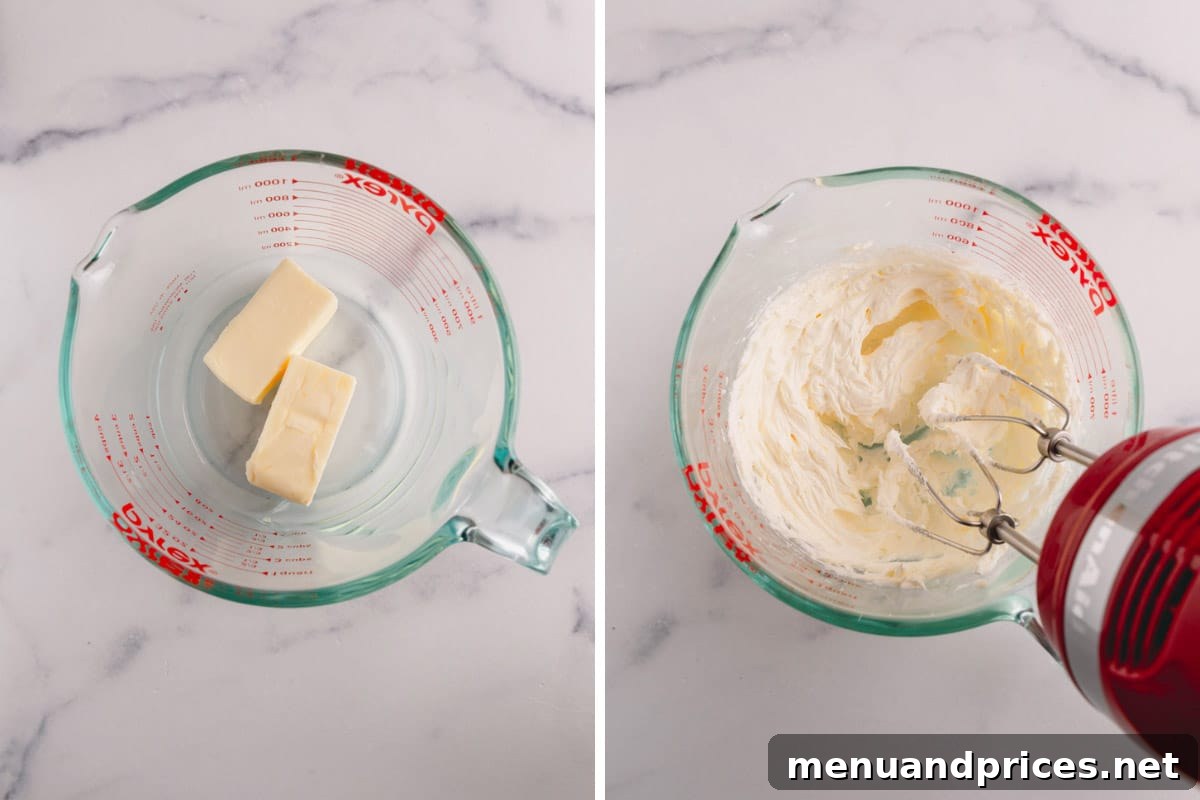
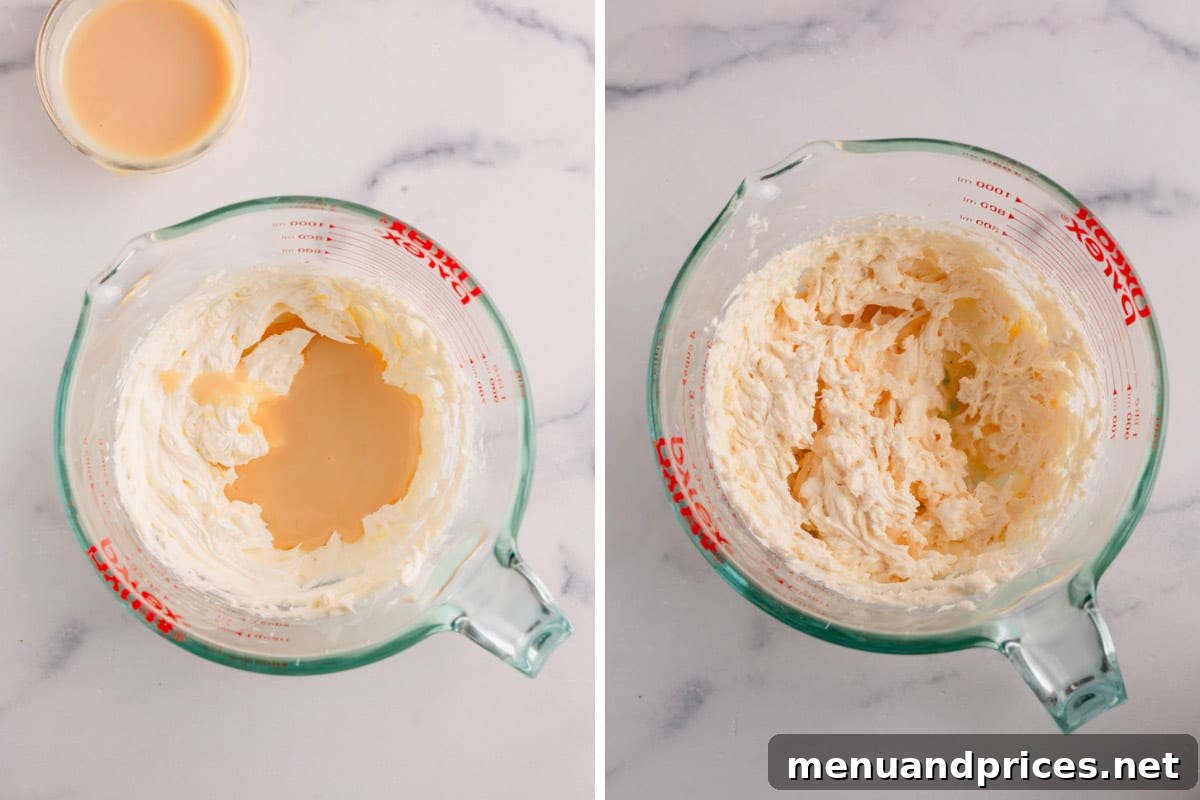
- Step 2: Slowly Incorporate Sweetened Condensed Milk. Once your butter is light and fluffy, reduce the mixer speed to low. With the mixer still running, slowly and steadily pour in the sweetened condensed milk in a thin, continuous stream. This gradual addition is vitally important for proper emulsification, preventing the mixture from separating or becoming chunky. Take your time with this step, allowing the butter to fully absorb the liquid. Once all the condensed milk has been fully added and incorporated, increase the mixer speed back to medium-high. Continue to beat the mixture for about 2 minutes, allowing it to become completely smooth, glossy, and beautifully fluffy. Don’t worry if it looks a little loose at first; it will come together as you continue to whip.
- Step 3: Add Flavor and Balance. Stop the mixer and use a rubber spatula to carefully scrape down the sides and bottom of the bowl, ensuring all ingredients are thoroughly mixed. Now, add the pure vanilla extract and the pinch of coarse kosher salt.
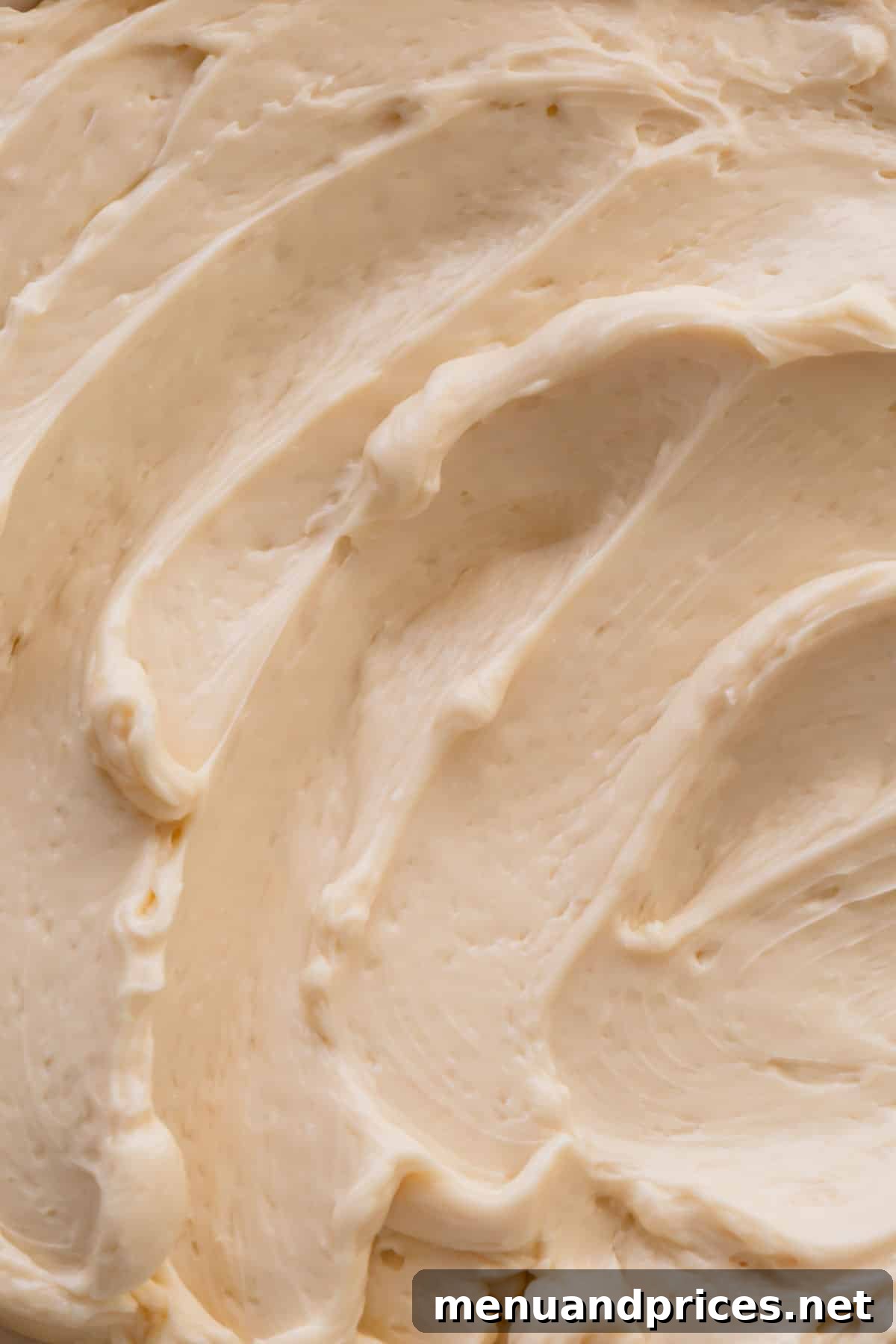
- Step 4: Final Whip for Smoothness. Increase the mixer speed to medium-high once more and whip the entire mixture for a final 30 seconds. This last whip ensures that the vanilla and salt are perfectly incorporated and that your vanilla Russian buttercream is wonderfully smooth, stable, and ready to use for all your decorating needs. The final consistency should be light, airy, and pipeable.
Hand Mixer vs. Stand Mixer: Which to Choose for Russian Buttercream?
The choice between a hand mixer and a stand mixer often depends on the quantity of frosting you need and your personal preference. For smaller batches of this delightful frosting, perhaps for a dozen cupcakes, a single-layer cake, or a practice session, an electric hand mixer is an excellent and convenient choice. Its portability and ease of setup make it ideal for quick tasks. However, when using a hand mixer, be particularly mindful to add the sweetened condensed milk in three separate batches, ensuring you beat thoroughly after each addition to achieve proper emulsification and prevent separation.
Conversely, if you’re planning to frost a grand layered cake, a large sheet cake, or multiple dozens of cupcakes, preparing a double or even quadruple batch of Russian buttercream will be necessary. In such cases, a powerful stand mixer equipped with a paddle attachment becomes your absolute best friend. Its consistent power, larger capacity, and hands-free operation make it effortless to achieve large quantities of perfectly smooth and stable buttercream, ensuring uniform results every time without tiring your arms.
Expert Tips for Foolproof Vanilla Russian Buttercream Success
Even though this condensed milk buttercream is one of the simplest and most forgiving frostings to master, a few key techniques and considerations can ensure your absolute success every time. If you’re new to making Russian buttercream or simply want to perfect your technique, take a moment to review these essential tips before you start whipping:
- Ensure All Ingredients are at Perfect Room Temperature: This is arguably the most critical tip for any buttercream, and it’s especially vital for Russian buttercream. Before you even think about starting, allow both your unsalted butter and sweetened condensed milk to come to the exact same temperature – ideally, a soft but not melted room temperature. Your butter should be pliable when gently pressed but still cool to the touch, typically around 65°F (18-19°C). If the butter is too cold, it won’t whip up properly, leading to a lumpy, curdled, or split frosting. If it’s too soft or greasy (approaching melted), it won’t incorporate air effectively and can result in a thin, soupy, or separated buttercream that lacks structure. Consistency in temperature is the ultimate key for a stable, homogenous emulsion.
- Add Sweetened Condensed Milk Gradually: Patience is truly a virtue when incorporating the sweetened condensed milk into your whipped butter. This slow, steady addition is absolutely crucial to prevent your buttercream from separating or becoming grainy. As the mixer runs on low speed, drizzle the condensed milk in a thin, slow, and continuous stream. This methodical approach allows the butter to gradually absorb the liquid and properly emulsify, creating a cohesive and beautifully smooth frosting. If you’re using a hand mixer, divide the condensed milk into three distinct batches, beating thoroughly after each addition until fully combined before adding the next.
- Adhere to the Proper Ratios for Stability: The foundation of a perfect vanilla Russian buttercream lies in its simple yet precise ingredient ratio. The basic proportion of unsalted butter to sweetened condensed milk is typically 1:1 by weight (e.g., 1 stick/113g butter to 1/3 cup/113g sweetened condensed milk). Maintaining this delicate balance ensures the ideal texture, sweetness, and stability that Russian buttercream is known for. Deviating too much from this ratio can compromise the structure and consistency of your frosting, making it either too stiff or too runny.
- Scale the Recipe to Your Needs Effortlessly: This Russian buttercream recipe is incredibly forgiving and easily scalable, making it suitable for any baking project. Whether you need a small batch for a few cupcakes, a moderate amount for a standard 8 or 9-inch cake, or a generous quantity for an elaborate tiered wedding cake, you can effortlessly double, triple, or even quadruple the recipe without issues. It’s versatile enough to frost everything from a classic white cake to delicate macarons, or even as a flavorful filling for cookies and pastries.
- Consider Your Kitchen Temperature: Buttercream, being butter-based, is naturally sensitive to temperature fluctuations in your working environment. If your kitchen is particularly warm, your frosting might become too soft and lose its piping definition. Conversely, if it’s too cold, the buttercream might stiffen up excessively. Aim for a comfortable, moderate room temperature in your workspace. If the frosting seems too soft, you can chill it briefly in the refrigerator (5-10 minutes) before re-whipping; if it’s too stiff, simply let it sit at room temperature for a few minutes before giving it another whip.
Troubleshooting: How to Fix Separated or Curdled Russian Buttercream
Don’t despair if your vanilla Russian buttercream recipe appears curdled, lumpy, or separated during preparation! This is a remarkably common issue, especially for those new to buttercream, and thankfully, it’s almost always easily fixable. The key to successful troubleshooting is first identifying whether your butter was too cold or too soft to begin with. Once you’ve determined the culprit, follow these targeted tips to bring your buttercream back to its smooth, luscious glory:
- If Your Butter Was Too Cold (Lumpy, Curdled Appearance): If your buttercream looks chunky, granular, or curdled, resembling cottage cheese, it’s highly probable that your butter was too cold when you started whipping or when you initially added the condensed milk. The fat in the butter hasn’t fully emulsified with the liquid. The solution? Keep beating! Continue to whip the frosting on medium-high speed in your mixer. The friction generated by the mixing action will gradually warm and soften the butter, allowing it to properly emulsify with the condensed milk. This process might take a surprisingly long time – sometimes 5-10 minutes or even longer – but trust the process. Eventually, with persistent whipping, it will miraculously smooth out into a luscious, cohesive, and perfectly pipeable buttercream.
- If Your Butter Was Too Soft or Soupy (Greasy, Liquid Appearance): Conversely, if your buttercream looks soupy, excessively greasy, or simply won’t hold its shape (i.e., it’s too runny), your butter was likely too soft, too warm, or perhaps even slightly melted. In this scenario, the butter’s fat has separated from the liquid components. To remedy this, carefully transfer the entire batch of frosting to your refrigerator. Chill it for a short period, typically 5 to 10 minutes (checking frequently), just until the butter firms up slightly and feels cool to the touch. Be extremely careful not to let it get too hard, as this will lead back to the “too cold” problem. Once it has firmed up a bit, return it to the mixer and whip it again on medium-high speed until it becomes wonderfully smooth, fluffy, and perfectly stable.
Make-Ahead and Storage Tips for Ultimate Convenience
One of the many fantastic advantages of this condensed milk buttercream recipe is its excellent make-ahead potential, allowing you to prepare it well in advance and save valuable time on busy baking days. Proper storage ensures it remains fresh, delicious, and perfectly workable when you’re ready to use it:
- Refrigeration for Short-Term Storage: For immediate use within the week, transfer your prepared vanilla Russian buttercream to an airtight container. Press a piece of plastic wrap directly onto the surface of the buttercream to prevent a crust from forming, then seal the container tightly. Store it in the refrigerator for up to one week.
- Freezing for Long-Term Storage: For extended storage, this stable buttercream freezes beautifully. Transfer it to a freezer-safe, airtight container, again pressing plastic wrap directly onto the surface before sealing. It can be stored in the freezer for up to three months without any loss of quality.
- Bringing to Life After Storage: When you’re ready to use refrigerated buttercream, simply remove it from the fridge and let it come to room temperature on the counter for a few hours until it softens. For frozen buttercream, thaw it overnight in the refrigerator first, then let it sit at room temperature for an additional hour or two until it’s soft enough to whip. Once thawed and at room temperature (it may look curdled or greasy at this stage), transfer the buttercream back to your stand mixer and whip it on medium speed until it’s smooth, creamy, and has regained its original fluffy texture before using. This re-whipping step is crucial to restore its perfect consistency and aeration.
Buttercream Frosting FAQs: Your Most Common Questions Answered
Russian buttercream is uniquely distinguished from other types of buttercream by its incredibly simple, two-ingredient base: whipped butter and sweetened condensed milk. Unlike American buttercream, which relies on powdered sugar for sweetness and structure, or meringue-based buttercreams (such as Swiss, Italian, and French) that incorporate egg whites, Russian buttercream skips these, resulting in a frosting that is inherently creamier, remarkably smooth, and possesses a richer, more pronounced milky flavor profile. The sweetened condensed milk also imparts those delightful, subtle caramel notes not typically found in other buttercream formulations, giving it a distinctive and highly appealing taste.
Among the various buttercream types, Italian meringue buttercream is widely regarded as the most difficult and temperamental to make successfully, particularly for novice home bakers. Its complexity stems from the precise technique required: a hot sugar syrup must be cooked to a specific, narrow temperature range (typically 238-245°F or 114-118°C, known as the soft-ball stage) and then very slowly streamed into whipping egg whites at just the right moment. This process demands careful timing, precise temperature control (often requiring a candy thermometer), and a certain degree of confidence, making it significantly more intimidating and prone to errors compared to the straightforward, no-cook method of Russian buttercream.
Swiss meringue buttercream is a firm favorite among professional bakers and confectioners, and for very good reason. While it requires a bit more effort and a few more steps than the simpler American buttercream or our quick Russian buttercream, its superior qualities are well worth the investment of time. Swiss meringue buttercream is famously silky smooth, incredibly light in texture, far less sweet than American buttercream, and exceptionally stable. These desirable characteristics make it perfect for creating flawlessly smooth cake coverings, intricate and precise piping designs, and delicate decorations that hold up beautifully in various conditions, providing a professional and elegant finish to any baked creation.
Absolutely! One of the greatest advantages and most appealing characteristics of Russian buttercream, especially this vanilla version, is its excellent and reliable stability. Once properly made and whipped to the correct consistency, it holds its shape beautifully and is surprisingly robust, making it an ideal choice for a wide range of decorating tasks. Whether you’re frosting cupcakes with elegant swirls, filling delicate layer cakes, or piping detailed patterns, borders, and even elaborate flowers, its robust structure means your decorations will stay perfectly intact, providing a professional, polished, and impressive finish to all your baked goods.
Explore More Delicious Buttercream Frosting Recipes
If you’ve fallen in love with the simplicity and luscious flavor of this vanilla Russian buttercream, you’ll surely enjoy expanding your buttercream repertoire with these other fantastic and equally delicious recipes. Each offers a unique flavor and texture profile to elevate your baking to new heights:
- Rich Chocolate French Buttercream
- Decadent Chocolate Swiss Meringue Buttercream
- Irresistible Salted Caramel Buttercream Frosting
- Classic Vanilla Swiss Meringue Buttercream
Vanilla Russian Buttercream
Shinee Davaakhuu
5 minutes
5 minutes
8 servings
1 cup / 240g frosting
Pin Recipe
Comment
Print Recipe
Ingredients
-
1 stick
(113 g)
unsalted butter
at room temperature -
1/3 cup
(113 g)
sweetened condensed milk -
1 teaspoon
pure vanilla extract -
¼ teaspoon
coarse kosher salt
Instructions
-
In a mixing bowl with a paddle attachment (for a stand mixer) or a large bowl (for a hand mixer), beat the room-temperature unsalted butter on medium-high speed until it becomes light, pale, and fluffy, approximately 3 minutes.1 stick unsalted butter
-
Reduce the mixer speed to low and slowly pour in the sweetened condensed milk in a steady stream. Once all the condensed milk is added, increase the speed to medium-high and continue to beat until the mixture is completely smooth, glossy, and fluffy, about 2 minutes. (If using a hand mixer, add the sweetened condensed milk in 3 separate batches, beating well after each addition.)1/3 cup sweetened condensed milk
-
Stop the mixer, scrape down the sides of the bowl, then stir in the pure vanilla extract and coarse kosher salt. Whip the mixture again on medium-high speed for a final 30 seconds to ensure everything is well incorporated and the buttercream is perfectly smooth.1 teaspoon pure vanilla extract, ¼ teaspoon coarse kosher salt
⭐️ Did you make this recipe?
Please leave a review and let us know how you liked it!
Tips & Notes
– Ensure both butter and sweetened condensed milk are at the same, ideal room temperature (around 65°F/18-19°C). This is crucial; incorrect temperatures can lead to curdled or soupy frosting.
– The foundational ratio of unsalted butter to sweetened condensed milk is typically 1:1 by weight, ensuring optimal texture and stability for this recipe.
– To prevent separation, add the sweetened condensed milk very slowly into the whipped butter while the mixer is running on low speed. This gradual method allows for proper absorption and emulsification. If using a hand mixer, add it in 3 distinct batches, beating thoroughly after each.
How to Troubleshoot Separated/Curdled Russian Buttercream:
If your frosting curdles or separates, first determine if your butter was too cold or too soft:
– If butter was too cold: Continue beating the frosting on medium-high speed. The friction from the mixer will gradually warm the butter, allowing it to smooth out into a cohesive texture. This may take several minutes, so be patient.
– If butter was too soft: Transfer the frosting to the refrigerator for 5-10 minutes to firm up slightly. Then, remove and re-whip until smooth and fluffy.
Storage Guidelines:
– Store this vanilla Russian buttercream in an airtight container with plastic wrap pressed directly onto its surface in the refrigerator for up to one week.
– For longer storage, it can be frozen in an airtight container for up to three months.
– Before using stored buttercream, always allow it to come to room temperature completely, then re-whip it until smooth and creamy to restore its perfect consistency and aeration.
Nutrition
1 serving
144kcal
7g
1g
13g
7g
180mg
Dessert
Russian
Did you make this?
Leave a rating and your feedback. Thank you!