

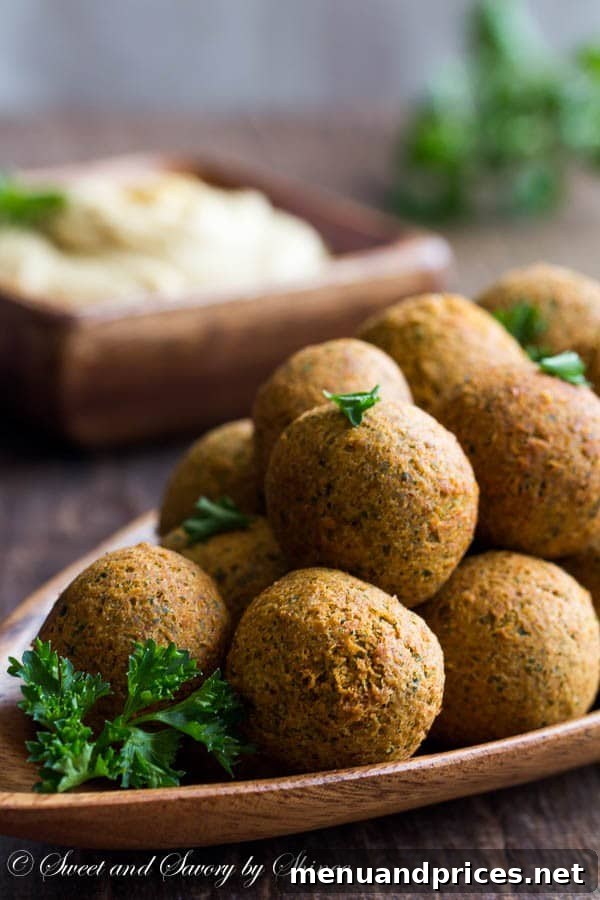
These homemade vegetarian falafel balls are bursting with authentic Middle Eastern flavors and come together in just a few simple steps, making them the perfect appetizer or a delightful addition to any meal.
The Quest for the Perfect Homemade Falafel: A Culinary Journey
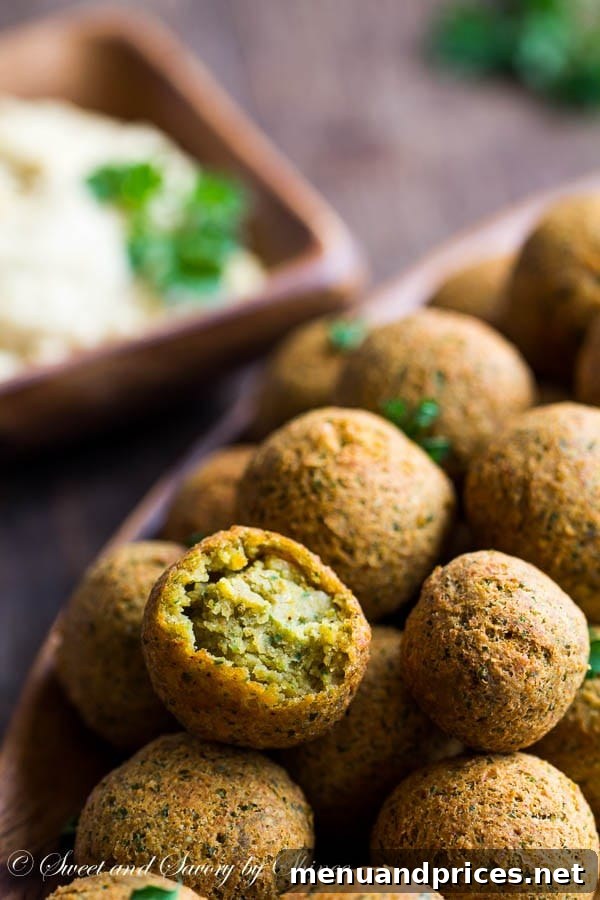
My culinary adventures often lead me to discover remarkable flavors, and earlier this year, a trip to Paris left an indelible mark on my palate. Standing on the bustling sidewalk of a vibrant Parisian street, I experienced what I can only describe as the pinnacle of falafel. That moment — the perfect harmony of an impeccably crispy exterior giving way to a light, fluffy, and aromatic interior — sparked a new culinary mission. I was determined to recreate that magic, to bring those irresistible, traditional chickpea balls to my own kitchen and share the secret to achieving falafel perfection.
Falafel, a beloved staple of Middle Eastern cuisine, has transcended its origins to become a globally celebrated dish. Its popularity spans continents, from the charming food stalls of Paris to the diverse culinary landscapes across the United States. These humble yet incredibly flavorful vegetarian spheres are not just delicious; they are also remarkably filling and packed with plant-based goodness, making them an excellent choice for any meal or gathering.
Why Homemade Falafel Stands Above the Rest
Upon my return from Europe, I dove enthusiastically into a series of culinary experiments, exploring various methods and recipes for falafel. While many store-bought or restaurant versions are enjoyable, nothing quite captures the freshness, vibrant flavors, and sheer satisfaction of falafel made from scratch. For me, the definition of the “best falafel” includes several non-negotiable characteristics: a beautifully golden and unmistakably crispy crust, a remarkably light and airy interior, and a perfectly seasoned, aromatic blend of herbs and spices. And yes, I confess a preference for neatly rounded falafel balls—they simply look more appealing and delightful, don’t you agree?
After numerous trials and meticulous adjustments, I finally “nailed” the recipe, achieving that elusive balance of texture and taste. The joy of creating these crispy, fluffy falafel balls at home is immense, and I’m beyond excited to share this foolproof method with you. Get ready to transform simple ingredients into an extraordinary dish.
Mastering the Texture: Avoiding Common Falafel Pitfalls
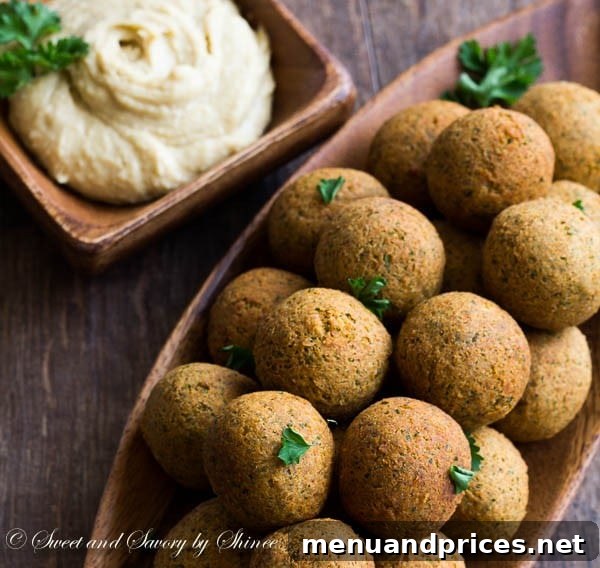
My journey to perfecting this recipe involved a few detours. Initially, I considered using store-bought hummus as a shortcut for the falafel mixture, hoping to save time. While the result was passable, the falafel balls turned out noticeably dense and heavy, lacking the desired light and airy texture that defines truly great falafel. This experiment solidified my belief that building the falafel mixture from its basic components is key to achieving superior results.
For convenience and consistent performance, canned chickpeas became my go-to base, offering a quick and efficient starting point without sacrificing quality. However, a common frustration for many home cooks is falafel crumbling or falling apart during frying. The solution to this widespread issue is surprisingly straightforward but absolutely vital: **precise oil temperature management.** It is imperative that your frying oil maintains a consistent temperature of at least 350°F (175°C). If the oil temperature drops too low, the falafel balls will absorb excessive oil, becoming greasy and prone to disintegration. Keep a reliable kitchen thermometer handy and diligently monitor the oil’s heat, and you’ll consistently achieve beautifully intact, golden-brown falafel.
The Heart of the Flavor: Essential Falafel Ingredients
The magic of falafel lies in its harmonious blend of fresh ingredients and aromatic spices. Each component plays a crucial role in creating the distinctive and irresistible flavor profile:
- **Canned Chickpeas (Garbanzo Beans):** These are the cornerstone of our falafel. For this recipe, thoroughly drained and rinsed canned chickpeas provide a convenient and effective base. While some traditional recipes call for dried, soaked chickpeas for an even lighter texture, canned chickpeas are perfect for a quicker, more accessible homemade version without sacrificing flavor.
- **Fresh Parsley:** A generous amount of fresh, tightly packed parsley is indispensable. It imparts falafel with its characteristic vibrant green flecks and a fresh, herbaceous flavor that is central to its authentic taste and aroma.
- **Garlic Cloves:** Fresh garlic adds a pungent, savory depth that is a hallmark of Middle Eastern cuisine. Using 2-3 medium cloves ensures a robust and well-rounded flavor that beautifully complements the other spices.
- **All-Purpose Flour:** A small quantity of flour acts as a crucial binding agent. It helps the falafel mixture hold its shape during the frying process, contributing to a stable and crispy exterior.
- **Ground Coriander:** This warm, citrusy, and slightly sweet spice is fundamental to falafel seasoning. It provides a delicate floral note that beautifully enhances the earthy flavor of the chickpeas.
- **Ground Cumin:** Earthy, warm, and with a hint of pepperiness, cumin is another essential spice that defines the classic falafel taste. It adds a deep, savory layer, grounding the overall flavor profile.
- **Chili Powder:** For a subtle warmth and a gentle kick, chili powder completes the spice blend. You can adjust the quantity to suit your preference for a mild or spicier falafel.
- **Garlic Powder:** Although fresh garlic is included, a touch of garlic powder further intensifies the savory, umami notes, providing an additional layer of rich garlicky goodness.
- **Salt:** Crucial for seasoning, salt balances and enhances all the flavors, ensuring your falafel is perfectly palatable and seasoned to perfection.
- **Oil for Frying:** A neutral-flavored oil with a high smoke point, such as vegetable, canola, or sunflower oil, is necessary for deep-frying. This ensures the falafel develops that coveted crispy, golden-brown crust without imparting unwanted flavors.
- **Hummus for Serving (Optional):** While delicious on their own, falafel pair perfectly with creamy hummus, adding another layer of traditional Middle Eastern flavor.
Your Guide to Crafting Crispy Homemade Falafel
Creating these delightful falafel balls is a surprisingly simple process. Follow these detailed instructions to ensure a perfect batch every time:

Homemade Crispy Falafel
Shinee Davaakhuu
10 minutes
10 minutes
20 minutes
16
falafel balls
Comment
Print Recipe
Ingredients
- 1 can (15oz/425gr) chickpeas, drained and rinsed
- ½ cup tightly packed fresh parsley
- 2-3 medium garlic cloves
- 2 tablespoons all-purpose flour (16gr)
- 1 teaspoon ground coriander
- 1 teaspoon ground cumin
- ½ teaspoon chili powder
- ½ teaspoon garlic powder
- ½ teaspoon salt
- Oil for frying (e.g., vegetable, canola, or sunflower oil)
- Hummus for serving, if desired
Helpful Equipment:
- Cuisinart Food Processor
- Medium Cookie Scoop
Instructions
-
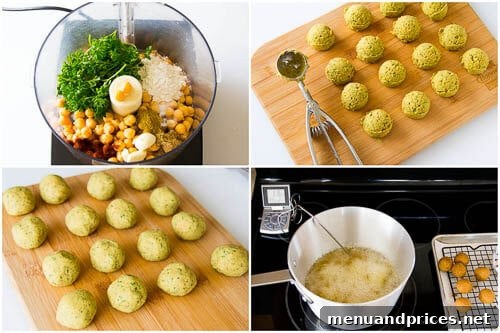
In the bowl of a food processor, combine all the falafel ingredients: the drained and rinsed chickpeas, fresh parsley, garlic cloves, all-purpose flour, ground coriander, ground cumin, chili powder, garlic powder, and salt.
-
Pulse the mixture until it is finely chopped and comes together, forming a coarse but cohesive paste. It’s crucial not to over-process; the mixture should still have some visible texture and not be a completely smooth purée, which can lead to dense falafel.
-
Using a medium cookie scoop (approximately 1-inch in diameter), scoop out uniform portions of the falafel mixture. This helps in achieving consistent sizing for even cooking.
-
Gently roll each scooped portion between your palms to form smooth, compact round balls. Place the formed falafel balls on a plate or baking sheet as you continue.
-
In a deep pot or Dutch oven, heat at least 2 inches of your chosen frying oil to precisely 350°F (175°C). Use a kitchen thermometer to monitor the temperature accurately throughout the process.
-
Carefully lower 6-8 falafel balls into the hot oil at a time, being careful not to overcrowd the pot. Fry them for approximately 3 minutes, or until they turn a beautiful golden brown and are crispy on all sides.
-
Throughout the frying process, it is critical to maintain the oil temperature at or above 350°F (175°C). If the temperature drops too low, the falafel balls will absorb too much oil, potentially becoming greasy or falling apart. Adjust the heat as necessary between batches.
-
Once perfectly fried, remove the falafel balls from the oil using a slotted spoon and transfer them to a baking sheet lined with paper towels and topped with a wire cooling rack. This setup allows excess oil to drain efficiently and helps maintain their crispiness longer.
⭐️ Did you make this recipe?
Please leave a review and let us know how you liked it!
Tips & Notes
Nutrition (per falafel ball)

Did you make this?
Leave a rating and your feedback. Thank you!
Serving Suggestions: Elevate Your Falafel Experience
While falafel is undeniably at its peak when enjoyed fresh out of the fryer, it remarkably retains its delightful crispiness for up to an hour. These versatile golden spheres offer a multitude of delicious serving possibilities, extending far beyond the traditional.
The classic and arguably most beloved method is to tuck them into warm pita bread, layered with crisp lettuce, juicy sliced tomatoes, cool cucumbers, and a generous drizzle of creamy tahini sauce or a tangy yogurt dressing. However, the beauty of falafel lies in its adaptability. As I often prefer, serving them simply as an appetizer alongside a bowl of smooth, rich hummus allows their vibrant flavors to truly shine.
Beyond the Pita: Creative Ways to Enjoy Falafel
- **Falafel Wraps & Bowls:** For a heartier meal, wrap falafel in larger tortillas or lavash bread with a medley of fresh vegetables, pickled onions, and your favorite sauces. Alternatively, build a vibrant falafel bowl with quinoa or couscous, roasted vegetables, and a lemon-tahini dressing.
- **Salad Topper:** Crumble or slice freshly fried falafel over a crisp green salad. They add a fantastic textural contrast, a boost of plant-based protein, and a delightful burst of flavor.
- **Mezze Platter Extravaganza:** Integrate falafel into a lavish Middle Eastern mezze spread. Arrange them alongside olives, creamy feta, smoky baba ghanoush, various pickled vegetables, and warm flatbread for an impressive and flavorful feast.
- **Mini Falafel Sliders:** Use smaller pita pockets or slider buns to create adorable and delicious falafel sliders, perfect for entertaining or a casual snack.
- **With Sauces:** Experiment with different sauces like a spicy harissa mayo, a refreshing mint-yogurt dip, or a classic garlic sauce (toum) to complement the falafel’s rich flavors.
The Unsung Hero: Nutritional Benefits of Falafel
As a self-proclaimed former “die-hard meat-lover,” I can attest to the surprising and profound appeal of this vegetarian dish. It truly won me over, and for good reason! Falafel is not just delicious; it’s also a powerhouse of nutrition:
- **Abundant Plant-Based Protein:** Chickpeas, the primary ingredient, are an excellent source of plant-based protein. This makes falafel incredibly satisfying, contributing to muscle health and making it a superb option for vegetarians, vegans, and anyone looking to incorporate more plant-based meals into their diet.
- **High in Dietary Fiber:** The high fiber content in chickpeas promotes healthy digestion, helps regulate blood sugar levels, and contributes significantly to a feeling of fullness. This can be beneficial for appetite control and weight management.
- **Rich in Essential Nutrients:** Beyond protein and fiber, falafel delivers a good dose of vital vitamins and minerals. Chickpeas are packed with iron (crucial for energy), folate (important for cell growth), magnesium (supports muscle and nerve function), and various B vitamins (essential for metabolism). Fresh herbs like parsley further boost the vitamin content.
- **Antioxidant Properties:** The array of spices, including cumin and coriander, along with fresh garlic and parsley, are rich in antioxidants. These powerful compounds help protect the body’s cells from damage caused by free radicals, supporting overall health and well-being.
- **Heart-Healthy Potential:** When prepared with healthy cooking oils and consumed as part of a balanced diet, falafel can be a heart-healthy choice. Its plant-based nature and fiber content contribute to cholesterol management and cardiovascular health.
This delightful and flavorful dish eloquently demonstrates that vegetarian meals can be every bit as satisfying, rich, and delicious as their meat-based counterparts, proving that wholesome eating doesn’t mean compromising on taste.
Expert Tips for Falafel Perfection Every Time
- **Do Not Over-Process the Mixture:** This is a golden rule for light and fluffy falafel. When blending ingredients in the food processor, aim for a coarse, textured mixture that still has some visible chickpea pieces, rather than a smooth purée. Over-processing releases too much moisture and starch, leading to dense, gummy falafel instead of the desired airy texture.
- **Chill the Mixture (Optional but Recommended):** If your schedule allows, chilling the falafel mixture for at least 30 minutes, or even up to a few hours, before frying can significantly improve its texture and help it hold its shape better. A colder mixture is firmer and less likely to crumble in the hot oil.
- **Maintain the Correct Oil Temperature Religiously:** This cannot be overemphasized. Invest in a reliable deep-fry thermometer. Keeping the oil consistently at 350°F (175°C) is absolutely crucial for achieving that perfect crispy exterior and thoroughly cooked interior. If the oil is too cool, the falafel will absorb excess oil and become greasy; if it’s too hot, it will burn on the outside before cooking through.
- **Avoid Overcrowding the Pot:** Fry falafel in small batches (6-8 balls at a time) to prevent a significant drop in oil temperature. Overcrowding cools the oil rapidly, leading to soggy, greasy falafel and an inconsistent cook. Patience in batches yields superior results.
- **Ensure Proper Drainage After Frying:** Always remove freshly fried falafel with a slotted spoon and place them on a wire rack set over a tray lined with paper towels. This setup allows air to circulate around the falafel, effectively draining excess oil and ensuring they remain wonderfully crispy.
- **Freezing Falafel for Future Enjoyment:** Falafel mixture freezes beautifully! Form the balls, then place them in a single layer on a baking sheet and freeze until solid. Once frozen, transfer them to a freezer-safe bag or airtight container. You can then fry them directly from frozen, adding an extra minute or two to the cooking time as needed.
Embrace the Homemade Falafel Craze!
I genuinely hope you take the plunge and try these incredible homemade falafel balls. They are a delightful testament to the fact that simple, fresh ingredients, when combined with careful technique, can yield truly extraordinary culinary results. Whether you are a dedicated vegetarian, a vegan exploring new recipes, or a curious food enthusiast looking to expand your plant-based repertoire, these falafels are sure to win you over in no time. Prepare to savor a taste of authentic Middle Eastern sunshine and robust flavor in every perfectly crispy bite!