
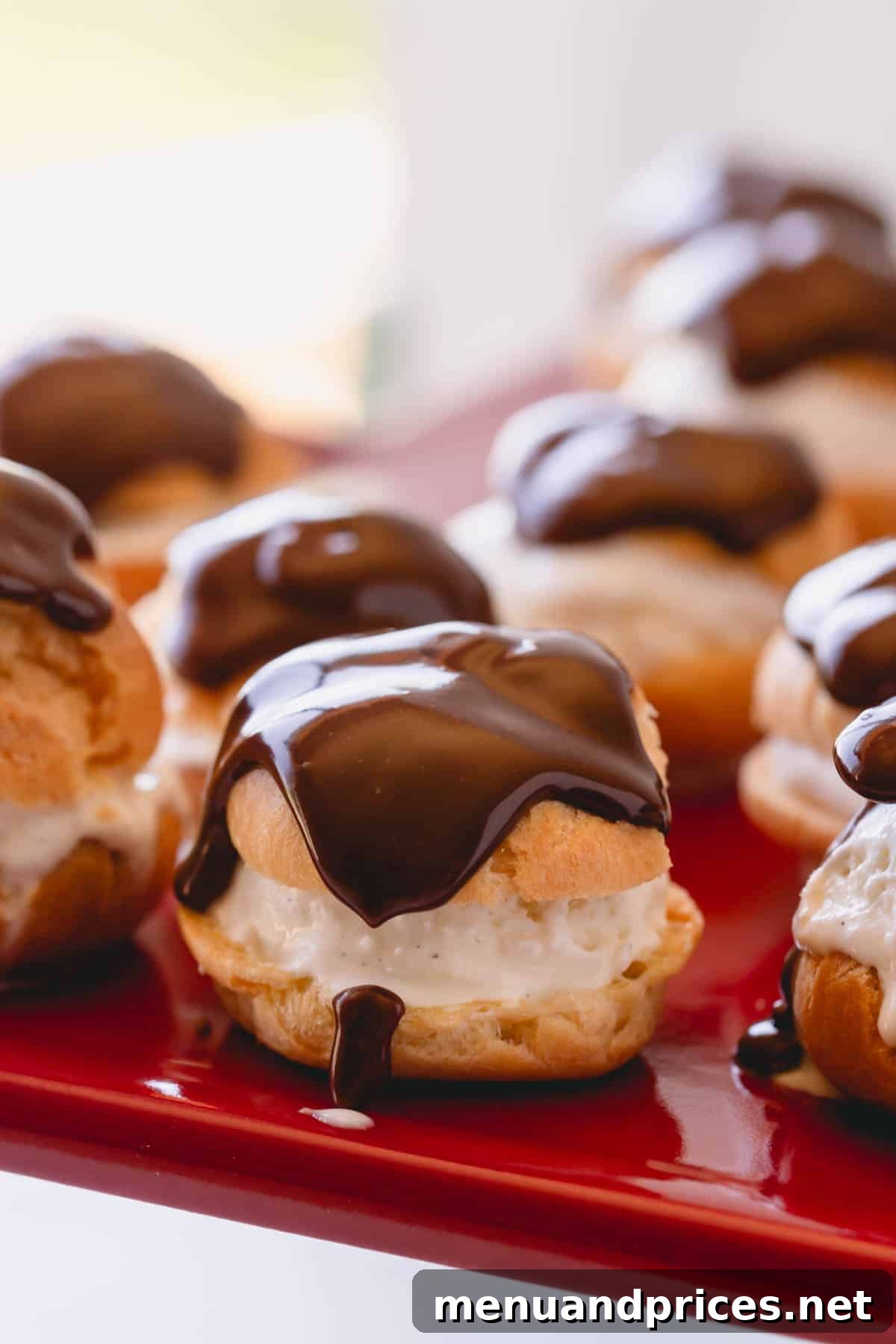
Welcome to the ultimate guide for crafting exquisite chocolate profiteroles – a dessert that promises to transform any occasion into a celebration. Imagine delicate, airy choux pastry shells, generously filled with luscious, creamy vanilla ice cream, and crowned with a glossy, rich dark chocolate ganache. This simple yet sophisticated profiteroles recipe is designed to help you create a truly memorable sweet treat that tastes like it came straight from a gourmet patisserie.
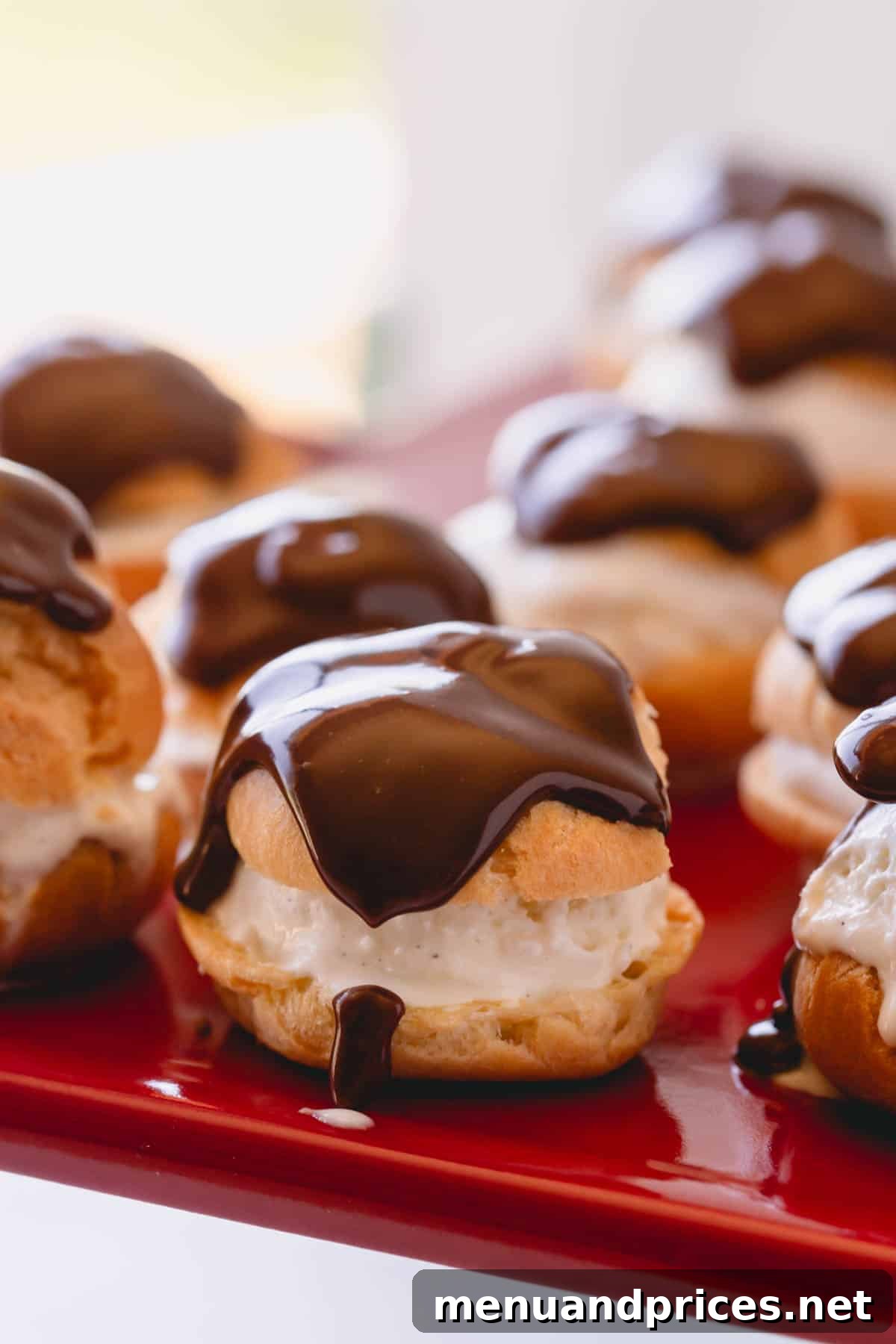
Pin this recipe to save for later!
Pin It
Why You’ll Adore This Profiterole Recipe
Learning how to make profiteroles might seem daunting at first, given their elegant appearance. However, this recipe breaks down the process into easy, manageable steps, ensuring a successful outcome every time. Here’s why these profiteroles will become your new favorite dessert:
- Effortless Elegance: Don’t let the fancy French name intimidate you. Profiteroles are essentially delightful cream puffs crafted from basic choux pastry – a surprisingly simple dough. Paired with a creamy filling and a drizzle of melted chocolate, they come together more easily than you might expect, yet always look incredibly impressive.
- A Symphony of Textures: Experience the exquisite contrast of textures with every bite. The choux pastry shells are wonderfully light, airy, and crisp, providing the perfect counterpoint to the smooth, rich, and creamy filling within. This textural interplay is a hallmark of a truly great profiterole.
- Irresistible Flavor Profile: Each profiterole offers a harmonious blend of flavors. The subtly sweet and ethereal pastry shells encase a generous dollop of cool, creamy vanilla ice cream, creating a refreshing core. This is then beautifully complemented by an intense, velvety dark chocolate ganache topping that adds a layer of deep, luxurious cocoa flavor.
- Convenient & Customizable: Beyond their incredible taste and texture, these profiteroles are surprisingly convenient. They can be largely prepared in advance, allowing you to assemble them quickly just before serving. This flexibility makes them an ideal dessert for dinner parties or special gatherings. Plus, the fillings and toppings are easily customizable to suit any preference!
These profiteroles are a testament to the fact that decadent desserts don’t have to be overly complicated. They are irresistibly delicious, surprisingly light (in feel, if not in calories!), and can be ready to serve in about an hour of active preparation time, with components that can be prepped ahead. Get ready to impress your guests with minimal stress!
What Exactly Are Profiteroles?
Profiteroles are a classic French pastry, widely recognized as “cream puffs” in the United States. These delicate, bite-sized balls are made from choux pastry (pronounced “shoo”), which, when baked, creates a hollow center that is perfect for filling. Traditionally, profiteroles are filled with a variety of sweet creams, such as rich pastry cream, light and airy whipped cream, smooth custard, or, as in this recipe, delightful ice cream. They are typically finished with a silken chocolate ganache drizzle or a dusting of powdered sugar.
While often associated with sweet fillings, profiteroles can also embrace savory variations, featuring fillings like soft cheeses, pureed meats, or smoked salmon for an elegant appetizer. However, the sweet renditions hold a special place in our hearts. Beyond this classic, you might also enjoy exploring other sweet choux pastry delights like raspberry creme puffs, bright lemon creme puffs, or seasonal pumpkin cream puffs.
The beauty of choux pastry lies in its versatility and ability to transform into many different treats, making profiteroles a timeless and beloved dessert worldwide.
Mastering the Ingredients: What You’ll Need
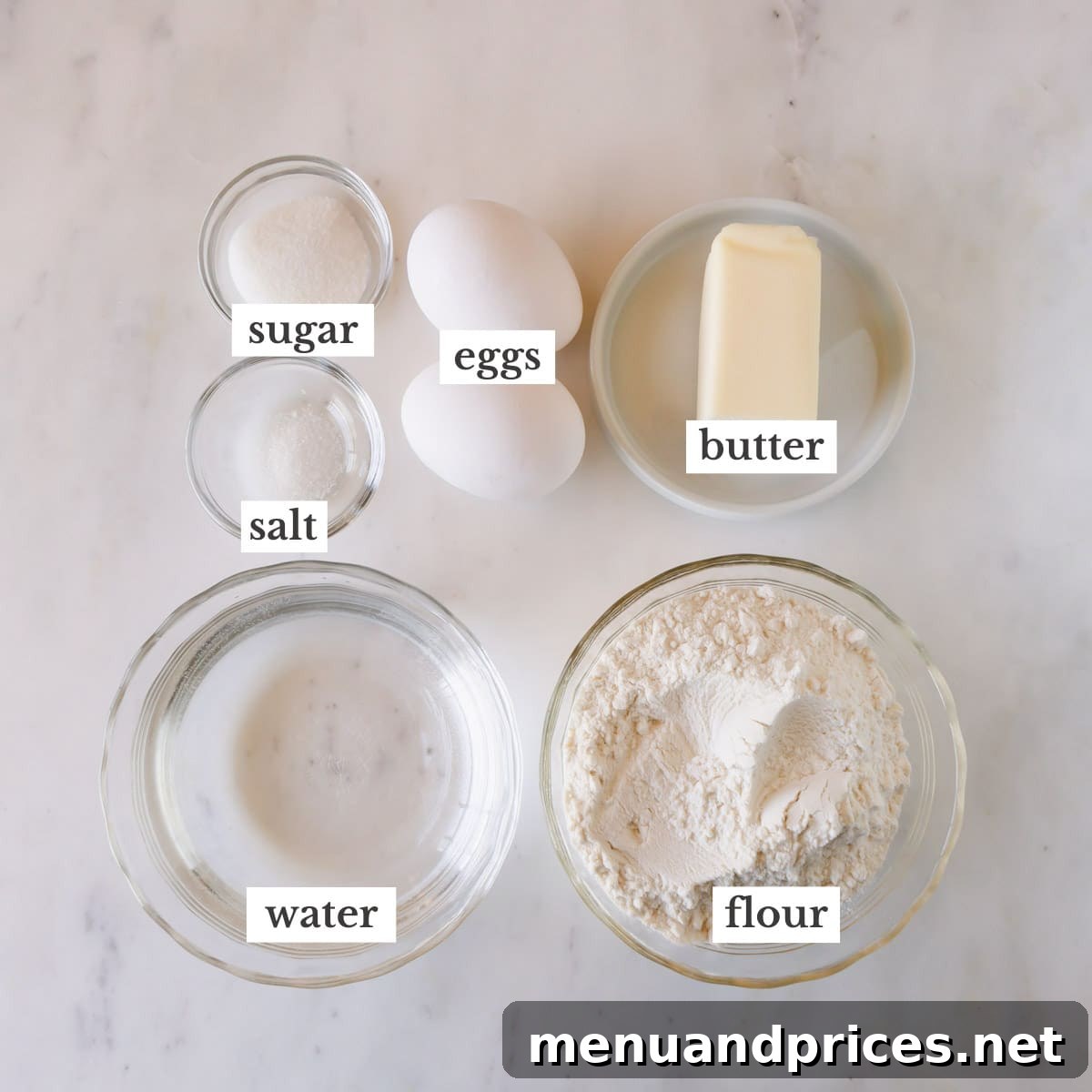
Creating perfect profiteroles starts with understanding the role of each ingredient. Here’s a detailed look at what you’ll need for the pastry shells, the creamy filling, and the luscious chocolate glaze:
For the Airy Choux Pastry Shells:
- Unsalted Butter: The foundation of flavor and richness for your choux pastry. Using unsalted butter allows you to control the overall saltiness of the dough, ensuring a balanced taste.
- Granulated Sugar: A small amount of sugar is added for a subtle sweetness and to aid in the beautiful golden-brown color of the pastry shells during baking.
- Salt: A crucial component to balance the sweetness and enhance the overall flavor profile of the pastry. Coarse kosher salt is recommended for its pure taste.
- All-Purpose Flour: This forms the structure of your choux pastry. All-purpose flour is ideal for its moderate protein content, which provides enough gluten development for structure without making the pastry tough. While bread flour can be used in a pinch, avoid gluten-free, whole wheat, or cake flours as they will not yield the desired light and airy texture.
- Large Eggs (at Room Temperature): Eggs are indispensable in choux pastry. They are responsible for the dough’s characteristic lift and expansion during baking, creating the hollow interior. Room temperature eggs emulsify better into the warm dough, resulting in a smoother, more consistent batter.
- Water: The primary liquid component. Water creates steam during baking, which is essential for the pastry to puff up dramatically and form that light, airy interior. Using water instead of a milk-water mixture has been found to promote better rise in the pastry shells due to its lower fat content.
For the Creamy Vanilla Ice Cream Filling:
- Vanilla Ice Cream: The star of the filling! For an exceptionally rich and creamy center that harmonizes perfectly with the delicate pastry, consider making your own homemade vanilla bean ice cream. However, a high-quality store-bought vanilla ice cream works wonderfully too and saves time. Feel free to experiment with other ice cream flavors or even classic whipped cream or pastry cream for variety.
For the Decadent Chocolate Glaze:
- Heavy Cream: This is the secret to a perfectly smooth and glossy chocolate ganache. The high fat content of heavy cream (at least 36% milk fat) is essential for achieving the correct emulsion and consistency. Do not substitute with milk or half-and-half, as their lower fat ratios will prevent the glaze from setting properly and result in a thinner, less luxurious coating.
- High-Quality Chocolate Chips (Semi-Sweet or Bittersweet): The quality of your chocolate directly impacts the richness and flavor of your glaze. Opt for a reputable brand like Ghirardelli for superior results. Semi-sweet or bittersweet chocolate chips are recommended to provide a deep, intense chocolate flavor that beautifully complements the sweet pastry and ice cream. Milk chocolate is generally too sweet and lacks the depth required for this recipe, so it’s best avoided. Chopping a good quality chocolate bar can also yield excellent results.
Step-by-Step Guide: How to Make Perfect Chocolate Profiteroles
Follow these detailed instructions to create stunning profiteroles that are sure to impress. Precision and attention to detail are key, especially for the choux pastry!
Part 1: Crafting the Perfect Choux Pastry Shells
- Prepare Your Workspace: Begin by preheating your oven to a precise 425°F (220°C). Line two large baking sheets with parchment paper or a high-quality silicone mat. This prevents sticking and ensures even baking.
- Begin the Dough Base: In a medium-sized, heavy-bottomed saucepan, combine the water, unsalted butter, granulated sugar, and salt. Place the saucepan over medium-high heat and bring the mixture to a rolling boil. Ensure all the butter is fully melted and integrated before proceeding.
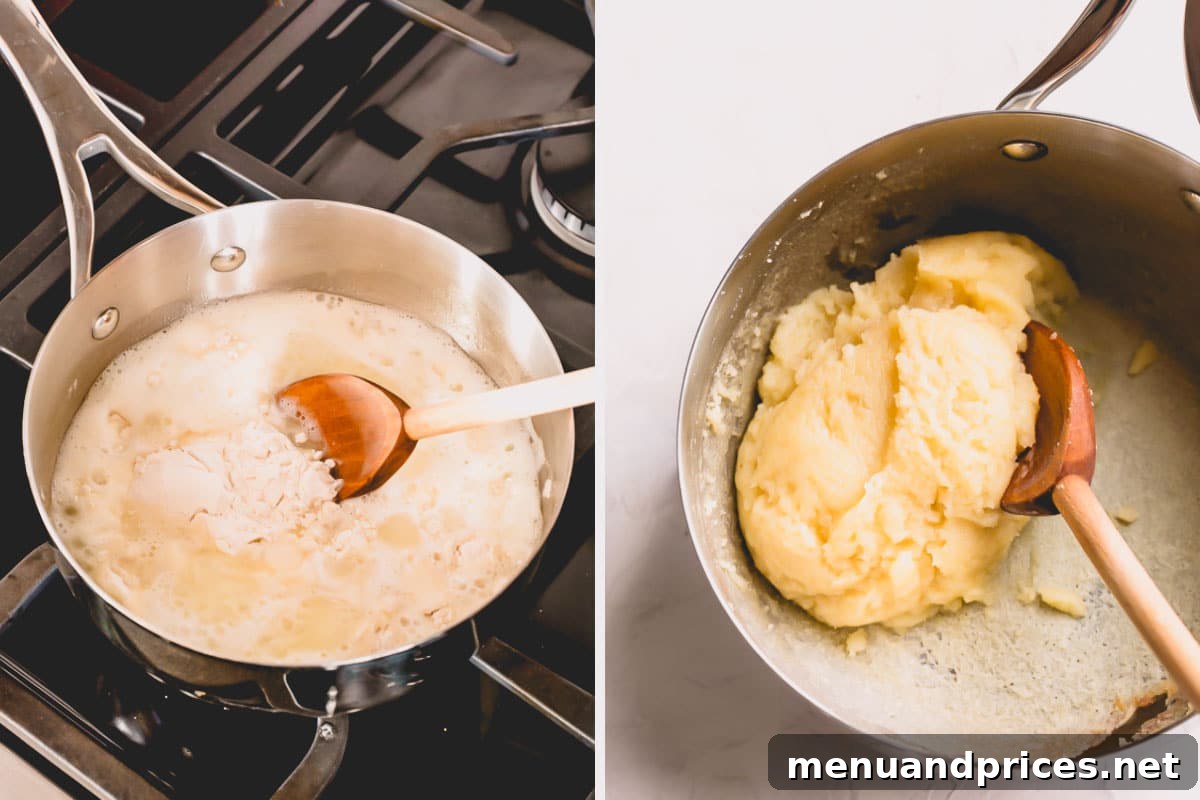
- Incorporate the Flour: As soon as the mixture reaches a vigorous boil, remove the saucepan from the heat. Immediately add all the all-purpose flour at once. Stir vigorously with a sturdy wooden spoon until the flour is completely incorporated and forms a cohesive ball of dough.
- Dry the Dough: Return the saucepan with the dough ball to the burner, maintaining medium heat. Continue cooking and stirring the dough for 3-4 minutes. This crucial step helps to evaporate excess moisture from the dough, making it less sticky and ensuring the pastry puffs up properly. You’ll know it’s ready when a thin, light crust forms on the bottom of the pan.
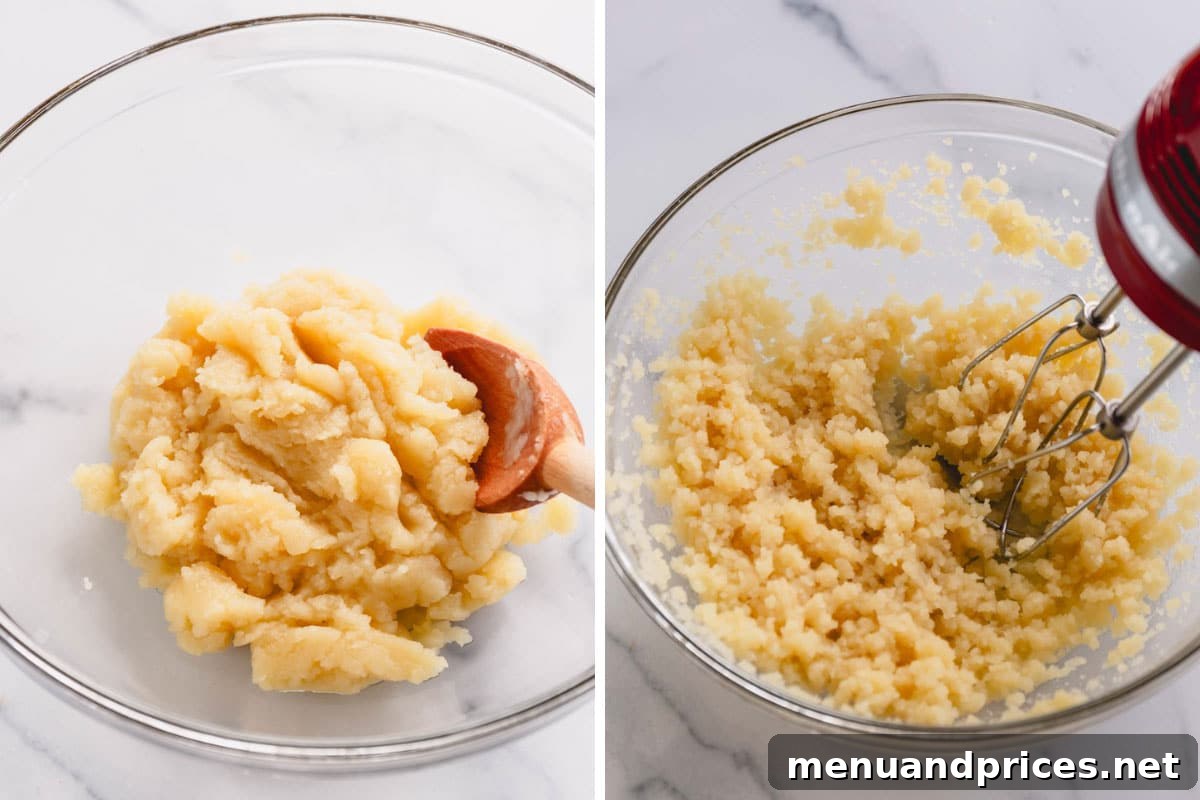
- Cool the Dough: Transfer the warm dough to a mixing bowl. If you have a stand mixer, fit it with a paddle attachment. Mix the dough on low speed for a few minutes until it cools to room temperature. This is essential to prevent the eggs from scrambling when added. Alternatively, you can use your wooden spoon for this step – no fancy equipment is strictly necessary!
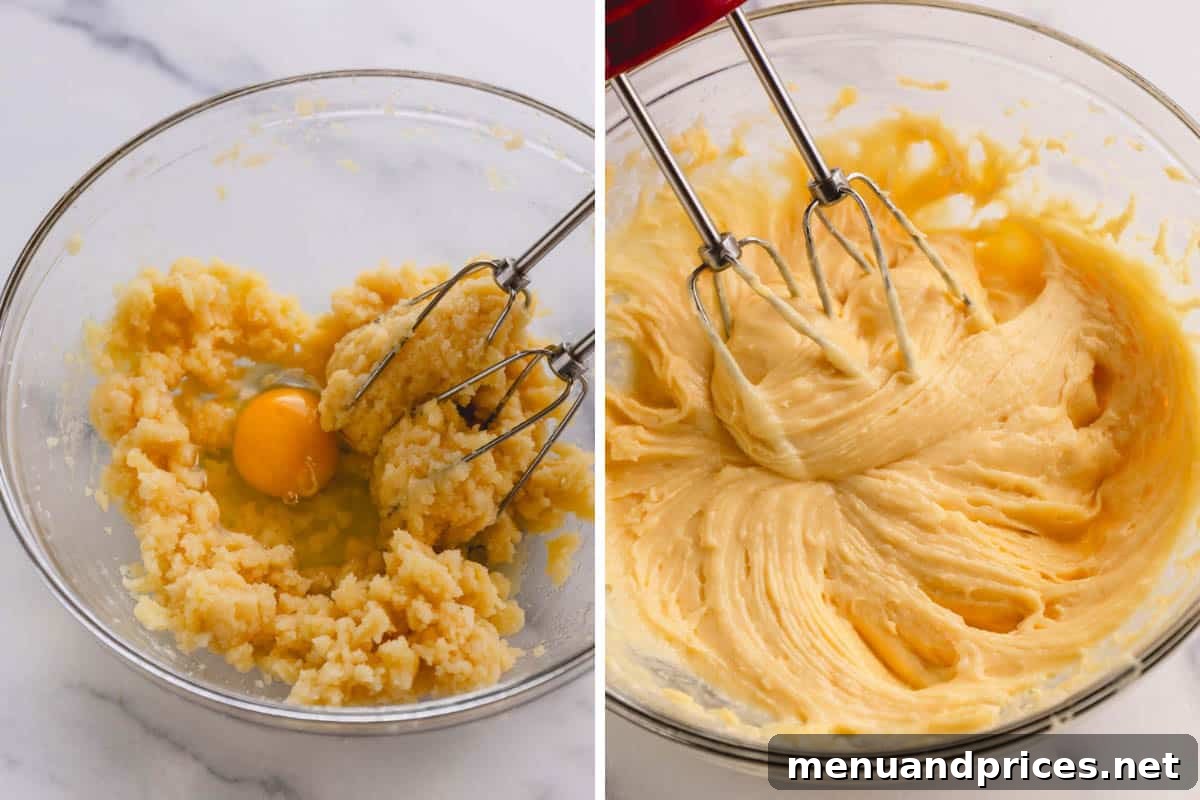
- Add the Eggs: With the mixer still on low speed (or continuing to stir by hand), add the large eggs one at a time, beating thoroughly after each addition. This allows each egg to be fully absorbed into the dough before the next is added, creating a smooth, glossy batter.
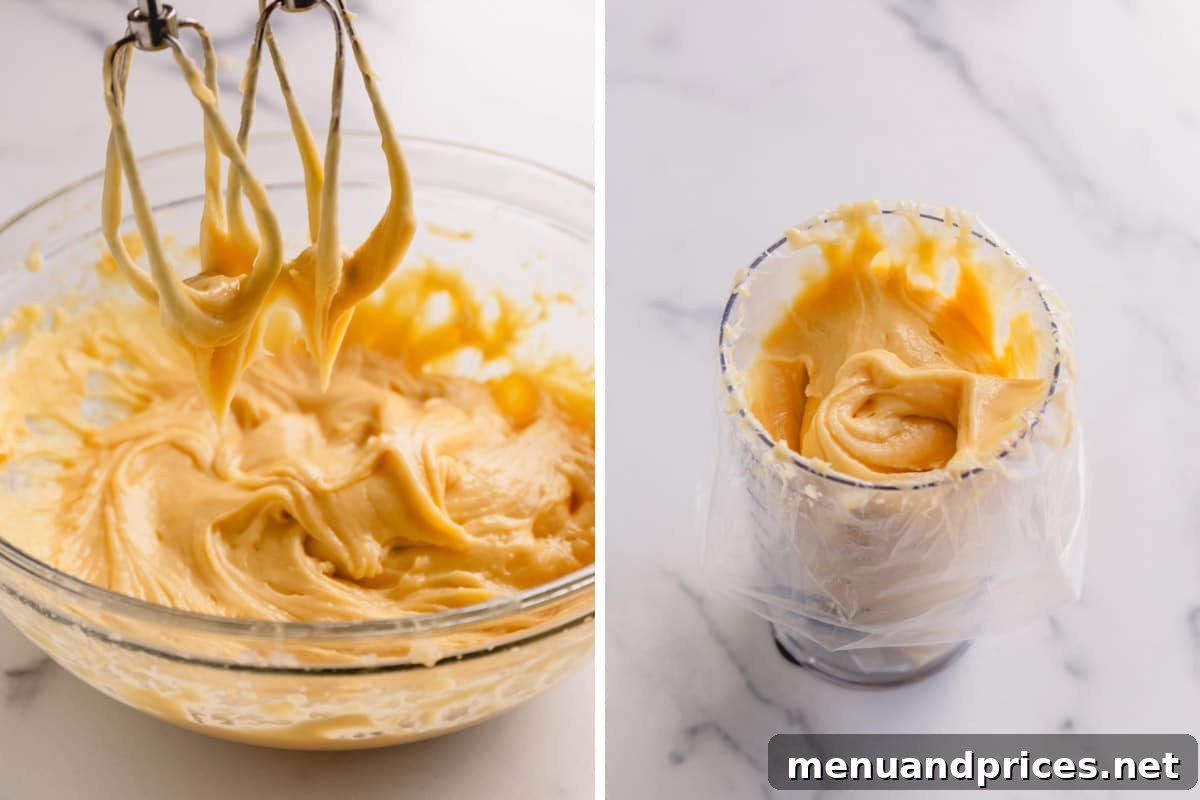
- Check Dough Consistency: The finished dough should have a thick, smooth, yet pipeable consistency. To test, lift the paddle attachment (or your wooden spoon); the dough should slowly fall into a thick ribbon, forming a ‘V’ shape at the very end before breaking. If it’s too stiff, add a tiny bit more egg; if too runny, it might be over-egged (though careful addition prevents this).
- Prepare for Piping: Transfer the choux pastry batter into a sturdy pastry bag fitted with a round tip (about ½ inch or 1.5 cm).
The Ideal Dough Consistency
Achieving the right dough consistency is paramount. It should be firm enough to hold its shape when piped but soft enough to flow smoothly. The “V” test mentioned above is your best indicator. Too runny, and the shells will spread and flatten; too thick, and they will be difficult to pipe and might result in dense pastries.
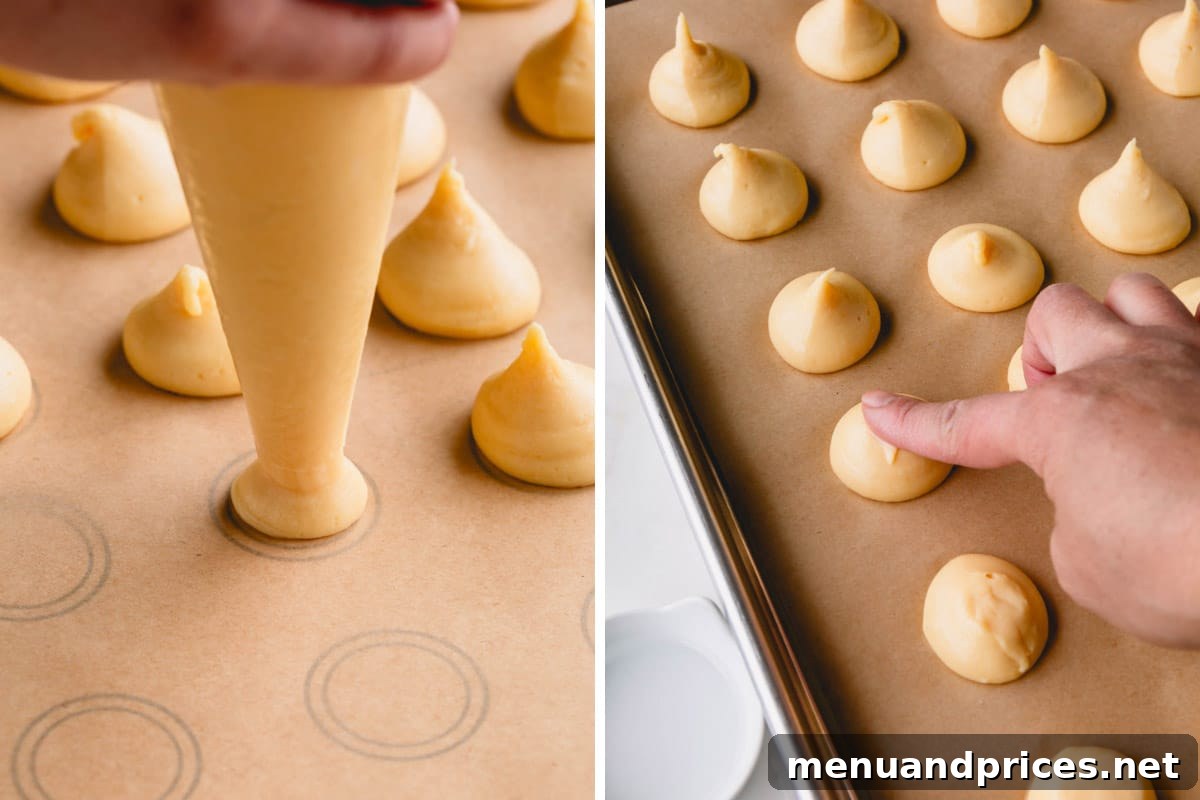
- Pipe the Shells: Pipe the dough into small, approximately 1.5-inch (4 cm) rounds on the prepared baking sheets, leaving about 2 inches (5 cm) between each to allow for expansion during baking.
- Smooth the Tops: Gently dip your fingertip in water and lightly tap down any peaked tops on the piped dough. This ensures a uniform, round shape and prevents burning.
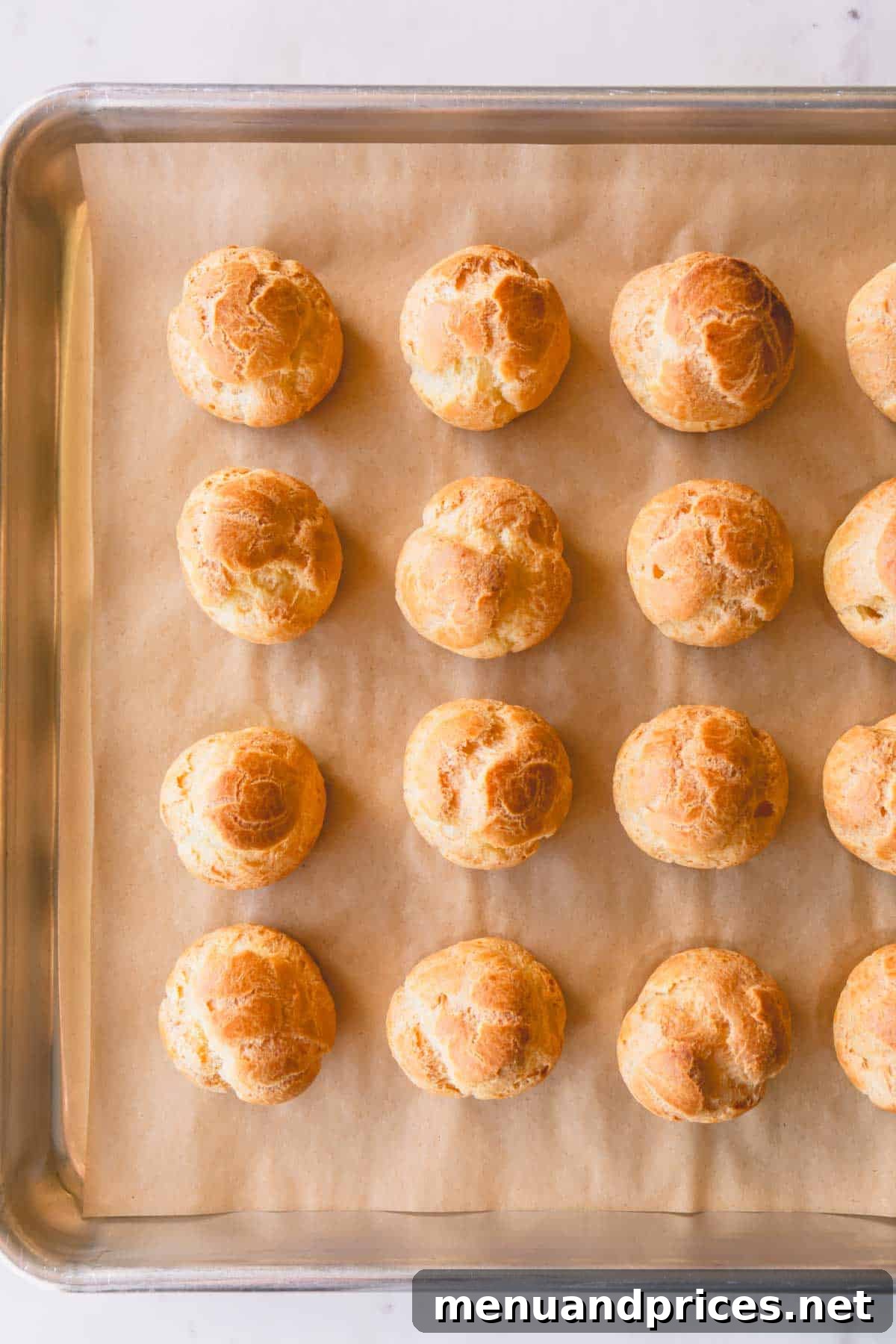
- Bake to Golden Perfection: Place the baking sheets in the preheated oven. Bake for 25-30 minutes. Halfway through the baking time (around 12-15 minutes), rotate the sheets from top to bottom and back to front for even baking. The pastry shells are done when they are beautifully golden-brown, wonderfully crispy, and significantly puffed up with a hollow interior.
- Cool Completely: Immediately transfer the baked shells onto a wire cooling rack to cool completely. Cooling on a rack ensures air circulation, which helps maintain their crispness and prevents them from becoming soggy.
Part 2: Filling Your Profiteroles with Creamy Delight
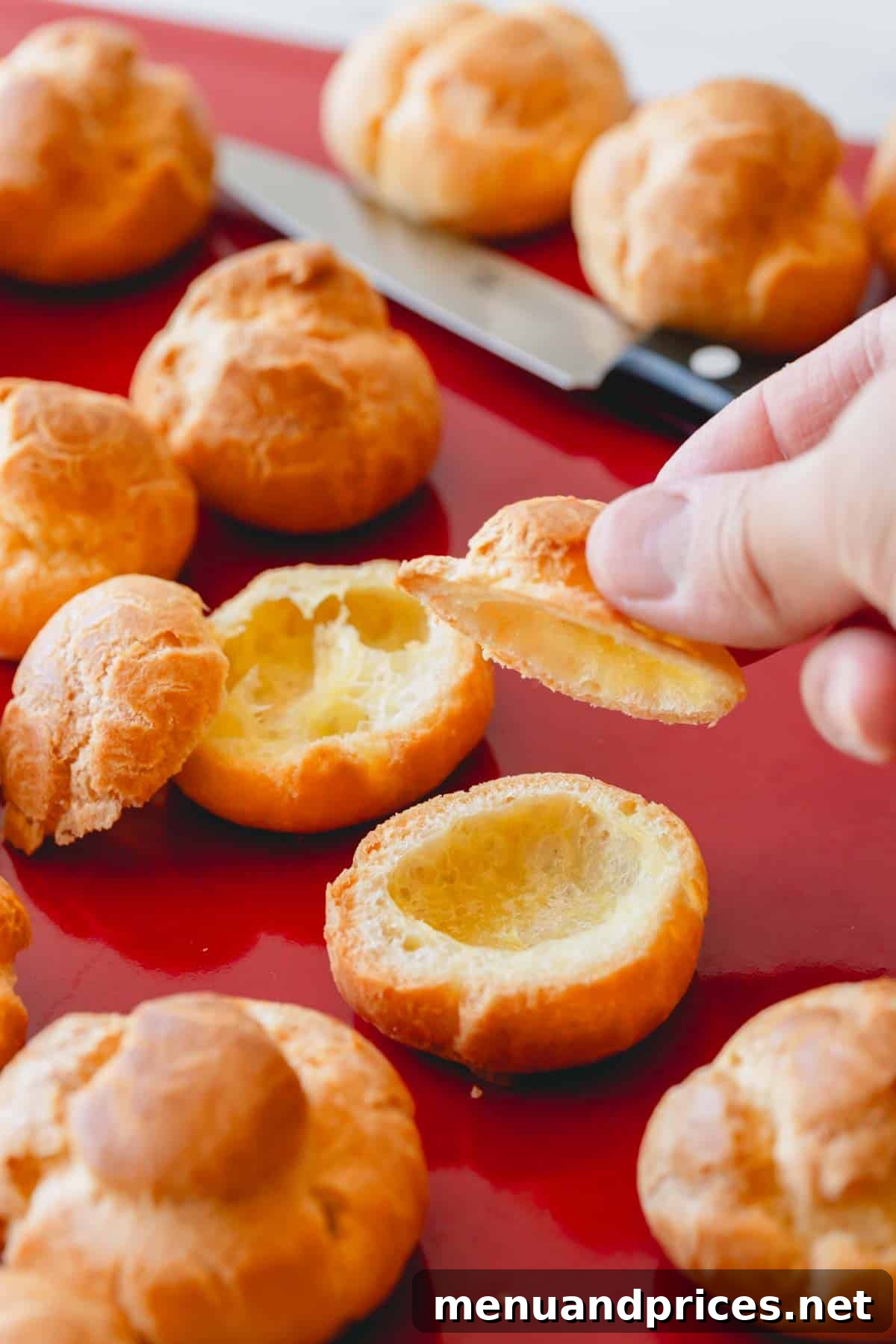
- Prepare for Filling: Once the pastry shells are completely cool, use a sharp pairing knife to carefully cut off the tops of each profiterole. This creates a neat opening for the filling.
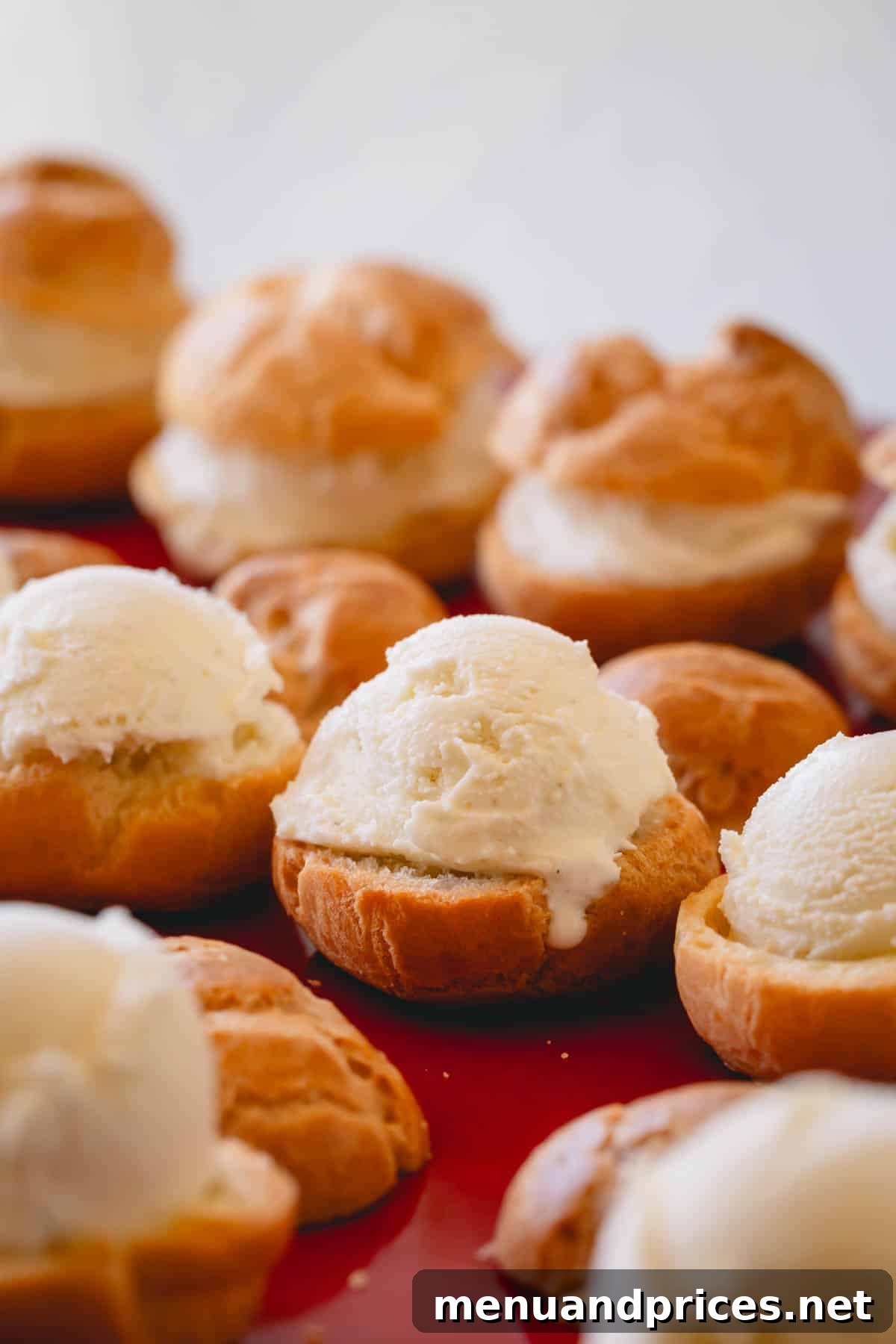
- Add the Ice Cream: Spoon a generous amount of vanilla ice cream into the center of each hollow pastry shell. Aim for about 1.5 tablespoons (approximately 17g) of ice cream per profiterole. Gently place the cut tops back onto the filled shells.
Pro Tip: Pre-freeze Ice Cream Balls
To make the filling process cleaner and prevent the ice cream from melting too quickly, spoon small, uniformly sized balls of ice cream onto a parchment-lined baking sheet and freeze them until solid. This allows for quick, mess-free assembly.
Part 3: Drizzling the Luxurious Chocolate Glaze
- Heat the Cream: In a microwave-safe bowl, heat the heavy cream for 30-60 seconds, or until it is hot and steaming but not boiling vigorously. Alternatively, you can heat it gently on the stovetop.
- Melt the Chocolate: Place the semi-sweet chocolate chips in a separate small bowl. Pour the hot cream directly over the chocolate chips. Let the mixture sit undisturbed for about one minute. This allows the residual heat from the cream to melt the chocolate gradually.
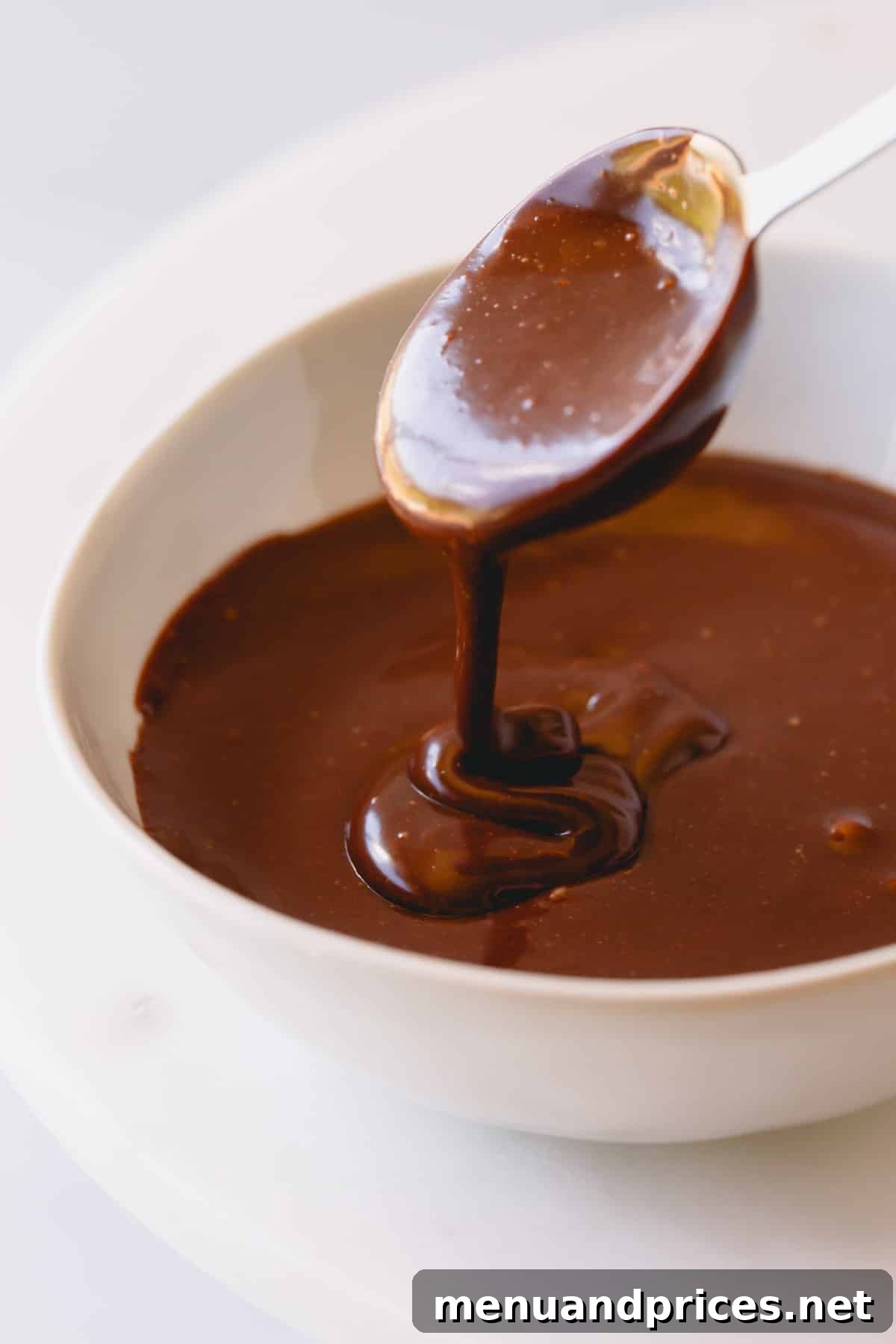
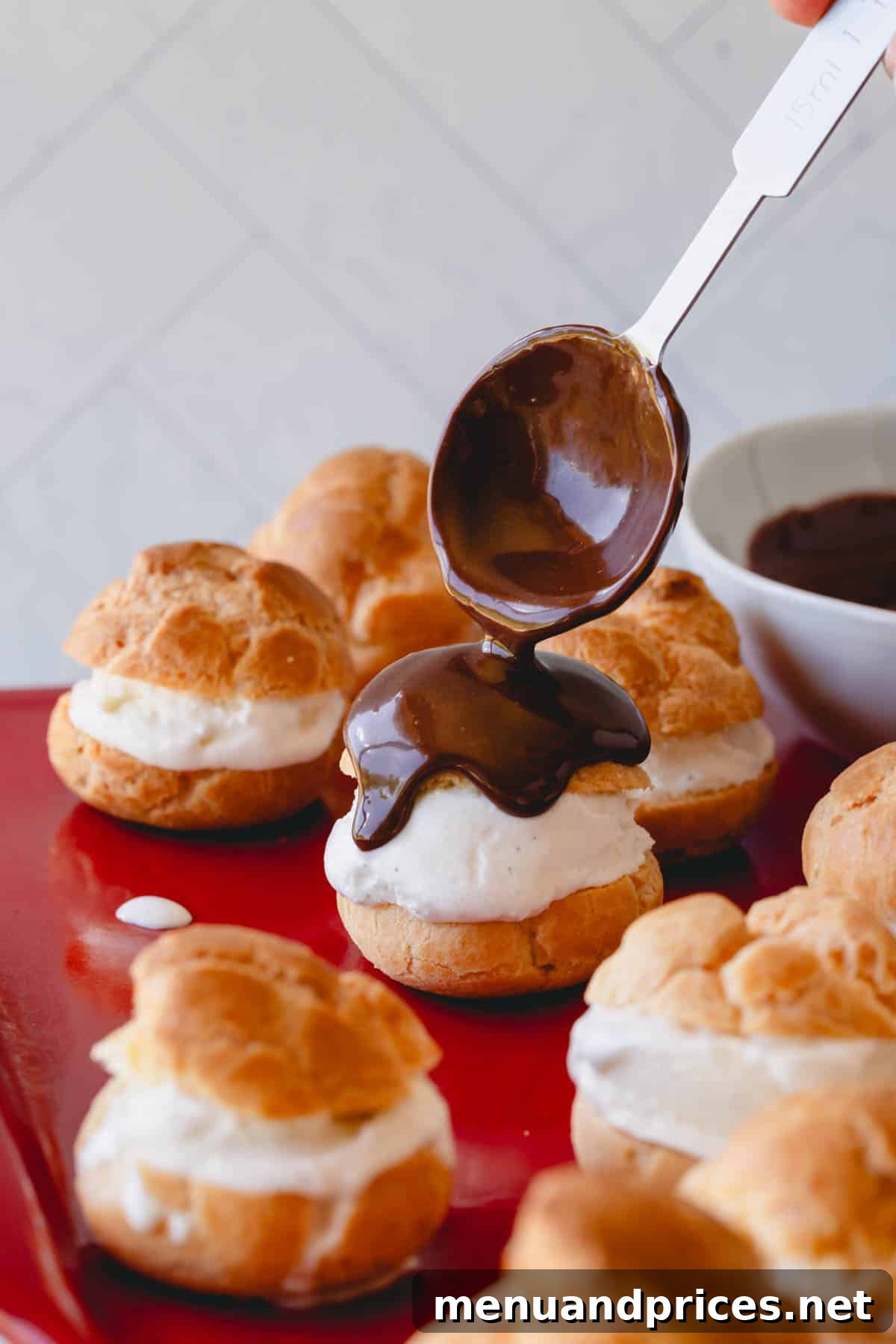
- Whisk to Ganache: After a minute, gently whisk the mixture until it becomes completely smooth, glossy, and uniform in consistency. This is your rich chocolate ganache.
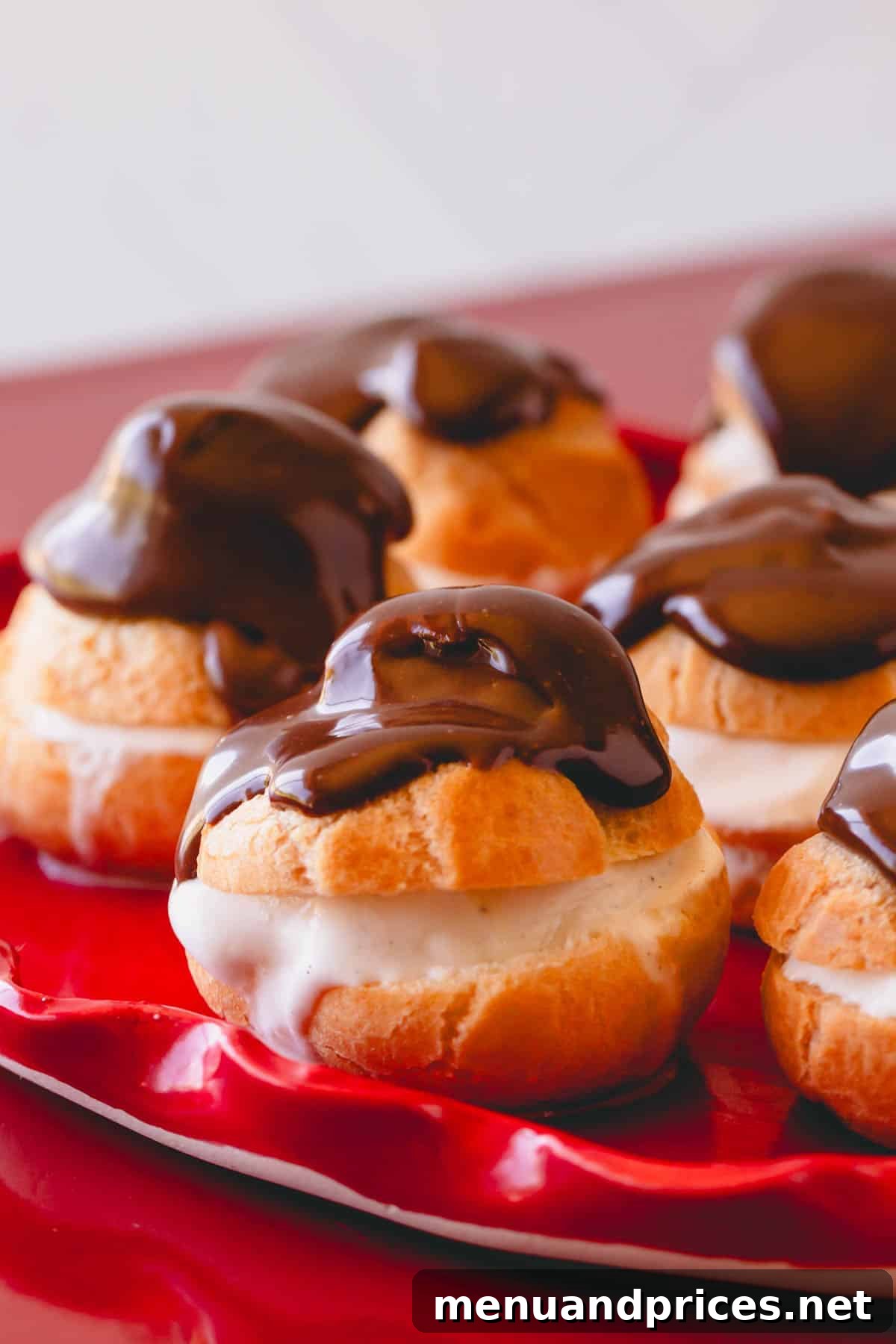
- Glaze and Serve: Immediately drizzle the warm chocolate ganache over the assembled profiteroles. The glaze will thicken and set slightly as it cools. Serve your magnificent chocolate profiteroles right away for the best experience, or prepare them for storage.
Expert Tips for Profiterole Perfection
Achieving bakery-quality profiteroles at home is entirely possible with a few key insights and techniques:
- No Mixer? No Problem!: While a stand mixer with a paddle attachment makes incorporating eggs into choux pastry a breeze, it’s absolutely not a requirement. A sturdy wooden spoon and a little elbow grease work just as effectively for mixing the dough.
- Mastering Dough Consistency: The texture of your choux pastry dough is critical. It should be thick enough to hold its shape when piped but still flow smoothly. If it’s too runny (too much egg), your shells will collapse. If it’s too thick, they won’t puff up sufficiently and will be dense. Aim for that perfect “V” shape when lifting the spoon.
- Reviving Deflated Shells: Don’t panic if your pastry shells deflate slightly after being removed from the oven! This is a common sign of underbaking. Simply pop them back into the oven for another 3-5 minutes, or until they regain their puffed-up structure and are firm to the touch. The goal is to dry them out sufficiently.
- The Water Advantage: This recipe specifically calls for water instead of a milk and water mixture for the choux pastry base. Why? Research and experience show that doughs made with less fat (i.e., just water) tend to rise better and produce a lighter, crisper shell.
- Keep That Cream Cold: For the chocolate ganache, ensure your heavy cream is cold when you start heating it. While you’ll heat it for the ganache, if you ever opt for a whipped cream filling, starting with cold cream ensures it whips up faster and to a much fuller, more stable volume.
- Work Quickly with the Glaze: Chocolate ganache, especially when made with heavy cream, will thicken and harden as it cools. For the best presentation and ease of application, drizzle your profiteroles with the chocolate glaze immediately after making it.
- Avoid Opening the Oven Door: Resist the temptation to open the oven door during the initial baking phase (the first 15-20 minutes). The sudden drop in temperature can cause the choux pastry to deflate before it has properly set, leading to flat shells.
- Consistent Piping Size: Try to pipe your profiteroles to a consistent size. This ensures they bake evenly and look uniform on the serving platter.
Planning Ahead: Make-Ahead & Storage Solutions
One of the many appealing aspects of profiteroles is their adaptability for advance preparation. This allows you to enjoy freshly assembled desserts without last-minute rush.
- Homemade Vanilla Ice Cream: If you’re venturing into making your own vanilla ice cream from scratch, it’s highly recommended to prepare it well in advance. Homemade ice cream can be made up to a month ahead of time and stored securely in the freezer. Just remember to let it soften slightly at room temperature for a few minutes before scooping, making it easier to fill your profiteroles.
- Uncooked Choux Pastry Dough: The raw choux pastry dough itself can be prepared up to 2 days in advance. After making the dough, transfer it into a pastry bag, securely seal both ends to prevent drying, and refrigerate until you’re ready to pipe and bake the shells.
- Baked Profiterole Shells (Unfilled): Baked choux pastry shells, without any filling, are excellent candidates for advance prep. Store them in an airtight container at room temperature for up to 1 day to maintain their crispness. For longer storage, freeze the shells in an airtight container or freezer bag for up to 3 months. Thaw them at room temperature or refresh them in a warm oven for a few minutes before filling.
- Chocolate Glaze: Since the chocolate ganache comes together in just a couple of minutes, it’s best made fresh right before you plan to drizzle and serve your profiteroles. This ensures the perfect warm, fluid consistency.
Storing Assembled Profiteroles:
Once filled with ice cream and glazed, profiteroles are best stored in the freezer to maintain the integrity of the ice cream and preserve the crispness of the pastry. Place the assembled and glazed profiteroles in an airtight container in the freezer. They can be stored this way for up to 1 month. For serving, simply remove them from the freezer a few minutes before enjoying to allow the ice cream to soften slightly to a perfect consistency.
Frequently Asked Questions About Profiteroles
The distinction between cream puffs and profiteroles is often a point of friendly debate among dessert enthusiasts, and for good reason—they are incredibly similar! Technically, a cream puff (or chou à la crème) is traditionally filled exclusively with pastry cream (crème pâtissière). Profiteroles, on the other hand, offer more versatility and can contain a wider range of sweet or savory fillings, including ice cream, whipped cream, custards, or even savory mousses. However, in modern culinary parlance, the terms are often used interchangeably. Many consider a cream puff to be a cream puff, regardless of whether it’s filled with traditional pastry cream, ice cream, or a light and fluffy whipped topping like those found in lemon creme puffs. The key element remains the delicate choux pastry shell.
While profiteroles and eclairs share the same fundamental choux pastry base, they are distinct pastries. The primary differences lie in their shape, filling, and traditional presentation. Eclairs are characteristically long, finger-shaped pastries, almost always filled with rich pastry cream and typically topped with a smooth, often chocolate, fondant icing or ganache. Profiteroles, in contrast, are small, round, ball-shaped pastries. As discussed, they boast a broader range of filling options and can be topped with ganache, powdered sugar, or even caramel sauce. Their size and shape make profiteroles perfect for bite-sized indulgence, while eclairs offer a more elongated, elegant experience.
Profiteroles are generally best enjoyed at room temperature, allowing the pastry shells to retain their crispness while the filling reaches an optimal consistency. It’s crucial for the pastry shells to cool completely before you add any filling, as warmth would quickly melt ice cream or soften whipped cream. When using ice cream as a filling, the goal is to keep the ice cream cold and firm within the room-temperature shell. This creates a delightful contrast in temperature and texture. Serving profiteroles straight from the freezer allows the ice cream to be very firm, slowly softening as you eat, which many find enjoyable, especially on a warm day.
Explore More Delightful Desserts:
If you loved making these profiteroles, you might enjoy exploring other exquisite dessert recipes from our collection:
- Decadent Chocolate Macarons with Sea Salt
- Irresistible Banana Cream Pie Eclairs
- Classic Homemade Jelly Donuts (Berliners)
- Elegant Tiramisu Eclairs

Chocolate Profiteroles
Comment
Print Recipe
Ingredients
For Pastry:
- 2/3 cup (160 ml) water
- 4 tablespoons (55 g) unsalted butter
- 1 tablespoon granulated sugar
- ¼ teaspoon coarse kosher salt
- 2/3 cup (80 g) all-purpose flour
- 2 large eggs at room temperature
For Chocolate Filling:
- 4 cups (500 g) vanilla ice cream Note 1
For Chocolate Glaze:
- ¼ cup (60 ml) heavy whipping cream
- 1/3 cup (65 g) semisweet chocolate chips
Instructions
To make pastry shells:
-
Preheat oven to 425°F (220°C). Line 2 baking sheets with parchment paper, or silicone mat.
-
In a medium saucepan with heavy bottom, combine water, butter, sugar and salt and bring the mixture to a boil over medium high heat.
-
Once the butter is fully melted and the mixture is boiling, remove from heat and add the flour all at once. Then put it back on the burner on medium heat.
-
Using a wooden spoon, continuously stir the mixture. The dough will start to form into a ball. Keep mixing for another 3-4 minutes until light crust forms on the bottom of the pan.
-
Transfer the dough into a medium bowl. Using an electric hand mixer, mix the dough for a few minutes on low speed until the mixture cools to room temperature. (Alternatively, you can use a wooden spoon. Mixer is not required here!)
-
Add the eggs one at a time, beating well after each addition. This will help to get egg absorbed into the dough quicker.
-
Transfer the batter into a pastry bag and pipe into 1.5-inch rounds couple inches apart on the prepared baking sheets. Level peaked tops with wet fingertip.
-
Bake for 25-30 minutes, rotating the sheets top to bottom and back to front half way. The pastry shells should be golden brown, crispy and puffed up. Transfer the shells onto a cooling rack to cool completely. (TIP: If the pastry shells fall flat when you remove from oven, it means they are under-baked. Simply put it back into the oven and bake for another 3-5 minutes, or until they puff up again.)
To fill the pastry shells:
-
Cut off the tops of the profiteroles using a sharp pairing knife.
-
Spoon vanilla ice cream into the center and place the tops back on. (Estimate about 1.5 tablespoons (17g) ball of ice cream per profiterole.)
To make the chocolate glaze:
-
Microwave the cream for 30-60 seconds, or until hot.
-
Place the chocolate chips in a small bowl and pour the hot cream over it. Let is sit for a minute.
-
Then whisk the mixture until smooth.
-
Drizzle the chocolate ganache (glaze) over the profiteroles. Serve right away or freeze.
⭐️ Did you make this recipe?
Please leave a review and let us know how you liked it!
Tips & Notes
Make Ahead Instructions:
You can make the pastry shells in advance. Store at room temperature for up to 1 day or freeze for up to 3 months in an airtight container.
Storing Tips:
Assembled and glazed profiteroles with ice cream can be frozen for up to 1 month.
Nutrition

This recipe was originally published on August 13, 2015, and has been updated for clarity, detail, and enhanced user experience.