
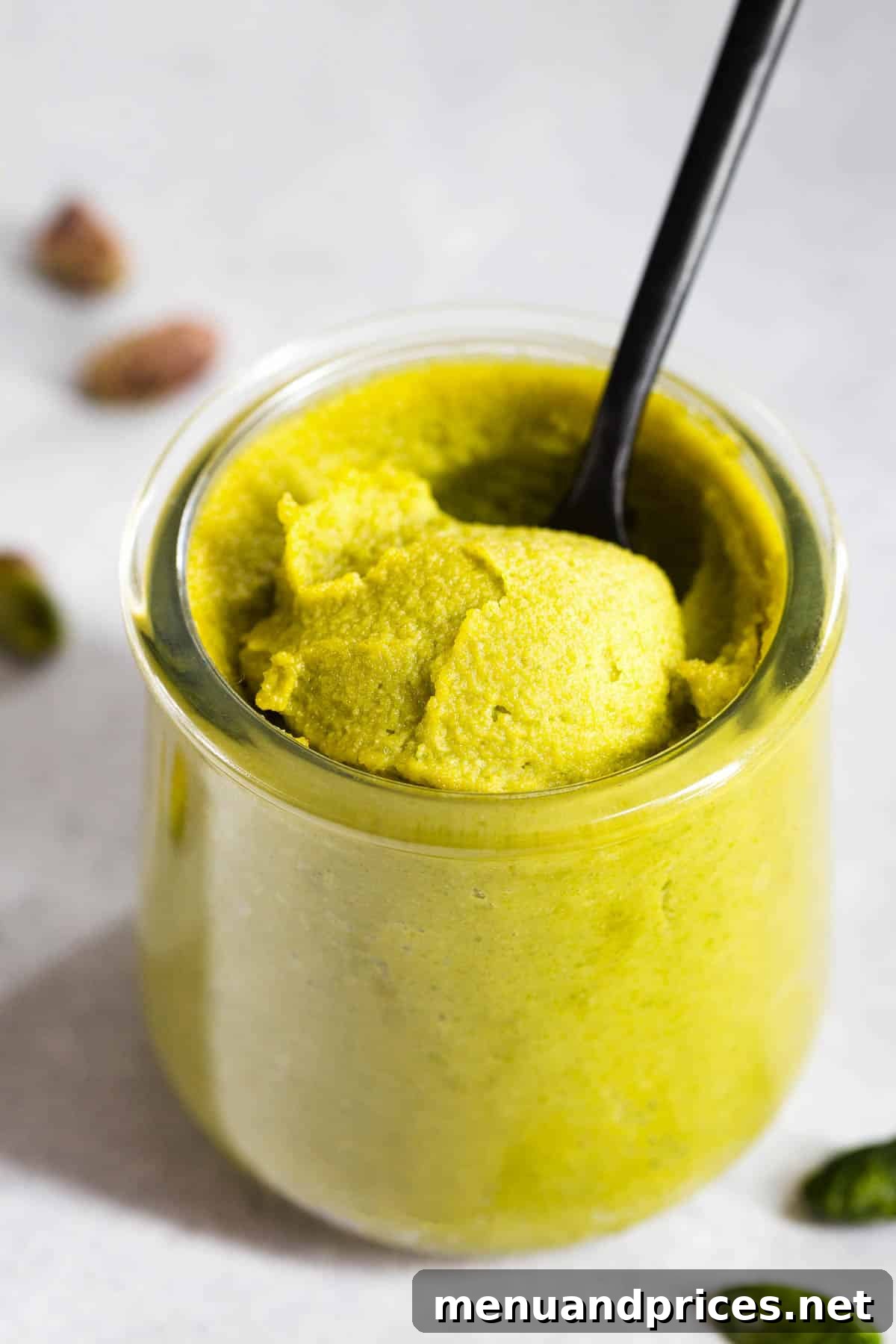
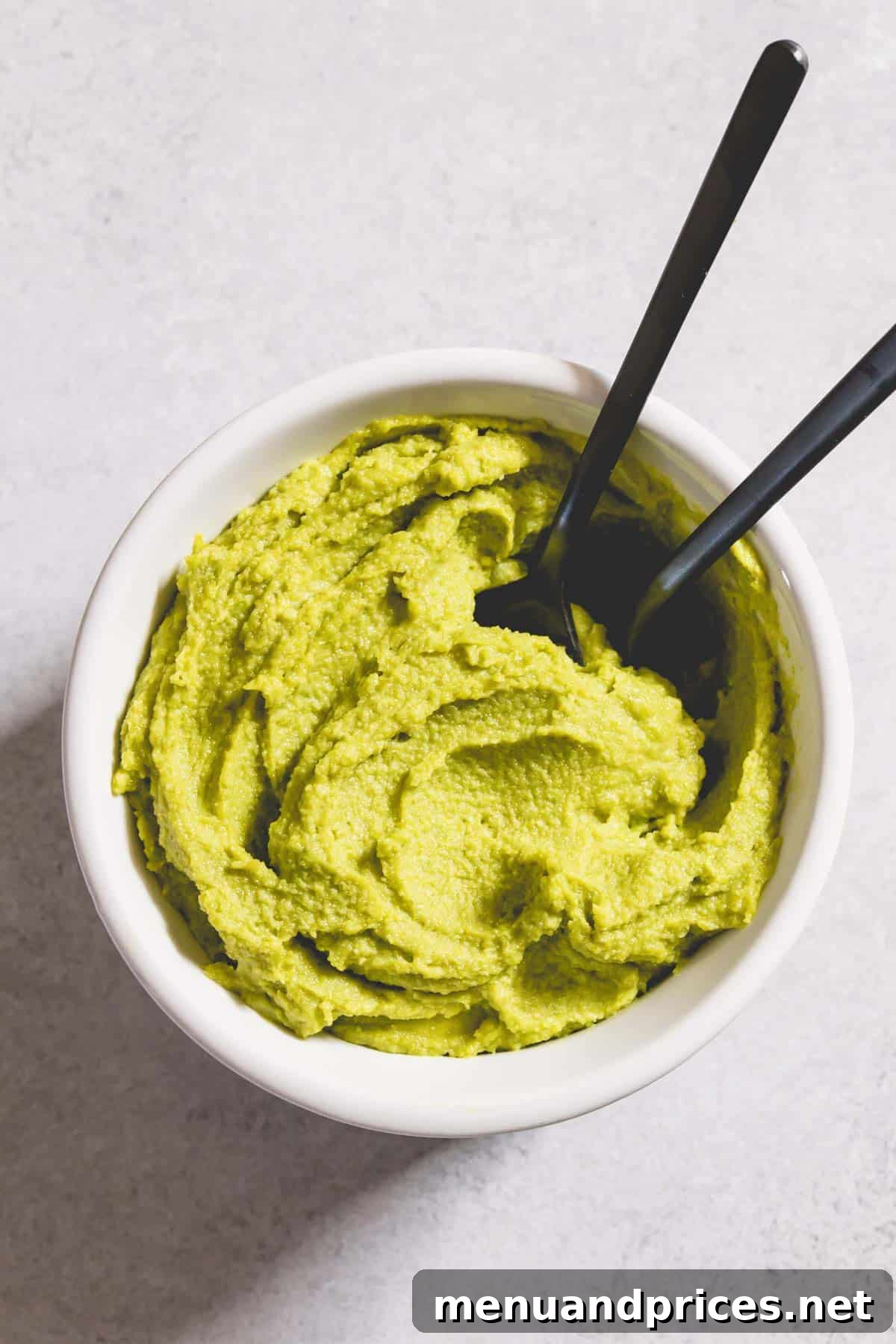
Unlock the secret to crafting exquisite homemade pistachio paste. This guide shares proven tips to achieve a velvety smooth texture and that coveted, naturally vibrant green color, making it an indispensable ingredient for countless culinary creations. Forget store-bought versions; making your own pistachio paste is surprisingly easy, incredibly rewarding, and yields a product far superior in taste and appearance.
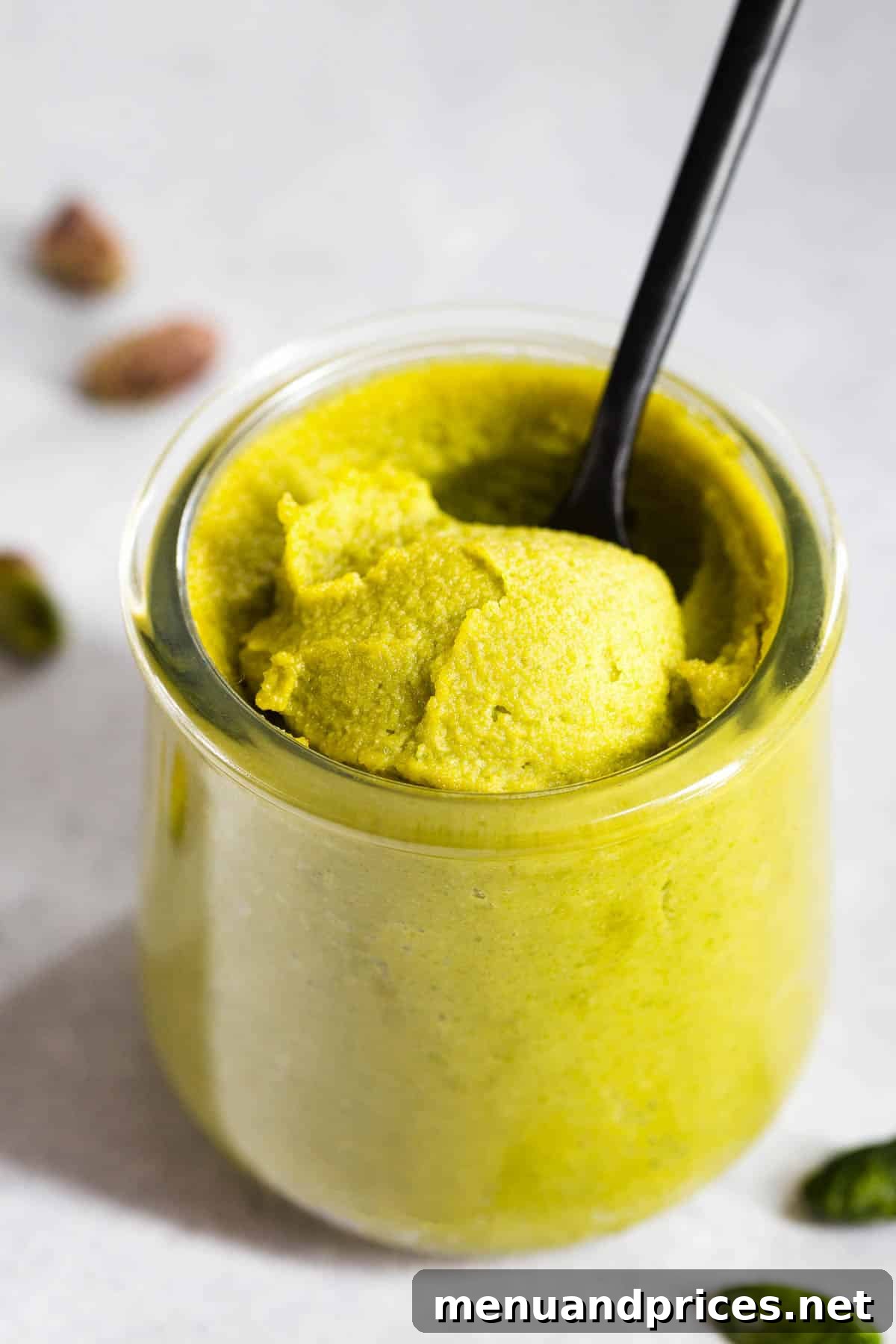
Unlike many nut butters or spreads that require multiple ingredients, creating this gorgeously rich pistachio paste needs just one star ingredient: high-quality pistachios! Imagine a spread so intensely pistachio-y, so naturally bright green, that it needs no artificial food coloring whatsoever. It’s a true culinary marvel, and with our straightforward method, you’ll achieve this stunning result every single time.
Over the years, I’ve experimented with various methods and types of pistachios, resulting in shades ranging from an unappealing dark brown to the brilliant green you see here. While the inherent variety of pistachios plays a role, the techniques shared in this article are your best chance at achieving a beautiful, naturally green pistachio paste that will elevate all your desserts and snacks.
Choosing the Right Pistachios for Your Paste
The foundation of a truly exceptional and vibrantly green pistachio paste begins with selecting the correct type of pistachios. This is perhaps the most critical step in ensuring your final product is not only delicious but also visually stunning.
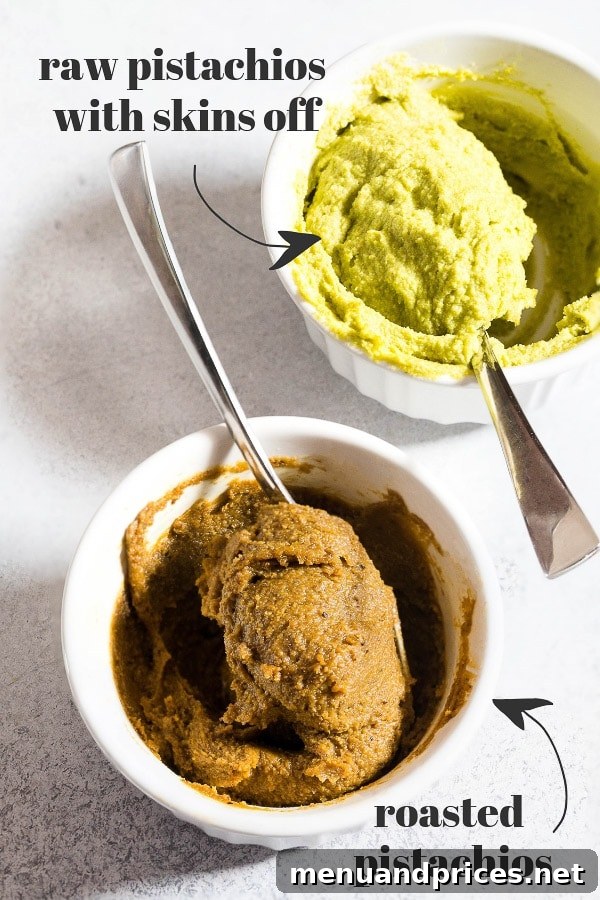
For that bright, eye-catching green color, your choice of pistachios is paramount. Avoid using roasted, salted pistachios with their skins on. While these are fantastic for snacking, they will yield a paste that is disappointingly brown and lacks the delicate flavor profile we’re aiming for. The roasting process deepens their color, and the salt content isn’t suitable for most sweet applications where pistachio paste shines.
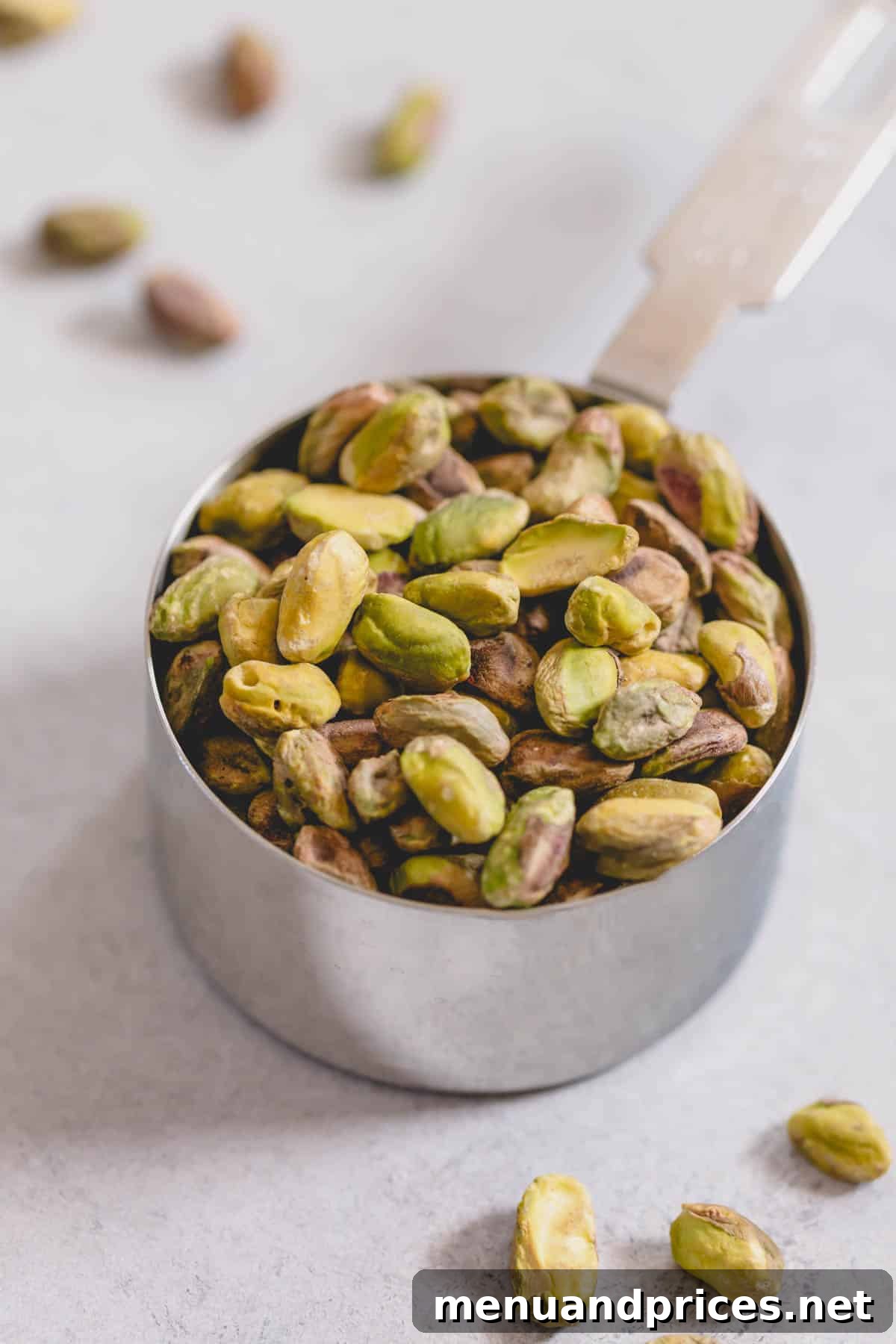
The golden rule is to use raw pistachios. This means they should be both unsalted and unroasted. The natural, unprocessed state of the nut is key to preserving its subtle green hue and sweet, earthy flavor. Furthermore, the origin of your pistachios can significantly impact the final color and taste. Some regions are known for producing pistachios with a naturally more vivid green.
- Raw Shelled Pistachios: These are widely available and a great starting point. While quality can vary, many brands of California-shelled pistachios work well. However, to achieve the brightest green, you will almost always need to blanch and meticulously peel off their thin, brownish skins. This step, while a bit time-consuming, is crucial for removing any impurities that could dull the vibrant green color.
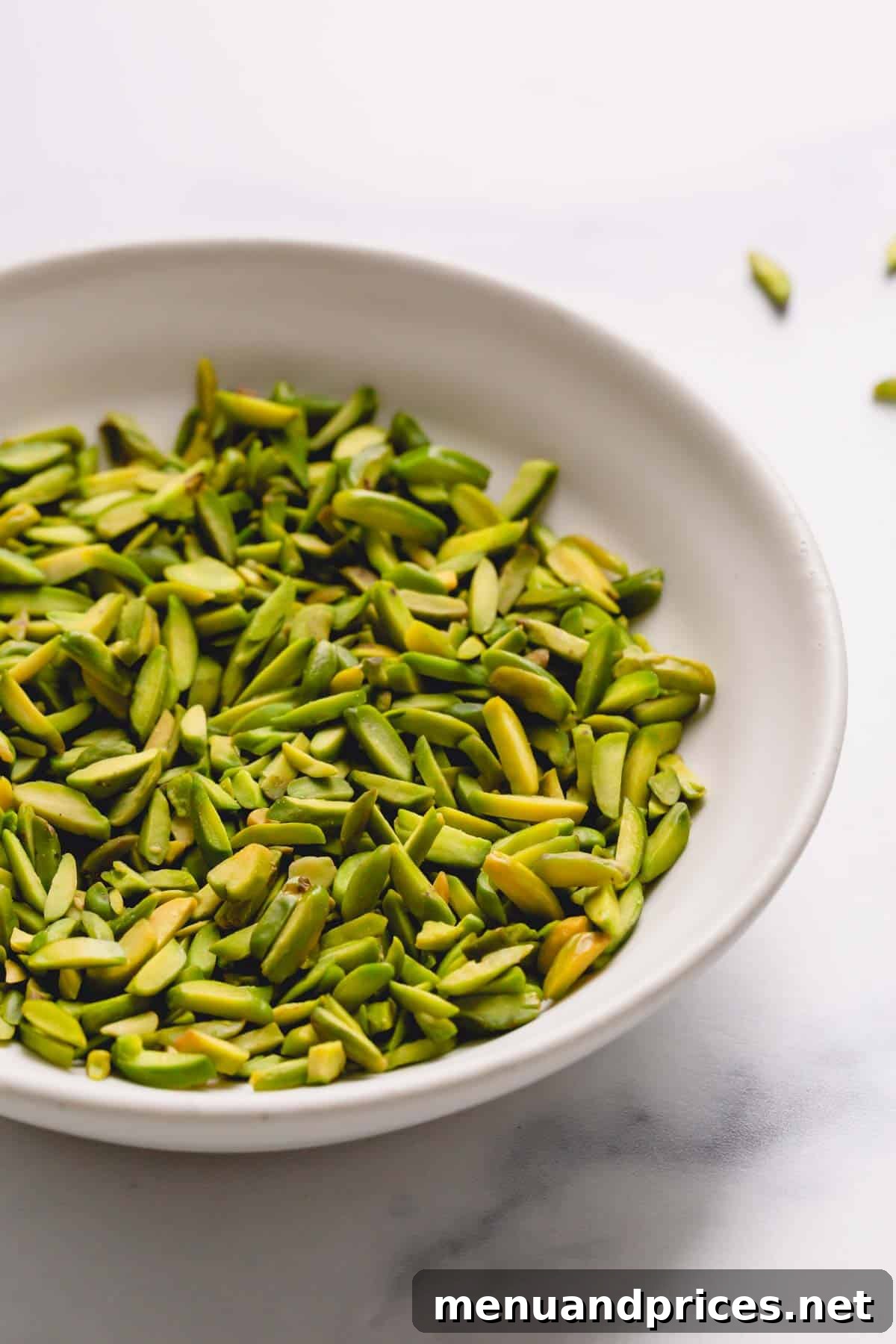
- Slivered Pistachios: For those who wish to bypass the blanching and peeling stage – a process that can indeed be quite tedious – slivered pistachios offer a convenient alternative. These are typically already blanched and peeled, saving you considerable effort. Although they might come at a slightly higher price point, the time and labor saved can be well worth the investment, especially if you plan to make pistachio paste frequently.
- Sicilian or Iranian Pistachios: If you’re truly seeking the pinnacle of vibrant green and intense flavor, consider sourcing pistachios from specific regions renowned for their superior quality, such as Bronte pistachios from Sicily or certain varieties from Iran. These are often naturally greener and possess a richer flavor profile, though they are usually more expensive and harder to find.
The Secret to a Naturally Vibrant Green Pistachio Paste
As mentioned, the variety and origin of pistachios can certainly influence their natural color. For instance, California pistachios, which are the most common in the U.S., often yield a darker, less intense green paste if not properly prepared. However, don’t despair if you can’t get your hands on premium Sicilian pistachios!
There are definitive steps you can take to prevent a dull, brownish paste and significantly enhance the natural green brilliance of even more common pistachio varieties. These two crucial steps are the ultimate secret:
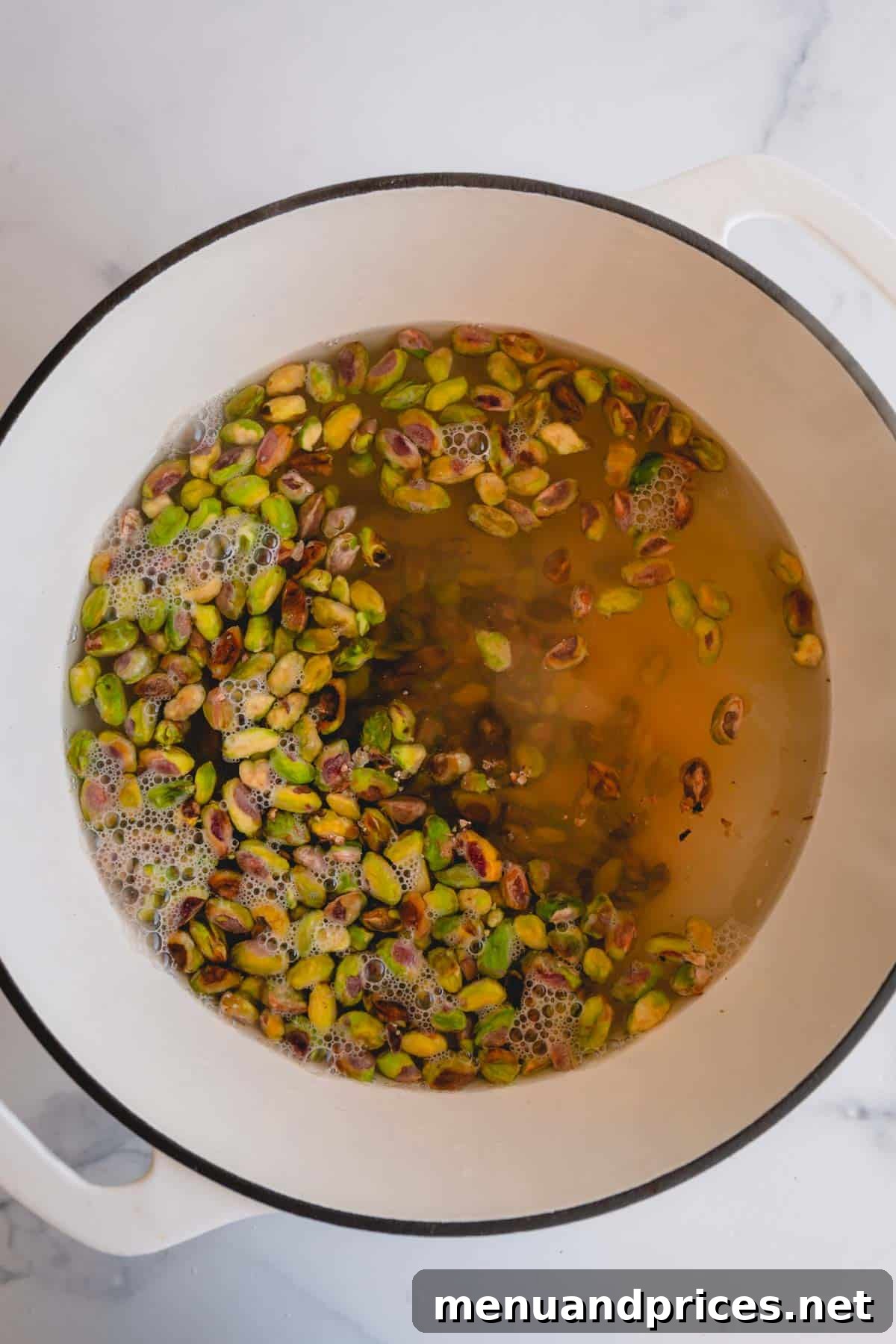
- Blanch the Pistachios: A quick blanch in boiling water instantly brightens the green color of the pistachio kernel. This process helps to loosen the outer skin and also invigorates the green pigment within the nut.
- Peel off the Brown Skin: This is arguably the most impactful step. The thin, purplish-brown skin (or pericarp) that covers the pistachio kernel, even on raw, shelled nuts, contains tannins and darker pigments. Removing this skin eliminates those darker elements, allowing the brilliant natural green of the pistachio to truly shine through. Any impurities or lingering bits of skin will detract from the desired vibrant hue.
How to Properly Blanch and Peel Pistachios for Bright Green Paste
This process, while requiring a bit of patience, is truly what sets a mediocre pistachio paste apart from an extraordinary one. Follow these detailed steps to ensure your pistachios are perfectly prepped for maximum greenness.
1. Blanch the Pistachios
- Begin by bringing a small pot of water to a vigorous rolling boil. Ensure there’s enough water to fully submerge all your pistachios.
- Once the water is boiling, add the raw shelled pistachios directly into the pot. Immediately remove the pot from the heat source. Do not continue to boil the pistachios, as this can affect their flavor and texture.
- Soak the pistachios for precisely 30 seconds. This short soak is enough to loosen the skins without cooking the nuts. Any longer, and they might start to lose their raw integrity.
- Promptly transfer the pistachios from the hot water into a bowl filled with ice water. This “shocking” process immediately halts the cooking, preserves the bright green color, and makes the skins even easier to remove.
- Once cooled, drain the pistachios thoroughly and transfer them to a clean, absorbent kitchen towel.
2. Rub Off the Brown Skin
Now comes the satisfying part where you reveal the vibrant green kernels beneath!
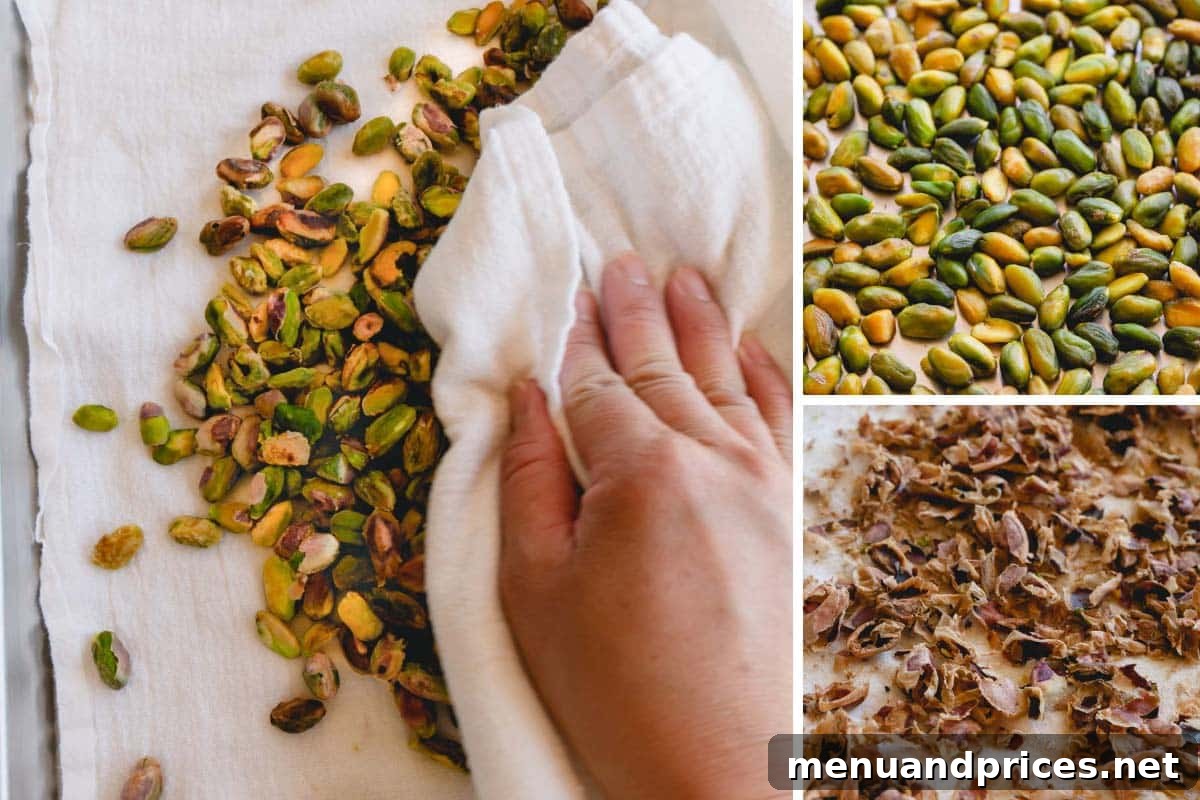
- Gather the corners of the kitchen towel and gently rub the blanched pistachios together within the cloth. The friction and the softened skins will cause most of the brown peels to easily rub off.
- You’ll find that some stubborn skins might require a little extra attention. For these, you may need to individually pinch and peel them off with your fingers. It can be a meticulous process, but the dedication truly pays off in the final color of your paste.
- As you peel, make sure to separate the beautifully peeled green pistachios from the discarded brown skins. Ensure no bits of brown skin remain with your green pistachios, as even small flecks can dull the color of your paste.
- Once all the skins are removed, spread the peeled pistachios on a clean, dry surface or another clean towel and allow them to air dry for about 30 minutes, or pat them very gently to remove excess moisture. This ensures that no water interferes with the oil release during processing.
Creating the Perfect Homemade Pistachio Paste
With your pistachios perfectly prepped, the final step is transforming them into that luxurious, smooth paste. This is where your food processor truly shines!
- Add all the prepared (blanched and peeled) pistachios into the bowl of a high-quality food processor. Ensure the blades are securely in place.
- Begin processing on high speed. Initially, the pistachios will go through several distinct stages:
- Whole nuts: Just as you poured them in.
- Crumbs: They will break down into coarse crumbs.
- Powder (or pistachio flour): The crumbs will become finer, resembling a flour-like consistency. At this point, you might think nothing else will happen, but be patient!
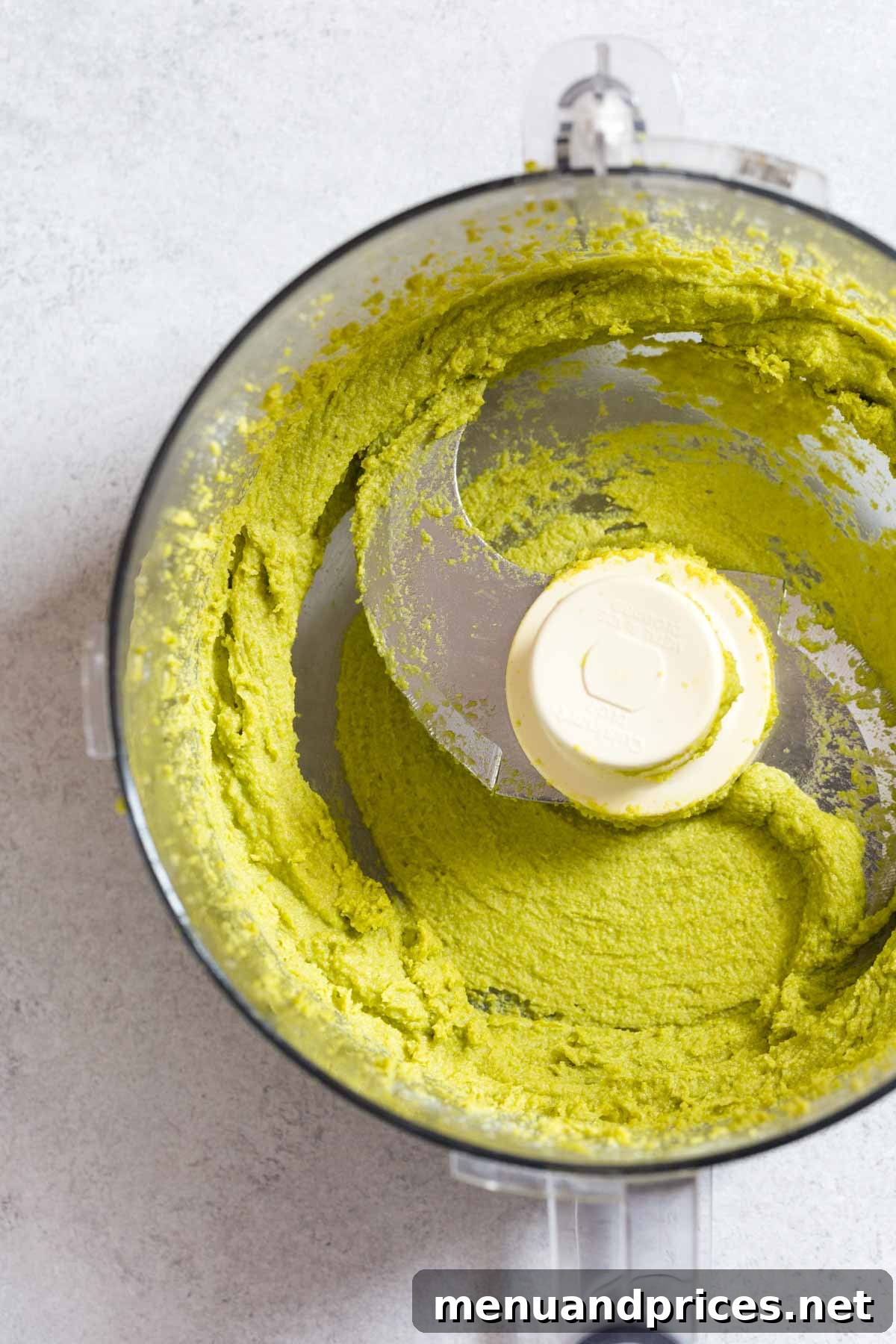
- Thick Paste: The natural oils will begin to release, and the powder will clump together, forming a very thick, somewhat dry paste.
- Smooth Paste: As you continue to process, the oils will fully release, transforming the thick paste into a gloriously smooth, fluid consistency.
- During this transformation, especially when it reaches the thick paste stage, you may need to scrape down the sides of the food processor bowl several times to ensure even processing. Continue blending for a total of 5-10 minutes, or until the paste is beautifully smooth and creamy.
- To achieve an even silkier texture and aid in the emulsification process, add a small amount of neutral oil (such as avocado or grapeseed oil) during the later stages of processing. This helps the paste blend more smoothly and contributes to a better shelf life compared to adding water.
The entire process, from crumb to a silken paste, typically takes less than 10 minutes once the pistachios are peeled. The result? A cost-effective, incredibly delicious, and naturally healthy homemade pistachio paste, free from artificial additives and preservatives. It’s a game-changer for any dessert enthusiast!
Delightful Ways to Use Your Homemade Pistachio Paste
Once you’ve created this exquisite, flavorful pistachio paste, the culinary possibilities are endless! Its rich flavor and vibrant color make it a fantastic addition to both sweet and savory dishes, though it truly shines in the realm of desserts.
Irresistible Dessert Applications:
- Pistachio Macarons: Elevate your macaron game with a filling that boasts authentic pistachio flavor and color. My pistachio macarons recipe is a perfect pairing.
- Ice Cream and Gelato: Stir the paste into your ice cream base for a homemade pistachio ice cream or gelato that rivals artisanal versions. The natural color and intense flavor are simply unmatched.
- Buttercream and Frosting: Fold it into buttercreams for cakes, cupcakes, or fillings. Our pistachio buttercream is incredibly popular for a reason!
- Cakes and Tarts: Incorporate it into cake batters, tart fillings, or even cheesecake for a gourmet touch.
- Pralines and Confections: Use it as a base for homemade pistachio pralines, truffles, or other delicious sweets.
- Pastries and Croissants: Spread it into croissants before baking, or use it as a filling for choux pastry (like eclairs!) for an elegant treat.
Beyond desserts, this tasty nut butter also makes for an absolutely awesome snack. Spread it generously on warm toast, crispy crackers, or fresh fruit for a wholesome and satisfying treat. For the ultimate indulgence, simply grab a spoon and dig in – it’s that good!
I genuinely can’t wait for you to explore the amazing desserts and culinary creations you’ll make, incorporating this truly special homemade pistachio paste. It brings a unique depth of flavor and a touch of elegance to everything it touches.
Storage and Shelf Life
Proper storage is essential to maintain the freshness, flavor, and vibrant color of your homemade pistachio paste. Since it’s all-natural and made without artificial preservatives, it requires refrigeration.
- Refrigeration: Store your freshly made pistachio paste in an airtight container in the fridge for 1 to 2 weeks. An airtight jar or container will prevent it from absorbing other odors and help retain its fresh taste. Over time, some oil separation might occur; simply stir it back in before use.
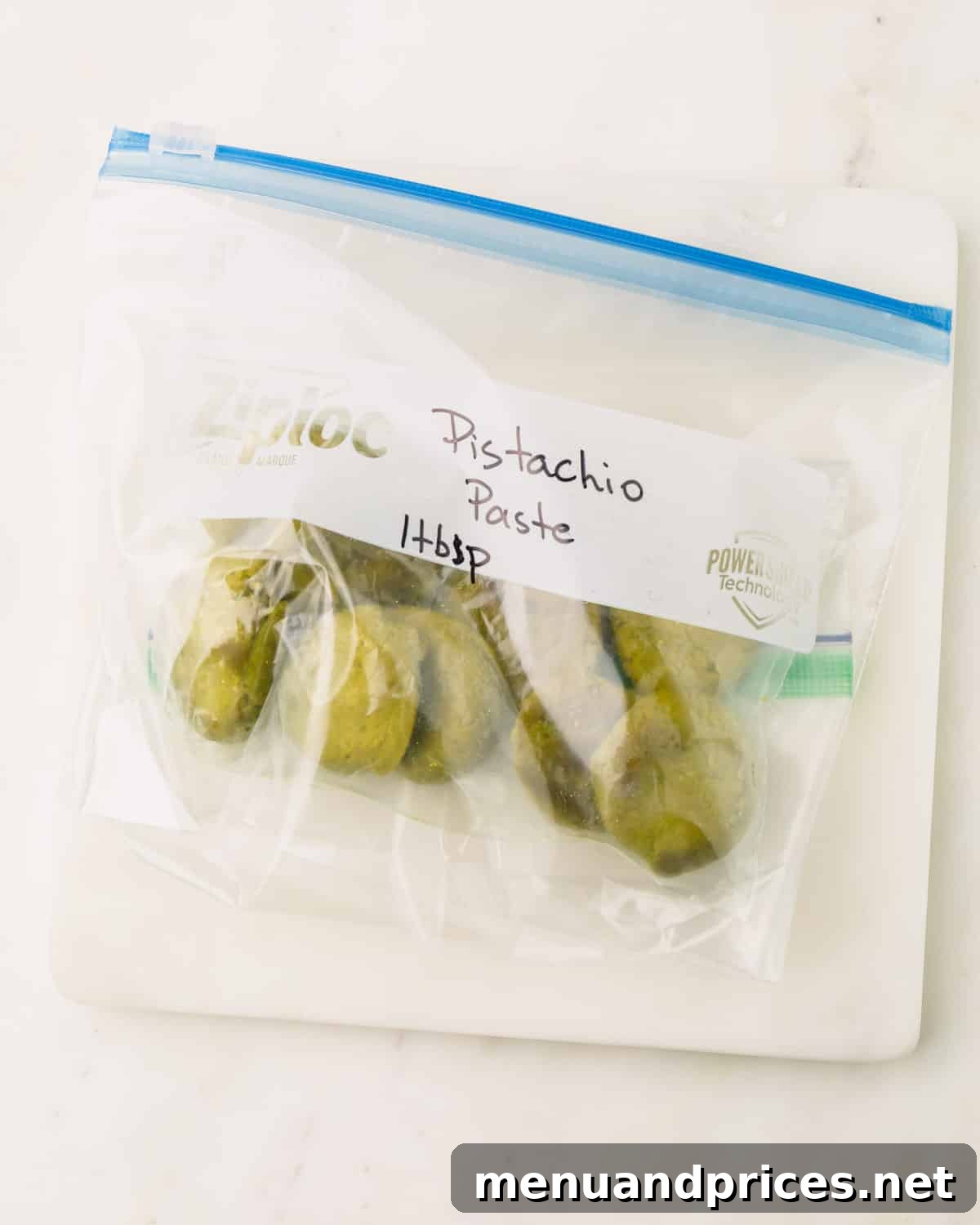
- Freezing: For longer storage, pistachio paste freezes beautifully, maintaining its quality for up to 3 months. This is an excellent option if you’ve made a larger batch or want to have it on hand for future culinary projects.
How to Freeze Pistachio Paste Effectively
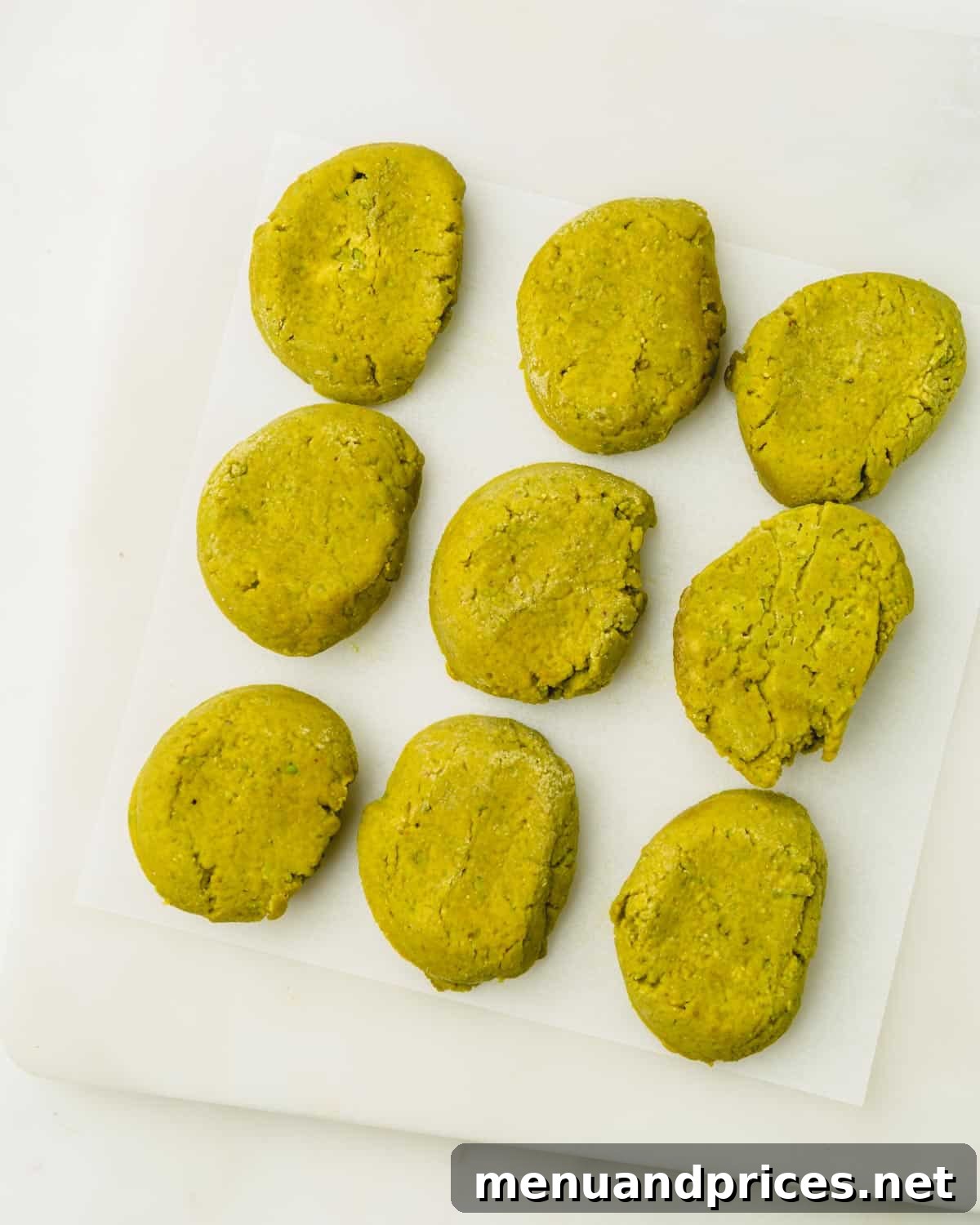
To make future use even easier, I highly recommend freezing pistachio paste in convenient, pre-portioned amounts. A simple method is to drop 1-tablespoon portions onto a plate lined with parchment paper. Slightly flatten each portion into a disc, then freeze for about 1 hour until solid. Once frozen, transfer these individual discs into a freezer-safe bag or airtight container. This way, you can easily grab just the amount you need without having to thaw the entire batch, minimizing waste and maximizing convenience.
More Pistachio-Inspired Recipes You’ll Love
If you’ve fallen in love with the rich, unique flavor of pistachios, be sure to explore these other fantastic recipes that highlight this incredible nut:
- How to Make Pistachio Butter (a slightly different consistency and approach)
- Pistachio Cream Filling (French Buttercream)
- Cranberry Pistachio Biscotti
- Pistachio Eclairs
- Easy Pistachio Buttercream
- Pistachio Macarons
Video Tutorial: The Secrets to Bright Green Pistachio Paste
Homemade Pistachio Paste
Shinee Davaakhuu
30 mins
5 mins
35 mins
6 servings
About 120g pistachio paste
Ingredients
- 1 cup (120 g) raw shelled pistachios
- 1 teaspoon neutral oil Note 2
Instructions
To peel the brown skin off:
-
To remove brown skin, bring a pot of water to a boil. Add pistachios and remove from heat. Soak for 30 seconds or so and transfer into a bowl of ice water.
-
Drain the pistachios onto a clean kitchen towel. Rub it gently and peel off the brown skin.
To make pistachio paste:
-
In a food processor, put cleaned pistachios and process for 5-10 minutes, until pasty. It’ll go through a few stages; be patient.
-
Add oil to help the paste to blend more easily, and continue to process for another 5-10 minutes, or until it is nice and smooth.
-
Store in an airtight container in the fridge for up to 1 week, or freeze for up to 3 months.
Video
Tips & Notes
You can also use slivered pistachios: If you want to avoid the blanching and peeling step (which can get pretty tedious!!), you can pay a little extra and get slivered pistachios.
Note 2: Any neutral oil, such as avocado or grapeseed oil, will work. It helps to emulsify and thin out the paste for easier blending. In the past, I used to add water instead of oil, but I learned that it’s not ideal for shelf life. If you’re using the pistachio paste right away, you can use water, but it’s better to use oil for extended freshness.
Nutrition
20 g
114kcal
6g
4g
9g
2g
1mg
filling
American
This recipe was originally published on March 6, 2015. Updated and expanded for clarity and improved SEO.