
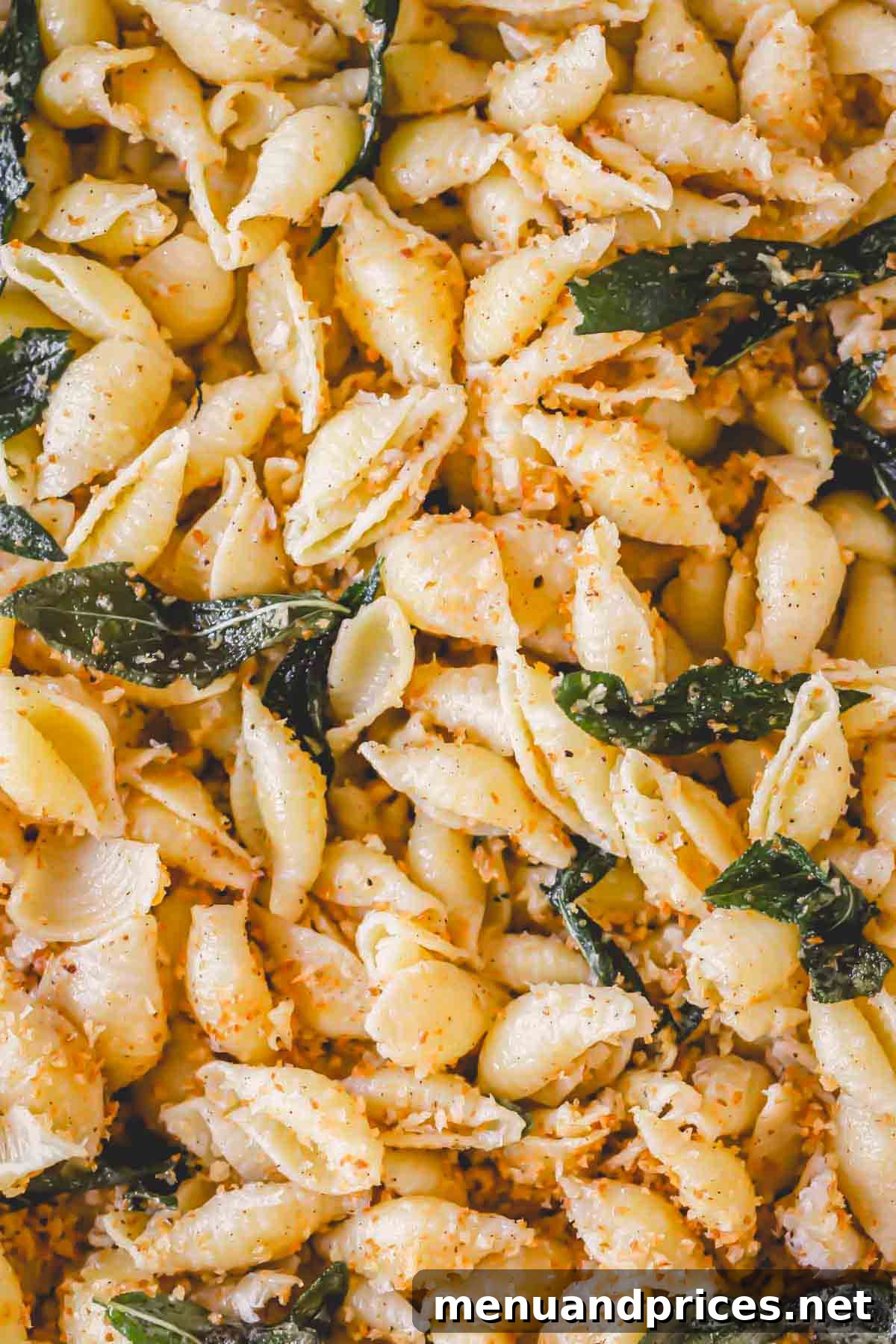
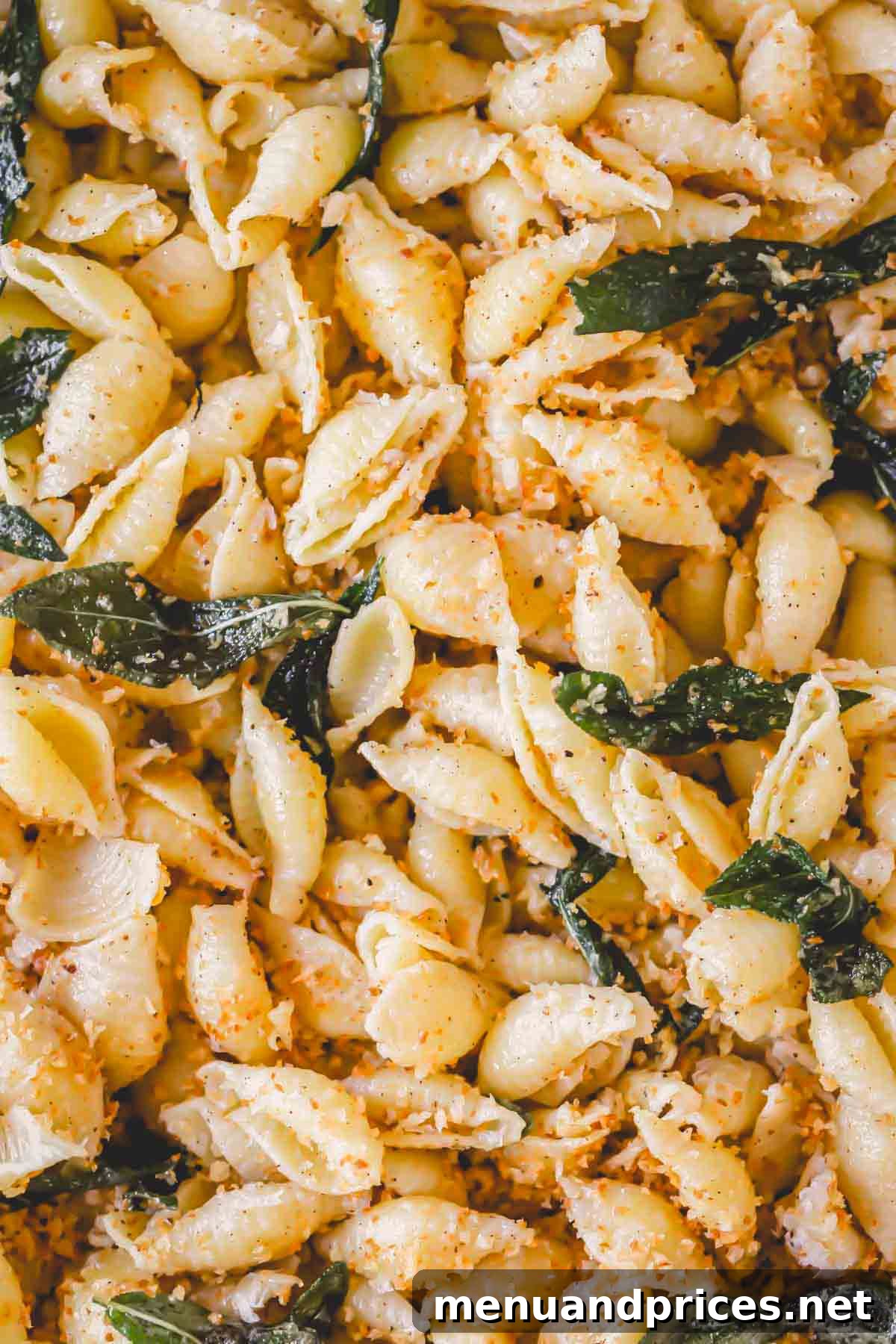
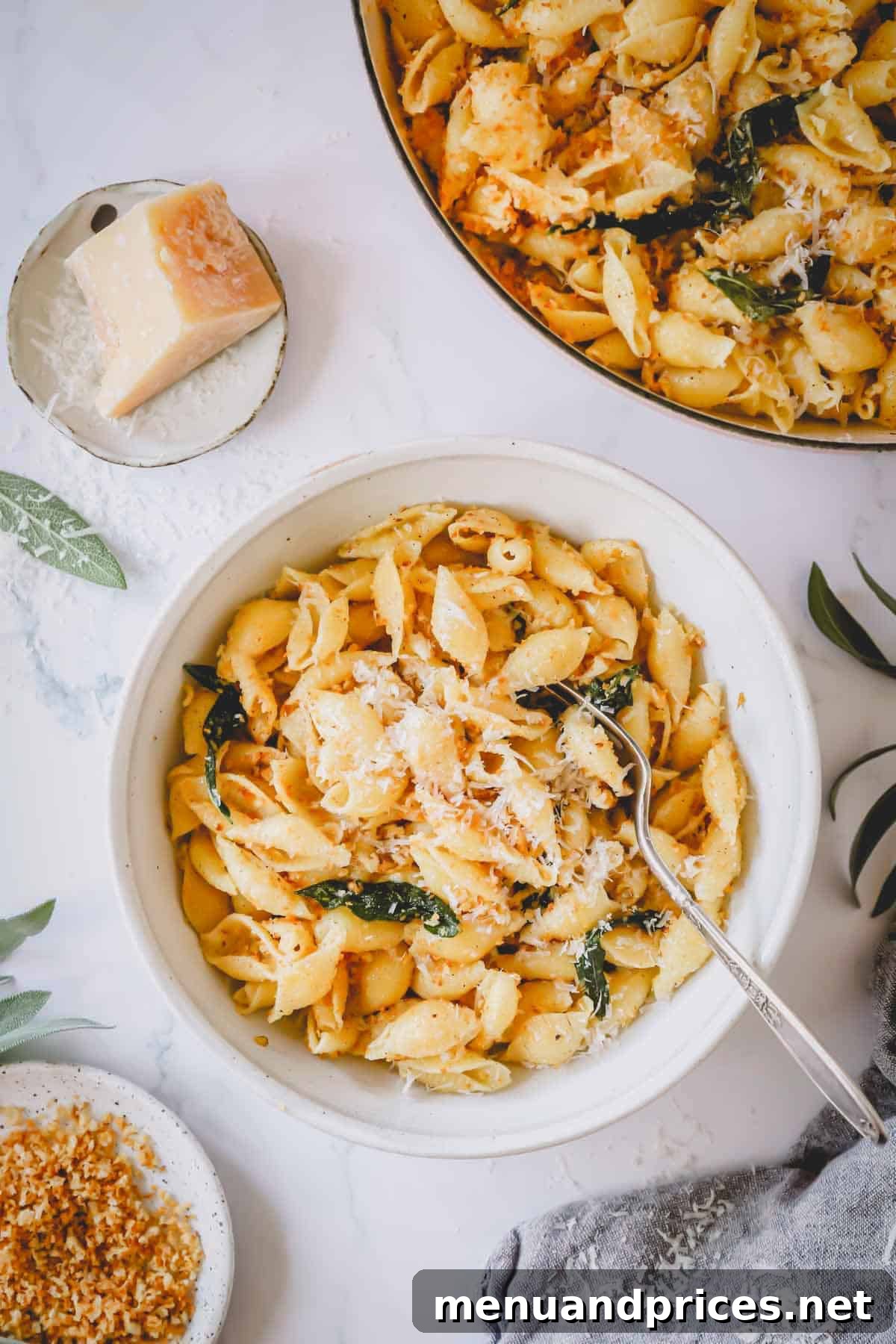
Indulge in the simple yet sophisticated flavors of this incredible Brown Butter Sage Pasta. This recipe combines al dente pasta with a rich, nutty, sage-infused brown butter sauce, all topped with delightful crispy toasted breadcrumbs and freshly grated Parmesan cheese. It’s a comforting, satisfying meal that comes together in a mere 20 minutes, using just a handful of staple ingredients. Perfect for busy weeknights, this dish delivers an impressive gourmet experience without the fuss.
Craving this deliciousness later? Pin it now!
Pin It for Later
Why You’ll Fall in Love with This Brown Butter Sage Pasta Recipe
This weeknight brown butter sage pasta isn’t just a meal; it’s a culinary revelation that tastes like it came straight from a 5-star restaurant, yet it’s incredibly simple to prepare in your own kitchen. Whether you serve it as a luxurious side dish or a satisfying main course, its blend of flavors and textures is truly unforgettable.
The magic happens when the rich, nutty notes of perfectly brown butter intertwine with aromatic crispy sage, savory Parmesan cheese, and delightful toasted panko breadcrumbs. This creates a symphony of taste and texture that will impress even the most discerning palates. Here’s why this recipe will become a cherished part of your dinner rotation:
- Unbelievably Quick to Prepare: In today’s fast-paced world, time is a luxury. This brown butter pasta recipe respects that, requiring only 5 minutes of active preparation and a mere 15 minutes of cooking time. From pantry to plate in just 20 minutes, it’s the ultimate solution for a fast and delicious weeknight dinner.
- Explosively Flavorful: Don’t let its simplicity fool you; this dish is packed with layers of deep, rich, and savory umami flavor. The browning of the butter transforms it into a nutty, almost caramel-like base, perfectly complemented by the earthy, aromatic sage. The Parmesan adds a salty, cheesy depth, creating an irresistible profile that your entire family will crave.
- Effortlessly Gourmet: While this brown butter pasta looks incredibly fancy and complex, the truth is, it’s as straightforward as making plain buttered noodles. It uses simple techniques that yield extraordinary results, making it accessible even for novice cooks who want to create a meal that tastes and looks like a professional chef prepared it. It’s the perfect dish to impress guests without breaking a sweat!
- Incredibly Versatile: This pasta dish is wonderfully adaptable. Enjoy it on its own as a light, yet satisfying meal, or elevate it by pairing it with your favorite protein. It complements everything from succulent garlic butter shrimp, tender grilled steak, pan-seared chicken, or even roasted vegetables. Its robust flavor profile makes it an excellent canvas for various culinary pairings.
Prepare to elevate your weeknight dining with this simple, yet incredibly flavorful and approachable brown butter sage pasta. It’s a testament to how humble ingredients can create a truly extraordinary dish.
Essential Ingredients for Your Perfect Brown Butter Pasta
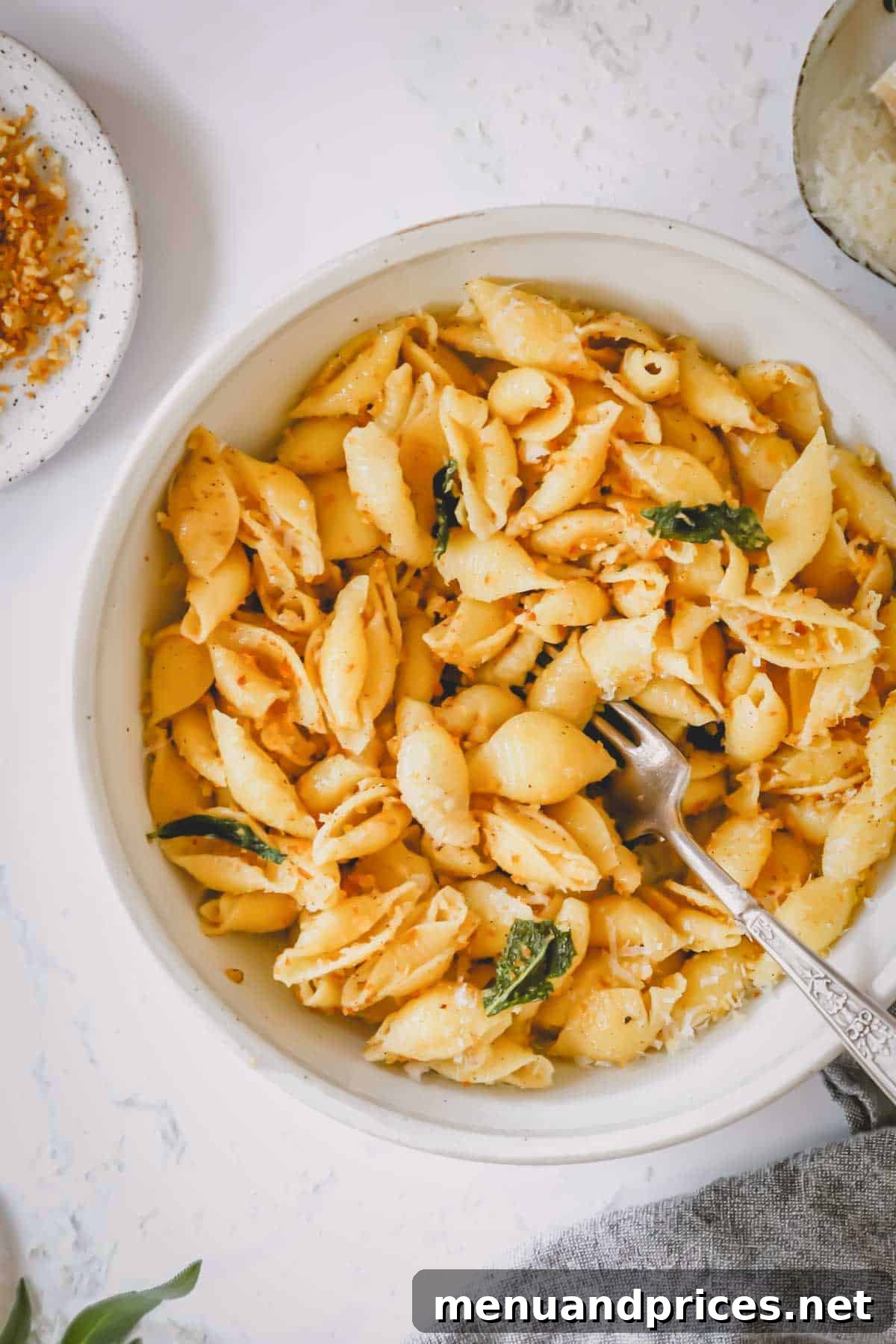
Crafting the perfect brown butter sage pasta starts with understanding the role each key ingredient plays. While this recipe uses a concise list of items, the quality and preparation of each are paramount to achieving that exquisite flavor and texture. Here’s a detailed look at what you’ll need:
- Pasta Shells (Medium-Sized): The choice of pasta shape is more important than you might think! Medium-sized shells, such as conchiglie or orecchiette, are ideal because their unique, cupped shape is designed to perfectly capture and hold the luscious brown butter sauce in every bite. This ensures that each mouthful is bursting with rich, buttery flavor and satisfying texture. Other excellent choices include cavatappi, fusilli, or even classic tagliatelle or fettuccine if you prefer a longer noodle to coat generously. Always cook your pasta just until al dente for the best chew.
- Unsalted Butter: This is unequivocally the star ingredient of our brown butter sauce, and its quality truly shines through. For the most profound, nutty flavor, opt for a high-quality, unsalted butter. Using unsalted butter is crucial as it allows you complete control over the seasoning of your dish. Salted butter can easily overpower the delicate, bold, nutty notes we’re aiming to achieve, leading to an overly salty and less nuanced sauce. The milk solids in unsalted butter are what brown and create the incredible depth of flavor.
- Panko Breadcrumbs: Toasted panko breadcrumbs provide an essential textural contrast that elevates this dish from great to extraordinary. Panko, a Japanese-style breadcrumb, is made from crustless white bread and has a unique flakey, airy texture that crisps up beautifully, offering a delightful crunch without being greasy. You’ll typically find panko breadcrumbs in the international aisle or alongside regular breadcrumbs at most grocery stores. Don’t skip this step – the crispy topping adds an incredible dimension to the smooth pasta.
- Fresh Garlic: Minced fresh garlic cloves are indispensable for adding an extra layer of aromatic depth and savory complexity to the brown butter sauce. As the garlic gently cooks in the butter, it infuses the sauce with a warm, pungent sweetness that beautifully complements the nutty butter and earthy sage. Always use fresh garlic for the best flavor; pre-minced garlic often lacks the vibrant punch of fresh cloves.
- Fresh Sage: Earthy, fragrant, and slightly peppery, fresh sage is the aromatic backbone of this dish. It beautifully balances the richness of the brown butter, adding a distinctive herbaceous note. When sautéed in butter, fresh sage leaves become wonderfully crispy, releasing their essential oils and infusing the sauce with their unique flavor. Using fresh sage is key for achieving both the flavor and the desired crispy texture; dried sage simply won’t yield the same results.
- Parmesan Cheese: A generous amount of freshly grated Parmesan cheese (Parmigiano-Reggiano, if possible) adds a creamy, salty, and umami-rich finish to the pasta. Its sharp, nutty flavor enhances the overall profile of the dish and helps create a luxurious, emulsified sauce when tossed with the pasta. I highly recommend grating extra cheese to sprinkle on top as a final garnish, adding another layer of flavor and visual appeal.
- Kosher Salt: Essential for seasoning both the pasta water and the finished sauce. Proper seasoning enhances all the other flavors.
- Reserved Pasta Water: While not listed in the original, this is a secret weapon for any pasta dish. The starchy pasta water helps to emulsify the butter sauce, creating a silky texture that coats the noodles perfectly. Don’t forget to save about a cup before draining your pasta!
With these high-quality ingredients at hand, you’re well on your way to creating a truly unforgettable brown butter sage pasta.
Step-by-Step Guide: Crafting Your Weeknight Brown Butter Pasta
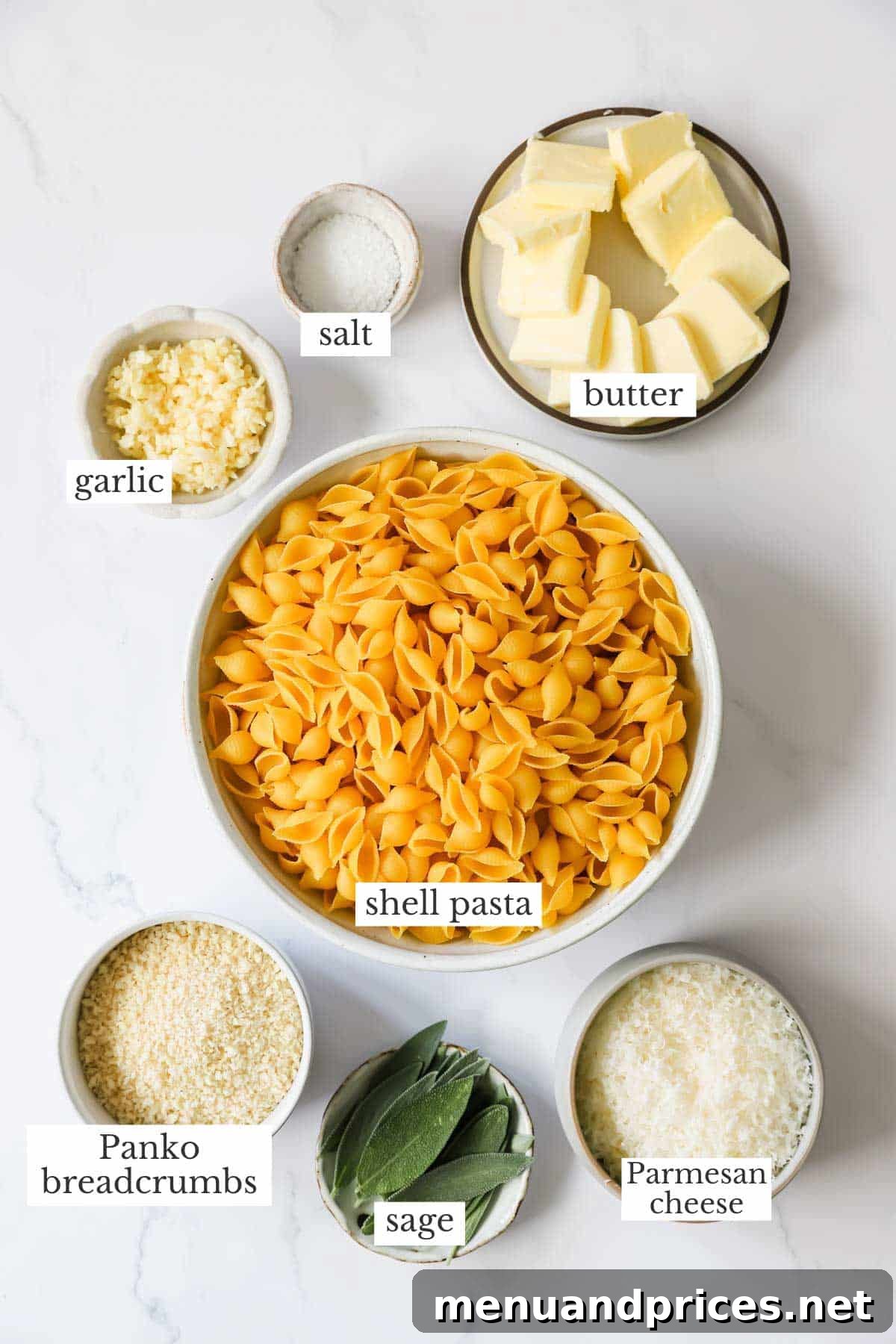
Making this sophisticated brown butter sage pasta is surprisingly straightforward. Follow these simple steps to bring a gourmet meal to your table in under 20 minutes.
1. Perfectly Cook the Pasta
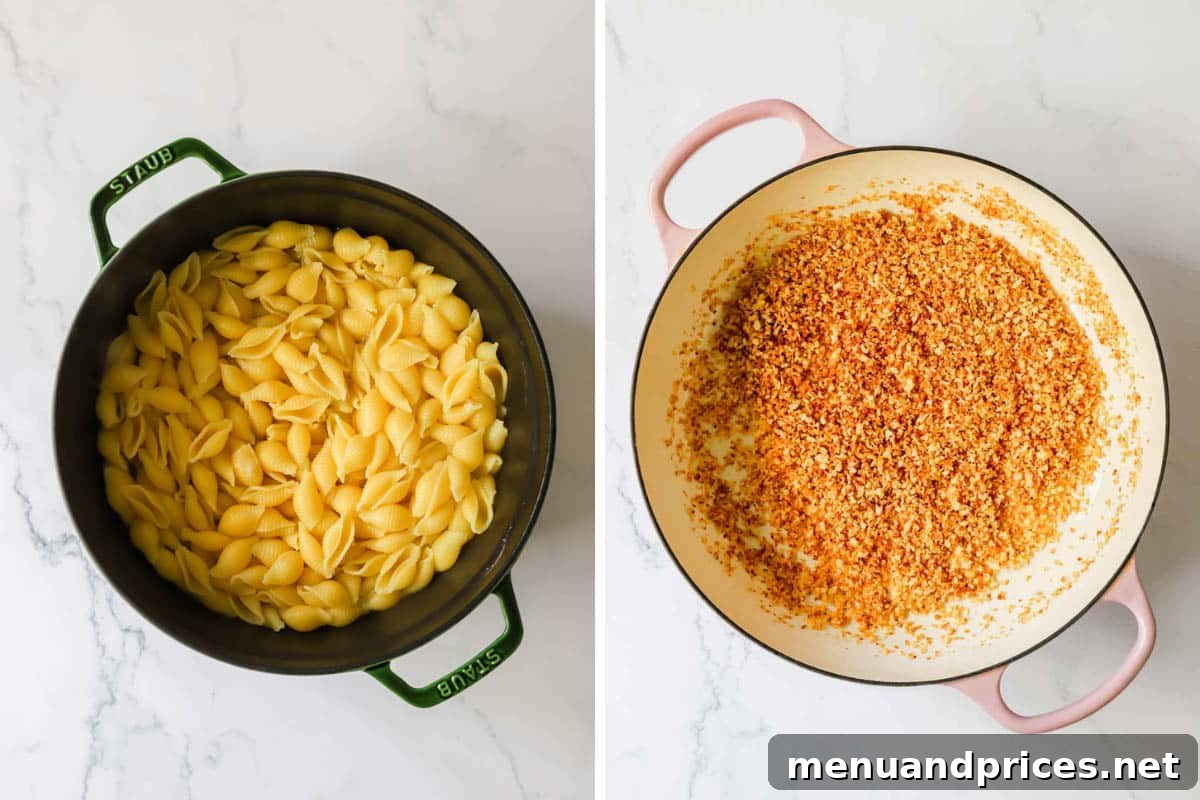
- Begin by bringing a large pot of generously salted water to a rolling boil. Salting the water adequately is crucial as it’s the primary way to season the pasta itself, infusing flavor from the inside out.
- Add your chosen pasta shells to the boiling water. Cook them according to the package instructions, ensuring they reach that perfect al dente texture – tender with a slight bite. Avoid overcooking, as the pasta will continue to cook slightly when tossed with the warm sauce.
- Before draining, scoop out about 1 cup of the starchy pasta water and set it aside. This reserved water is a key ingredient for achieving a silky, emulsified sauce. Drain the cooked pasta and set it aside while you prepare the other components.
2. Prepare the Crispy Toasted Breadcrumbs
- In a large skillet, melt two tablespoons of unsalted butter over medium-low heat. The low heat is important here to prevent the butter from burning and to ensure even toasting of the breadcrumbs.
- Once the butter is melted and slightly shimmering, add the panko breadcrumbs to the skillet.
- Cook the breadcrumbs for approximately 3 minutes, stirring frequently and consistently. Keep a close eye on them, as they can go from golden to burnt quickly. You’re looking for a beautiful, even golden-brown color and a wonderfully crisp texture.
- Once perfectly toasted, remove the breadcrumbs from the skillet and transfer them to a small bowl. This prevents them from burning and keeps them crispy. Wipe the skillet clean with a paper towel, ready for the next step.
3. Craft the Aromatic Brown Butter Sauce for Pasta
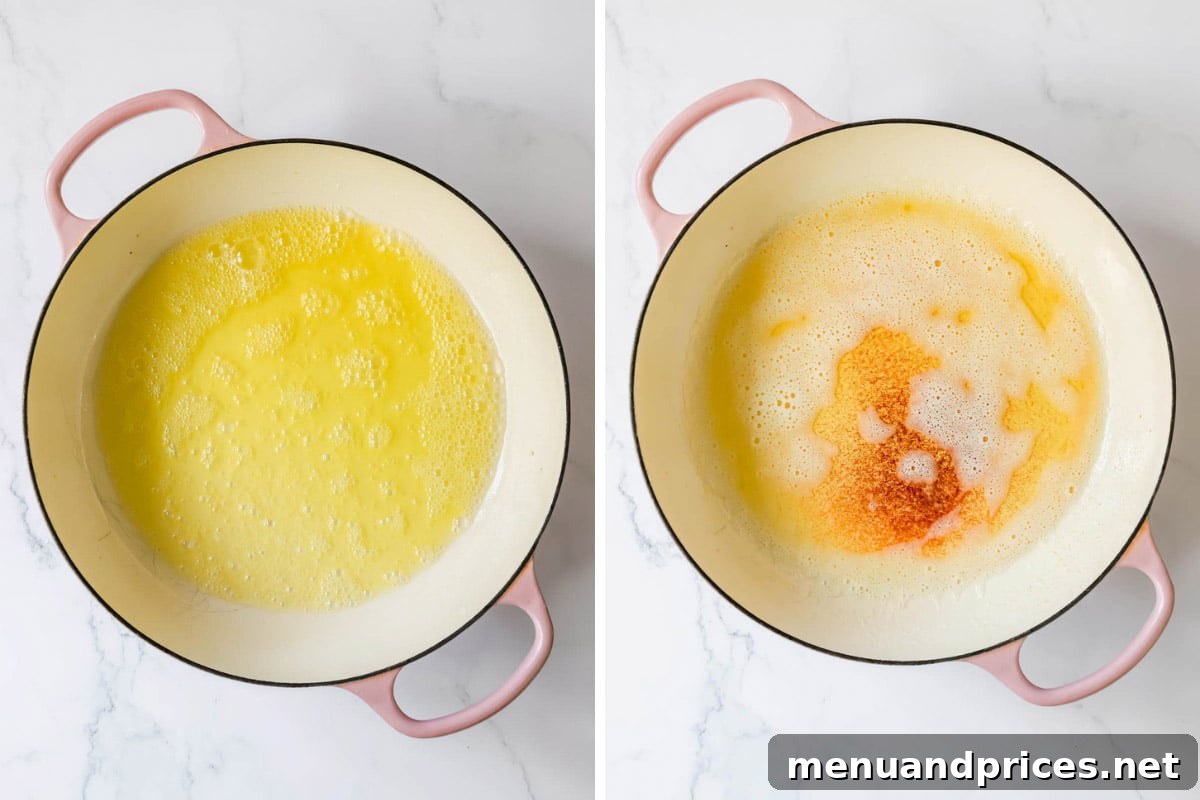
- Return the clean skillet to low heat. Add the remaining 8 tablespoons of unsalted butter. Allow the butter to melt slowly and begin to bubble.
- Continue to stir the butter almost nonstop as it melts and transitions. After about 2-3 minutes, you’ll notice small, golden-brown bits forming at the bottom of the pan. These are the milk solids browning, responsible for the incredible nutty flavor. The aroma will also start to change from plain butter to a more complex, toasty scent.
- As soon as these brown bits begin to appear and the butter starts to turn a light golden color, add the fresh sage leaves to the pan. The sage will immediately begin to sizzle and crisp up in the hot butter.
- Cook the sage for 1-2 minutes, stirring gently, until the leaves turn dark green, become visibly crisp, and release their beautiful aroma.
- Carefully remove the crispy sage pieces from the pan using a slotted spoon or tongs, and set them aside. These will be used for garnish.
- Continue to cook the butter on low heat, watching it very closely, until it develops a rich, golden-brown color and a distinct nutty aroma. It’s crucial to be attentive at this stage, as butter can go from perfectly browned to burnt in a matter of seconds. The goal is a deep amber hue, not black or bitter.
4. Assemble and Serve Your Gourmet Pasta
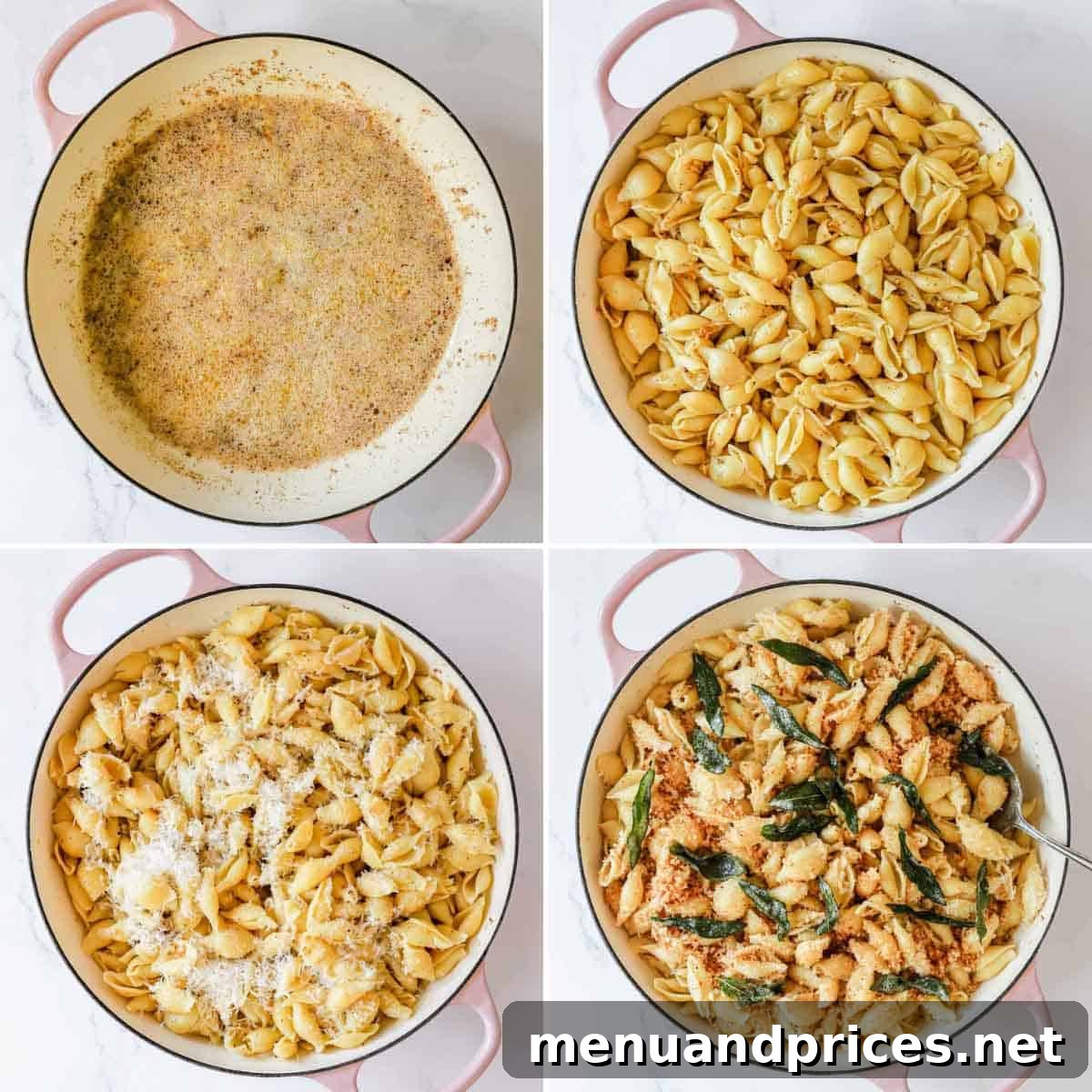
- With the heat turned off (or very low if you need to keep it warm), add the minced garlic to the brown butter in the pan. Sauté for just 30 seconds, allowing the garlic to become fragrant without burning. The residual heat from the pan will be sufficient.
- Immediately transfer the cooked al dente pasta to the skillet with the brown butter and garlic sauce. Toss vigorously to ensure every strand and crevice of the pasta shells is thoroughly coated in the rich, aromatic sauce.
- Add the finely grated Parmesan cheese and the reserved crispy sage leaves (crumble them slightly if desired) to the pasta. Toss everything together once more, allowing the cheese to melt slightly and create a luxurious, creamy coating. If the sauce seems too thick, add a splash or two of the reserved pasta water to achieve your desired consistency.
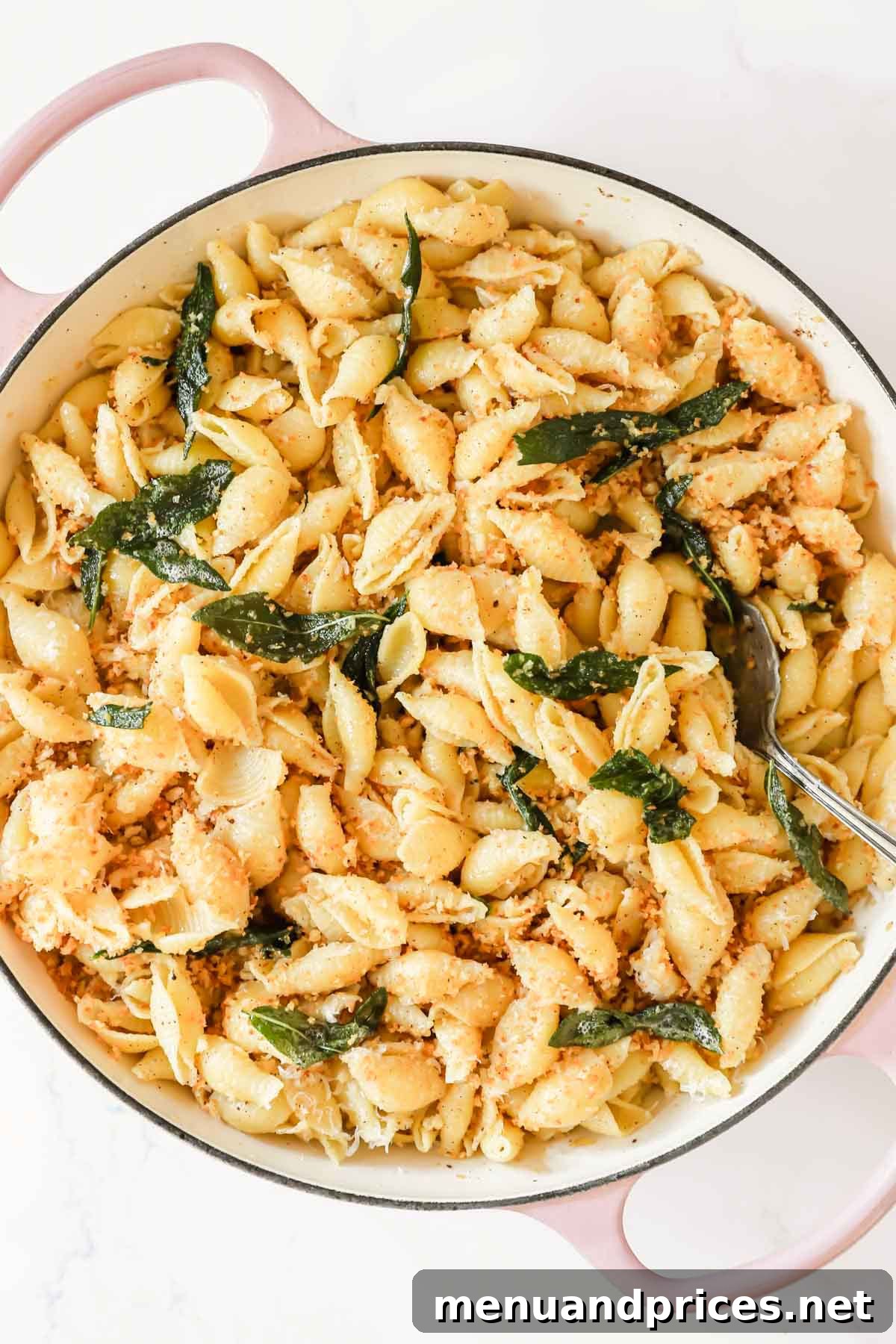
- Divide the pasta among serving bowls. Generously top each serving with the crispy toasted panko breadcrumbs. You can also add extra grated Parmesan cheese and a few fresh sage leaves for garnish. Serve immediately while warm, savoring every incredible bite!
Presentation Perfection: Create a Stunning Garnish
Elevate the visual appeal and fresh flavor of your brown butter sage pasta by garnishing generously before serving. A sprinkle of additional freshly grated Parmesan cheese and a few whole, crispy sage leaves (or gently crushed ones) will not only make your dish look restaurant-worthy but also add an extra burst of savory and aromatic delight to each serving.
Pro Tips for Perfect Brown Butter Sage Pasta Every Time
Achieving the perfect brown butter pasta is all about attention to detail. These expert tips will ensure your dish is consistently delicious and flawless:
- Choose the Right Skillet: When browning butter, always use a light-colored or stainless steel skillet. Dark-colored pans (like cast iron) can make it incredibly difficult to accurately judge the color of the butter, increasing the risk of burning it. A light-colored pan allows you to clearly see the milk solids as they transform from white to golden to a beautiful amber-brown.
- Start with Room-Temperature Butter: If possible, let your unsalted butter come to room temperature before you start. Cold butter straight from the fridge tends to sputter and splatter more aggressively as it melts, creating a mess and an uneven browning process. Room temperature butter melts more evenly and smoothly, allowing for better control.
- Constant Vigilance is Key: Browning butter is a rapid process, especially towards the end. It can transition from perfectly nutty and golden to a bitter, burnt mess in mere seconds. Never walk away from the pan while the butter is browning. Watch it closely, stirring frequently, and pay attention to both its visual change and its evolving aroma.
- Patience with Low Heat: Resist the temptation to rush the browning process by cranking up the heat. High heat will cause the butter to brown too quickly and unevenly, leading to burnt milk solids and a bitter taste, even if the overall butter color looks fine. Cooking the butter over consistent low heat allows it to brown gradually, developing a deeper, more complex, and truly nutty flavor profile without burning. It takes a little longer, but the superior taste is well worth the wait.
- Opt for Fresh Sage Leaves: The flavor and texture of fresh sage are irreplaceable in this dish. Fresh sage leaves will crisp up beautifully when sautéed in the brown butter, releasing their potent, earthy aroma and providing a delightful textural contrast. Rubbed or dried sage will not achieve the same crispness and will impart a different, often less vibrant, flavor.
- Don’t Forget the Pasta Water: Always reserve about a cup of your starchy pasta cooking water. This liquid is your secret ingredient for creating a silky, emulsified sauce that perfectly coats the pasta. Adding a splash or two can help bind the butter and Parmesan, preventing the sauce from becoming greasy and ensuring a luscious texture.
- Taste and Adjust Seasoning: Before serving, always taste your pasta and adjust the seasoning as needed. Depending on the saltiness of your pasta water and Parmesan cheese, you might need a pinch more salt or freshly ground black pepper to perfectly balance the flavors.
Make-Ahead Mastery: Preparing Brown Butter in Advance
While brown butter sage pasta is undoubtedly at its best when served warm and fresh, especially with its crispy breadcrumb topping, there’s good news for meal planners: you can absolutely prepare the rich brown butter in advance! This ingenious trick allows you to cut down on last-minute cooking time and enjoy this gourmet meal even on your busiest evenings. Plus, making extra brown butter means you’ll have this versatile ingredient ready for a multitude of other culinary applications!
Brown butter, with its deep, nutty, and slightly caramelized notes, is fantastic in a wide array of dishes beyond pasta. Consider using it to elevate:
- Sweet Treats: Drizzle over pancakes or waffles, incorporate into frosting, or use it as a base for crispy chocolate chip cookies.
- Savory Enhancements: Toss with ravioli, roasted asparagus or other oven-roasted vegetables, or fold into creamy mashed potatoes. It’s also delicious over fish or grilled chicken.
To prepare brown butter ahead of time:
- Follow the recipe’s instructions for making the brown butter, but hold off on adding the fresh sage. The sage is best cooked fresh to achieve its crispy texture and vibrant flavor.
- Once the butter is perfectly browned and slightly cooled, carefully transfer it to a clean, glass, airtight container with a tightly sealing lid.
- Store the brown butter in the refrigerator for up to 2 weeks, or freeze it for an extended period of up to 3 months. It will solidify in the fridge or freezer.
- When you’re ready to make your pasta, simply reheat the solidified brown butter in the skillet over low heat until it melts. Then, proceed with the recipe as listed in the instructions, adding and crisping the fresh sage at the appropriate time before completing the rest of the steps. This ensures both the convenience of make-ahead prep and the optimal fresh flavor and texture of your dish.
Storing & Reheating Leftover Brown Butter Pasta
As highlighted, this brown butter sage pasta is truly at its peak when enjoyed immediately, while the pasta is hot and the breadcrumb topping retains its irresistible crunch. However, life happens, and sometimes you have leftovers! Rest assured, you can certainly store and enjoy this delightful dish again.
If you anticipate having leftovers or plan to prepare a larger batch, a key recommendation is to delay adding the toasted panko breadcrumbs until just before serving. This preserves their crispiness and prevents them from becoming soggy when stored with the pasta.
- Proper Storage: Allow any leftover pasta to cool completely to room temperature before storing. This prevents condensation from forming, which can make the pasta watery. Once cooled, transfer the pasta to an airtight container. It will stay fresh and delicious in the refrigerator for 3-4 days.
- Reheating Instructions: For best results, reheat leftover brown butter pasta in a skillet on the stovetop over low to medium-low heat. Add a splash of water or vegetable broth to help loosen the sauce and prevent the pasta from drying out. Stir gently until the pasta is warmed through. Avoid high heat, which can cause the butter to separate or the pasta to overcook. You can also microwave it in short bursts, stirring in between, but the stovetop method yields better texture.
- Fresh Breadcrumbs for the Win: To recapture that perfect textural contrast, I highly recommend making a fresh batch of toasted panko breadcrumbs to sprinkle over your reheated leftover pasta. The effort is minimal, but the impact on flavor and texture is immense, making your leftovers feel like a freshly made meal.
Enjoying this comforting brown butter pasta, even as a leftover, is a treat with these simple storage and reheating guidelines.
Frequently Asked Questions About Brown Butter Pasta
What is brown butter sauce made of?
At its most basic, a brown butter sauce, also known as beurre noisette, is made from just one essential ingredient: unsalted butter! It’s created by gently cooking butter until its milk solids toast to a nutty, golden-brown hue. For savory recipes like this pasta, ingredients such as fresh sage, minced garlic, a touch of lemon juice, and seasonings like salt and black pepper are often added to enhance its depth and flavor profile.
What does brown butter sauce taste like?
Compared to regular melted butter, brown butter boasts a significantly more intense and complex flavor. It’s rich, deeply savory, and carries a distinct nutty, slightly toasted aroma reminiscent of hazelnuts. Many people also detect subtle undertones of caramel or toffee, which add to its luxurious and irresistible taste. It’s a flavor profile that is both comforting and sophisticated.
Is brown butter different from regular butter?
Yes, brown butter is fundamentally different from regular melted butter, as it undergoes a transformation through cooking. To make brown butter, regular unsalted butter is gently heated, allowing its water content to evaporate and its milk solids to separate and cook. These milk solids then caramelize and turn golden-brown, infusing the butter with its signature nutty, toasted flavor. This browning process concentrates the butter’s flavors, creating a rich and aromatic sauce that is perfectly suited for both baked goods and a wide array of savory dishes like this pasta.
More Easy Weeknight Recipes to Love
If you enjoyed the simplicity and deliciousness of this brown butter pasta, you’ll love these other quick and flavorful weeknight meal ideas:
- Tequila Lime Seared Scallops Pasta
- Sweet and Spicy Chicken Skewers
- Beef Meatballs in Mushroom Gravy
- Sheet Pan Apricot Salmon
★★★★★
Brown Butter Sage Pasta with Crispy Breadcrumbs
Shinee Davaakhuu
5 mins
15 mins
20 mins
6 servings
Pin Recipe
Comment
Print Recipe
Ingredients
- 2 teaspoons kosher salt or more to taste for pasta water
- 16 ounces medium shells pasta Note 1
- 10 tablespoons unsalted butter divided, Note 2
- ¾ cup panko breadcrumbs
- 6 garlic cloves minced
- 15 fresh sage leaves less or more to taste
- 1 cup parmesan cheese more for serving
Instructions
To Cook Pasta:
-
Bring a large pot of salted water to a boil and cook the pasta to al dente according to the package directions.
-
Drain the pasta once finished cooking, reserving about 1 cup of pasta water.
To Make Toasted Breadcrumbs:
-
While the pasta cooks, heat 2 tablespoons of butter in a large skillet over medium-low heat.
-
Add the panko breadcrumbs and stir often until browned and crispy, about 3 minutes. Remove from skillet and wipe clean.
To Make Brown Butter Sauce:
-
Add the remaining 8 tablespoons of butter to the clean skillet and cook on low heat.
-
Stir constantly as the butter bubbles. After 2-3 minutes, you should see small brown bits appear at the bottom of the pan and a nutty aroma emerge.
-
The moment brown bits appear, stir in the fresh sage leaves. Cook for 1 to 2 minutes until the sage gets crispy.
-
Turn off the heat, remove the crispy sage leaves, and set them aside for topping. Continue to cook the butter until it turns a rich golden brown, but be careful not to let it burn.
To Complete the Dish:
-
Stir in the minced garlic into the warm brown butter and cook for 30 seconds, allowing its aroma to develop.
-
Add the cooked pasta to the skillet and toss well to coat every piece with the brown butter and garlic sauce. Turn off the heat.
-
Toss in the finely grated Parmesan cheese and the crispy sage. If the sauce seems too thick, add a tablespoon or two of the reserved pasta water to reach desired consistency.
-
Serve the pasta warm, sprinkled generously with the toasted panko breadcrumbs on top. Enjoy!
⭐️ Did you make this recipe?
Please leave a review and let us know how you liked it!
Tips & Notes
Storing Tips:
– Allow leftovers to cool to room temperature.
– Transfer them to an airtight container, and store them in the fridge for up to 3-4 days.
– Reheat gently in a skillet over low heat, adding a splash of water if needed. For best texture, add fresh toasted panko when serving leftovers.
Nutrition
1 serving
547kcal
63g
17g
25g
3g
1105mg
Main Course
American, Italian
Did you make this?
Leave a rating and your feedback. Thank you!