
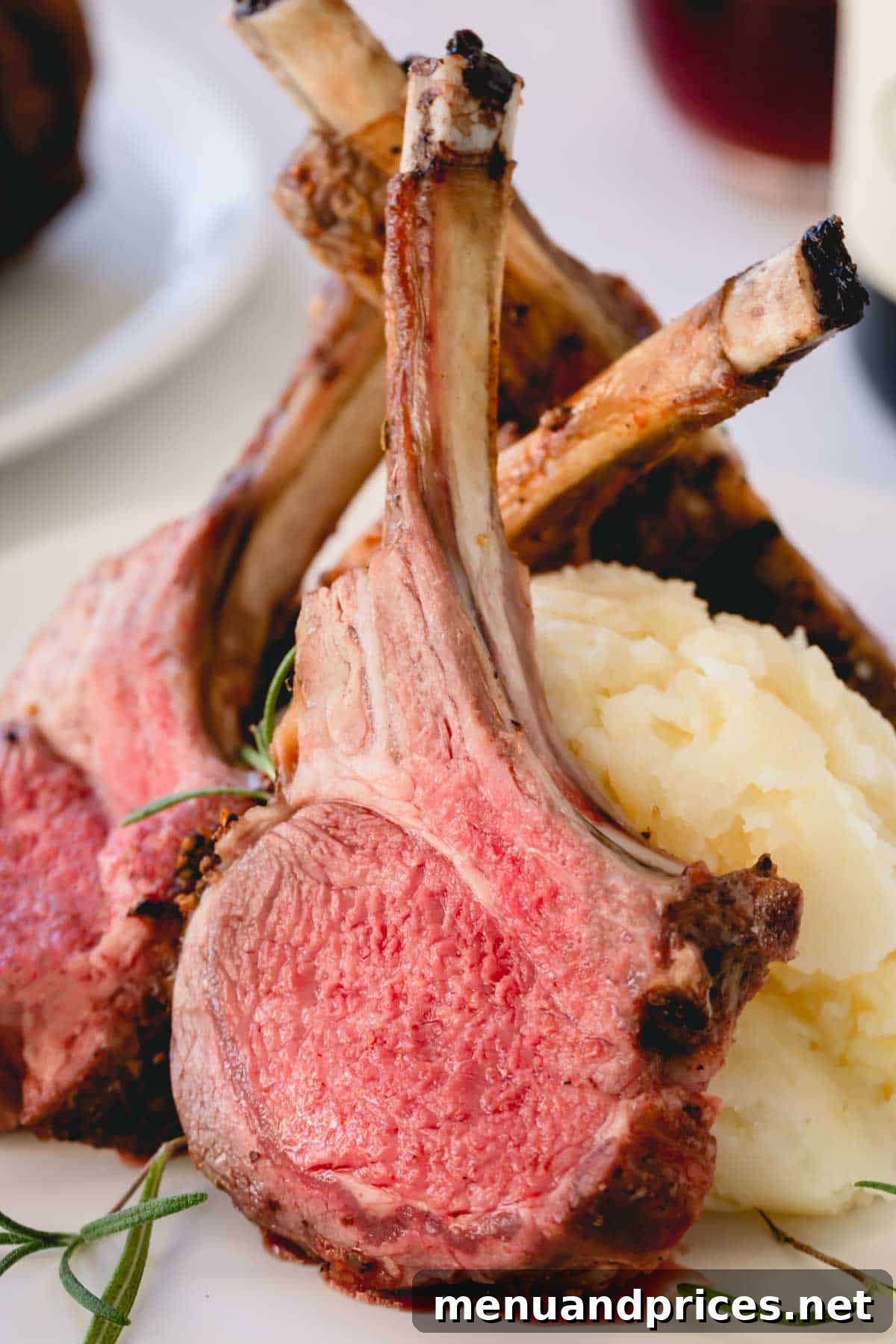
Prepare to impress your guests and delight your palate with this exquisite roasted rack of lamb, beautifully infused with aromatic garlic and fresh rosemary. This recipe masterfully demystifies what many consider a complex dish, transforming it into an effortless yet incredibly elegant main course. Perfect for any holiday gathering, a special occasion, or simply an elevated weekend dinner, this recipe promises a succulent, juicy, and perfectly cooked rack of lamb that will be the undisputed star of your table, all with minimal hands-on time.
Why You’ll Fall in Love with This Garlic Rosemary Lamb Recipe
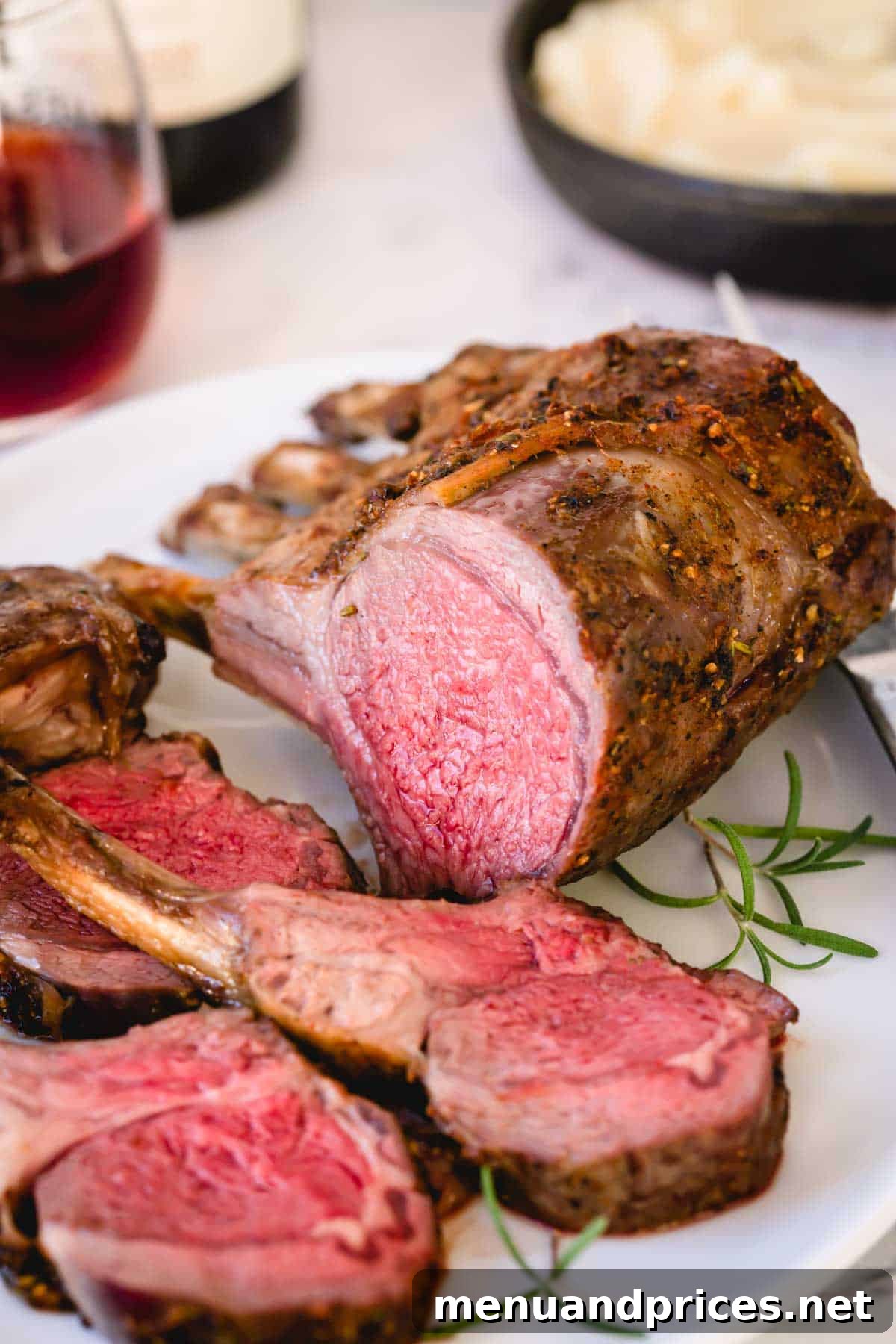
Roasting a rack of lamb might sound like a task reserved for professional chefs, but this recipe makes it surprisingly straightforward and incredibly rewarding for home cooks of all skill levels. It consistently delivers a mouth-watering dish that looks like it took hours of intricate work, when in reality, it’s largely hands-off. The secret to its undeniable appeal lies in a simple yet powerful marinade: a vibrant blend of fresh rosemary and pungent minced garlic. This aromatic mixture deeply infuses the lamb with incredible flavor and tenderness before it’s roasted to a tender, juicy medium-rare perfection. This method guarantees maximum taste with minimal fuss, making it an ideal choice when you want to create a memorable meal without stress.
This particular roasted lamb rack recipe has become a cherished tradition in my home, gracing our New Year’s Eve table for the past four years running. Its consistent succulence and foolproof preparation have cemented its place as a perennial favorite. Beyond its exceptional flavor, its beautiful presentation, with perfectly frenched bones and a golden-brown, caramelized crust, makes it a stunning centerpiece for any festive celebration or an intimate dinner party. It’s the kind of dish that garners compliments effortlessly, allowing you to relax and enjoy the occasion.
The entire process is remarkably simple, broken down into three key steps: defrost (if your lamb is frozen), marinate, and roast. A thoughtfully balanced blend of salt, freshly ground black pepper, a touch of warm nutmeg, and a hint of piquant cayenne pepper works in perfect harmony. This harmonious combination enhances the distinctive, rich flavor of the lamb without ever overwhelming its natural deliciousness. The result is a flavorful crust that is both beautifully caramelized and incredibly appetizing. If you’re seeking an impressive, yet easy-to-execute main course that promises to delight and satisfy, this garlic rosemary roasted rack of lamb recipe is an absolute must-try! It’s an elegant dish that truly delivers on taste and presentation.
Essential Ingredients for Your Perfect Rack of Lamb
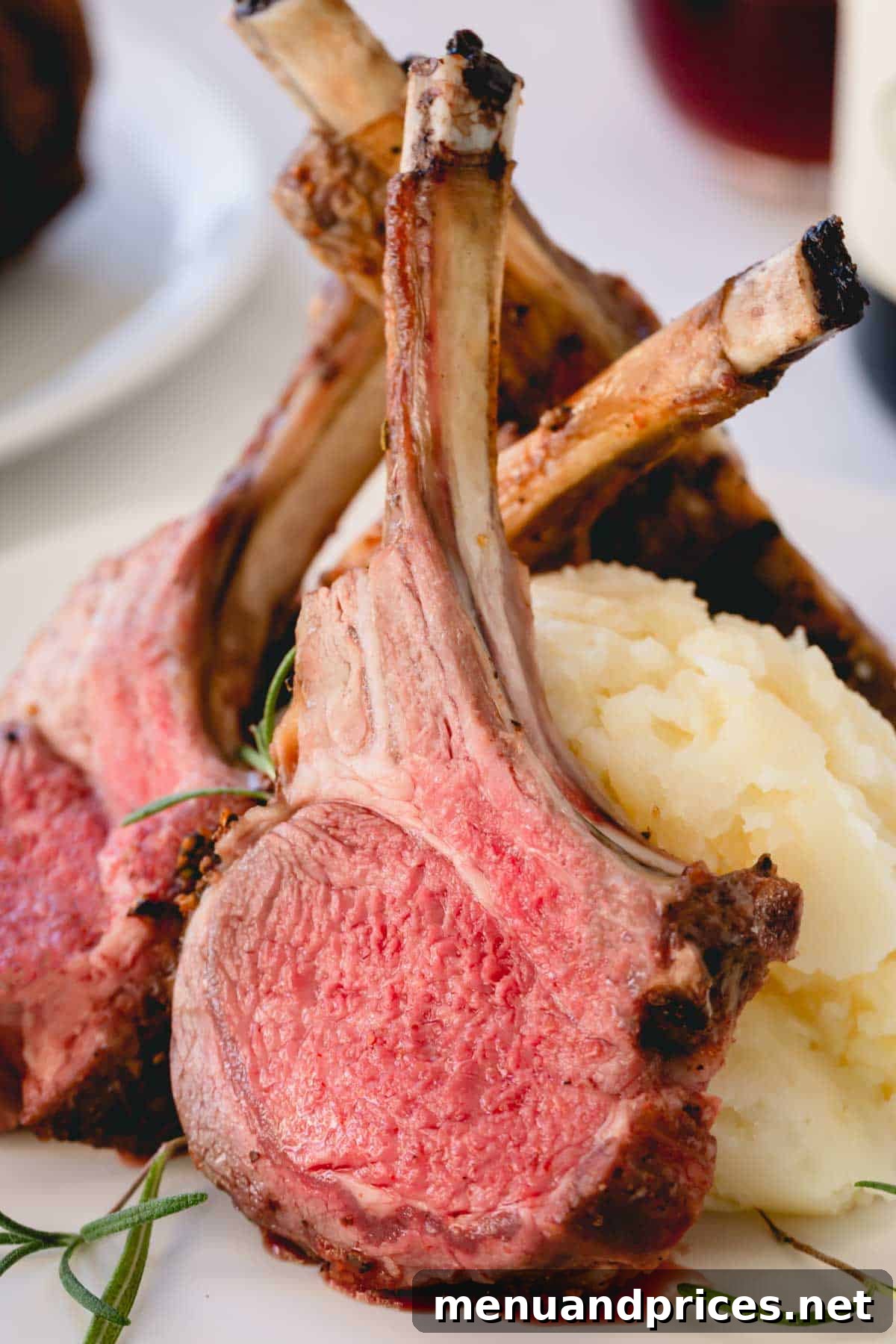
Crafting the perfect roasted rack of lamb begins with the careful selection of quality ingredients. Here’s a closer look at what you’ll need and why each component is crucial for achieving an outstanding result:
- Rack of Lamb: For this specific recipe, we recommend using two racks of lamb. Typically, each rack yields 8 chops, meaning two racks will provide about 16 chops, an ideal quantity for generously serving 4-6 people. If you’re cooking for a smaller intimate gathering, feel free to halve the recipe. It is crucial that your lamb racks are “frenched.” This professional culinary term means that the excess fat, cartilage, and meat have been meticulously trimmed from the ends of the bones, leaving them exposed. This technique not only contributes to a more elegant and professional presentation but also aids in more even cooking around the meat portion. When selecting your lamb at the butcher or grocery store, always look for meat that exhibits a vibrant, healthy pinkish-red color. A darker red hue can indicate an older cut of lamb, which may result in a less tender and flavorful final product.
- Spices – Salt, Pepper, Nutmeg, and Cayenne: The carefully chosen spices in this recipe are designed to work in perfect harmony, enhancing the lamb’s natural flavors without overpowering them.
- Salt and Freshly Ground Black Pepper: These are the foundational seasonings for any savory dish. They enhance the overall flavor profile of the lamb and create a seasoned crust.
- Ground Nutmeg: This often-overlooked spice adds a subtle, warm, and deeply aromatic nuance with a hint of nutty sweetness that beautifully complements the rich flavor of lamb. For the freshest and most potent flavor, we highly recommend grating whole nutmeg just before use. Pre-ground nutmeg loses its volatile oils quickly.
- Cayenne Pepper: Incorporating a small amount of cayenne pepper provides a gentle, welcoming kick that adds an exciting layer of complexity to the crust. If you prefer a milder flavor or wish to avoid any heat, smoked paprika makes an excellent substitute, offering a beautiful reddish color and a delightful smoky aroma without the spice.
- Olive Oil: High-quality olive oil serves multiple critical functions in this recipe. It helps to tenderize the meat, acts as an essential binder for the spices ensuring they adhere evenly to the lamb, and, perhaps most importantly, promotes the development of a beautiful golden-brown, crispy, and irresistible crust during the roasting process.
- Garlic: Minced fresh garlic is an indispensable aromatic here. It imparts a profound, savory, and slightly nutty depth of flavor that deeply penetrates the lamb during marination, contributing significantly to an irresistible aroma and taste that permeates every bite.
- Rosemary: Fresh rosemary is the quintessential herb for pairing with lamb, and for good reason. It offers a vibrant, aromatic profile reminiscent of evergreen, citrus, and pine. Its robust, distinctive flavor pairs magnificently with the richness of lamb, creating a classic and unforgettable culinary experience. Finely chopping the rosemary ensures its potent essence is thoroughly distributed throughout the marinade, maximizing its flavor contribution.
Step-by-Step Guide: How to Make the Best Roasted Rack of Lamb
1. Prepare and Marinate the Lamb Racks
Proper marination is the cornerstone of this recipe, infusing your lamb with deep, exquisite flavors and ensuring optimal tenderness.
- In a large, sturdy resealable bag (such as a Ziplock bag), or a shallow, non-reactive dish, combine the table salt, freshly ground black pepper, ground nutmeg, cayenne pepper, finely minced fresh rosemary, minced garlic, and olive oil. Mix these ingredients thoroughly to create a cohesive, aromatic paste.
- Carefully place your frenched lamb racks into the bag or dish. If using a bag, ensure they are positioned so they can be fully coated.
- If using a Ziplock bag, press out any excess air before sealing it securely. Gently massage the bag from the outside, working the marinade evenly over the entire surface of both lamb racks. This step is crucial for thorough flavor distribution and ensures every bite is imbued with the delicious herbs and spices.
- Allow the lamb to marinate in the refrigerator for a minimum of one hour to allow the flavors to meld and penetrate the meat. For an even more profound taste and enhanced tenderness, we highly recommend marinating it overnight, up to 12-24 hours. Before roasting, it’s beneficial to remove the lamb from the refrigerator and let it come to room temperature for about 30 minutes; this promotes more even cooking.
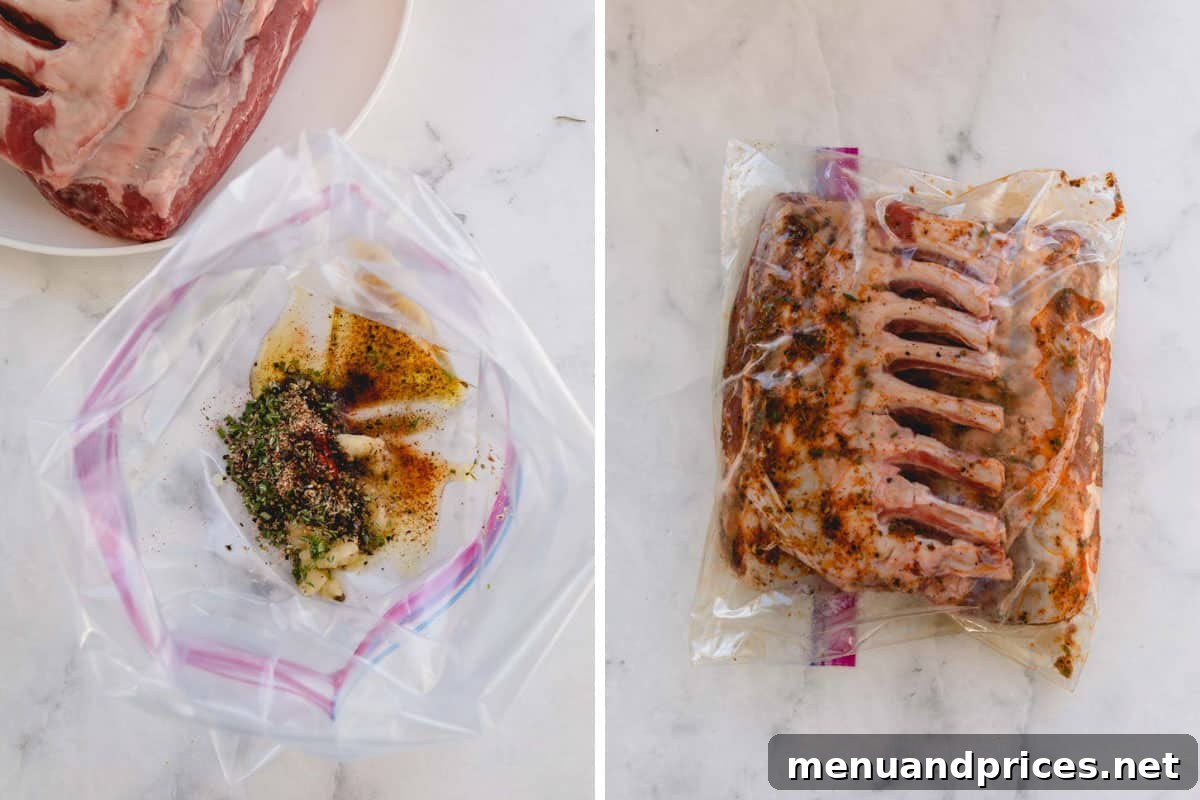
2. Roast the Lamb Racks to Perfection
Achieving a perfectly cooked, juicy rack of lamb is all about precise temperature control and careful timing, leading to a tender interior and a beautifully crisp exterior.
- Preheat your oven to 375 degrees Fahrenheit (190 degrees Celsius). A properly preheated oven is absolutely vital for consistent roasting and achieving that initial crust.
- Line a sturdy baking sheet with aluminum foil for exceptionally easy cleanup. Place the marinated lamb racks, fat-side up, directly onto the lined baking sheet. Ensure there’s enough space between the racks for optimal air circulation, which promotes even cooking and browning.
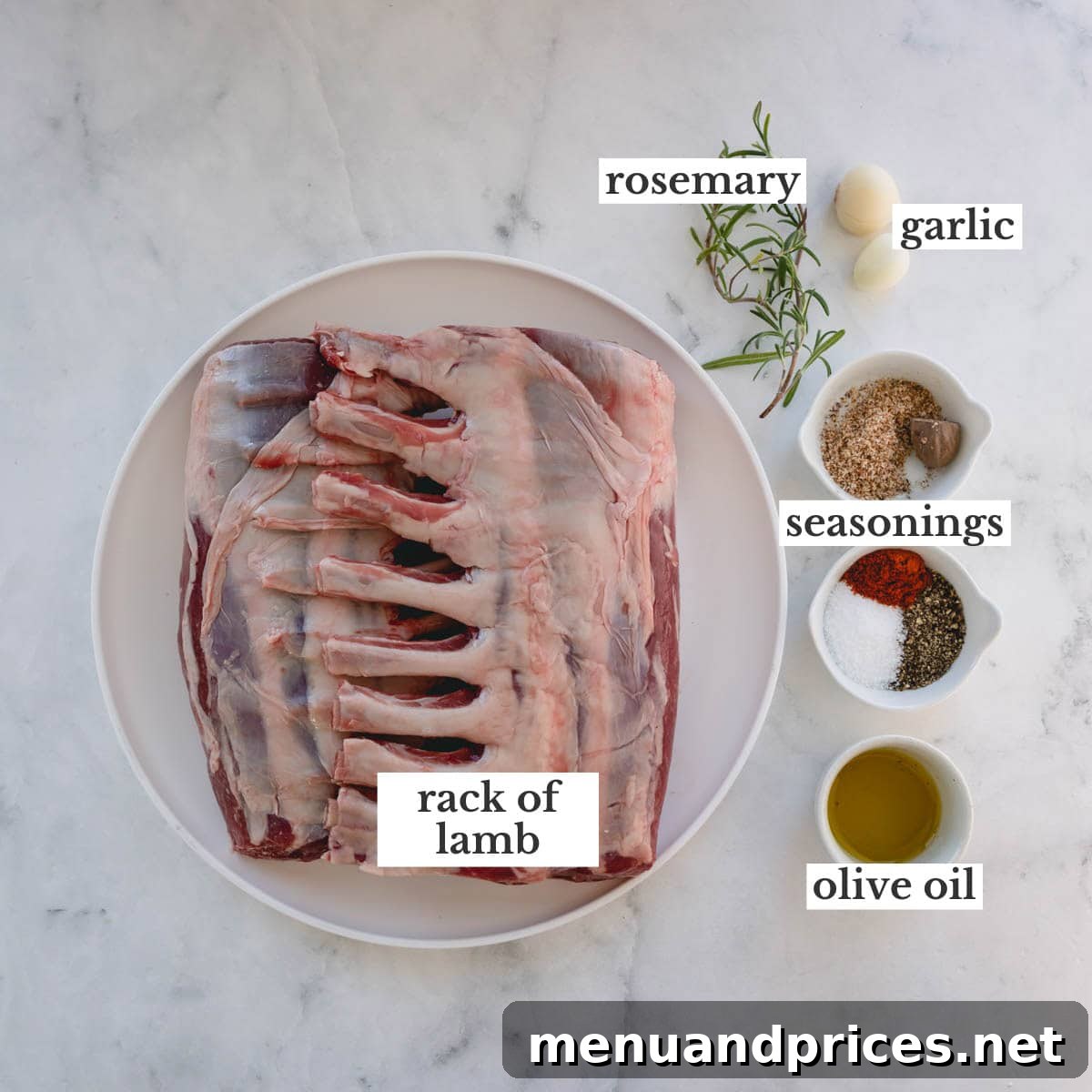
- Roast for approximately 20 to 30 minutes. The exact cooking time will depend on the thickness of your lamb racks and your personal preference for doneness. For a beautiful medium-rare, aim for an internal temperature of 130 to 140 degrees Fahrenheit (54-60 degrees Celsius). This temperature should be measured with a reliable meat thermometer inserted into the thickest part of the meat, being careful to avoid touching any bone, which can give a false reading. Remember that the temperature will continue to rise by a few degrees as the meat rests outside the oven.
- For a perfectly caramelized and slightly charred crust – that highly sought-after exterior crispness – carefully transfer the baking sheet to the broiler for 2 to 3 minutes during the final stage of cooking. It is paramount to keep a close eye on it, as broilers can cook very quickly, and you want to prevent the delicate lamb from burning.
- Once roasted to your desired doneness, carefully remove the lamb from the oven. Tent it loosely with aluminum foil and allow it to rest for at least 5 minutes, and ideally up to 10-15 minutes, before carving. This resting period is absolutely critical as it allows the muscle fibers to relax and the flavorful juices to redistribute throughout the meat, ensuring every slice is incredibly tender, moist, and succulent.
- Finally, slice into individual chops by cutting cleanly between the bones and serve immediately. Enjoy your culinary masterpiece!
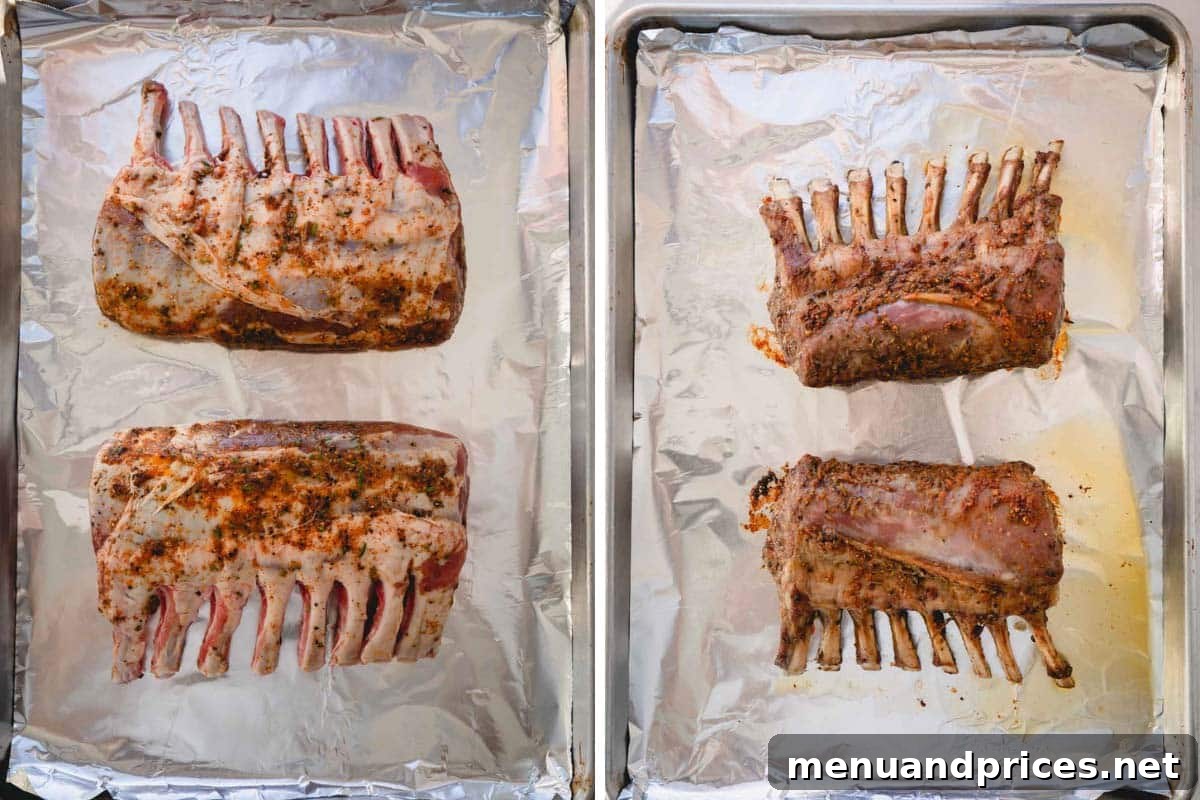
Pro Tips for a Flawless Rack of Lamb Every Time
While this recipe is designed to be straightforward and accessible, incorporating a few expert tips can elevate your roasted rack of lamb from simply great to truly unforgettable and restaurant-quality:
- Portion Control for Guests: When planning for a dinner party, a good general rule of thumb is to count on at least 3 lamb chops per person. For a more generous serving, especially if the lamb racks are on the smaller side or if lamb is the sole protein, planning for 4 chops per person is advisable. This recipe, for example, considers 4 chops as a single serving to ensure ample portions and satisfied guests.
- Achieving the Ideal Doneness: Roasted rack of lamb is universally considered best when enjoyed rare or medium-rare. This level of doneness results in a vibrant reddish-pink center that signifies its peak juiciness, tenderness, and delicate flavor. A crucial tool for success is a reliable instant-read meat thermometer. Always insert it into the thickest part of the meat, being careful to avoid touching any bone, as bones conduct heat differently and can give a false reading.
- Understanding Carryover Cooking: It’s vital to remember that meat continues to cook even after it’s removed from the oven. This scientific phenomenon, known as “carryover cooking” or “residual cooking,” means the internal temperature will continue to rise by several degrees during the resting period. To account for this, always pull the lamb out of the oven a few degrees below your target final temperature.
- The Art of Resting Meat: This step is absolutely non-negotiable for achieving truly tender, juicy lamb. Allowing the meat to rest for at least 5 to 15 minutes before slicing gives the muscle fibers a crucial chance to relax and reabsorb all the flavorful juices that have migrated to the center during cooking. Skipping this step will result in those precious juices running out onto your cutting board, leaving the meat drier and less flavorful.
- Leveraging Your Butcher’s Expertise with Frenching: If your rack of lamb isn’t already frenched, do not hesitate to ask your butcher or the knowledgeable attendant at the meat counter to perform this task for you. Most butchers are more than happy to do so, and it makes a significant difference in both the elegant presentation and the cooking consistency of the chops.
- Avoid Overcooking at All Costs: Lamb is a delicate meat and is at its best when cooked to rare or medium-rare. Overcooking lamb will quickly render it tough, dry, and chewy, diminishing its delicate flavor and luxurious texture. Use your meat thermometer as your guide:
- For Rare: Aim for an internal temperature of 125-130°F (52-54°C).
- For Medium-Rare: Aim for an internal temperature of 130-135°F (54-57°C). This is often considered the ideal.
- For Medium: Aim for an internal temperature of 135-140°F (57-60°C).
- We generally do not recommend cooking lamb past medium for optimal flavor and texture.
- Trussing for Even Cooking: For lamb racks that might have varying thickness, especially if one end appears noticeably thinner than the other, you can lightly truss the rack with kitchen twine. This technique helps to hold the meat together and promotes more even cooking across the entire length of the rack, ensuring all chops are cooked to a similar desired doneness.
- Carving for Presentation: Once the lamb has rested sufficiently, place the rack on a cutting board with the bone-side facing up. Using a very sharp carving knife, slice cleanly between each rib bone to separate the individual chops. This yields beautiful, uniform portions perfect for serving your guests.
Storing and Reheating Leftovers
Should you be fortunate enough to have any leftover roasted rack of lamb, here’s how to properly store and reheat it to maintain its quality, tenderness, and delicious flavor:
- Proper Storage: Store any leftover lamb chops in an airtight container. This is crucial for preventing moisture loss and maintaining freshness. Place the container in the refrigerator, where the lamb will keep well for up to 3 days.
- Reheating in the Oven (Recommended): For the best results, especially for preserving the lamb’s tenderness and preventing it from drying out, reheating in the oven is highly preferred. Place the lamb chops on a sheet pan with a small amount of broth or water (about 1-2 tablespoons) at the bottom. Tent the pan loosely with aluminum foil to trap moisture and heat. Warm in a preheated 300°F (150°C) oven until just heated through, typically 10-15 minutes, depending on the size and number of chops.
- Reheating in the Microwave (Use with Caution): While less ideal for maintaining optimal tenderness and texture, you can reheat lamb in the microwave if time is a concern. Use short bursts of power (30-60 seconds at a time) until the lamb is just warmed through. Be extremely careful not to overcook, as microwaving can quickly and easily make the meat tough and rubbery.
Frequently Asked Questions About Roasting Rack of Lamb
Typically, one rack of lamb contains eight individual chops. This usually makes it suitable for serving approximately 2 to 3 people as a main course, depending on appetites and the accompanying side dishes. However, for a more generous serving or when entertaining, I often plan for four chops per person to ensure everyone gets a hearty and satisfying portion. If you’re serving several substantial appetizers or other rich side dishes, three chops per person might be perfectly sufficient.
While some traditional recipes advocate for searing lamb in a hot pan before roasting to create a crust, it is not strictly necessary for this particular method and often adds an extra, messy step to your cooking process. Our approach involves roasting the lamb at a moderate temperature until it reaches perfect internal doneness, then finishing it under a hot broiler for just a few minutes. This two-stage process effectively caramelizes the exterior and creates a beautiful, flavorful crust without the need to dirty a separate skillet, simplifying cleanup.
For this recipe, we employ a two-step temperature strategy for optimal results. We begin by roasting the lamb at 375 degrees Fahrenheit (190 degrees Celsius) to achieve a perfectly juicy and tender interior. Once the desired internal temperature is nearly reached (a few degrees below your target doneness), we briefly move the lamb under a hot broiler for 2-3 minutes. This final step is crucial for developing a beautiful, golden-brown, and flavorful caramelized crust on the exterior.
“Frenching” is a culinary technique referring to the meticulous trimming of the rib bones of a rack of lamb (or other meats like pork or veal). This process involves removing all meat, fat, and connective tissue from the ends of the bones, leaving them exposed and clean. This creates a more elegant and refined presentation, resembling a “handle” on each chop. Additionally, it helps to ensure more even cooking of the meat portion by removing thinner, more prone-to-burning edges. Most professional butchers can perform this service for you upon request.
While fresh rosemary is highly recommended for its potent aroma, vibrant flavor, and ideal texture in the marinade, you can substitute dried rosemary if fresh is unavailable. As a general guideline for converting herbs, use about one-third the amount of dried herbs compared to fresh. So, for the 2 sprigs of fresh rosemary called for in this recipe (which yields roughly 1-2 teaspoons when finely chopped), you would use approximately ½ to ¾ teaspoon of dried rosemary. Be sure to gently crush dried rosemary lightly in your palm before adding it to the marinade; this helps to release its essential oils and maximize its flavor contribution.
The Best Sides to Serve with Roasted Lamb
A beautifully roasted rack of lamb deserves equally delightful and complementary accompaniments. Here are some of our favorite side dishes that perfectly enhance its rich flavor and complete your gourmet meal:
- Creamy Roasted Garlic Mashed Potatoes: A timeless and incredibly satisfying classic pairing that’s always a crowd-pleaser, offering a comforting contrast to the lamb.
- Indulgent Cheesy Scalloped Potatoes: Layers of thinly sliced potatoes baked in a rich, creamy, and cheesy sauce make for a truly decadent side.
- Warm Quinoa Brussels Sprouts Salad: A lighter, yet incredibly flavorful and nutrient-dense option, offering a delightful texture contrast and earthy notes.
- Steamed Asparagus with Lemon Butter: Simple, elegant, and vibrant green asparagus spears lightly tossed in lemon butter provide a fresh, slightly tangy balance to the richness of the lamb.
- Glazed Carrots with Honey and Thyme: Sweet and tender glazed carrots add a touch of natural sweetness, beautiful color, and an earthy aroma to your plate.
- Mint Sauce or Chutney: A traditional British accompaniment, a fresh mint sauce or a sweet-savory mint chutney cuts through the richness of the lamb beautifully, offering a refreshing counterpoint.
Recipe Card: How to Roast a Perfect Rack of Lamb
Roasted Rack of Lamb with Garlic and Rosemary
By Shinee Davaakhuu
This impressive and effortless main course features a roasted rack of lamb beautifully infused with garlic and rosemary. It’s quick, easy to prepare, yet elegant enough for any holiday table or special dinner, promising tender, juicy perfection.
Prep Time: 5 mins
Cook Time: 25 mins
Marinating Time: 1 hr (up to overnight)
Total Time: 1 hr 30 mins
Yields: 4 servings
Ingredients
- 2 lbs frenched rack of lambs (approximately 2 racks with about 8 ribs each – See Note 1 below for selection tips)
- 1 teaspoon table salt
- 1 teaspoon ground black pepper
- 1 teaspoon ground nutmeg (See Note 2 below for best flavor)
- ½ teaspoon cayenne pepper (See Note 3 below for alternative)
- 4 garlic cloves, minced
- 2 tablespoons olive oil
- 2 rosemary sprigs, finely chopped
Instructions
- In a large resealable bag (or a shallow bowl), combine the salt, black pepper, nutmeg, cayenne pepper, minced rosemary, minced garlic, and olive oil. Mix thoroughly to create a paste.
- Add the frenched lamb racks to the bag.
- Squeeze out any excess air from the bag and seal it securely. Gently massage the bag to ensure the olive oil, garlic, and all other spices are evenly distributed over the lamb.
- Marinate the lamb in the refrigerator for at least one hour, or preferably overnight, for deeper flavor. Before roasting, allow the lamb to come to room temperature for about 30 minutes.
- Preheat your oven to 375°F (190°C).
- Line a baking sheet with aluminum foil for easy cleanup. Place the lamb racks, fat side up, on the prepared baking sheet.
- Roast for 20-30 minutes, or until the internal temperature reaches 130-140°F (54-60°C) for medium-rare doneness. Use a reliable meat thermometer inserted into the thickest part of the meat, avoiding the bone.
- For a beautifully charred and crispy crust, briefly broil the lamb for 2-3 minutes at the very end of cooking. Watch carefully to prevent burning.
- Remove the lamb from the oven, tent it loosely with foil, and let it rest for about 5-15 minutes before carving and serving. This allows the juices to redistribute, ensuring maximum tenderness and juiciness.
Tips & Notes
Note 1: Selecting Your Lamb Rack: Always look for a rack of lamb that has a vibrant, healthy pinkish-red color. A dark red hue can indicate older meat, which may be less tender. Ensure the racks are “frenched” – meaning the bones are trimmed clean for an elegant presentation and more consistent cooking.
Note 2: Fresh Nutmeg for Optimal Flavor: Nutmeg rapidly loses its potency once ground. For the most aromatic and flavorful result, I highly recommend grating whole nutmeg just before adding it to your marinade.
Note 3: Adjusting Spice Level: Cayenne pepper provides a subtle, pleasant kick to the lamb’s crust. If you prefer no heat or a different flavor profile, you can easily substitute it with an equal amount of smoked paprika for a lovely reddish color and a mild smoky taste without the spiciness.
Storing & Reheating Leftover Lamb:
- Store any leftover roasted lamb chops in an airtight container in the refrigerator for up to 3 days.
- To reheat, place the lamb on a sheet pan with a small amount of broth or water, tent with foil, and warm in a 300°F (150°C) oven until just heated through (approx. 10-15 minutes) to maintain tenderness.
- If using a microwave, reheat in short bursts until just warm to avoid making the meat tough and dry.
Nutrition Facts (Approximate Per Serving)
- Calories: 687 kcal
- Carbohydrates: 2 g
- Protein: 24 g
- Fat: 64 g
- Sugar: 1 g
- Sodium: 675 mg
(Nutritional information is an estimate and may vary based on specific ingredients and preparation.)
Course: Main Course
Cuisine: American
This recipe was originally published on January 28th, 2014, and has been thoughtfully updated and expanded for clarity, enhanced detail, and an improved user experience, ensuring you can master this classic dish with confidence.