
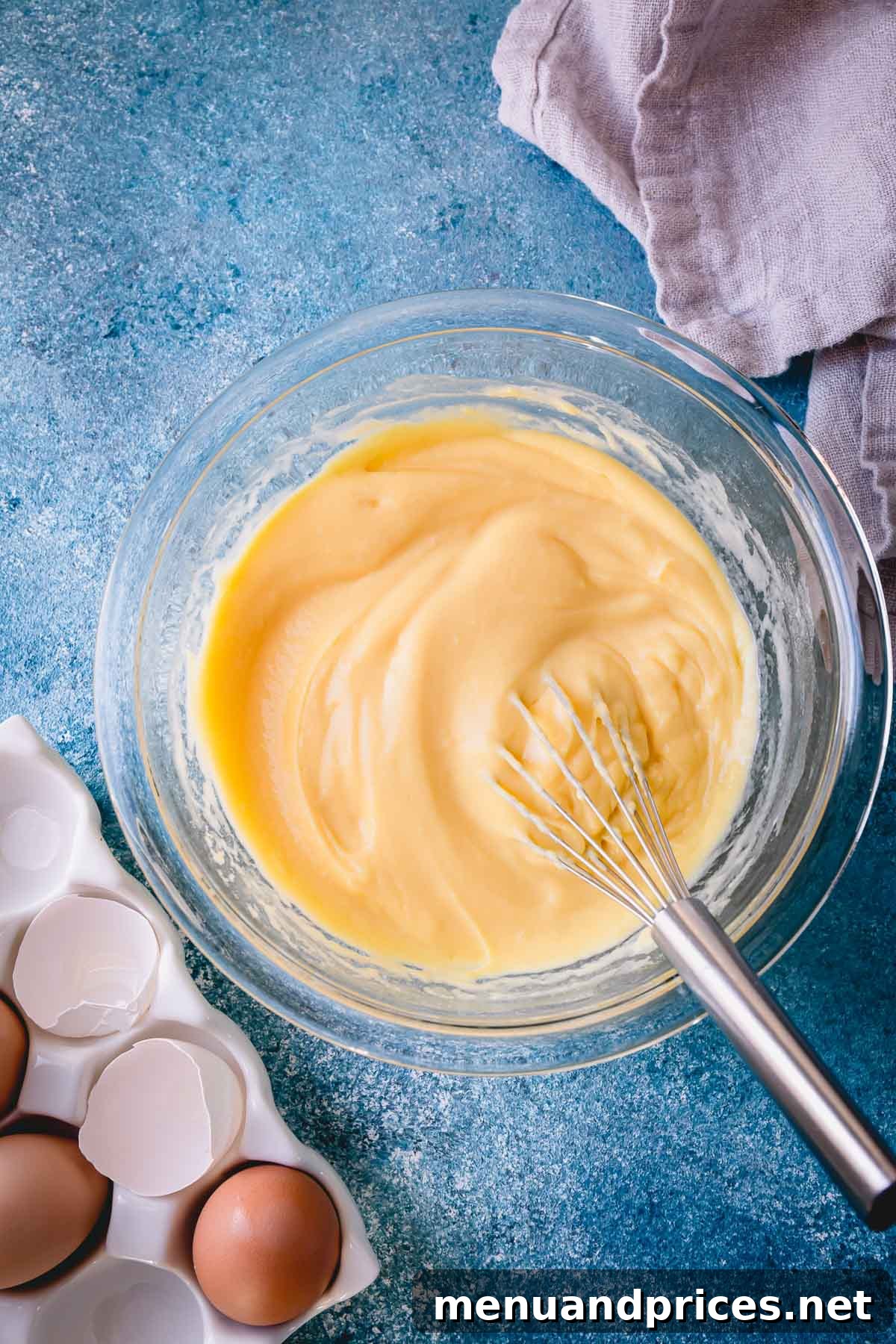
Embark on a culinary journey to create the silkiest, most luscious **pastry cream** (also known as **crème pâtissière**). This complete guide will walk you through every step to achieve a luxuriously smooth custard filling, perfect for a wide variety of pastries, cakes, and tarts. Elevate your homemade desserts with this fundamental yet incredibly versatile component of classic patisserie.
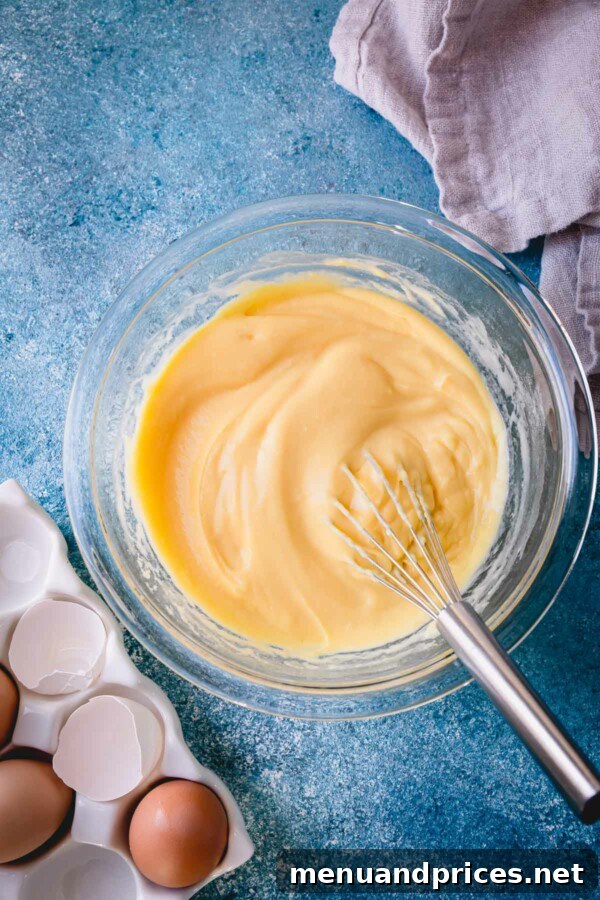
What is Pastry Cream (Crème Pâtissière)?
**Pastry cream**, or **crème pâtissière** in French, is a foundational custard filling renowned for its rich flavor and velvety smooth texture. It’s a staple in French bakeries and home kitchens alike, forming the heart of countless desserts. Unlike simpler custards, pastry cream is typically thickened with a combination of egg yolks and a starch (like flour or cornstarch), which gives it exceptional stability and a luscious, pipeable consistency when chilled. This allows it to hold its shape beautifully, making it an ideal filling for delicate pastries without being too runny or too stiff.
Its origins are deeply rooted in classical French cuisine, where it became indispensable for enriching pastries like eclairs, fruit tarts, cream puffs, and various cakes. The beauty of pastry cream lies in its balance of sweetness, creamy richness from the egg yolks and milk, and the aromatic depth imparted by vanilla. It’s a versatile canvas that can be flavored with citrus zest, chocolate, coffee, or liqueurs to create endless dessert possibilities.
Is Pastry Cream the Same as Custard?
Yes, **pastry cream is indeed a type of custard**. The term “custard” broadly refers to a culinary preparation based on cooked milk or cream, thickened with egg yolk. Pastry cream fits this definition perfectly. However, what sets pastry cream apart from a basic custard is its specific use of a starch (flour or cornstarch) in addition to egg yolks as a thickening agent. This combination provides extra stability, preventing the custard from curdling easily and allowing it to be cooked to a thicker consistency that can be piped and hold its shape, which is crucial for pastry applications.
What’s the Difference Between Custard and Pudding?
While the terms “custard” and “pudding” are often used interchangeably in casual conversation, especially in American English, there’s a key technical difference in the culinary world. The primary distinction lies in their main thickening agents:
- Custard: Typically thickened primarily with egg yolks (or whole eggs). The coagulation of egg proteins upon heating gives custards their characteristic texture. Examples include crème brûlée, flan, and, of course, pastry cream.
- Pudding: Usually thickened primarily with starch (such as cornstarch or flour), and often does not contain eggs, or contains very few compared to a custard. The starch gelatinizes upon heating, creating a thicker, smoother consistency. Think of classic chocolate or vanilla puddings. Some puddings may contain a small amount of egg for added richness, but starch remains the dominant thickener.
Pastry cream, as mentioned, expertly bridges this gap by using both eggs and starch, achieving a unique stability and richness that makes it superior for filling pastries. Its egg-rich base ensures a luxurious flavor, while the starch provides the necessary structure.
Key Ingredient Notes for Perfect Pastry Cream:
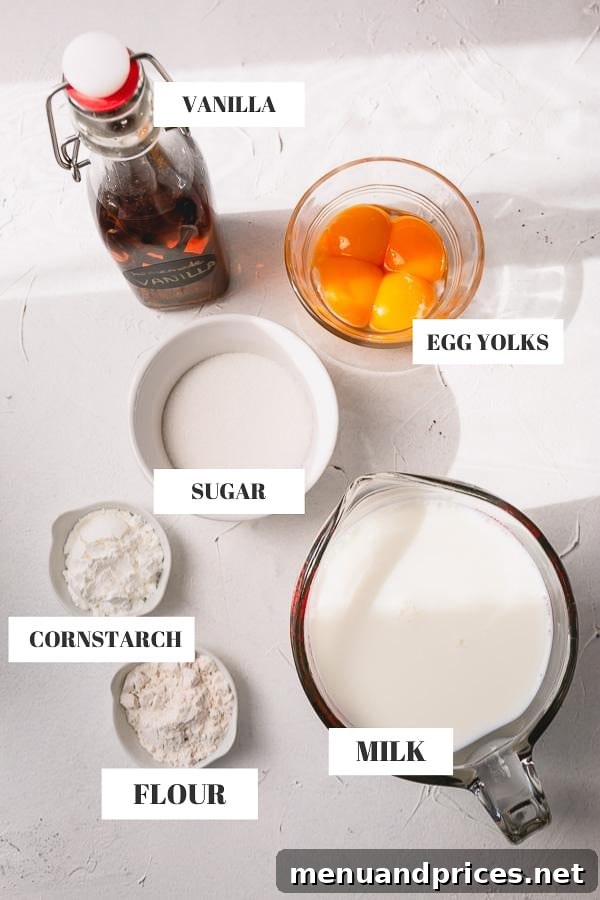
Crafting the perfect pastry cream starts with understanding the role of each ingredient. Here’s a breakdown to ensure you get the best results every time:
- Milk – The base of your pastry cream. For the richest and most decadent flavor, whole milk is highly recommended due to its higher fat content. However, you can certainly use 2% milk, or even non-dairy alternatives like almond milk or oat milk, though these might result in a slightly less rich texture. Scalding the milk helps infuse flavor and ensures proper cooking.
- Egg Yolks – These are the stars, providing richness, color, and a significant portion of the thickening. Always use fresh, large egg yolks for the best flavor and emulsification. The fat in the yolks contributes to the smooth mouthfeel and prevents a rubbery texture.
- Granulated Sugar – Sweetens the cream and helps tenderize the egg yolks, preventing them from scrambling. It also contributes to the smooth texture and lovely sheen of the finished pastry cream. Don’t reduce the sugar too much, as it plays a structural role.
- All-Purpose Flour – Used as a crucial thickening agent alongside cornstarch. Flour provides a stable thickness and a silky texture that holds up well. For a gluten-free version, you can omit the flour entirely and compensate by increasing the cornstarch by 1 tablespoon.
- Cornstarch – Another vital thickening agent. Cornstarch activates at a specific temperature (around 203°F or 95°C) and provides a clean, glossy finish. Using it in combination with flour offers a reliable “extra insurance” against thinning, especially if the cream is over-stirred or cooled incorrectly.
- Vanilla – The classic flavoring for pastry cream. You have several options:
- Vanilla Bean: For the most intense and authentic flavor, scrape the seeds from half a vanilla bean and infuse both the seeds and pod into the milk.
- Vanilla Paste: A convenient alternative that offers specks of vanilla bean and robust flavor.
- Pure Vanilla Extract: The most common choice, add it after the cream has cooked and slightly cooled to preserve its delicate aroma.
Why Use Both Flour AND Cornstarch Together in Pastry Cream?
This is a common question, and the answer lies in achieving optimal texture and stability for your pastry cream. While both flour and cornstarch are effective thickening agents, they behave slightly differently:
- Cornstarch provides a very clear, glossy, and smooth finish. It activates and thickens at around 203°F (95°C) but can lose some of its thickening power if over-stirred or heated for too long after reaching its peak thickness. It’s excellent for initial thickening and a luxurious mouthfeel.
- All-purpose flour, on the other hand, offers a more robust and stable thickening. It’s less prone to breaking down under prolonged stirring or heating. While it might yield a slightly less transparent finish than pure cornstarch, its stability is invaluable.
By using a combination of both, you get the best of both worlds: the immediate, elegant thickening of cornstarch and the sustained stability and insurance from flour. This powerful duo ensures your pastry cream remains perfectly thick and smooth, even when subjected to chilling, whisking, or piping, making it resistant to weeping or becoming too thin. It’s a professional chef’s trick for foolproof results.
How to Make This Classic Pastry Cream Recipe: Step-by-Step Guide
Making a classic pastry cream is a rewarding process that requires your full attention for about 10-15 minutes of active cooking. Follow these steps carefully for a smooth, rich, and perfectly set crème pâtissière.
1. Gently Heat the Milk and Infuse Vanilla:
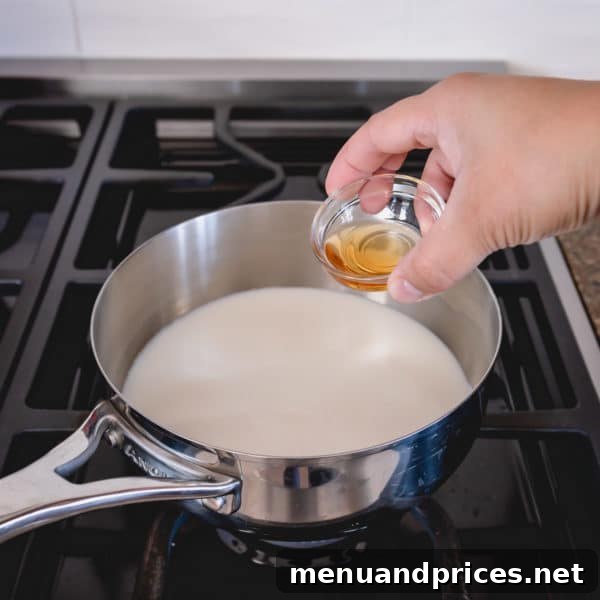
In a medium-sized, heavy-bottomed saucepan, combine the milk and your chosen vanilla flavoring (vanilla extract, vanilla paste, or vanilla bean). If using a vanilla bean, split it lengthwise, scrape out the fragrant seeds, and add both the seeds and the empty pod to the milk. Bring the mixture to a gentle boil over medium heat, stirring occasionally to prevent scorching. Just as it reaches a boil, remove it from the heat. This step both warms the milk and infuses it with a deep vanilla aroma.
2. Prepare the Egg Yolk Mixture:
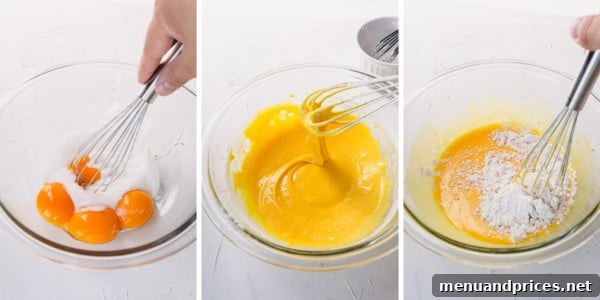
While the milk is heating, in a separate medium-sized bowl, whisk the egg yolks with the granulated sugar until the mixture becomes smooth, thick, and a pale yellow color. This usually takes about 2-3 minutes of vigorous whisking. The sugar helps to “cook” the egg yolks slightly and prevents them from forming lumps. Next, sift in the all-purpose flour and cornstarch. Whisk these dry ingredients thoroughly into the egg yolk mixture until no lumps remain, creating a smooth, thick paste. This paste is called a “roux” or “slurry” in some contexts, and it’s essential for a lump-free pastry cream.
3. Temper the Egg Yolk Mixture:
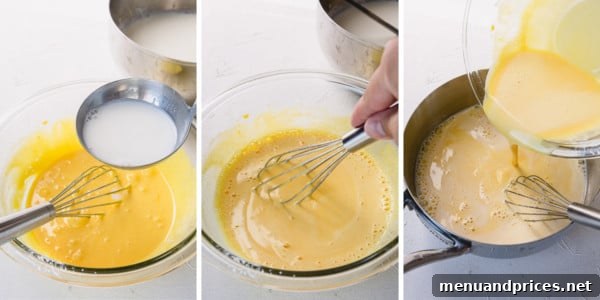
This is a crucial step to prevent your eggs from scrambling when they meet the hot milk. Slowly scoop about ½ cup of the hot, vanilla-infused milk into the egg yolk mixture while continuously whisking vigorously. The gradual addition of hot liquid slowly raises the temperature of the egg yolks, preventing thermal shock. Continue whisking until fully combined and smooth. This process, known as tempering, ensures a beautifully smooth custard without any unwelcome scrambled egg bits.
Pro Tip: Stability While Tempering
To keep your bowl steady and prevent it from sliding around on your countertop while you pour hot milk with one hand and whisk with the other, place a damp towel or a non-slip mat underneath the bowl with the egg yolk mixture. This simple trick provides excellent stability, making the tempering process much easier and safer.
4. Cook the Custard to Perfection:
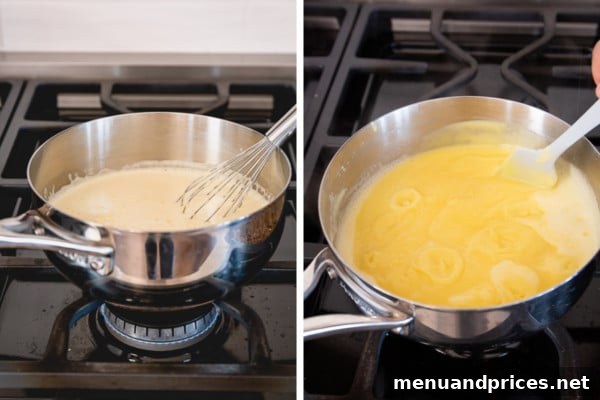
Pour the tempered egg mixture back into the saucepan with the remaining hot milk. Place the saucepan over medium heat and begin to cook, stirring constantly and vigorously with a whisk. Pay attention to the bottom and corners of the pan, where thickening can happen quickly. At first, the mixture might look a little lumpy or curdled – don’t panic! This is normal as the starches begin to activate and thicken. Continue whisking; the lumps will smooth out as the cream cooks and emulsifies. Cook for approximately 5-7 minutes, until the mixture visibly thickens, comes to a boil (you’ll see large bubbles bursting on the surface), and coats the back of a spoon. Once it reaches a boil, cook for an additional 1 minute while still stirring to ensure the starches are fully cooked and no raw flour taste remains. Remove immediately from heat.
Troubleshooting Tip: Lumpy Custard
As mentioned, it’s entirely normal for the custard to appear slightly lumpy or curdled in the initial stages of cooking. This happens as the cornstarch and flour begin to activate and thicken unevenly. The key is patience and continuous, vigorous whisking. Keep whisking, and the mixture will miraculously smooth out into a glossy, thick cream. If, for any reason, your finished pastry cream has a few small lumps, simply push it through a fine-mesh sieve after cooking (as described in the next step) for an impeccably smooth result.
5. Chill for Setting and Smoothness:
For the ultimate smooth texture, immediately pour the hot pastry cream through a fine-mesh sieve into a clean bowl. This step catches any potential small lumps or cooked vanilla bean pieces, ensuring a truly silken finish. Cover the surface of the pastry cream directly with plastic wrap (the wrap should be touching the entire surface of the cream) to prevent a “skin” from forming. Refrigerate for at least 2 hours, or until thoroughly chilled and firm. Chilling is essential not only for setting the cream but also for allowing the flavors to meld and deepen.
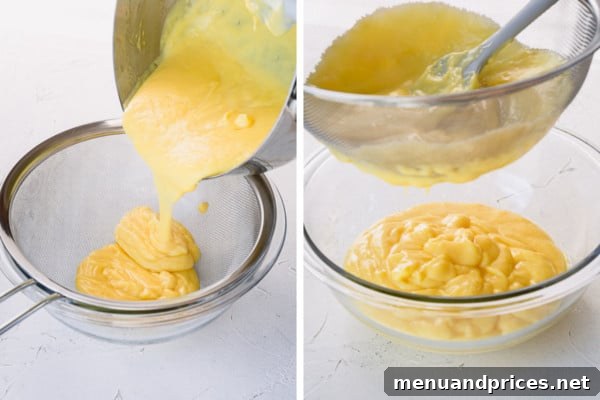
Extra Smoothness Trick
Even if you whisked diligently, a quick pass through a fine-mesh sieve is your secret weapon for the most impeccably smooth and professional-grade pastry cream. Don’t skip this step for truly luxurious results.
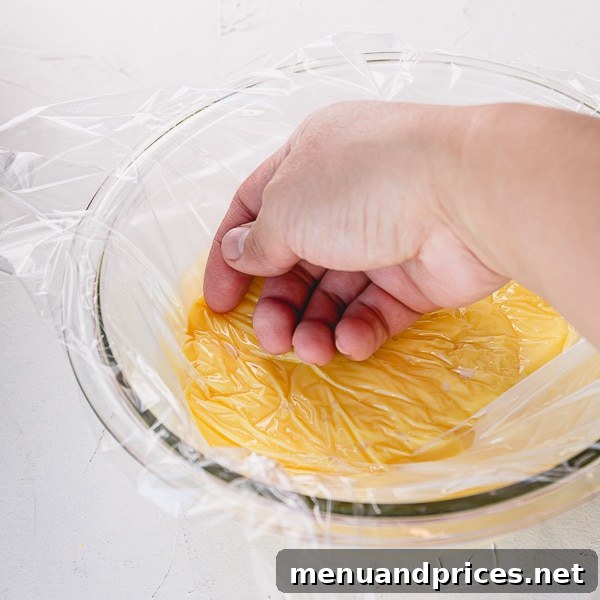
How to Properly Cover Custard for Chilling:
To prevent an unsightly and unpleasant “skin” from forming on the surface of your pastry cream as it cools and chills, it’s essential to cover it correctly. Press a piece of plastic wrap directly onto the entire surface of the cream, ensuring there are no air pockets between the cream and the wrap. This creates a barrier that locks in moisture and keeps the top perfectly smooth. Once covered, refrigerate until firm.
My Chilled Pastry Cream is Too Thick or Lumpy! What to Do?
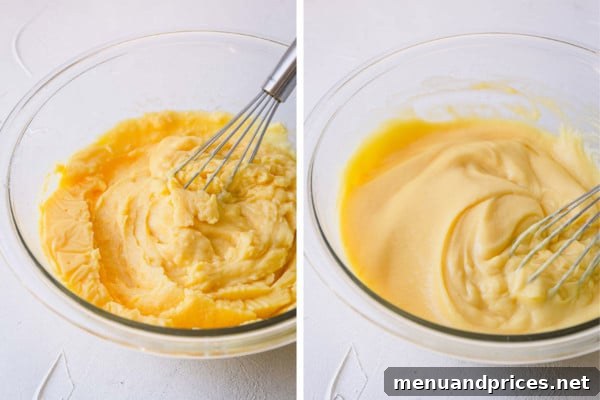
Don’t be alarmed if, after chilling, your pastry cream appears very stiff, thick, or even slightly lumpy. This is completely normal! The starches and fats firm up considerably in the cold. Before using, simply give it a vigorous whisk with a balloon whisk or beat it with an electric mixer on low speed for 1-2 minutes until it returns to its gloriously smooth, creamy, and pipeable consistency. It will become perfectly smooth and luscious again, ready for filling your favorite treats.
Elevate Your Dessert: Introducing Crème Diplomat
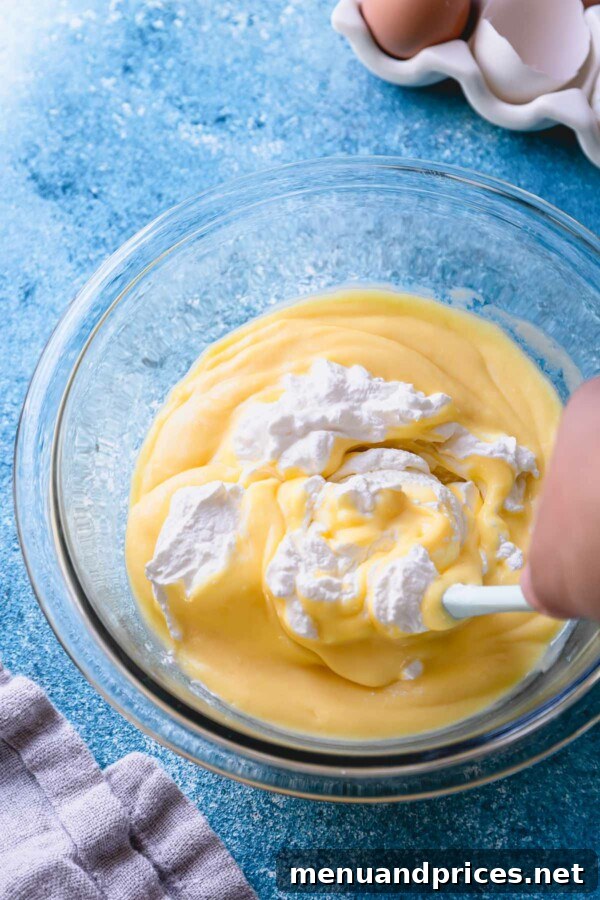
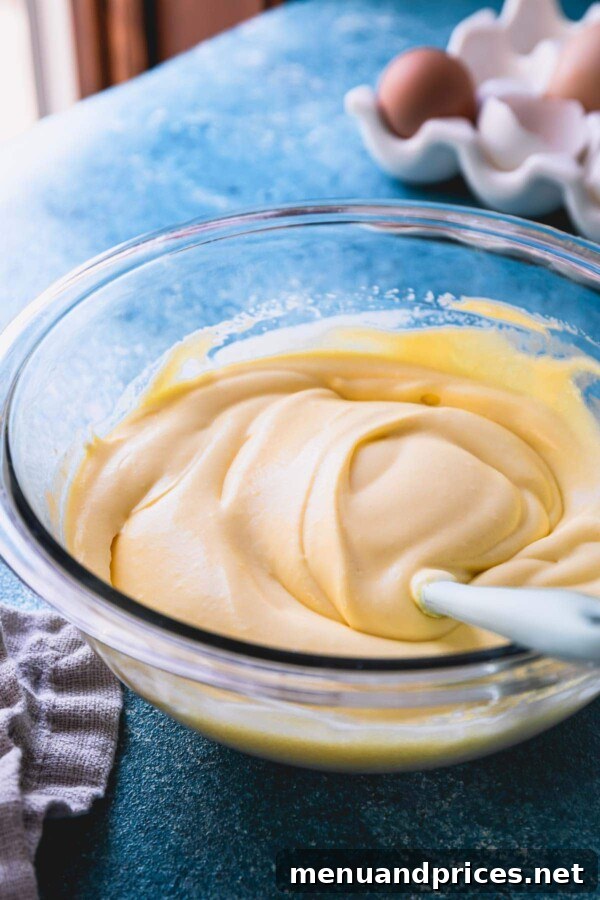
If you’re looking to take your pastry cream to the next level of lightness and airiness, meet **Crème Diplomat**. This exquisite variation is created by gently folding freshly whipped cream into cooled, whisked pastry cream. The addition of whipped cream transforms the rich, dense pastry cream into an incredibly light, fluffy, and silky filling that is less sweet and intensely decadent. It offers a beautiful balance of richness and delicate texture that melts in your mouth.
Crème Diplomat is my personal favorite for many desserts, especially for filling delicate pastries where a lighter touch is desired. It’s absolutely divine when used in classic chocolate eclairs, cream puffs, or as a luscious layer in trifles and fruit parfaits. The process is simple: once your pastry cream is thoroughly chilled and whisked smooth, gently fold in an equal volume of stiff-peak whipped cream until just combined. Be careful not to overmix, as this can deflate the air from the whipped cream.
Make-Ahead and Storage Tips for Pastry Cream:
One of the many advantages of classic pastry cream is its suitability for making ahead, which is a huge time-saver when preparing elaborate desserts. Properly stored, pastry cream can be made up to 3 days in advance. Always keep it refrigerated in an airtight container.
As emphasized earlier, ensure you press plastic wrap directly onto the entire surface of the custard. This contact barrier is essential to prevent the formation of an unappetizing “skin” and to protect the cream from absorbing refrigerator odors. When you’re ready to use it, simply give it a good whisk or beat it on low speed in a stand mixer for a minute or two to restore its smooth, creamy consistency.
Freezing pastry cream is generally not recommended as the texture can become grainy or watery upon thawing due to the breakdown of starches and emulsion. It’s best enjoyed fresh within a few days of preparation.
Delightful Uses for Crème Pâtissière:
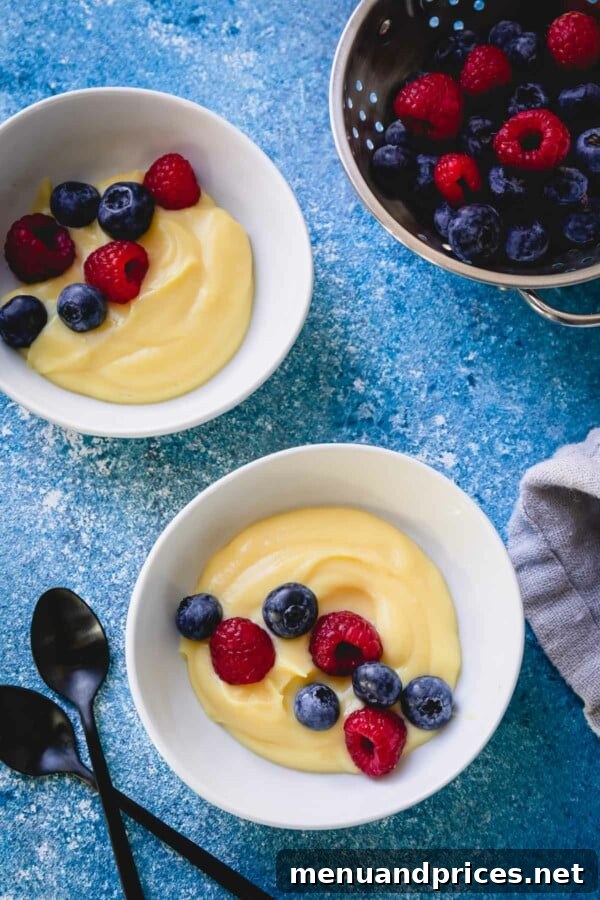
As mentioned, vanilla pastry cream is incredibly versatile and serves as the perfect base for an array of sweet applications. Its rich flavor and stable texture make it a favorite among bakers and dessert enthusiasts. Here are my top favorite ways to utilize this classic crème pâtissière, transforming simple ingredients into extraordinary treats:
From elegant patisserie to comforting home bakes, you’ll find endless opportunities to incorporate this exquisite custard:
- Classic Eclairs & Cream Puffs: The quintessential filling for choux pastry, providing a creamy contrast to the crisp shell. Try filling classic eclairs for a truly authentic French experience.
- Fruit Tarts: A smooth layer of pastry cream acts as a delicious bed for fresh seasonal fruits, often glazed for a beautiful shine. It prevents the tart shell from getting soggy and adds a delightful richness.
- Banana Cream Pie: Essential for making a rich, creamy homemade banana cream pie, layering beautifully with sliced bananas and whipped cream.
- Donuts & Berliners: Injecting warm, fluffy donuts with vanilla pastry cream creates a surprise burst of creamy sweetness.
- Mille-feuille (Napoleon): Layers of crisp puff pastry alternated with smooth crème pâtissière create this iconic, textural French dessert.
- Trifles & Parfaits: Use it as a luxurious layer in trifles with cake, fruit, and whipped cream, or in elegant parfaits for a sophisticated dessert.
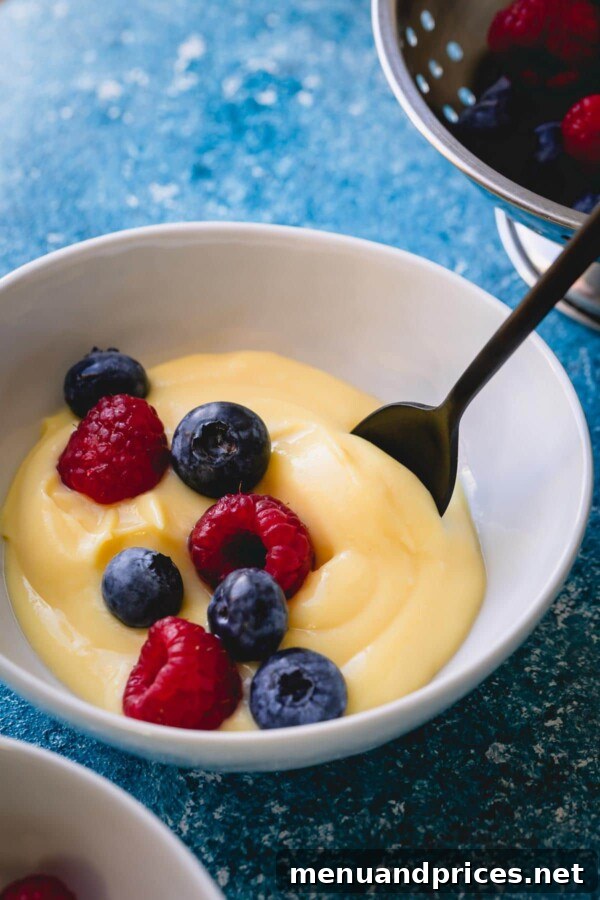
- Simple Spoonfuls with Fresh Fruit: Arguably the best way to enjoy it – a generous dollop of pastry cream alongside fresh berries, sliced peaches, or roasted figs. Pure bliss!
Video Tutorial: Watch How to Make Classic Pastry Cream!
How to Make a Classic Pastry Cream (Crème Pâtissière)
Shinee Davaakhuu
5 minutes
10 minutes
2 hours
2 hours
15 minutes
12
servings
Saved Recipe
Pin Recipe
Comment
Print Recipe
Ingredients
-
2 cups
(500g) milk
Note 1 -
1 teaspoon
vanilla extract
Note 2 -
4
egg yolks -
1/3 cup
(70g) granulated sugar -
2 tablespoons
all-purpose flour
Note 3 -
2 tablespoons
cornstarch -
1/2 cup
heavy whipping cream
optional, for Crème Diplomat
Instructions
-
In a medium saucepan, bring milk and vanilla extract (or vanilla bean/paste) to a gentle boil over medium heat, stirring occasionally. Once it boils, turn the heat off.
-
Meanwhile, in a separate bowl, whisk egg yolks with granulated sugar until smooth, thick, and pale yellow (about 2-3 minutes). Then, stir in the all-purpose flour and cornstarch until a smooth paste forms.
-
To temper the egg yolk mixture, slowly add about ½ cup of the hot milk into the egg yolk mixture while whisking vigorously and continuously. (TIP: Place a damp towel under the bowl with the egg yolk mixture to prevent it from sliding around while you whisk and pour.)
-
Now, add the tempered egg mixture back into the saucepan with the remaining hot milk. Cook over medium heat, stirring constantly and vigorously with a whisk, until the mixture visibly thickens and comes to a full boil (large bubbles bursting on the surface, usually around 5-7 minutes). Continue to boil and stir for 1 minute more to ensure starches are fully cooked. Remove from heat immediately. (Note: It’s normal if the mixture looks curdled initially; keep whisking, and it will smooth out.)
-
For an extra smooth texture, immediately pour the hot pastry cream through a fine-mesh sieve into a clean bowl. Cover the surface directly with plastic wrap (the wrap should touch the cream) to prevent a skin from forming. Refrigerate for at least 2 hours, or until thoroughly chilled and firm. (TIP: Don’t be alarmed if your chilled pastry cream looks too thick or lumpy. Simply whisk it vigorously until smooth again before use.)
-
Optional Step (for Crème Diplomat): Once the pastry cream is thoroughly chilled and whisked smooth, whip the heavy whipping cream in a separate bowl until stiff peaks form. Gently fold the whipped cream into the chilled pastry cream until just combined. Use immediately.
⭐️ Did you make this recipe?
Please leave a review and let us know how you liked it!
Video
Tips & Notes
Note 1 (Milk Type): You can use any kind of milk for this recipe. Whole milk will yield the richest and creamiest result, but 2% milk or even non-dairy milk (like almond milk or oat milk) can be used for dietary preferences, though the texture may be slightly less rich.
Note 2 (Vanilla Options): For vanilla flavoring, you can choose between pure vanilla extract, vanilla bean paste, or a fresh vanilla bean. If using a vanilla bean, cut it lengthwise, scrape out the seeds, and add both the seeds and the empty pod to the milk as it heats for maximum flavor infusion. Remove the pod before straining.
Note 3 (Gluten-Free Option): For a gluten-free pastry cream, you can omit the all-purpose flour entirely. To maintain the correct consistency, increase the cornstarch by 1 tablespoon. For more details on why we use both flour and cornstarch, refer to the “Why Use Both Flour AND Cornstarch Together” section above in the post.
Storing Tip: Store prepared pastry cream in an airtight container in the refrigerator for up to 3 days. Always ensure the surface of the cream is covered directly with plastic wrap to prevent a skin from forming and to keep it fresh.
Nutrition
1 serving
110kcal
10g
3g
7g
8g
24mg
Dessert
American, French
Did you make this?
Leave a rating and your feedback. Thank you!
This post was originally published on May 25th, 2013, and has been updated with enhanced details, tips, and recipe instructions for optimal results.