
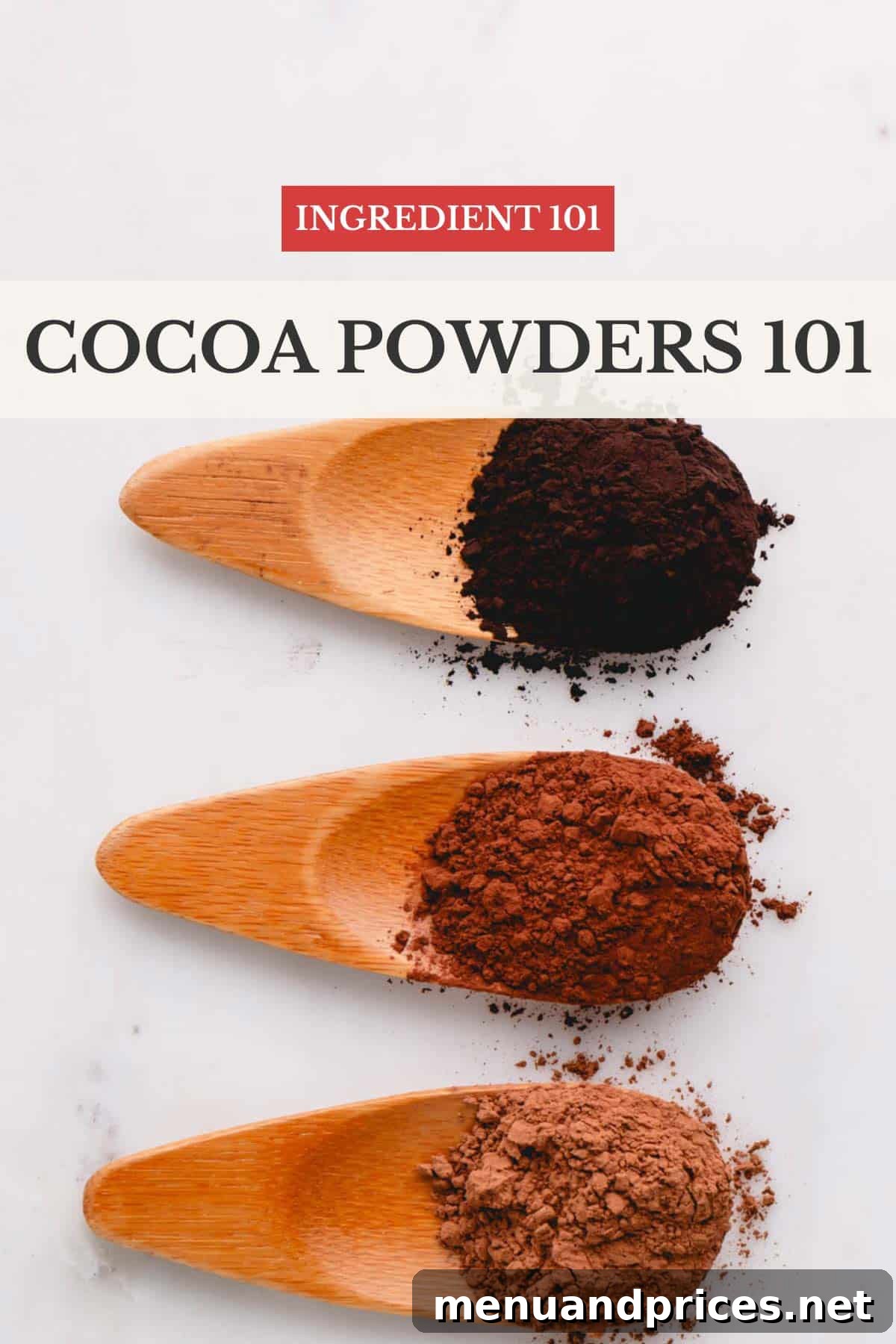
The Ultimate Guide to Cocoa Powder: Natural vs. Dutch Process and Beyond
Embark on a delicious journey into the world of cocoa powder! This comprehensive guide will teach you everything you need to know about the different types of cocoa powder, the critical distinctions between Dutch process and natural cocoa powder, and provide essential tips for selecting the perfect cocoa powder for all your baking and cooking endeavors. Mastering this foundational ingredient is key to unlocking truly exceptional chocolate flavor in your homemade treats.
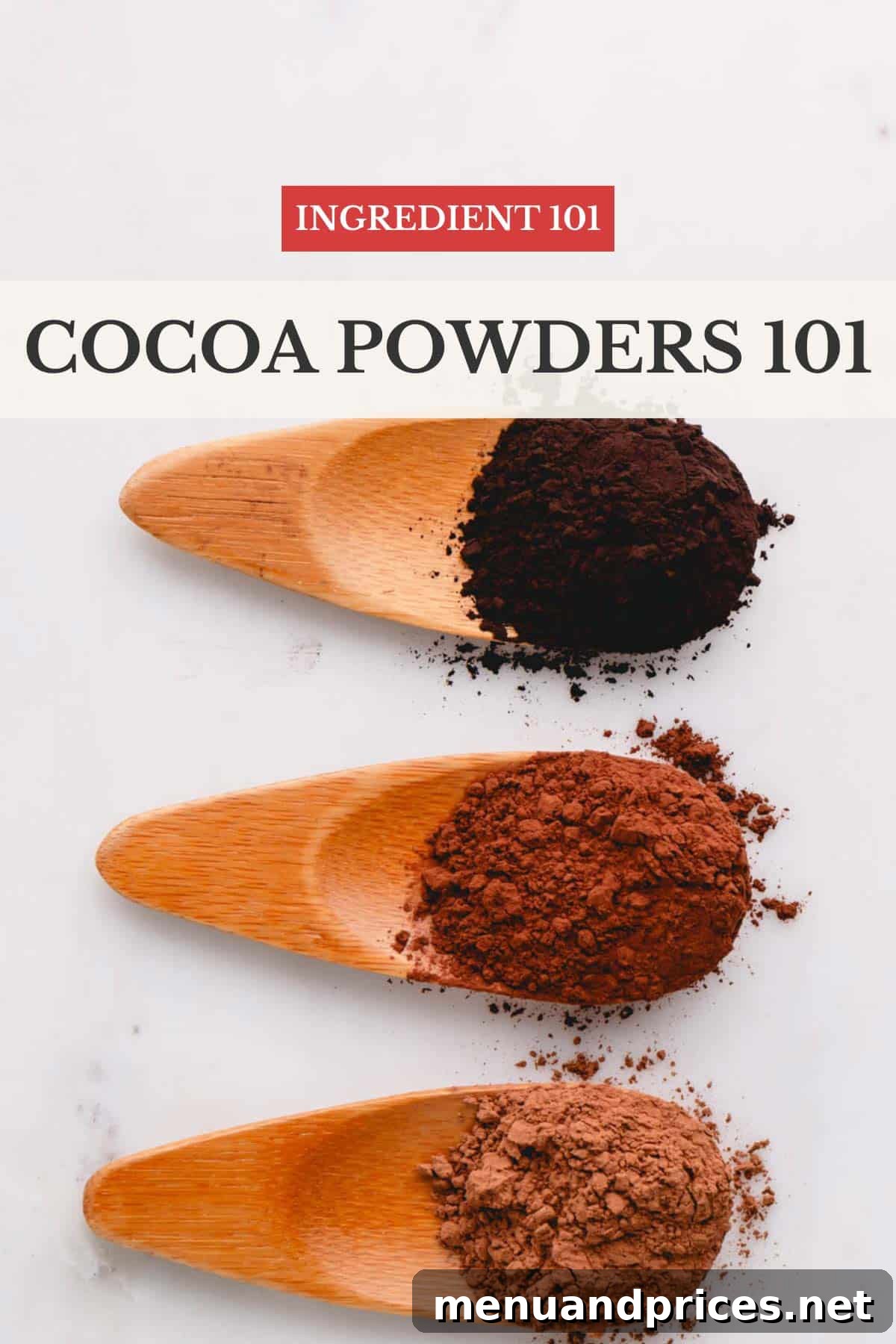
Why the Right Type of Cocoa Powder is Crucial for Baking Success
Cocoa powder is far more than just a brown dust; it’s an indispensable pantry staple that imparts a concentrated, deep fudgy flavor to nearly all your favorite chocolate desserts. Whether you’re whipping up gloriously rich brownie cookies, an indulgent chocolate roll cake, or a classic chocolate cake, that signature decadent flavor is simply unattainable without the proper use of cocoa powder.
However, navigating the various types of cocoa powder can feel like a complex puzzle. You might find yourself wondering if using Dutch process cocoa powder is truly essential, or if any cocoa powder from the back of the cabinet will do. The subtle differences between these cocoa powders might seem insignificant, but this couldn’t be further from the truth.
Wrong! The choice of cocoa powder can dramatically impact the outcome of your recipe, often making the difference between a culinary triumph and a disappointing flop. From flavor profile and color to the very texture and rise of your baked goods, the specific properties of each cocoa powder play a vital role. Continue reading for a comprehensive masterclass on the distinct types of cocoa powder and how to skillfully incorporate them into your next chocolate masterpiece.
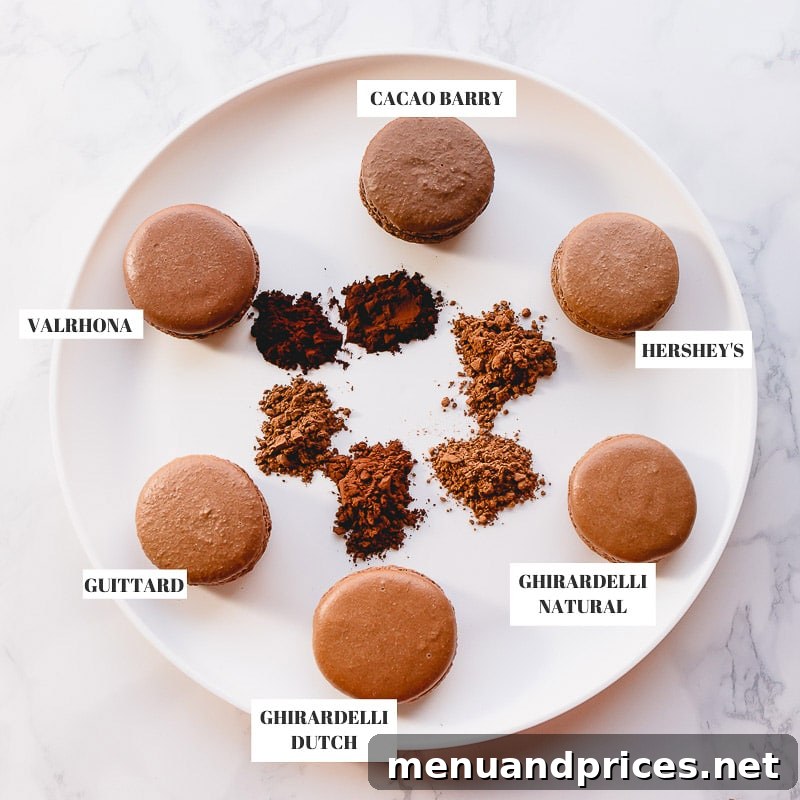
What Exactly is Cocoa Powder? The Journey from Bean to Bake
Before diving into the varieties, let’s understand what cocoa powder is at its core. Cocoa powder originates from the humble cacao bean, found within the pods of the Theobroma cacao tree. The journey from bean to the fine powder in your pantry is a fascinating one.
First, cacao beans are harvested, fermented, and then roasted. This roasting process develops their rich chocolate flavor. The roasted beans are then ground into a thick, liquid paste known as chocolate liquor (despite the name, it contains no alcohol). This chocolate liquor is essentially pure chocolate in its most fundamental form.
Next, the chocolate liquor undergoes a pressing process to separate its two main components: the fat and the solids. The fat is extracted to become cocoa butter, a vital ingredient in chocolate confectionery. The remaining dry solids are then dried further and finely ground into what we know as unsweetened cocoa powder. This concentrated powder delivers an intense chocolaty flavor to everything from cakes and cupcakes to delicate macarons and chewy cookies.
Natural vs. Dutch Process Cocoa Powder: The Fundamental Divide
The two most prevalent types of cocoa powder you’ll encounter in baking are natural cocoa powder (often simply labeled “cocoa powder”) and Dutch process cocoa powder. Understanding the key difference between them is paramount, as it directly impacts both the flavor of your baked goods and their texture and rise.
The defining characteristic lies in their acidity: natural cocoa powder is distinctly acidic, while Dutch process cocoa powder is neutral, having been treated to remove its acidity. These specific chemical properties are not just a matter of taste; they profoundly affect how cocoa powder interacts with other ingredients, especially leavening agents, making them non-interchangeable in many recipes.
For a deeper dive into the science behind how acidity and alkalinity interact with leavening, you might find this post on baking soda vs baking powder particularly insightful, as it lays the groundwork for understanding cocoa powder’s role.
Natural Cocoa Powder: Bright, Fruity, and Leavening’s Best Friend
Natural, or regular, cocoa powder is simply pure, unsweetened cocoa powder in its unaltered state. Here’s what sets it apart:
- Naturally Acidic: Its inherent acidity gives natural cocoa powder a sharp, often slightly fruity or bright chocolate flavor. This acidity also contributes to a lighter, reddish-brown color in baked goods.
- Leavening Partner: Because natural cocoa powder is an acid, it plays a crucial role in recipes that use baking soda as a leavening agent. Baking soda (sodium bicarbonate) is a base, and it requires an acid to activate and produce carbon dioxide gas, which makes baked goods rise. Without natural cocoa powder’s acidity, recipes relying on baking soda would fall flat. This is why you often see natural cocoa powder in classic American chocolate cakes and cookies.
- Common and Accessible: It’s the most common type of cocoa powder found in grocery stores, readily available from popular brands like Hershey’s (their regular unsweetened cocoa), Ghirardelli, and Scharffen Berger. If a recipe simply calls for “cocoa powder” without further specification, natural cocoa powder is typically the intended choice.
Dutch Process Cocoa Powder: Smooth, Mellow, and Deeply Colored
Dutch process cocoa powder, also known as alkalized cocoa, undergoes an additional step during processing. This technique, pioneered by Coenraad Johannes van Houten in the Netherlands (hence “Dutch process”), involves:
- Alkalization Process: Natural cocoa powder is washed with an alkalizing agent, typically potassium carbonate. This process neutralizes the natural acidity, resulting in a cocoa powder with a smooth, mellow, and less bitter flavor profile. It also gives Dutch process cocoa powder a significantly darker color, ranging from a rich reddish-brown to almost black.
- Reliance on Baking Powder: Since Dutch process cocoa powder is neutral (neither acid nor base), it cannot react with baking soda to create leavening. Therefore, recipes that call for Dutch process cocoa powder typically rely on baking powder as the primary leavening agent. Baking powder contains both an acid and a base and only needs liquid to activate, or liquid and heat for double-acting varieties, making it self-sufficient for rise.
- Distinctive Uses: Its darker color and milder flavor make it ideal for European-style desserts, ice creams, and any recipe where a deep, earthy chocolate flavor and rich color are desired without the sharpness of natural cocoa.
- Label Awareness: While widely available, you may need to look more closely at labels to ensure you’re purchasing the correct product. Many brands, including Hershey’s, sell Dutch process cocoa powder, often labeled as “Special Dark” or “European Style” cocoa powder.
Exploring Other Cocoa Powder Varieties
While natural and Dutch process are the most common, the world of cocoa powder offers a few other intriguing options, each with unique characteristics and applications.
Black Cocoa Powder: The Ultimate Dark Chocolate Experience
Black cocoa powder is an intensively Dutch processed cocoa powder, meaning it has been treated with a very high level of alkalizing agent. This extreme alkalization results in:
- Intense Darkness: It boasts an almost black color, making it perfect for achieving that iconic deep hue found in classic American sandwich cookies like Oreos.
- Bold, Earthy Flavor: Its flavor is undeniably intense and less bitter than natural cocoa, often described as very earthy and almost malty. However, this bold flavor can sometimes overpower other ingredients in a recipe if not used carefully.
- Specific Applications: Best used for recipes aiming for that super dark color and distinct flavor, such as homemade Oreo cookies, “blackout” cakes, or other intensely dark-colored baked goods. It typically requires baking powder for leavening.
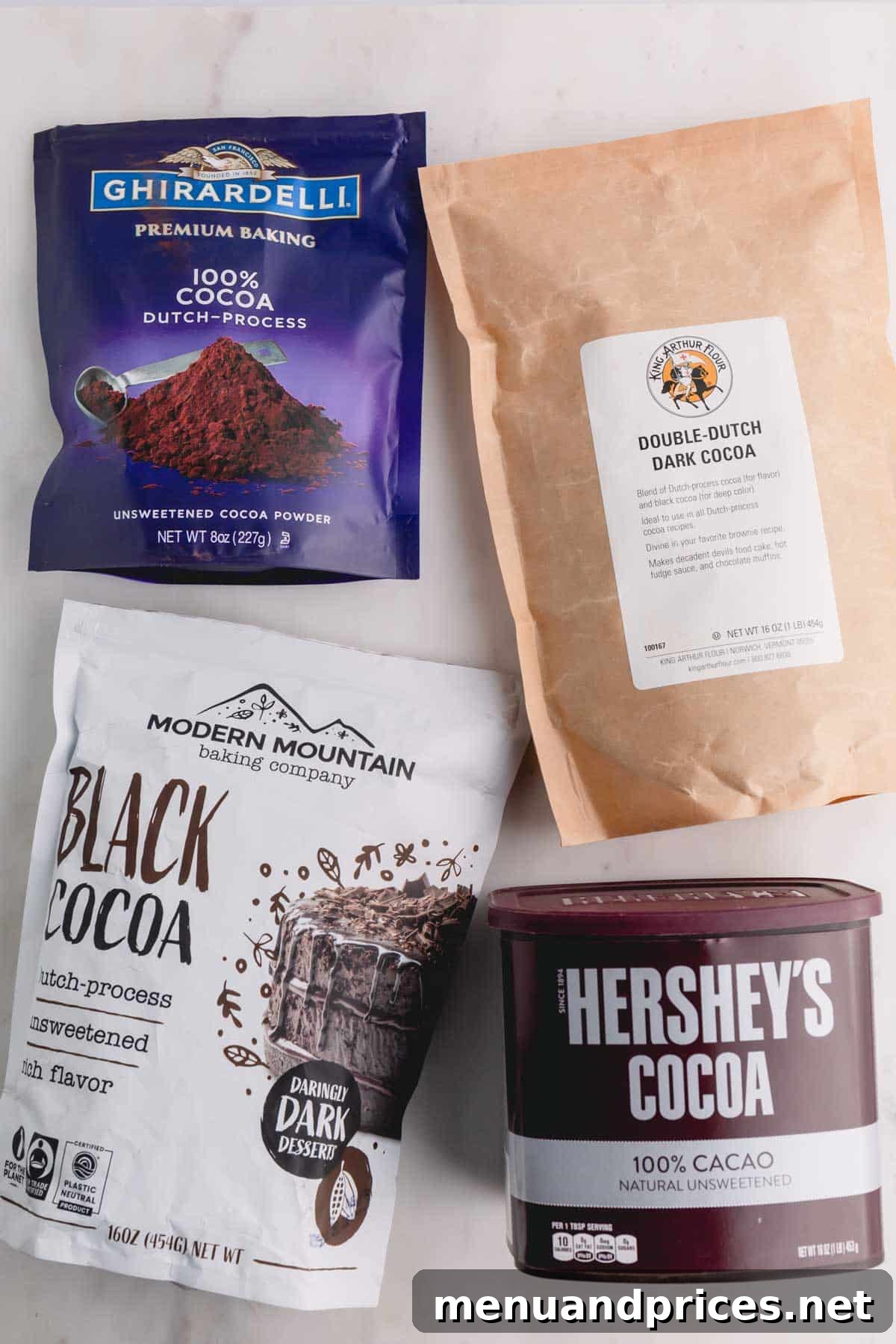
Red Cocoa Powder (Rouge Cocoa Powder)
- Intermediate Alkalization: Also known as rouge cocoa powder, red cocoa powder is a more alkalized version of standard Dutch process cocoa powder, but typically less intensely alkalized than black cocoa powder.
- Distinctive Hue: Its primary characteristic is its rich, reddish-brown color, which can add a beautiful visual depth to chocolate desserts, often employed in certain red velvet cake recipes.
Raw Cacao Powder: The Unprocessed “Superfood” Option
- Minimally Processed: Raw cacao powder is a less processed form of cocoa powder. The cacao beans are roasted at an extremely low temperature (or not at all, in some cases) to retain as many naturally occurring vitamins, minerals, and antioxidants as possible.
- Nutritional Powerhouse: After the beans are gently processed into a powder, they’re often marketed as a “superfood” and sold as a nutritional supplement.
- Flavor Profile: It tends to have a more bitter, less “chocolatey” flavor than roasted cocoa powder, with a noticeable earthy or grassy undertone, as the roasting process that develops classic chocolate flavor notes is minimized.
- Best Uses: Ideal for smoothies, raw desserts, and health-conscious recipes where retaining nutrients is a priority. It behaves much like natural cocoa powder in terms of acidity.
Hot Cocoa Mix: A Convenient, Sweetened Delight
- Not a Pure Cocoa Powder: While not a type of pure cocoa powder for baking, hot cocoa mix deserves an honorable mention. It’s a pre-sweetened and often pre-mixed product.
- Convenience and Composition: You can buy it pre-made from the grocery store, typically containing cocoa powder, powdered milk, and sugar, designed for quick beverage preparation. It’s not suitable as a substitute for unsweetened cocoa powder in baking due to the added sugar and other ingredients.
Mastering Your Bakes: Choosing the Right Cocoa Powder for Every Recipe
Making the correct choice of cocoa powder can dramatically improve your baking results. Here are essential tips to guide you:
- The Leavening Agent Rule is Key:
- If your recipe explicitly calls for baking soda as a leavening agent, you absolutely must use natural cocoa powder. The acidity of natural cocoa is essential to activate the baking soda and ensure your baked goods rise properly. Substituting Dutch process here will likely result in a dense, flat product.
- Conversely, Dutch process cocoa powder is the best choice for recipes that primarily use baking powder (or no chemical leavening at all). Since Dutch process cocoa is neutral, it won’t interfere with baking powder’s self-contained leavening action.
- When Leavening Isn’t an Issue: For recipes where cocoa powder is added purely for flavor and color, and leavening isn’t a concern, you have more flexibility.
- When making frostings, glazes, or fillings, like this chocolate mousse filling or chocolate cream cheese frosting, you can use any type of cocoa powder based on your desired flavor intensity and color.
- Similarly, if you’re making chocolate sauce, hot cocoa, or any recipe that doesn’t call for baking powder or baking soda, feel free to use whichever type of cocoa powder your heart (and taste buds) desires.
- Decoding Recipe Instructions: Most well-written recipes will specify what type of cocoa powder to use. However, if a recipe simply states “cocoa powder” without further clarification, it’s generally safest to assume natural cocoa powder is the intended option, especially in older American recipes.
- Achieving Intense Darkness: For specific results, like the signature deep color and flavor of homemade Oreo cookies or other intensely dark-colored baked goods, black cocoa powder is your go-to ingredient. Just be mindful of its strong flavor.
- Substitution Caveats:
- You can generally substitute natural cocoa powder for Dutch process cocoa if the recipe relies on baking powder, though the color and flavor will be lighter and brighter.
- Never substitute Dutch process for natural cocoa powder in recipes calling for baking soda, as your baked goods will not rise.
- If a recipe calls for natural cocoa and baking soda, and you only have Dutch process, you might be able to *carefully* adjust by adding a small amount of an acid (like cream of tartar or lemon juice) to react with the baking soda, but this is a more advanced technique.
Frequently Asked Questions About Cocoa Powder
How should I store cocoa powder to keep it fresh?
To maximize the shelf life and freshness of all types of cocoa powder, it’s best to store it in an airtight container. Keep the container in a cool, dark, and dry environment, such as a pantry or cabinet. Avoid storing cocoa powder in the refrigerator, as humidity can cause it to clump, absorb odors, and potentially spoil more quickly. When stored properly, cocoa powder can remain fresh and potent for up to two years, though it’s always best to check for any off-odors or changes in texture before use.
Can I substitute natural cocoa powder for Dutch process cocoa powder, or vice versa?
The ability to substitute depends critically on the leavening agents in the recipe. In most cases, it should be acceptable to substitute natural cocoa powder for Dutch process cocoa, particularly if the recipe relies on baking powder (which doesn’t need acid from the cocoa). However, be aware that your finished product will have a lighter color and a slightly brighter, fruitier chocolate flavor. Conversely, you should generally avoid substituting Dutch process cocoa powder for natural cocoa powder in recipes that use baking soda. Natural cocoa’s acidity is vital for baking soda to activate and provide rise; replacing it with neutral Dutch process cocoa will cause your baked goods to fall flat. For recipes without leavening (like frostings or sauces), substitution is fine and depends solely on your preferred flavor and color.
What is the best way to measure cocoa powder for accurate results?
Just like measuring flour, it’s crucial to measure cocoa powder accurately for consistent baking results. The recommended technique is the spoon and level method. Instead of scooping your measuring cup directly into the cocoa powder container (which can compact the powder and lead to over-measurement), use a spoon to gently scoop cocoa powder into your measuring cup until it’s overflowing. Then, use the straight edge of a knife or an off-set spatula to level off the top, ensuring an exact measurement. This method is much more likely to guarantee accurate results than simply scooping directly.
Is cocoa powder considered healthy?
Yes, unsweetened cocoa powder offers several health benefits! It’s rich in antioxidants, particularly flavonoids, which are linked to various health improvements, including heart health and reduced inflammation. It also contains minerals like iron, magnesium, and zinc. However, these benefits are most pronounced in minimally processed, unsweetened cocoa powder (like natural or raw cacao). The health benefits are often diminished in heavily processed or sweetened chocolate products.
Can I use unsweetened baking chocolate squares instead of cocoa powder?
While both are unsweetened chocolate products, they are not direct substitutes in equal measure due to their fat content. Unsweetened baking chocolate contains a significant amount of cocoa butter (around 50-55% fat), whereas cocoa powder has most of the fat removed (typically 10-22% fat, depending on processing). If a recipe calls for cocoa powder and you only have unsweetened chocolate, you’d generally need to adjust other fats (like butter or oil) in the recipe and possibly add a bit more flour to compensate for the different ratios. A common conversion is 1 ounce of unsweetened baking chocolate can be replaced by 3 tablespoons of cocoa powder plus 1 tablespoon of butter or shortening, but it’s always best to follow the recipe’s specific requirements if possible.
Delicious Recipes Featuring Cocoa Powder
Ready to put your newfound cocoa powder knowledge to the test? Explore these fantastic recipes that showcase the versatility and rich flavor of cocoa powder:
- Chocolate Macarons: Delicate and elegant, perfect for highlighting cocoa’s nuanced flavor.
- Ultimate Chocolate Cupcakes: A classic treat where the right cocoa powder makes all the difference in moistness and chocolate intensity.
- Chocolate Sugar Cookies: A delightful twist on a favorite, offering rich chocolate flavor.
- Chocolate Brownie Cookies: Fudgy and irresistible, these cookies benefit immensely from the proper cocoa selection.