
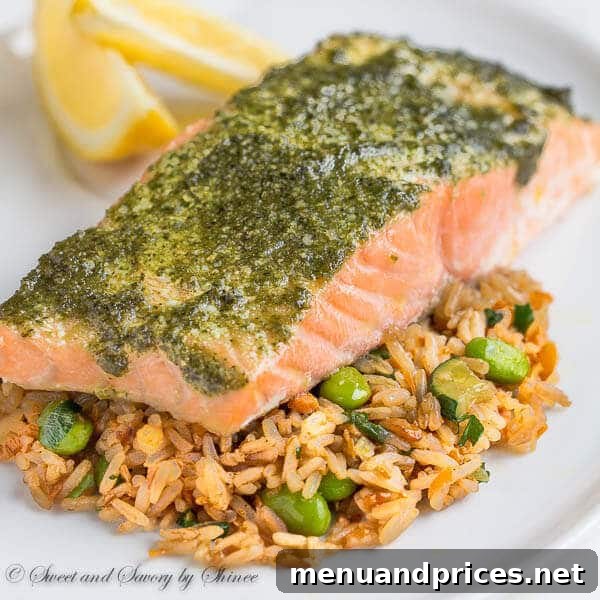
The Ultimate Guide to Perfectly Baked Salmon with Pesto: Tender, Juicy & Flavorful Every Time
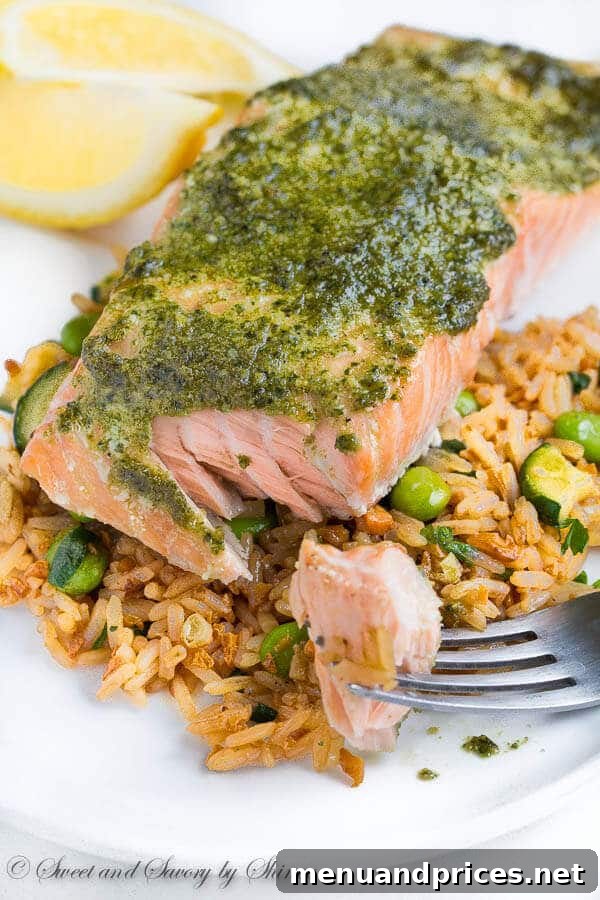
Imagine biting into a piece of salmon so tender it practically melts in your mouth, each flaky layer bursting with buttery richness and the aromatic freshness of pesto. This isn’t just a dream; it’s a reality achievable in your own kitchen, every single time. Forget dry, overcooked fish; this foolproof method guarantees delicately tender and unbelievably juicy baked salmon that will elevate your weeknight dinners and impress any guest.
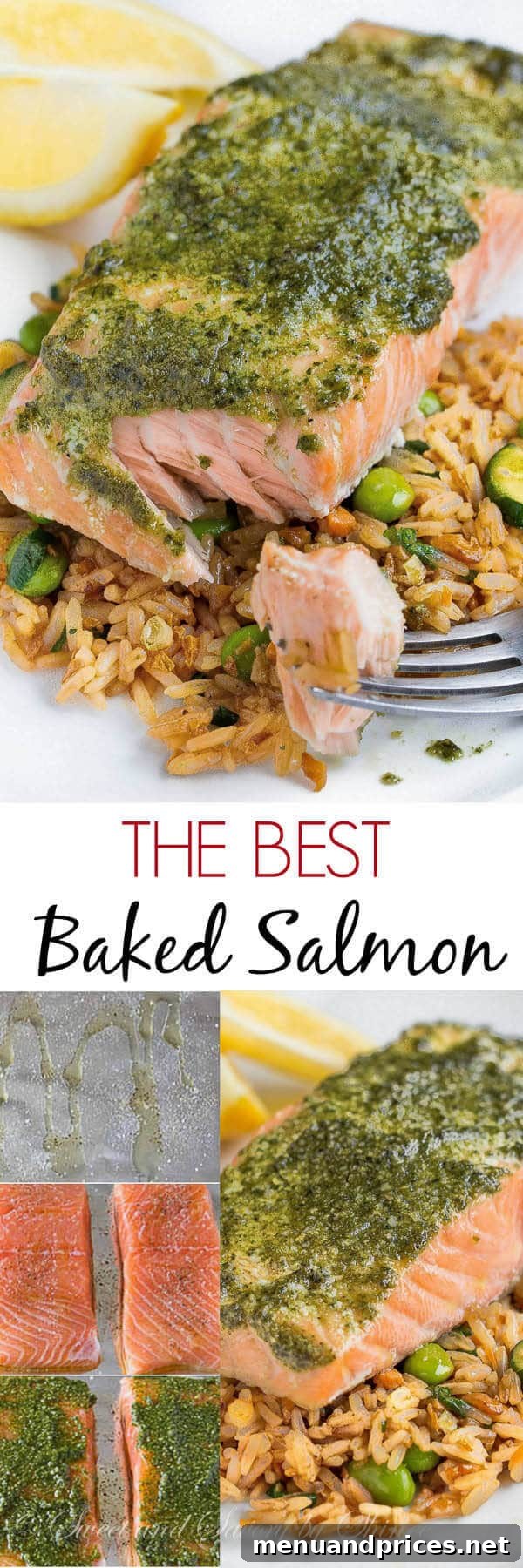
I am absolutely thrilled to share this technique with you today. While it might seem like a simple dish, the magic lies in the method, making it less of a complex “recipe” and more of a revolutionary approach to cooking salmon. It’s so straightforward, yet the results are profoundly delicious. You’ll wonder how you ever cooked salmon any other way!
The Secret Revealed: Low-Temperature Baking for Unmatched Tenderness
My journey to perfecting baked salmon began, as many of my culinary adventures do, with a Food Network show – “The Kitchen,” to be precise. I’ve always been captivated by the insights shared by professional chefs, and this particular episode introduced a concept that completely transformed my salmon cooking:
Instead of the high-heat baking I was accustomed to, Chef Geoffrey Zakarian advocated for baking salmon fillets at a very low temperature, around 250°F (120°C). His reasoning was compelling: this gentle heat prevents the fish from seizing up and drying out, ensuring it remains incredibly moist and tender. Crucially, it also avoids the dreaded white albumin (that “gross white stuff”) from oozing out, a clear sign of overcooked salmon.
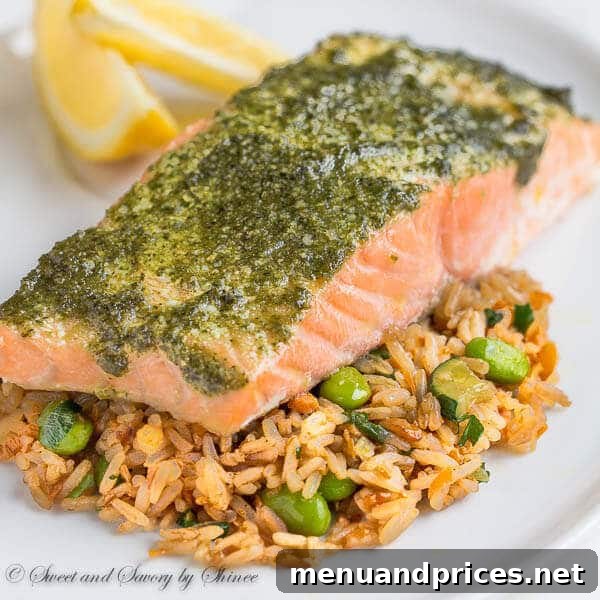
Intrigued, and being someone who tries to incorporate fish into my diet at least once a week, I had ample opportunity to put this theory to the test. My very first attempt with the recommended 250°F initially took longer than expected. I found myself extending the cooking time by 10-minute increments, then another, and another. My hunger eventually got the better of me, prompting a slight increase in heat for the final stretch.
Despite the initial extended wait, the outcome was undeniable: the salmon was buttery soft, remarkably juicy, and incredibly flavorful. The low and slow cooking process allowed the vibrant pesto sauce to deeply infuse into every fiber of the fish, creating an unparalleled taste experience. It was absolutely divine!
From Experimentation to Perfection: My Optimal Adjustments
Through my trials, I discovered that while the low-temperature principle is sound, the exact temperature and timing often need slight adjustments based on personal preference and the type of salmon. If you prefer your salmon on the rarer side, 15-20 minutes at 250°F might indeed suffice.
However, I prefer my salmon cooked to a perfect medium-well, with an internal temperature of about 130-140°F (54-60°C). This preference also stems from using previously frozen salmon, which is common and safer to consume when cooked thoroughly, especially if it’s not sushi-grade. After several delicious experiments, I found that 300°F (150°C) is the ideal “happy medium.” This temperature is low enough to retain moisture and prevent overcooking, yet high enough to cook the fillets efficiently without an eternal wait. It consistently yields perfectly tender, flaky salmon every single time.
Essential Tips for Your Best Baked Salmon
Beyond the temperature, a few other factors can significantly impact your baked salmon experience:
- Remove the Skin: Chef GZ’s second invaluable tip was to remove the skin before baking at low temperatures. While crispy salmon skin can be delightful (achievable through pan-frying, as I’ve shared in my steelhead trout recipe), low-heat baking leaves the skin soft and sometimes slimy. Removing it ensures a consistently pleasant texture throughout the fillet.
- Quality Pesto Matters: The pesto is a star here, infusing incredible flavor. Use a good quality store-bought pesto or, even better, homemade pesto for the freshest taste.
- Fillet Thickness: Salmon fillets vary in thickness. Thicker cuts will naturally require a longer cooking time. Always refer to an instant-read thermometer for accuracy to ensure your salmon reaches the desired internal temperature.
- Pat Dry: Before applying oil and seasonings, gently pat your salmon fillets dry with paper towels. This helps the seasonings adhere better and promotes a more even cook.
- Lemon is Key: A final drizzle of fresh lemon juice brightens all the flavors and adds a zesty finish that complements the richness of the salmon and pesto beautifully.
Serving Suggestions & Meal Prep Magic
This baked pesto salmon is the epitome of a quick and effortless weeknight dinner. Its simplicity allows it to pair beautifully with a variety of sides, making it a versatile addition to your meal rotation. Here are some ideas:
- Classic Pairings: Serve it alongside steamed or roasted vegetables like asparagus, broccoli, green beans, or a vibrant mixed greens salad for a light and healthy meal.
- Heartier Options: For a more substantial dinner, pair it with fluffy white rice, quinoa, couscous, or even a creamy mashed potato or sweet potato mash.
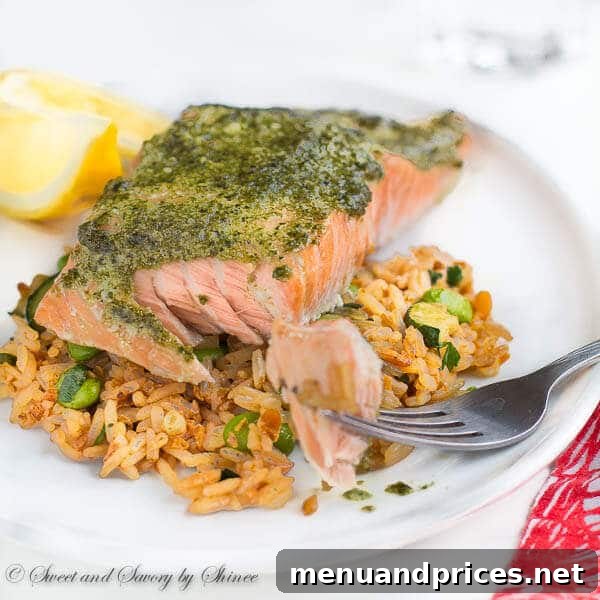
- Asian-Inspired: As you can see in some of my photos, it’s fantastic with fried rice. The contrasting flavors and textures create a delightful culinary fusion. (Keep an eye out for that fried rice recipe coming to the blog soon!)
- Low-Carb: Cauliflower rice or zucchini noodles make excellent low-carb accompaniments that absorb the delicious pan juices.
- Wine Pairing: A crisp Sauvignon Blanc, Pinot Grigio, or even a light-bodied Chardonnay would complement the flavors of the salmon and pesto wonderfully.
This recipe is also excellent for meal prepping. Cook a batch of fillets, and you’ll have delicious, healthy protein ready to go for salads, wraps, or light lunches throughout the week.
Why Salmon? The Health Benefits
Beyond its incredible taste and versatility, salmon is a nutritional powerhouse. It’s an excellent source of omega-3 fatty acids, which are crucial for heart health, brain function, and reducing inflammation. It’s also packed with high-quality protein, essential vitamins like B12 and D, and minerals such as selenium. Incorporating salmon regularly into your diet is a delicious way to support overall well-being.
This method truly simplifies cooking fish, turning what can sometimes be an intimidating task into an enjoyable and consistently rewarding experience. You’ll be amazed at how easily you can achieve such exquisite results. Give this baked pesto salmon a try, and prepare to add a new favorite to your recipe repertoire!
How to Bake Perfect Salmon with Pesto
Shinee Davaakhuu
Discover a foolproof method for exquisitely tender and juicy baked salmon every time! You’ll adore the melt-in-your-mouth buttery salmon layers, richly infused with a flavorful pesto sauce.
5 mins
20 mins
25 mins
3 servings
Ingredients
- 3 skinless salmon fillets
- 1 tablespoon olive oil
- ½ teaspoon salt
- ½ teaspoon ground black pepper
- 3 tablespoons pesto
- Lemon wedges for serving
Instructions
- Preheat your oven to 300°F (150°C).
- Line a baking sheet with aluminum foil for easy cleanup.
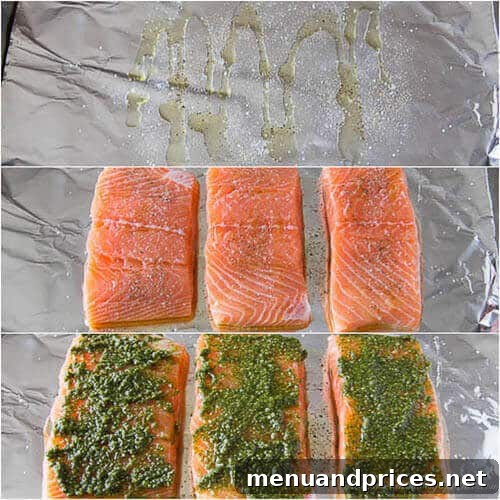
- Drizzle the olive oil generously over the prepared baking sheet. Evenly sprinkle half of the salt and pepper onto the oiled foil.
- Arrange the salmon fillets over the seasoned olive oil. Sprinkle the remaining salt and pepper over the top of the salmon.
- Spread 1 tablespoon of pesto evenly over the top of each salmon fillet.
- Bake for 15-20 minutes. Cooking time may vary based on the thickness of your fish. For best results, I recommend cooking the fillets until the internal temperature reaches around 135°F (57°C) for medium-well, or 145°F (63°C) for well-done. Use an instant-read thermometer for accuracy.
- Once cooked, remove from the oven. Drizzle fresh lemon juice over the salmon and serve immediately.
⭐️ Made this recipe? Please share your experience by leaving a review!
Tips & Notes
For detailed step-by-step photos and additional insights into perfecting this dish, please refer to the comprehensive post above.
Nutrition
- Calories:
- 342 kcal
- Carbohydrates:
- 1 g
- Protein:
- 34 g
- Fat:
- 21 g
- Sugar:
- 1 g
- Sodium:
- 603 mg
Main Course
American
Leave a rating and your feedback. Thank you!