
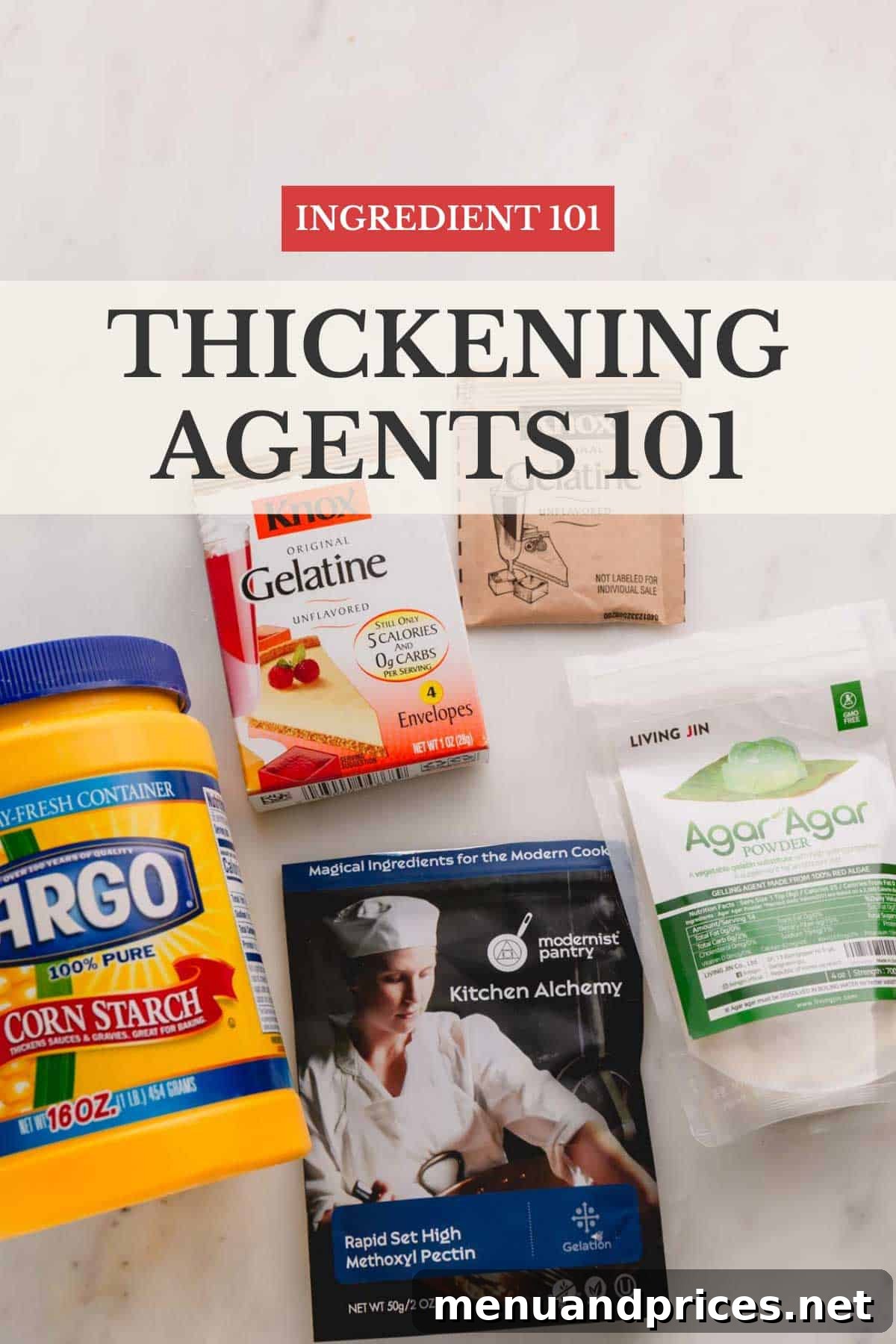
The Ultimate Guide to Thickening Agents: Elevate Your Culinary Creations
Dive into the fascinating world of thickening agents and transform your cooking and baking with perfectly textured dishes. From silky smooth sauces to wobbly jellies and luscious puddings, understanding these essential ingredients is key to culinary success. This comprehensive guide, Thickening Agents 101, covers everything you need to know about gelatin, pectin, cornstarch, tapioca starch, agar-agar, and more, empowering you to master their use in any recipe.
Pin this now to find it later!
Pin It
What are Thickening Agents?
In the culinary world, thickening agents are a diverse group of ingredients primarily used to increase the viscosity of liquid mixtures, transforming them into semi-solid or fully solid states. They are invaluable for altering the texture and mouthfeel of dishes without significantly impacting their original flavor. Whether you’re aiming for a rich, clingy sauce, a perfectly set jelly, or a creamy, stable mousse, a thickening agent is often the unsung hero behind the desired consistency.
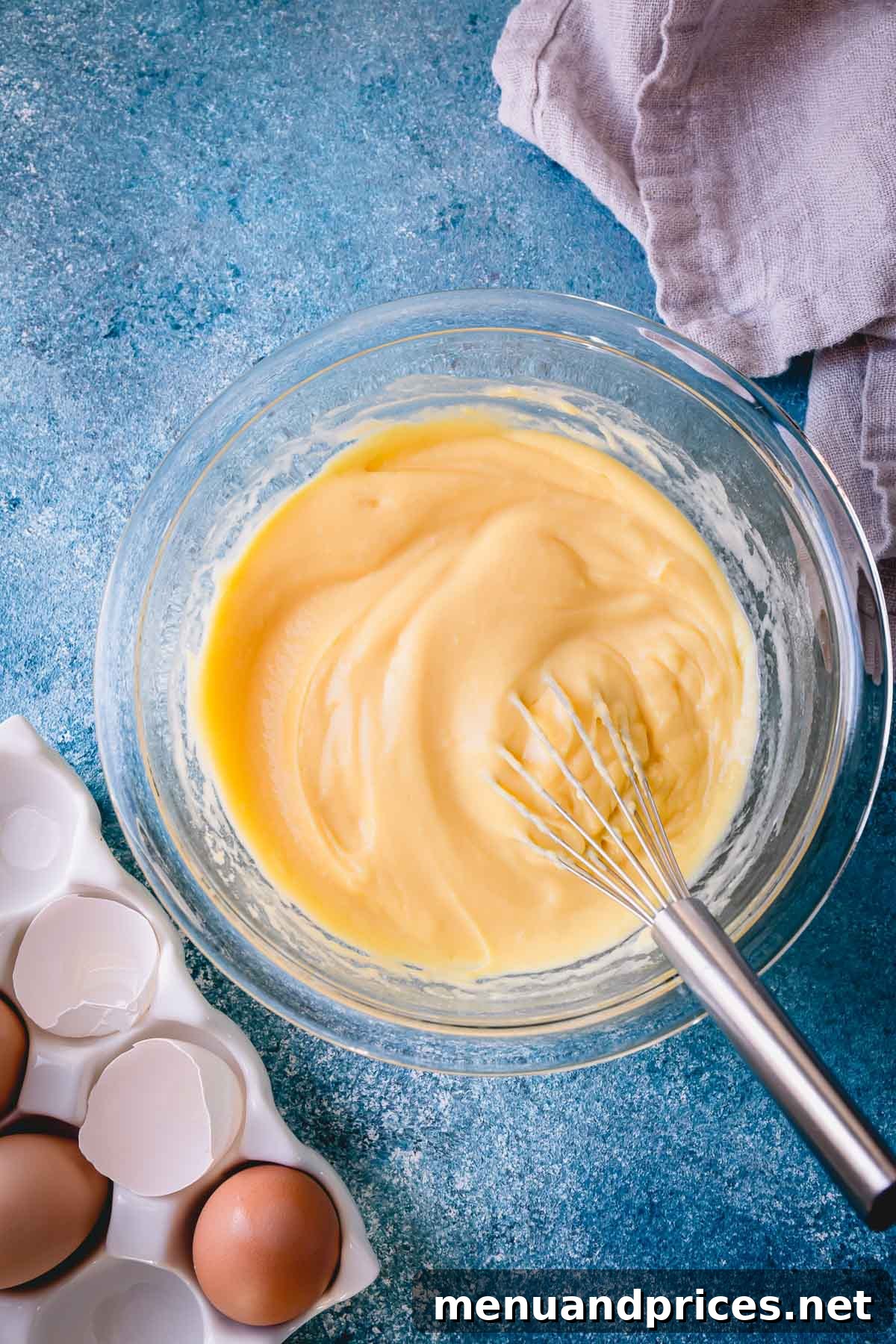
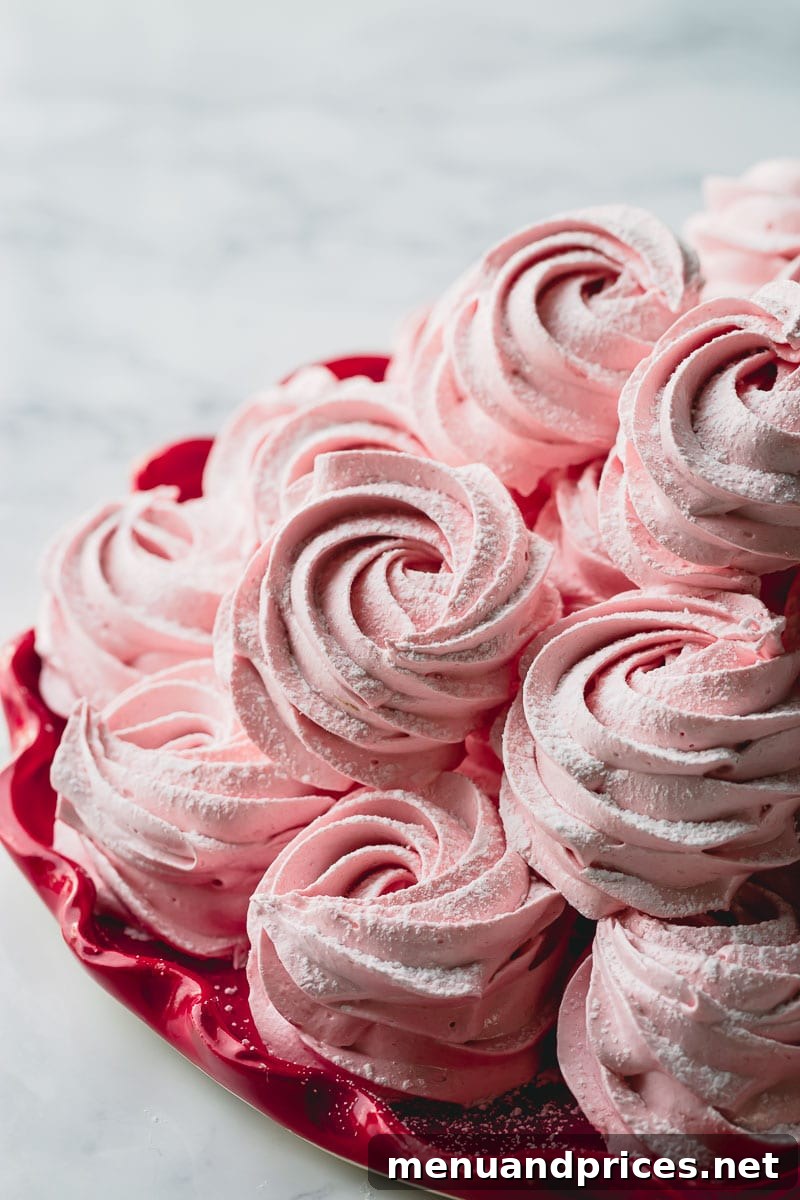
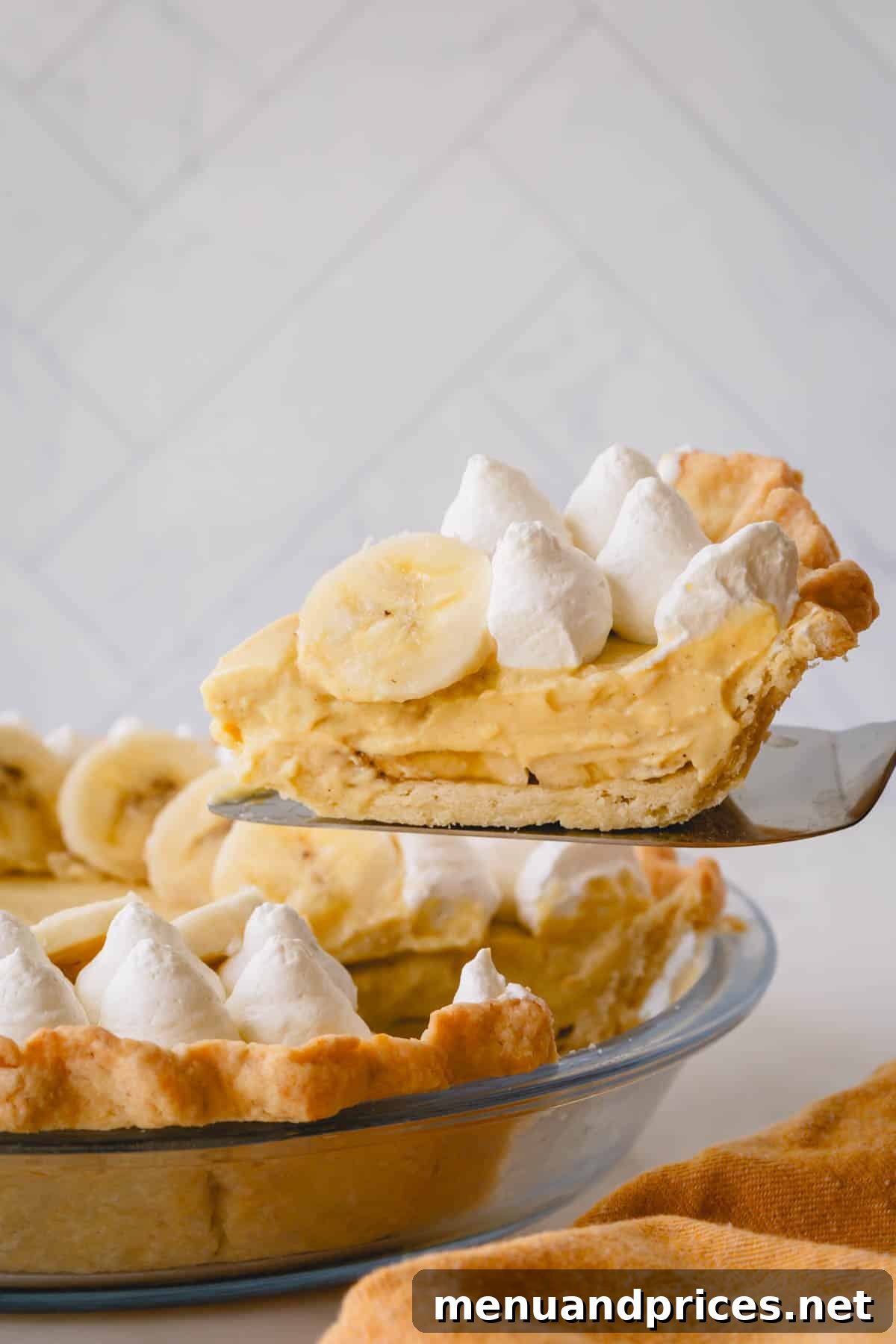
These versatile ingredients play a pivotal role in countless recipes, from savory gravies and hearty soups to delicate pie fillings, custards, and puddings. Imagine a world without luxuriously smooth pastry cream, a stable banana cream pie, or delightfully fluffy homemade marshmallows! Thickening agents are the magical components that make these textures possible, binding liquids and creating body where none existed before.
Explore Different Types of Thickening Agents
From animal-derived proteins to plant-based starches and hydrocolloids, thickening agents come in various forms, each with unique properties and ideal applications. Understanding these differences will help you choose the right thickener for your specific culinary needs.
Gelatin
What is Gelatin?
Gelatin is a powerful animal-based thickening agent primarily derived from collagen, a protein found in animal connective tissues. When dissolved in hot liquid and then cooled, gelatin forms a thermo-reversible gel, meaning it will melt when heated and re-solidify when chilled. While many people associate gelatin with brightly colored Jell-O desserts from childhood, its applications extend far beyond, including marshmallows, gummy candies, some mousses, custards, and even savory aspics.
Types of Gelatin and Bloom Strength
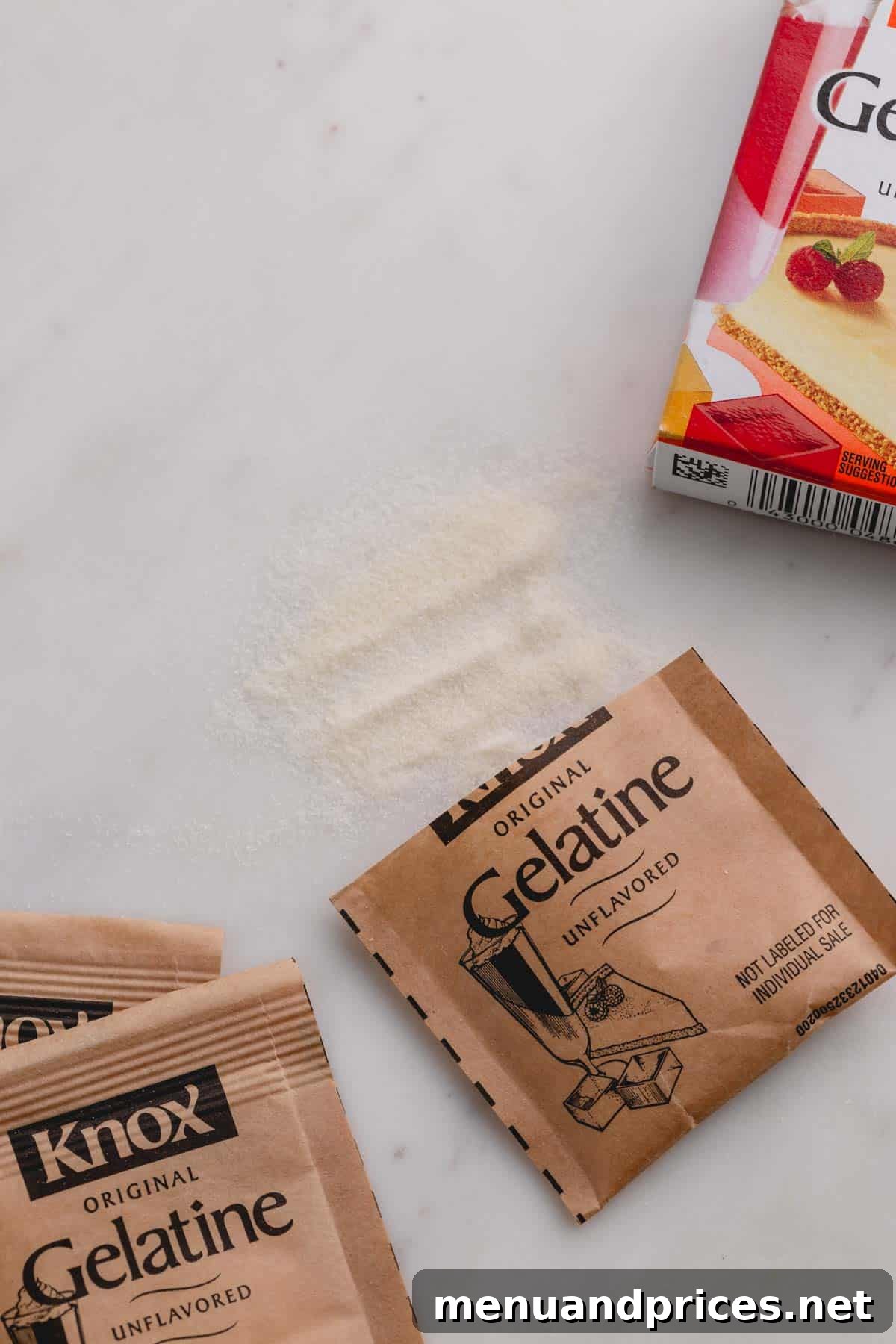
Gelatin is commercially available in various forms, most commonly as granules (powder) or sheets (leaves). While both types achieve similar results, their concentration and handling methods differ slightly. The gelling strength of gelatin is measured by its “Bloom strength,” which typically ranges from 50 to 300 Bloom. A higher Bloom number indicates stronger gelling power.
For example, in the U.S., Knox brand unflavored gelatin is widely recognized and has a strength of approximately 250 Bloom. One standard packet of Knox gelatin (roughly 2.5 teaspoons, 1 tablespoon, or 7 grams) is designed to effectively gel 2 cups (500ml) of liquid, providing a firm yet yielding texture.
How to Substitute Gelatin with Different Strengths
If your recipe calls for a specific Bloom strength and you have a different one, a simple calculation can help you adjust the quantity. The formula is: (Required Bloom / Available Bloom) x Required Weight = Adjusted Weight.
For instance, if a recipe specifies 5g of sheet gelatin with 160 Bloom, but you only have gelatin powder with 250 Bloom, you would calculate: (160 / 250) x 5g = 0.64 x 5g = 3.2g. Therefore, you would use 3.2g of your 250 Bloom gelatin powder to achieve the same gelling effect.
How to Use Gelatin
Proper activation of gelatin is crucial for achieving a smooth, lump-free gel. The key steps involve “blooming” and then dissolving.
- To use powdered gelatin: Sprinkle the desired amount evenly over a small quantity of cold water in a bowl. Ensure every granule comes into contact with the water. Let it sit undisturbed for 5 to 10 minutes to “bloom” (absorb water and swell). Once bloomed, dissolve this gelatin mixture in a hot liquid (like warm water or a portion of your recipe’s liquid) before incorporating it into the rest of your ingredients.
- To use gelatin sheets: Submerge the sheets completely in a bowl of cold water for about 5 to 10 minutes until softened. Squeeze out excess water gently. Then, dissolve the softened sheets directly into a warm liquid.
PRO TIP: Several factors can influence gelatin’s gelling properties:
- Salt and Strong Acids (pH below 4): These can decrease gelatin’s ability to gel, resulting in a weaker or unset product.
- Sugar, Milk, and Alcohol: Paradoxically, these ingredients can sometimes increase gelatin’s gelling ability or affect the final texture, making it firmer or softer depending on concentration.
- Certain Tropical Fruits: Enzymes found in fresh pineapple, papaya, kiwi, and passion fruit (bromelain, papain, actinidin) naturally break down proteins, including gelatin, preventing it from setting. To use these fruits with gelatin, they must first be cooked to 185°F (85°C) or higher to denature and destroy these enzymes.
Pectin
What is Pectin?
Pectin is a remarkable natural thickening agent, a type of soluble fiber found in the cell walls of most fruits and vegetables. It’s the ingredient responsible for giving jams, jellies, and marmalades their characteristic firm, spreadable, gel-like consistency. When heated in the presence of sugar and acid, pectin molecules form a gel network that traps liquid.
While almost all plant-based foods contain some pectin, certain fruits like apples, cranberries, grapes, raspberries, and blackberries are particularly rich in it. These “high-pectin” fruits will naturally set into jam or jelly when cooked down with sugar and acid. This is why a simple raspberry jelly recipe (without added pectin) can achieve a perfect firm set.
Pectin activation is highly dependent on specific conditions: adequate sugar content (usually 55-65% of the total weight), the right level of acidity (pH between 2.8 and 3.5), and sufficient heat. It is predominantly used in fruit preserves, coulis, and confitures.
Commercial Pectin vs. Natural Pectin
Understanding the difference between commercial and natural pectin is crucial for successful jam-making:
- Natural Pectin: This is the pectin inherently present in fruits and vegetables. Its quantity varies depending on the type of fruit and its ripeness. Unripe fruits generally have higher pectin levels, which decrease as the fruit matures.
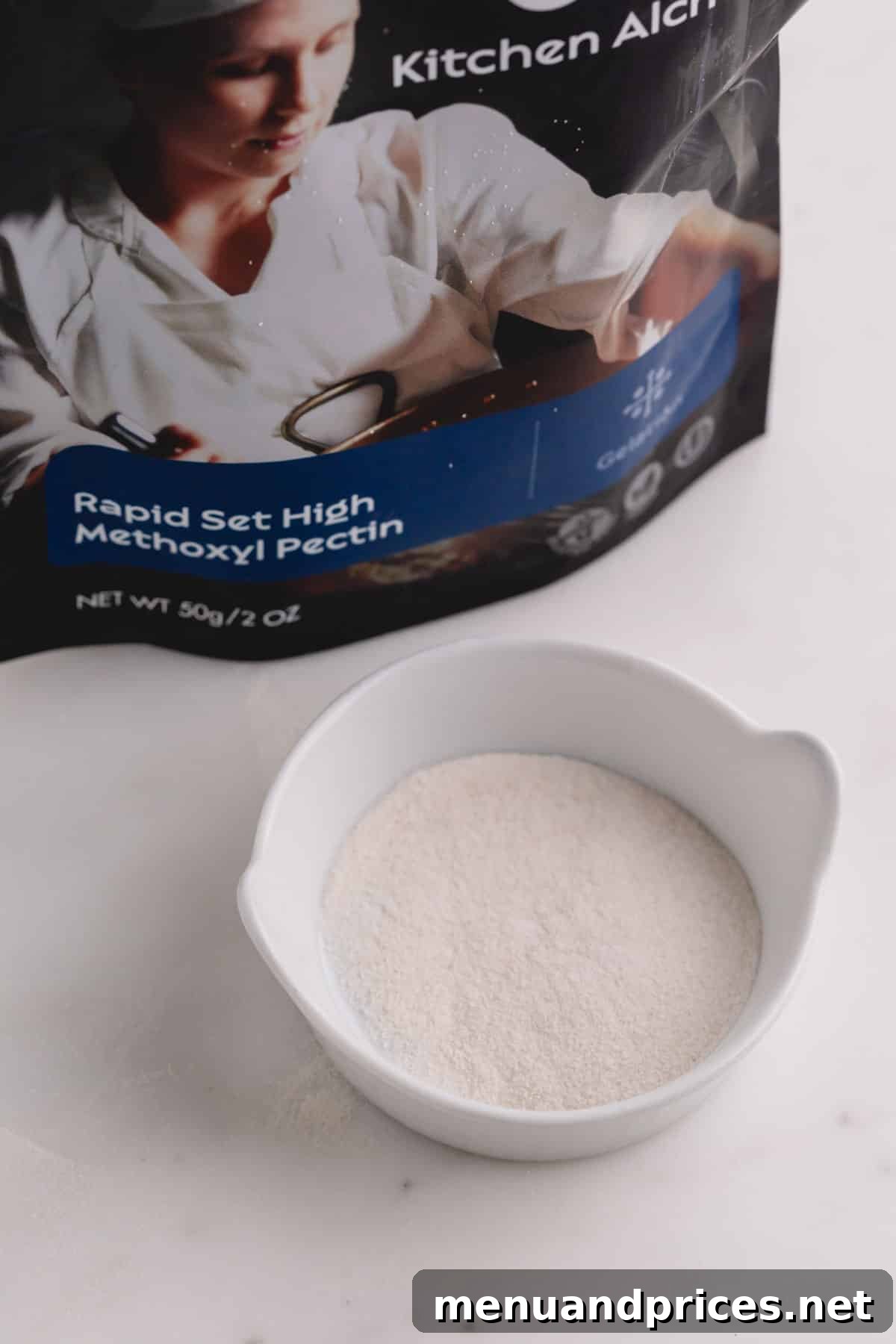
- Commercial Pectin: Derived primarily from apple pomace or citrus peels, commercial pectin is a refined product sold as a shelf-stable powder. It’s an invaluable ingredient for making jams and jellies with “low-pectin” fruits (like strawberries, pears, and peaches) or when using overly ripe fruit that has lost much of its natural gelling ability. It helps ensure a consistent set. You can typically find it in the baking or canning aisle of most grocery stores.
How to Use Pectin
The method for using pectin differs based on whether you’re relying on natural fruit pectin or adding a commercial product:
- Natural Pectin: For fruits naturally rich in pectin, simply cook the fruit with sugar and acid (often lemon juice) to a specific temperature or until it reaches a “set point.” The pectin will activate during this heating process, causing the mixture to thicken and become jammy.
- Commercial Pectin: Commercial pectin is usually mixed with a small amount of sugar (to prevent clumping) and then stirred into the fruit mixture, typically before heating. It activates as the mixture comes to a full, rolling boil and is often boiled for a short, precise amount of time to achieve the desired set.
What is Pectin NH?
Pectin NH is a specific type of low methoxyl (LM) pectin prized by pastry chefs and home bakers alike, particularly for making fruit confitures used in fillings for delicate desserts like French macarons. Its main advantage lies in its thermo-reversible nature. This means a filling made with Pectin NH can be heated to melt, then cooled to set again, without losing its gelling properties—a distinct advantage for reworking or adjusting preparations.
Another significant benefit of Pectin NH over traditional high methoxyl pectin is that it does not require a high concentration of sugar for activation. It can form a stable gel with much lower sugar content, making it ideal for less sweet fruit preparations while still achieving an excellent, stable texture.
Starches: Cornstarch and Tapioca Starch
Starches are a common and effective category of thickening agents, widely used for their ability to create smooth, opaque, or glossy finishes. Cornstarch and tapioca starch are two of the most popular, each offering unique characteristics.
What is Cornstarch?
Cornstarch, a fine, white, flavorless powder extracted from the endosperm of corn kernels, is a gluten-free powerhouse when it comes to thickening. It is incredibly efficient, possessing more than twice the thickening power of wheat flour, and works its magic relatively quickly upon heating. Cornstarch is a go-to for thickening gravies, soups, sauces, stir-fries, and numerous desserts, including creamy custards and homemade vanilla pudding.
The science behind cornstarch’s thickening ability is called gelatinization. When cornstarch granules are heated in a liquid, they absorb water, swell significantly, and eventually burst, releasing starch molecules that intertwine and create a viscous, thickened mixture. This process only occurs effectively when the mixture reaches a certain temperature (usually around 203°F or 95°C).
How to Use Cornstarch
Using cornstarch effectively is straightforward, provided you follow one crucial step: always create a slurry first. This prevents lumps and ensures even thickening.
To make a cornstarch slurry, combine cornstarch with an equal or slightly greater amount of cold liquid (usually water, but milk or broth can also be used). A typical ratio is 1 part cornstarch to 2 parts cold water. Whisk this mixture until it’s completely smooth and free of lumps. Then, gradually pour the slurry into your hot liquid while continuously stirring. Continue to heat and stir until the desired thickness is achieved, usually after just a few minutes of simmering.
Cornstarch Don’ts
- Do NOT add cornstarch directly to hot liquids: It will immediately clump into gelatinous lumps that are nearly impossible to incorporate smoothly.
- Do NOT boil the mixture vigorously for too long: While heating is essential, prolonged, aggressive boiling can cause the starch structure to break down, resulting in a thinner, less effective sauce. A gentle simmer for 2-3 minutes after thickening is usually sufficient; avoid boiling for more than 5 minutes.
- Do NOT whisk vigorously after thickening: Once thickened, continuous aggressive whisking can also break down the starch molecules, leading to a thinner consistency. Gently stir as needed.
What is Tapioca Starch?
Tapioca starch, also known as tapioca flour, is a naturally gluten-free starch extracted from the root of the cassava plant. It’s a versatile thickener known for producing glossy, clear, and stable sauces, especially favored in pie fillings and fruit-based desserts because it thickens without making the liquid cloudy. Tapioca starch is also a common ingredient in gluten-free flour blends, providing chewiness and structure. Beyond savory applications, it’s famous for creating tapioca pudding and the chewy pearls found in popular boba tea.
Compared to cornstarch, tapioca starch creates a slightly less firm, more gelatinous texture that holds up well to freezing and thawing without weeping or breaking down, making it excellent for frozen desserts and prepared meals.
How to Use Tapioca Starch
Similar to cornstarch, tapioca starch works best when prepared as a slurry to avoid lumps. To create a tapioca starch slurry, combine equal parts tapioca flour with cold water or the liquid from your recipe. Whisk vigorously until smooth and completely dissolved.
Gradually stir this slurry into your hot liquid towards the end of the cooking process. Tapioca starch thickens quickly, often just as the mixture begins to simmer. Its thickening power develops at a lower temperature than cornstarch.
TIP: While heat is necessary for activation, avoid bringing your liquid to a vigorous boil after adding tapioca starch. Excessive boiling can cause the starch molecules to break down, resulting in a stringy or thinned-out consistency. Gently simmer until thickened, then remove from heat.
Agar-Agar
What is Agar-Agar?
Agar-agar is a remarkable plant-based thickening and gelling agent, serving as an excellent vegan alternative to gelatin. It is derived from red algae (seaweed) and is highly prized in vegetarian and vegan cuisine. Agar-agar forms a much firmer, more brittle gel than gelatin and is unique because it sets at room temperature and remains stable even in warm environments, making it ideal for dishes that need to hold their shape without refrigeration.
It is primarily sold in two forms: flakes and powder, with agar-agar powder being significantly more potent (typically 8-10 times stronger by weight) and dissolving more easily. Like Pectin NH, agar-agar is also thermo-reversible, allowing gels to be melted and re-set multiple times, though its setting temperature is much higher than gelatin’s. Agar-agar is commonly used to create jellies, custards, puddings, vegan cheesecakes, and even firm gummy candies.
TIP: Agar-agar comes in different strengths, often indicated by numbers like 700, 900, or 1200. It’s crucial to pay close attention to the specific strength called for in a recipe, as this directly impacts the amount needed for a proper set. Using a different strength without adjusting the quantity can lead to a gel that is too soft or too firm.
How to Use Agar-Agar
Unlike gelatin, agar-agar needs to be boiled to fully dissolve and activate its gelling properties.
- To use agar-agar powder: Whisk the powder into a cold liquid (water, juice, or plant-based milk) to prevent lumps. For best results, it’s often combined with sugar before adding to the liquid, especially in dessert applications. Bring the mixture to a rolling boil and simmer for 1-2 minutes, stirring constantly, until the powder is completely dissolved. Once dissolved, remove from heat and allow it to cool and set.
- To use agar-agar flakes: Flakes require more liquid and a longer cooking time to dissolve compared to powder. Combine the flakes with the liquid, bring to a boil, and simmer for 5-7 minutes, or until the flakes have completely dissolved. More vigorous stirring may be needed.
Beyond Powders: Other Essential Thickening Methods
While specific thickening agents like starches and hydrocolloids are indispensable, several other fundamental culinary techniques and ingredients contribute to thickening and enriching textures in food. Often, these methods work in conjunction with thickening agents or provide alternatives when specific powders are unavailable.
- Roux – A classic French technique, a roux is a cooked mixture of equal parts fat (like butter or oil) and flour. It’s the foundation for many creamy sauces (like béchamel), gravies, and hearty soups. The flour is cooked in the fat to create a paste, and the cooking time determines its color and flavor: white roux (lightly cooked for delicate sauces), blond roux (cooked a bit longer for nutty flavor), and brown roux (cooked extensively for deep flavor in dishes like gumbo). While all-purpose wheat flour is traditional, gluten-free flour blends containing starches like tapioca starch or rice flour can also be used to create gluten-free rouxs.
- Slurry – As discussed with cornstarch and tapioca starch, a slurry is simply a mixture of a thickening agent (typically a starch) and a cold liquid, whisked until smooth. This fundamental technique is crucial for incorporating dry thickeners into hot liquids without creating lumps. It’s a quick and efficient way to achieve immediate thickening in gravies, sauces, and stir-fries.
- Emulsion – An emulsion is a stable mixture of two or more liquids that usually don’t mix, such as oil and water (or vinegar). While not a thickening agent in the traditional sense, forming a stable emulsion can significantly increase the viscosity and richness of a liquid. Examples include mayonnaise (egg yolks emulsifying oil and vinegar), hollandaise sauce, and vinaigrettes. Achieving an emulsion typically involves vigorous whisking or blending to disperse one liquid finely throughout the other.
- Reduction – One of the simplest and most natural ways to thicken liquids is through reduction. By simmering a liquid (like broth, wine, or juice) over heat, water evaporates, concentrating the flavors and natural thickeners, leading to a richer, thicker consistency. This method is often used to create intense pan sauces and glazes.
- Egg Yolks – Egg yolks are powerful emulsifiers and thickeners, particularly in custards, curds, and rich sauces like crème anglaise. When gently heated and stirred (tempering is key to prevent scrambling), the proteins in egg yolks coagulate, binding liquids and creating a smooth, creamy texture.
- Other Natural Thickeners: Ingredients like potato starch, arrowroot powder (similar to cornstarch but with a clearer finish), chia seeds, and ground flax seeds can also serve as natural thickening agents, each with its unique characteristics and applications.
How to Store Thickening Agents for Longevity
Proper storage is essential to maintain the efficacy and extend the shelf life of your thickening agents. Gelatin, pectin, cornstarch, tapioca starch, agar-agar, and most flours are shelf-stable ingredients. To ensure they remain fresh and potent, always store them in airtight containers. Keep these containers in a cool, dry cabinet or pantry, away from direct sunlight, excessive heat, and humidity, which can cause clumping or degradation. When stored correctly, most powdered thickeners can last for several years.
Frequently Asked Questions About Thickening Agents
Excellent news for those following a gluten-free diet! Many common thickening agents are naturally gluten-free. This includes gelatin, pectin, cornstarch, tapioca starch, and agar-agar. However, be mindful if using flour-based thickeners like a traditional roux, as wheat flour contains gluten. Always check product labels to confirm “gluten-free” certification if cross-contamination is a concern.
Beyond the primary agents discussed, several other ingredients can contribute to thickening. These include various types of flour (wheat, rice, oat), potato starch, arrowroot powder, and even natural seeds like chia seeds and flax seeds (which form a mucilaginous gel when hydrated). Reduced liquids, pureed vegetables, and egg yolks (in custards) also provide thickening. Always research specific instructions for these alternative thickeners, as their activation and behavior can vary significantly.
Cornstarch is widely considered the most common and versatile thickening agent for everyday cooking. It’s readily available, highly affordable, gluten-free, and works effectively in a broad range of recipes, from savory sauces and gravies to sweet puddings and pie fillings. Its rapid thickening action and neutral flavor make it a favorite in kitchens worldwide.
Substitution is possible, but it requires careful consideration. Different thickeners have varying thickening powers, clarity, textures, and responses to heat and acidity. For example, replacing cornstarch with tapioca starch might yield a clearer, more delicate sauce, but you might need more tapioca. Replacing gelatin with agar-agar will result in a firmer, more brittle, and heat-stable gel. Always consult a reliable substitution chart or adjust quantities and methods according to the specific properties of the thickener you are using.
More Helpful Kitchen Guides to Enhance Your Skills:
- How to Make Meringue (Meringue 101)
- Butter 101: Understanding Different Types and Uses
- Dill 101: Everything You Need to Know About This Aromatic Herb
- Lemon 101: A Zesty Guide to Cooking and Baking with Lemons
Mastering the art of thickening agents will undoubtedly elevate your culinary repertoire. Don’t be afraid to experiment with these versatile ingredients, and enjoy the delicious, perfectly textured results!