
Are you passionate about food? Do you love spending hours in the kitchen, experimenting with recipes, capturing mouth-watering photos, and sharing your culinary adventures with the world? If you’re a food blogger, you likely answered “yes” to all of these. We understand the joy of creating a delicious dish and the excitement of hitting “Publish” on a new blog post. But then comes the familiar silence – the frustrating waiting game for readers to discover your hard work, only to be met with crickets.
This scenario is all too common for aspiring food bloggers. The dream of a bustling blog, a vibrant community, and a recognized presence in the food world often feels distant. Many start with enthusiasm, only to get disheartened by low traffic and minimal engagement. Believe us, we’ve been there, facing the same challenges and wondering how to break through the noise.
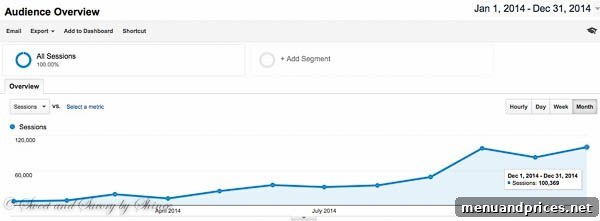
Our journey began in January 2014 when we decided to transform a casual blogging hobby into a serious endeavor. Having blogged for a year without significant traction, it was a rocky start. We knew that genuine passion and good recipes weren’t enough; strategic effort was essential. Through dedicated hard work, relentless learning, and consistent application of proven tactics, we achieved a remarkable 10x growth in traffic within a single year. We went from a modest 10,000 monthly page views in January to over 100,000 by December.
Reaching this milestone was incredibly validating. Before then, we hadn’t fully grasped what constituted “high traffic” for a food blog. Our focus was simply on continuous, month-over-month growth. It was only later, when exploring popular ad networks that require 80-100K page views for eligibility, that we realized we had hit a significant benchmark. This wasn’t about bragging; it was a testament to the power of strategic blogging. We couldn’t have done it without the wealth of resources shared by other generous bloggers, and we feel compelled to pay it forward by sharing our own findings with you.
So, grab your favorite cup of coffee, settle in, and get ready to dive deep into the actionable steps that propelled our food blog forward. Our primary goal for 2014 was singular: to build readership and significantly increase blog traffic. We didn’t fixate on an arbitrary number initially, just a steady upward trend. The strategies outlined below are precisely what helped us achieve that consistent growth and transform our blog into a thriving platform.
1. Establish a Consistent Posting Schedule
Before committing to a serious blogging strategy, our publishing routine was sporadic. Some months saw a flurry of 10 recipes, others a mere 4, and occasionally, an entire month would pass without a single new post. This inconsistency was a major barrier to growth. To rectify this, we implemented a structured Mon-Wed-Fri posting schedule. This cadence felt achievable and sustainable for us, setting a clear rhythm for content creation.
However, the key is to determine what works best for you and your lifestyle. Don’t feel pressured to publish daily if your schedule doesn’t permit it. If one high-quality recipe a week is all you can manage, that’s perfectly acceptable. Remember, quality consistently triumphs over quantity. Many successful bloggers maintain full-time jobs or other significant responsibilities, so crafting a realistic schedule is paramount. A well-defined posting schedule not only holds you accountable but also sets expectations for your loyal readers, fostering anticipation and regular visits.
Tools like content calendars, Trello boards, or even a simple spreadsheet can help you plan your content weeks or months in advance. This foresight allows you to brainstorm seasonal recipes, align with holidays, and ensure a steady stream of fresh, engaging content. Consistency signals to search engines that your site is active and regularly updated, which can positively impact your rankings over time.
2. Prioritize Exceptional Content and Photography
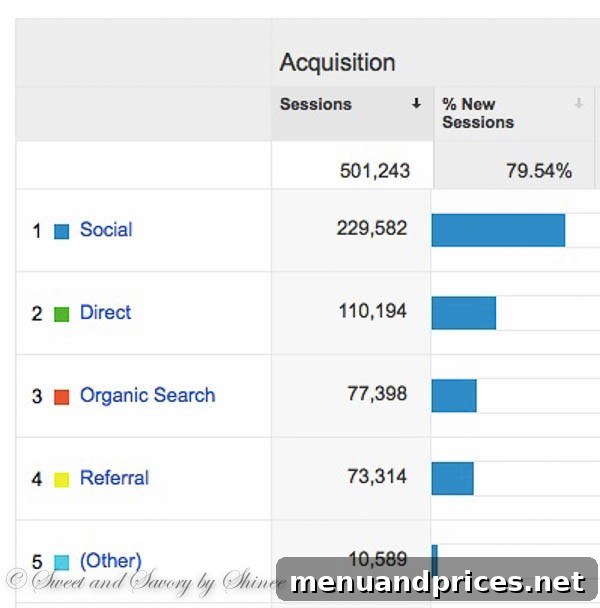
As we’ve emphasized, quality is the cornerstone of blog growth. This principle applies equally to your recipes and your photography. In the world of food blogging, we undeniably eat with our eyes first. Stunning, crystal-clear photos are the magnets that draw readers in, igniting their appetite and inspiring them to attempt your recipes. Beyond initial attraction, beautiful visuals are crucial for driving traffic from highly visual social media platforms like Pinterest, which remains a top traffic source for many food blogs, including ours.
Therefore, investing energy into continually improving your food photography skills is non-negotiable. This doesn’t necessitate expensive gear; while a DSLR camera offers advantages, it’s not the sole determinant of quality. Understanding natural light, composition, styling, and basic editing techniques can dramatically elevate your images regardless of your equipment. Focus on creating vibrant, appealing photos that tell a story and make your food irresistible. Photography is a vast field, and if there’s enough interest, it could warrant a dedicated post to delve deeper into its nuances.
Beyond visuals, the quality of your written content keeps visitors engaged. For every recipe we publish, we ask ourselves: “What new insight or valuable takeaway does this post offer?” We strive to include something genuinely useful – whether it’s a clever cooking tip, information about a specific ingredient, or an innovative technique. Our step-by-step photo tutorials, for example, have proven incredibly valuable, eliciting emails and comments from readers who achieved perfect results thanks to our detailed guidance. Remember, enhancing the quality of your work is an ongoing journey. What seems perfect today might reveal areas for improvement tomorrow. As long as you’re committed to doing your best with each post, you’re on the right track. Ultimately, quality photos are the magnet for traffic, but quality recipes are the reason those visitors choose to stay and return.
3. Harness the Power of Search Engine Optimization (SEO)
A significant and sustainable source of traffic for our site comes directly from search engines. If your blog posts aren’t optimized, how will potential readers discover your incredible recipes amidst the vast digital landscape? Making it easy for Google and other search engines to find, understand, and present your content to millions of people actively searching for specific recipes is absolutely critical for long-term growth.
You don’t need to be an SEO guru to make substantial progress. Essential practices include conducting basic keyword research to identify terms people use to find recipes like yours. Integrate these keywords naturally into your post titles, headings, introductory paragraphs, and recipe instructions. Optimize your images with descriptive alt text, which not only helps with accessibility but also provides search engines with more context about your visual content. Utilizing a robust SEO plugin, such as WordPress SEO by Yoast (now Yoast SEO), can guide you through the optimization process for each post. This invaluable, free tool provides real-time feedback on your content’s readability and SEO score, ensuring your posts are well-structured and discoverable. If you’re not using it, download it today and start seeing the difference.
Furthermore, consider implementing recipe schema markup. This technical optimization helps search engines display rich snippets (like star ratings, cook times, and ingredient lists) directly in search results, making your recipes stand out and attracting more clicks. Regular monitoring of your Google Search Console account will also provide insights into how your blog performs in search, highlighting popular queries and potential areas for improvement. Embracing SEO is not just about rankings; it’s about making your delicious creations accessible to everyone searching for them.
4. Cultivate a Continuous Learning Mindset
The online world, especially the realm of blogging and social media, is in constant flux. Algorithms change, new tools emerge, and best practices evolve rapidly. To remain competitive and continue growing your food blog, a commitment to continuous learning is vital. We highly recommend dedicating a portion of your day—even just 30 minutes to an hour—to reading and learning from other bloggers, industry experts, and specialized resources.
Beyond general blogging advice, focus on areas specific to food blogging: advanced food photography techniques, video production, monetization strategies, and staying updated on social media trends (e.g., Pinterest, Instagram Reels, TikTok). Join Facebook groups specifically for food bloggers; these communities are invaluable for asking questions, sharing insights, and staying abreast of the latest news and algorithm updates. Simply search “food bloggers” on Facebook to find relevant groups and request to join.
For foundational knowledge, we found certain resources to be game-changers:
- Food Blogging for Dummies by Kelly Senyei: Kelly, the talented blogger behind Just a Taste, delivers an incredibly comprehensive guide. It covers every aspect of food blogging, from identifying your niche and developing a brand to marketing strategies and monetization tactics. It’s an essential read for anyone serious about professional food blogging.
- Will Write for Food by Dianne Jacob: For many, writing is not the favorite part of blogging. We genuinely believed we weren’t natural writers, but like any skill, it can be honed. This book offers seriously amazing tips on crafting compelling food narratives and descriptions, transforming even reluctant writers into engaging storytellers. We still refer to it regularly to refine our writing skills.
Another fantastic resource is CreativeLive. Their courses offer deep dives into various creative skills. We highly benefited from their “Story on a Plate: Food Photography & Styling” course with Todd Porter and Diane Cu of White On Rice Couple. It provided invaluable insights into lighting, composition, and food styling. CreativeLive often offers free live classes, or you can purchase courses for on-demand access. Staying curious and willing to learn new things is the cornerstone of adapting and excelling in the dynamic blogging landscape.
5. Embrace the Power of Networking and Community
One of the most rewarding discoveries during our blogging journey has been the incredible food blogging community – a vibrant network of talented, creative, and supportive individuals. Becoming an active part of this community is not just enjoyable; it’s a strategic move for growth. To truly connect, take the initiative to explore other food blogs. Create a list of 5-10 blogs that resonate with you, follow them on their social media channels, genuinely read their posts, and leave thoughtful, engaging comments. Share their content with your audience. This reciprocal process allows you to learn from peers, build authentic friendships, and gain visibility within the community.
Beyond individual connections, joining specialized groups and forums for food bloggers is immensely beneficial. These platforms, like the Facebook groups mentioned earlier, provide a safe space to ask questions, seek advice, and share recommendations. We found immense value in the FoodBloggerPro community, spearheaded by Bjork and Lindsay Ostrom from Pinch of Yum. It’s more than just a forum; it’s a comprehensive library of video tutorials covering all facets of food blogging – from advanced photography and food styling to Google Analytics, webmaster tools, and in-depth SEO strategies. The community aspect, where bloggers of all experience levels share knowledge and offer mutual support, made it one of the best investments we’ve ever made in our blog. Consider Food Blogger Pro to start and grow your food blog effectively (affiliate link).
Many Facebook groups also facilitate content cross-promotion, where members share each other’s new posts, significantly boosting visibility and driving referral traffic. Active participation in these networks ensures you’re not blogging in isolation but as part of a dynamic, supportive ecosystem.
6. Attend Blogging Conferences
Conferences are an exceptional extension of networking and learning. While many food bloggers may not be aware, numerous specialized food blogging conferences are held throughout the year, offering unparalleled opportunities for growth. Attending in-person events can be challenging due to time or resource constraints, but fortunately, the digital age offers fantastic alternatives.
One such transformative event we experienced was the Online BlogCon. Attending this virtual conference proved instrumental in helping us hit that 100K monthly page view mark. We are not exaggerating when we say that without Online BlogCon, our blog’s trajectory might have been very different. It was an invaluable experience not only for the wealth of new blogging knowledge acquired but also for the meaningful connections forged with fellow bloggers. These connections extended beyond the conference, leading to ongoing information exchange and mutual learning. Online conferences break down geographical barriers, making expert insights and networking accessible to everyone.
Conferences, whether virtual or in-person, expose you to the latest industry trends, cutting-edge strategies, and inspiring success stories. They provide focused learning environments where you can absorb information from leading experts, ask targeted questions, and gain fresh perspectives. The energy and camaraderie at these events are infectious, providing a significant boost in motivation and a renewed sense of purpose. We are always eager to attend various conferences each year, not just for the learning, but for the chance to network and connect with amazing individuals in person.
7. Contribute to Other Blogs (Guest Posting)
A powerful, yet often overlooked, strategy for accelerating blog growth is contributing content to other established blogs. This opportunity arose for us through networking at Online BlogCon, where we connected with Julie from White Lights on Wednesday, who also serves as managing editor for Real Housemoms. When she invited us to become a contributor to Real Housemoms, it was an entirely new concept for us, but we embraced the chance. The results were astounding.
Contributing to Real Housemoms became another major catalyst for our 10x traffic increase that year. This experience powerfully demonstrated the ripple effect of networking and being open to new ventures. Guest posting on a larger, complementary blog exposes your content and brand to an entirely new, often vast, audience. It generates valuable referral traffic back to your site, establishes your authority in the food blogging niche, and creates high-quality backlinks that significantly boost your SEO efforts. You never know what opportunities await around the corner or who you’ll meet who can open new doors. Always be open-minded and willing to try new strategies that push you outside your comfort zone.
To find guest posting opportunities, research blogs in your niche that accept contributions, look for “Write For Us” pages, or simply reach out to bloggers whose work you admire with a well-crafted pitch. This is a strategic way to leverage existing audiences and build your brand’s presence beyond your own platform.
The Journey Demands Patience, Persistence, and Passion
We’ve covered a lot of ground, and if you’re still with us, you’re truly committed to your food blogging journey! The final, yet arguably most crucial, piece of advice is to be patient. This is not a sprint; it’s a marathon that requires sustained effort and a positive outlook. Avoid getting overly fixated on immediate numbers. While checking analytics is a natural compulsion (and yes, we still check ours multiple times a day!), don’t let temporary dips dictate your mood or dampen your enthusiasm.
Instead, channel your energy into the core principles: consistently focus on the quality of your content and photography, continuously learn and refine your skills, actively network and build genuine connections within the community, and remain open-minded to new strategies. If traffic seems low one day, view it as an opportunity to double down on sharing your posts across social media or refining your SEO. Stay positive and be genuinely grateful for every single person who visits your site, no matter the number.
An encouraging phenomenon we’ve observed is the “snowball effect.” The more your blog grows and gains momentum, the faster that growth accelerates. It’s a truly fascinating process where consistent effort eventually compounds into exponential results. Never give up on improving your content and connecting with your audience. Soon, your traffic will double, triple, and potentially grow beyond your wildest imagination. Most importantly, through all the hard work and strategy, never forget to have fun! Your passion for food and sharing it is what started this journey, and it should remain the driving force.
We sincerely hope this detailed guide provides the actionable insights you need to grow your food blog into the thriving platform you envision. If you have any questions, wish for us to elaborate on any of these steps, or simply want to share your own blogging journey, please feel free to leave a comment below. We appreciate you reading and embarking on this exciting journey with us!