
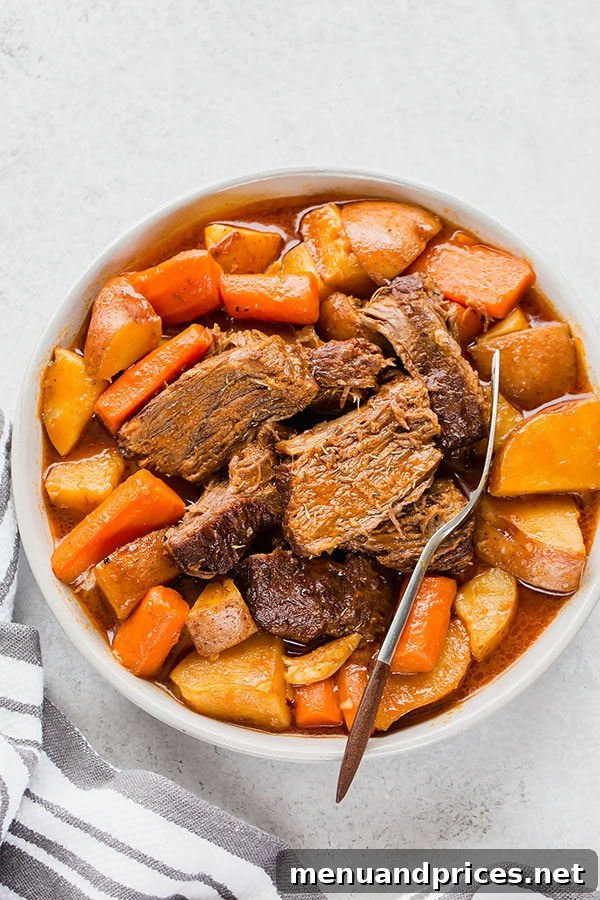
There’s nothing quite like a perfectly cooked pot roast, especially when the weather calls for hearty, warming comfort food. Our ultimate Dutch oven pot roast recipe promises a truly melt-in-your-mouth experience, transforming a well-marbled chuck roast into an unbelievably flavorful, tender masterpiece. Whether you’re using conventional beef or the exceptional richness of home-raised Wagyu, this easy one-pot meal is designed to be the highlight of any dinner table. Cooked low and slow, it delivers a deeply satisfying richness that will quickly become a family favorite.
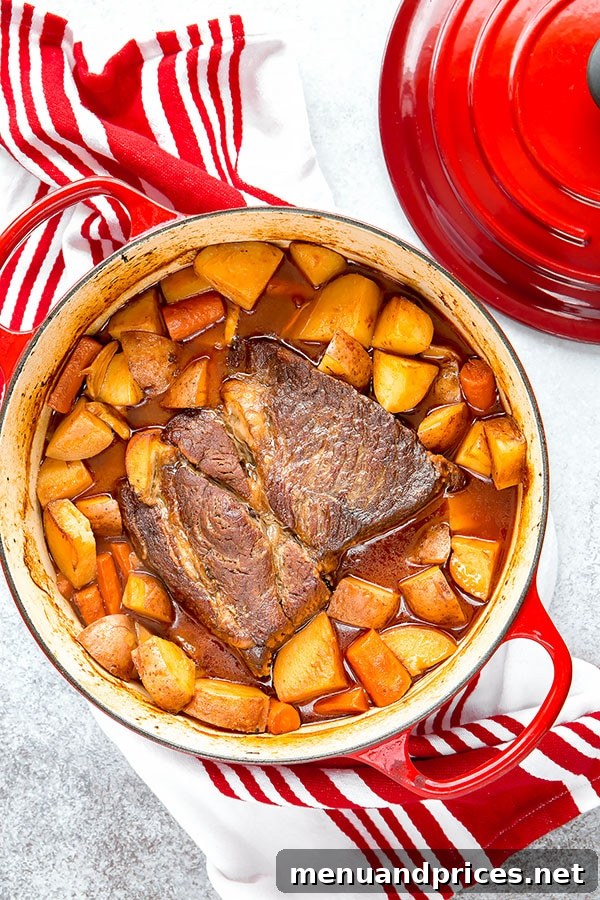
While the calendar might optimistically point to spring, chilly forecasts and lingering winter scenes often dictate a different menu. Forget the light salads and vibrant spring vegetables for a moment; it’s time to embrace the robust, soul-satisfying warmth of a classic pot roast. This isn’t just any pot roast; it’s a culinary journey to a dish so tender and packed with flavor, it redefines what you thought a beef roast could be. Prepare for a rich, aromatic sauce that perfectly complements succulent beef, alongside fork-tender potatoes and carrots, all emerging from a single pot.
For those who might be hesitant about pot roast, or those who already adore it, this recipe is designed to impress. We’re talking about beef so tender it practically dissolves, enveloped in a savory gravy that requires no red wine to achieve its depth. This truly is the best one-pot comfort meal you’ve been dreaming of, a testament to simple ingredients transformed by patience and the magic of a Dutch oven.
Choosing the Best Cut for an Incredible Pot Roast
The foundation of any outstanding pot roast begins with selecting the right cut of meat. While many cuts can be braised, the undisputed champion for flavor and tenderness in a pot roast is the **chuck roast**.
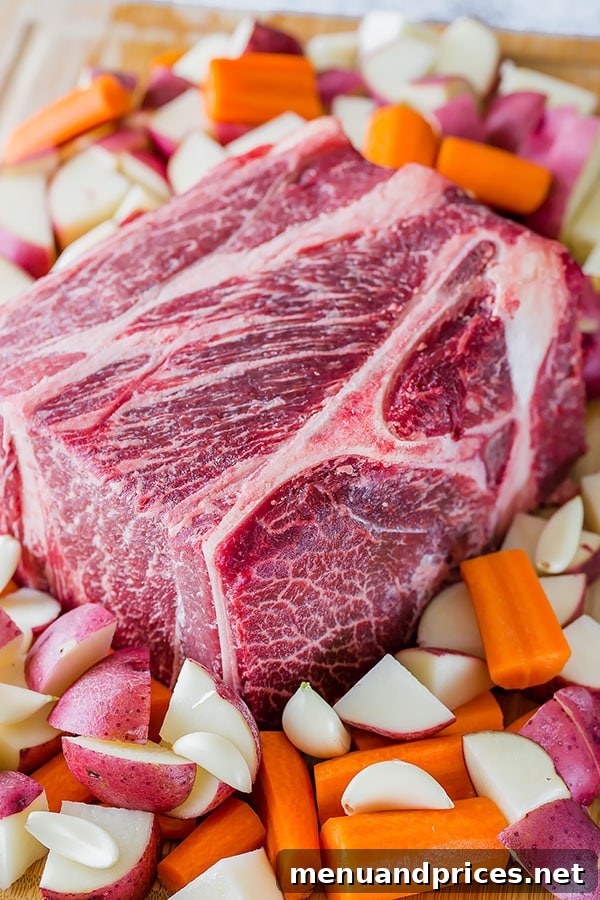
- Chuck Roast: The Ultimate Choice: This cut, derived from the shoulder and neck area of the cow, is renowned for its generous marbling (the intramuscular fat visible as white streaks). Marbling is key to flavor and moisture, as it slowly renders during the low and slow cooking process, basting the meat from within and yielding that coveted melt-in-your-mouth texture. Chuck roast benefits immensely from long cooking times, breaking down connective tissues into gelatin, which further contributes to its incredible tenderness and richness. You can choose either bone-in or boneless chuck roast; both will deliver fantastic results, though bone-in can add an extra layer of flavor.
- Exploring Wagyu Beef: A Luxurious Option: For an exceptionally decadent pot roast, consider using Wagyu beef. My family has had the unique experience of raising Wagyu cattle, allowing us to firsthand appreciate its distinct qualities. Wagyu is a Japanese beef cattle breed, often referred to as American-style Kobe beef, celebrated globally for its extraordinarily high marbling. As you can see in the image below, the marbling in Wagyu is truly remarkable. This abundance of fat translates directly into unparalleled flavor and an incredibly buttery, tender texture that elevates pot roast to a gourmet level. While not strictly necessary, using Wagyu beef makes for the most intensely flavorful pot roast you’ve ever tasted!
- Other Considerations: While chuck roast is ideal, other cuts like brisket or round roast can also be used. However, they typically have less marbling and might require slightly different cooking times or techniques to achieve comparable tenderness. For simplicity and consistent results, stick with a good quality chuck roast.
The Essential First Step: Searing for Flavor
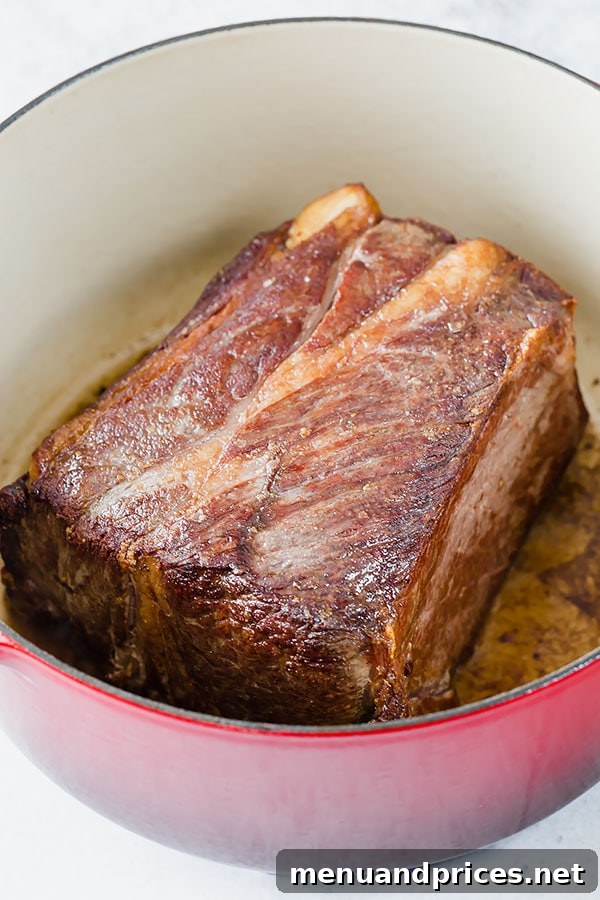
Many home cooks might skip the searing step, but it is absolutely crucial for building a deep, complex flavor profile in your pot roast. This initial browning process creates a magnificent crust on the meat, locking in juices and initiating the Maillard reaction – a chemical process responsible for the rich, savory flavors and appealing brown color.
- Why Searing Matters: Searing isn’t just about color; it’s about flavor. The high heat caramelizes the proteins and sugars on the surface of the meat, developing hundreds of new flavor compounds that simply cannot be achieved through slow cooking alone. These browned bits, known as “fond,” will later dissolve into your sauce, creating a rich and robust gravy.
- The Right Fat and Temperature: To achieve a perfect sear, you need to use an oil with a high smoke point. Vegetable oil, canola oil, grapeseed oil, or avocado oil are excellent choices as they can withstand high temperatures without burning. Heat your Dutch oven over medium-high heat until it’s very hot – you should see a slight shimmer in the oil. Once hot, carefully place the seasoned chuck roast into the pot.
- Searing Technique: Sear the meat for approximately 2 minutes per side, ensuring all surfaces are beautifully browned. Don’t crowd the pot; if necessary, sear in batches. Resist the urge to move the meat too soon; allow it to form a crust before flipping. Once seared to a deep golden-brown, transfer the roast to a plate and set it aside.
Building Layers of Flavor: The Aromatic Base
With the meat seared and resting, the next critical step is to build the flavorful foundation for your gravy. Those delicious brown bits stuck to the bottom of the Dutch oven (the “fond” we mentioned earlier) are treasures of concentrated flavor, and we’re about to unlock them.
- Sautéing Aromatics: Return the Dutch oven to medium heat. Add your prepared vegetables – typically potatoes, carrots, and halved garlic cloves – to the pot. Sauté them for a few minutes, stirring occasionally. This softens them slightly and allows them to absorb some of the residual beefy flavor from the pan.
- Thickening and Deepening: Stir in a couple of tablespoons of all-purpose flour. This will help thicken your gravy later. Cook the flour for about a minute, stirring constantly, to cook out the raw flour taste. Then, add three tablespoons of tomato paste. Tomato paste is a secret weapon for adding a deep, umami richness and a touch of sweetness to the sauce, enhancing the overall beefy flavor. Mix it thoroughly with the vegetables and flour.
- Deglazing the Pan: Pour in the beef stock and Worcestershire sauce. The liquid will immediately begin to lift those caramelized brown bits from the bottom of the pot. Use a wooden spoon to gently scrape the bottom of the Dutch oven, incorporating all that precious fond into your liquid. This deglazing process is where the magic truly happens, creating an incredibly flavorful gravy base. At this point, your kitchen will be filled with an absolutely intoxicating aroma, a testament to the deliciousness that’s about to unfold. It’s tempting to dive right in, but remember, the best things come to those who wait—you’re still about 3 hours away from enjoying this masterpiece!
What are the Best Potatoes for Pot Roast?
The right choice of potatoes ensures they cook evenly and remain intact throughout the slow braising process.
- Ideal Choices: I highly recommend using baby potatoes or small red potatoes. Their waxy texture holds up beautifully to long cooking times without disintegrating into mush. Keep the skin on for added texture and nutrients.
- Preparation is Key: Cut the potatoes into fairly large chunks. This is crucial because they will be cooking for several hours alongside the meat. If cut too small, they will become overcooked and mealy. Aim for pieces roughly 1.5 to 2 inches in size.
- Other Vegetables: Beyond potatoes and carrots, feel free to add other root vegetables or aromatics that you enjoy. Onions, celery, parsnips, or even mushrooms can be wonderful additions, each contributing their own unique flavor to the rich gravy.
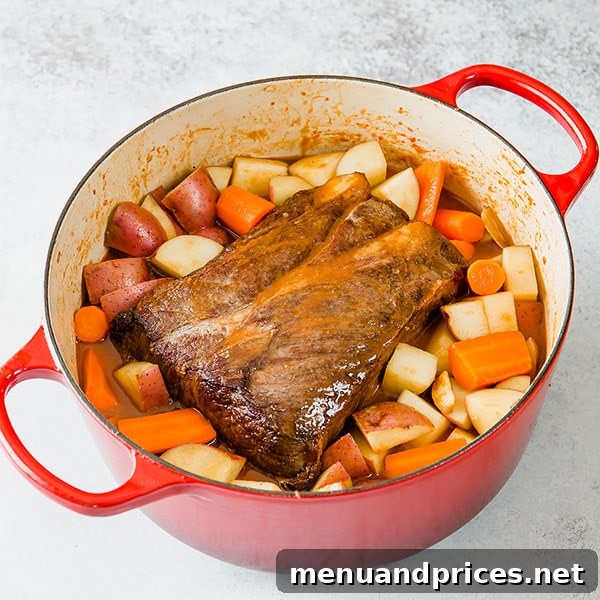
The Art of Slow Roasting: Patience Pays Off
Once the base is built and the meat is ready, it’s time for the Dutch oven to work its magic. Place the seared chuck roast back into the center of the pot, nestling it amongst the vegetables. Ensure the liquid comes up about halfway to two-thirds of the way up the sides of the meat. Cover the Dutch oven tightly with its lid and transfer it to a preheated oven set at a low temperature of 300°F (150°C).
- Low and Slow is the Key: The “low and slow” method is paramount for pot roast. This gentle heat allows the tough connective tissues in the chuck roast to slowly break down into succulent gelatin, resulting in that unbelievably tender texture. Rushing the process with high heat will only yield dry, tough meat.
- Cooking Time: Allow the pot roast to braise for approximately 3 hours, or until the meat is incredibly tender and easily pierced with a fork. The exact time may vary slightly depending on the size and thickness of your roast. After about 3 hours, your pot roast will emerge from the oven looking absolutely divine, its aromas having permeated every corner of your home.
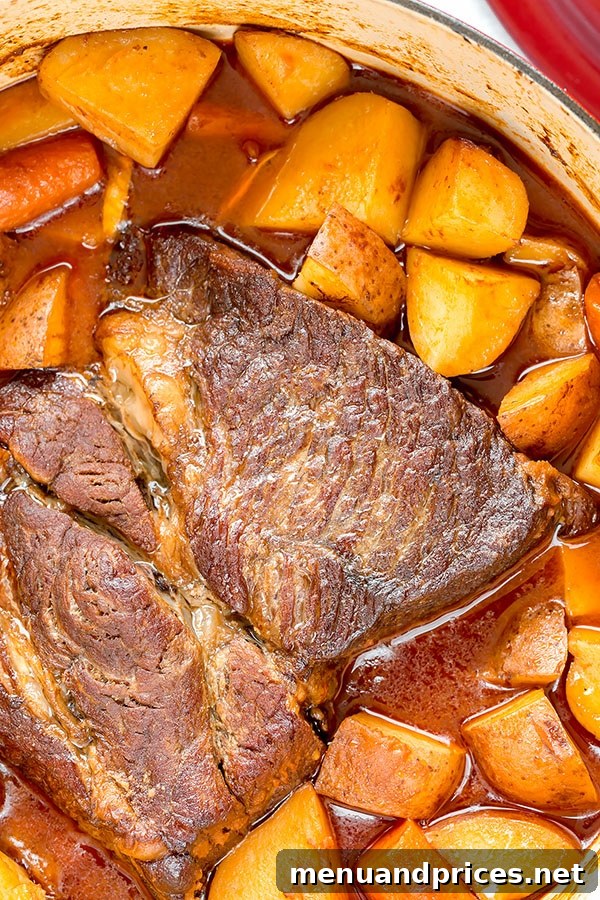
Serving Your Masterpiece: A Meal to Savor
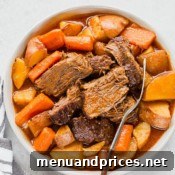
Once your pot roast is cooked to perfection, the final step is to serve it up and enjoy the fruits of your labor. The meat will be so tender that it offers two delightful serving options:
- Shred or Slice: You can either effortlessly shred the meat using two forks directly in the pot, allowing it to meld beautifully with the gravy and vegetables, or transfer it to a cutting board and slice it against the grain for neat portions. Both methods will result in incredibly tender beef.
- Plenty of Rich Gravy: One of the best parts of this recipe is the generous amount of rich, savory gravy it produces. This flavorful liquid is perfect for spooning over the meat and vegetables. Be sure to have a good, crusty loaf of rustic bread or a freshly baked baguette nearby to soak up every last drop of that amazing gravy – it’s simply too good to waste!
- Pairing Suggestions: While the pot roast is a complete meal in itself with its beef, potatoes, and carrots, you can elevate the experience with simple side dishes. A fresh green salad with a light vinaigrette can offer a refreshing contrast, or steamed green beans for added color and nutrition.
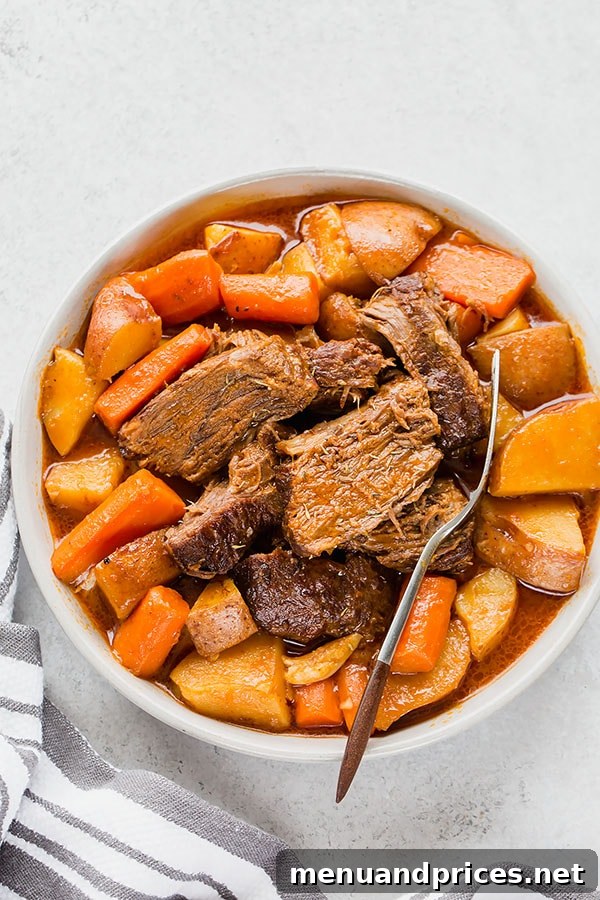
This classic pot roast is more than just a meal; it’s an experience of warmth, comfort, and deeply satisfying flavors. It’s the perfect dish to gather around, offering solace on a cold day or a hearty feast any time of year. Before the truly hot days of summer arrive, make sure to carve out some time to savor this incredible Dutch oven pot roast. Its timeless appeal and ease of preparation for such impressive results make it a staple in any home cook’s repertoire.
Easy Pot Roast Recipe
Shinee Davaakhuu
30 mins
4 hrs
6 – 8 servings
Comment
Print Recipe
Ingredients
- 3- 3 ½ lbs chuck roast
- 1 tablespoon coarse kosher salt
- 2 teaspoons freshly ground black pepper
- 2 tablespoons vegetable oil
- 1 lb small red potatoes, skin on, cut into large chucks
- 4-6 medium carrots, peeled and cut into chunks
- 4-6 garlic cloves, halved
- 2 tablespoons all-purpose flour
- 3 tablespoons tomato paste
- 2 cups (480ml) beef stock
- 2 tablespoons Worcestershire sauce
Instructions
- Preheat oven to 300°F (150°C).
- Salt and pepper the roast on all sides.
- Heat oil in a Dutch oven over medium-high heat.
- Sear the meat for about 2 minutes on all sides until nicely browned. Transfer it onto a plate.
- Add potatoes, carrots and garlic to the pot, stirring over medium heat.
- Stir in flour and then tomato paste. Mix until the flour and tomato paste is evenly distributed.
- Add stock and Worcestershire sauce. Deglaze the pan, scraping browned bits from bottom of the pot.
- Add the roast in the middle of the pot, pushing the vegetables to the side around the roast. Cover and place it in oven.
- Roast for 3 hours, or until completely tender.
- To serve, slice the roast against the grain, or shred using 2 forks. Serve with vegetables and gravy on the side.
⭐️ Did you make this recipe?
Please leave a review and let us know how you liked it!
Nutrition
Did you make this? Leave a rating and your feedback. Thank you!