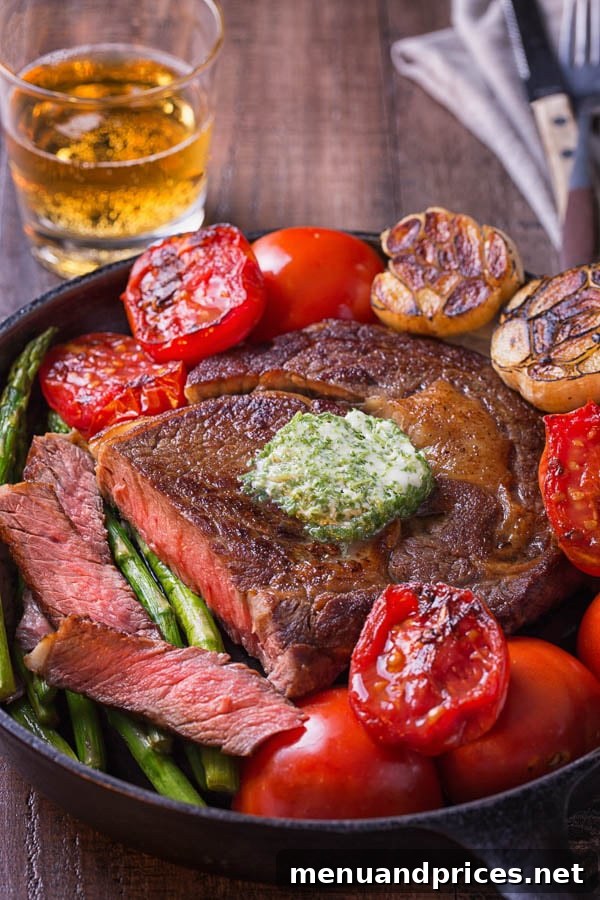
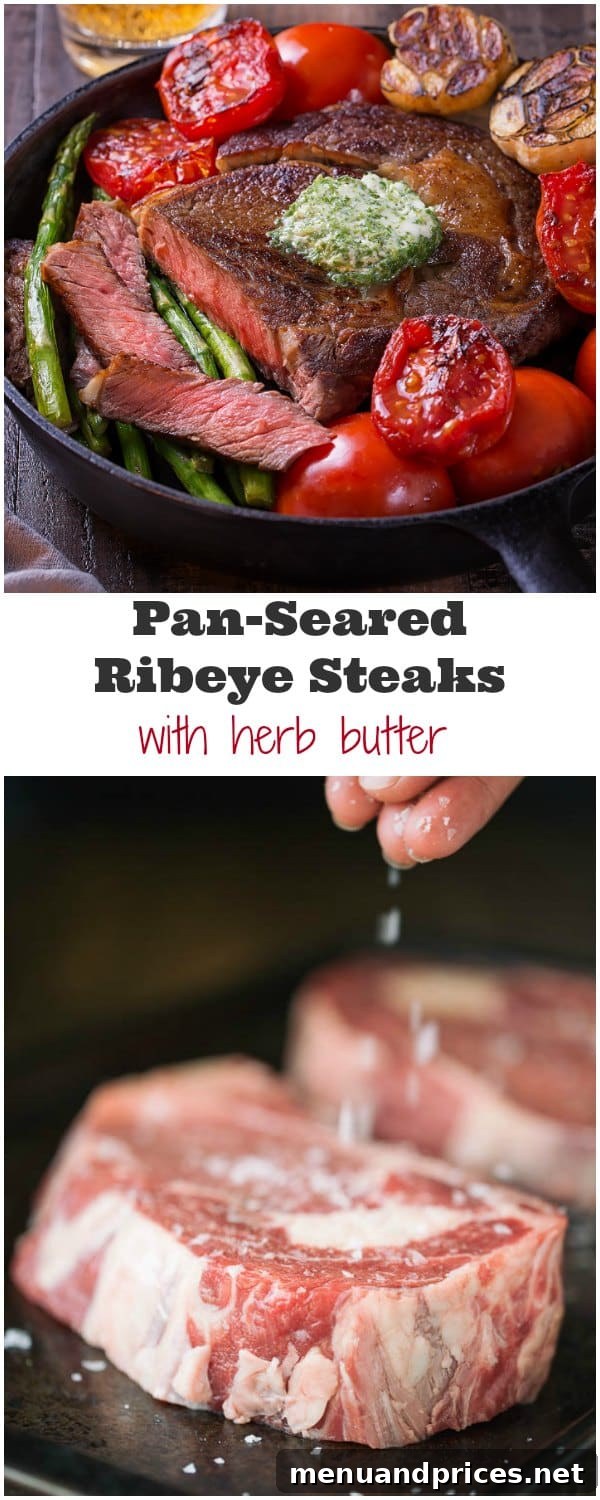
Mastering Pan-Seared Ribeye Steaks with Aromatic Herb Butter
Imagine a restaurant-quality steak dinner, cooked to perfection, in the comfort of your own kitchen. Sounds like a dream? Not anymore! Pan-seared ribeye steaks, especially when accompanied by a luscious, aromatic herb butter, offer an effortlessly quick and incredibly impressive meal for any day of the week. This guide will walk you through the simple steps to achieve a beautifully crusted, juicy ribeye that rivals any steakhouse experience, making you a culinary hero in your home.
Why Ribeye and Pan-Searing? A Match Made in Culinary Heaven
We all have those go-to meals we rely on, week after week. They might not always be the absolute favorite, but they’re consistently satisfying and keep everyone content. For many, a perfectly cooked steak holds that cherished spot. While grilling offers its unique charm, the short grilling season in many regions often leaves us craving that smoky perfection year-round. This is where the art of pan-searing shines, offering a reliable, accessible method to cook your favorite cuts to absolute flawlessness indoors.
The ribeye cut, with its generous marbling, is inherently flavorful and tender, making it an excellent choice for pan-searing. The fat renders beautifully under high heat, basting the meat from within and contributing to an unparalleled juicy texture. Pan-searing allows you to achieve an incredible, savory crust – often referred to as the Maillard reaction – that grilling sometimes struggles to deliver as consistently. By mastering this technique, you unlock the ability to enjoy exquisite steaks regardless of the weather outside.
The Secrets to a Perfectly Pan-Seared Ribeye Steak
Achieving a restaurant-quality pan-seared ribeye isn’t complicated, but it does require attention to a few crucial details. These tips are the foundation for a steak that’s tender on the inside, with a deeply flavorful crust on the outside.
1. Choose the Right Cut and Thickness
- Steak Thickness Matters: Opt for ribeye steaks that are at least 1 to 1.5 inches thick. While 2-inch steaks are often praised by chefs for their ability to develop a crust without overcooking the interior, a 1.5-inch steak is a fantastic balance for home cooks, allowing for even cooking and a magnificent sear. Thinner steaks cook too quickly, making it challenging to get a good crust before the inside overcooks.
2. Bring Steaks to Room Temperature
- The Even Cooking Advantage: If at all possible, let your steaks sit out at room temperature for 1-2 hours before cooking. This simple step is vital for even cooking. A cold steak hitting a hot pan will cause the exterior to cook much faster than the interior, leading to an unevenly cooked result. While not strictly mandatory if you’re short on time, it does make a noticeable difference in the final texture and doneness.
3. Season Generously and Strategically
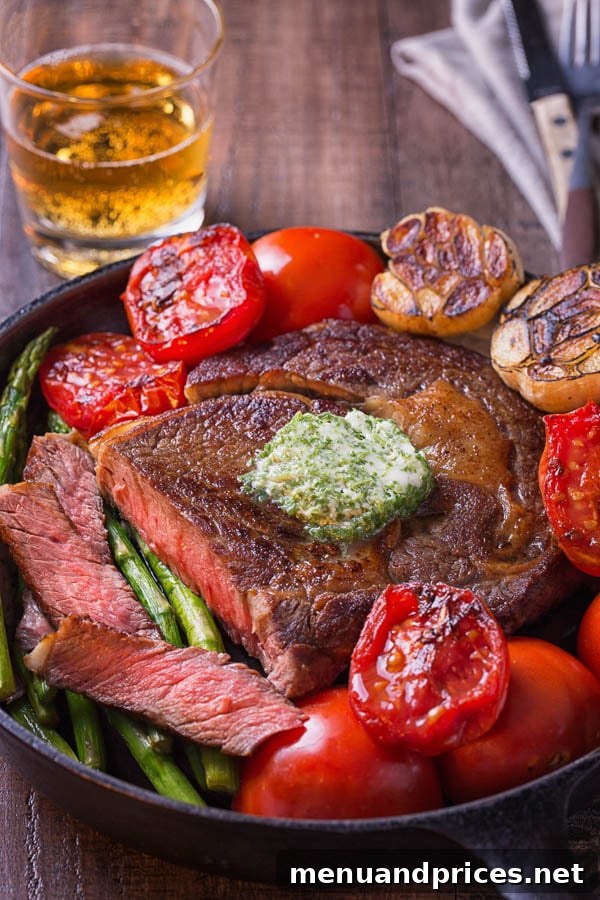
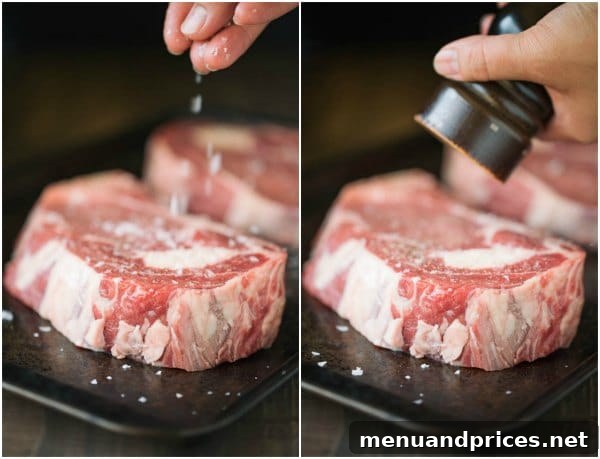
- Salt Penetration is Key: Generously season your steaks with coarse kosher salt and freshly ground black pepper at least 40 minutes prior to cooking. This allows the salt to draw moisture from the steak’s surface, then reabsorb it, seasoning the meat more deeply and aiding in the formation of a superior crust. If you don’t have 40 minutes, it’s better to salt them immediately before cooking rather than just a few minutes beforehand, as the salt will only draw moisture out without enough time to reabsorb, potentially leading to a drier surface.
4. Use the Right Equipment: The Mighty Cast Iron Skillet
- Unmatched Heat Retention: For the best possible crust, a heavy-bottomed cast iron skillet is indispensable. Cast iron’s ability to retain and distribute heat evenly is unparalleled, ensuring every inch of your steak gets that coveted golden-brown sear. Heat your skillet well before adding the oil and then the steaks. The oil should be shimmering and almost smoking hot when the steaks go in.
- Safety Note: Extremely hot oil can splatter. If you have children or pets around, ensure they are kept at a safe distance from the cooking area.
5. The Cooking Process: High Heat and Frequent Flipping
- Quick and Intense: The actual cooking time for a pan-seared ribeye is surprisingly quick, often within 10-15 minutes depending on thickness and desired doneness. Place the seasoned steak carefully into the screaming hot, oiled skillet. Cook for about 2-3 minutes per side, flipping frequently (every minute or so) after the initial sear. This frequent flipping helps cook the steak more evenly and develops a consistent crust.
- Check for Doneness: Use a meat thermometer for accuracy. For medium-rare, aim for an internal temperature of 120-125°F (49-52°C) while still in the pan, as the temperature will continue to rise during resting. Sear the sides of the steaks briefly to ensure a uniform crust all around.
6. The Essential Resting Period
- Patience Rewards: This step is non-negotiable! Once cooked, remove the steak from the pan and place it on a cutting board (preferably wooden) or a plate. Tent it loosely with foil and let it rest for a good 10-15 minutes before slicing and serving. Resting allows the juices, which have been driven to the center by the heat, to redistribute throughout the meat. Cutting into the steak too soon will result in those precious juices spilling out, leaving you with a drier, less flavorful steak.
The Magic of Aromatic Herb Butter (Compound Butter)
While a perfectly cooked steak is glorious on its own, a dollop of aromatic herb butter, also known as compound butter, elevates it to an entirely new level of deliciousness. This simple addition melts over the hot steak, infusing every bite with rich, herbaceous flavor and an extra touch of moisture. It’s incredibly easy to make and, as a bonus, can be prepared in advance and frozen for future meals, making it a convenient secret weapon in your culinary arsenal.
Crafting Your Herb Butter
The beauty of herb butter lies in its versatility. You can customize it with almost any herbs or aromatics you love or have on hand. For steak, certain combinations truly sing:
- The Classics: Fresh parsley is almost always a must, providing a bright, clean note. Rosemary and thyme are quintessential steak herbs, offering earthy and woody undertones that perfectly complement the rich flavor of beef.
- Aromatic Depth: Minced garlic is a non-negotiable for many, adding a pungent, savory kick that enhances everything. You might also consider finely chopped shallots for a milder oniony flavor.
- Citrus Zest: A touch of lemon zest can add a wonderful brightness and cut through the richness of the butter and steak.
- Spice It Up: A pinch of red pepper flakes can introduce a subtle warmth if you like a little heat.
Simply combine softened unsalted butter with your chosen finely chopped herbs, minced garlic, a pinch of coarse salt, and any other desired additions. Mix thoroughly until well combined. You can then spoon it into a small dish for immediate use, or roll it into a log using plastic wrap and refrigerate or freeze it. Slices of this frozen butter can be cut as needed, making meal prep a breeze.
Perfect Pairings: What to Serve with Your Pan-Seared Ribeye
A stellar steak deserves equally fantastic accompaniments. While the steak and herb butter might be the stars, the right side dishes complete the meal, offering balance and additional textures and flavors.
- Quick-Cooking Vegetables: For a swift and healthy addition, roasted asparagus and cherry tomatoes cook in minutes and add vibrant color and freshness. Steamed broccoli or green beans are also excellent choices, providing a crisp, verdant counterpoint to the rich steak.
- Classic Comfort: You can never go wrong with good old mashed potatoes. Their creamy texture is the perfect foil to a tender steak and helps soak up any delicious pan juices or melted herb butter. Consider roasted garlic mashed potatoes for an extra layer of flavor.
- Other Starchy Sides: Roasted potatoes, a simple rice pilaf, or even a creamy potato gratin can be wonderful alternatives to mashed potatoes, depending on your preference and the occasion.
- Fresh Salad: A simple, crisp green salad with a light vinaigrette can provide a refreshing contrast, cleansing the palate between rich bites of steak.
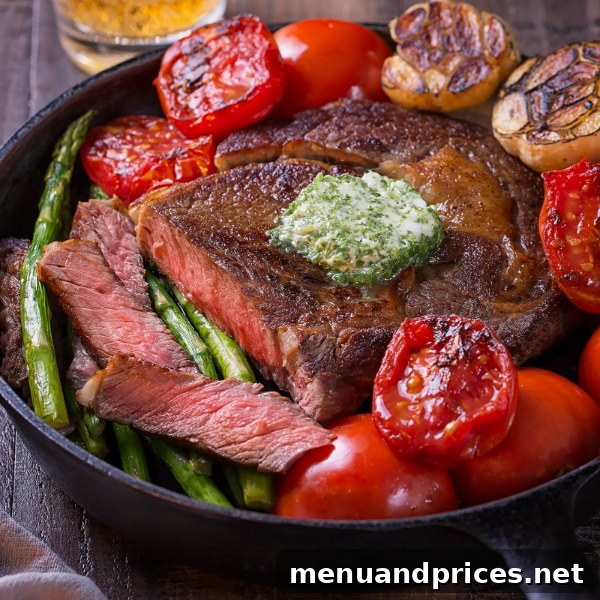
With these tips and a little practice, you’ll be confidently cooking impressive pan-seared ribeye steaks that consistently yield delicious results. This meal is not just about sustenance; it’s about creating a memorable dining experience right in your home. Give it a try, and prepare to impress yourself and your loved ones!
The Recipe: Pan-Seared Ribeye Steaks with Herb Butter
Pan-Seared Ribeye Steaks with Herb Butter
Comment
Print Recipe
Ingredients
For herb butter:
- 1 stick 115gr unsalted butter, softened
- 2 tablespoons chopped parsley
- 1 tablespoon finely chopped thyme
- 1 garlic clove pressed
- ½ teaspoon coarse kosher salt
For steaks:
- 2 boneless ribeye steaks 1 ½-inch thick
- 2 teaspoons coarse kosher salt
- 1 teaspoon black pepper
- 3 tablespoons vegetable oil or canola oil
Instructions
-
To make herb butter, in a small dish, combine softened butter, chopped parsley, finely chopped thyme, pressed garlic, and coarse kosher salt. Stir until well combined. For immediate use, refrigerate until ready to serve. For longer storage, transfer the butter onto plastic wrap and form it into a log. Wrap tightly and freeze. You can slice off portions as needed.
-
To cook the steaks, if possible, bring the steaks to room temperature by taking them out on the counter for 1-2 hours before cooking. Generously season both sides of the steaks with coarse kosher salt and black pepper at least 40 minutes prior to cooking, or right before cooking.
-
Heat a cast iron skillet over high heat until it’s very hot, almost smoking.
-
Add the vegetable or canola oil to the hot skillet and heat until it begins to shimmer and smoke lightly. Carefully place the seasoned ribeye steak in the skillet, using tongs. Cook for 3 minutes for an initial sear. Turn the steak and cook for another 3 minutes. Continue flipping every minute or so for another 3-6 minutes, or until the internal temperature reaches 120-125°F (49-52°C) for medium-rare using a meat thermometer. Sear the sides of the steaks as well, holding them with tongs.
-
Remove the cooked steak onto a wooden cutting board or plate. Cover loosely with foil and let it rest for at least 10 minutes before cutting and serving. This resting period is crucial for the juices to redistribute, ensuring a tender and juicy steak. Repeat the cooking process with the next steak if cooking them individually.
-
Top each steak with a generous slice of the prepared herb butter just before serving, allowing it to melt over the hot meat. Serve immediately with your favorite side dishes.
⭐️ Did you make this recipe?
Please leave a review and let us know how you liked it!
Nutrition