

Prepare to be amazed by this unbelievably light and delicate soufflé cheesecake. With an airy texture that simply melts in your mouth, this dessert is a true delight. What’s even better? It requires only three basic ingredients, making it an incredibly easy recipe to whip up. Whether you’re a seasoned baker or a kitchen novice, this customizable cake is sure to impress.
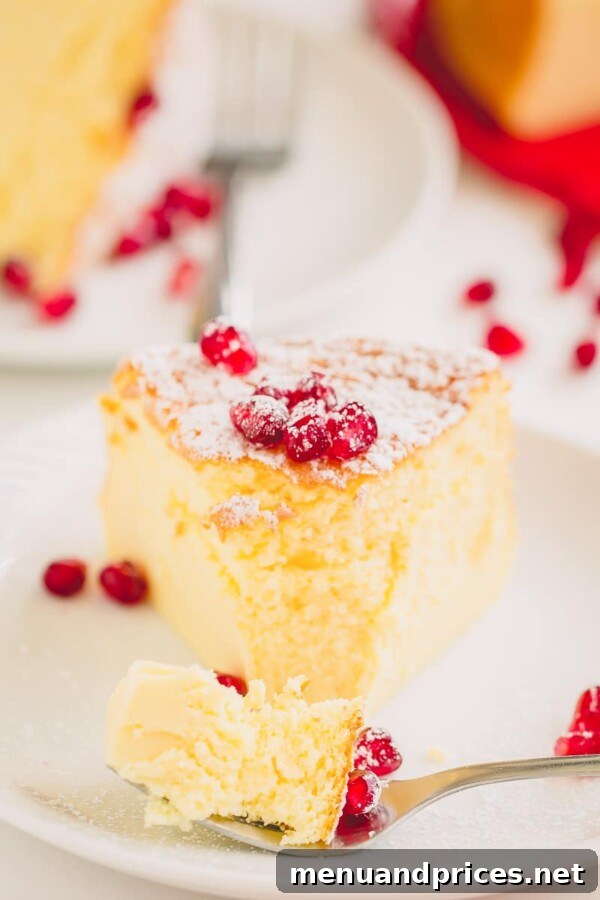
Experience the Magic of Our 3-Ingredient Soufflé Cheesecake
If you’re searching for a dessert that’s both simple to make and exquisitely delicious, look no further! This ultra-light and airy soufflé cheesecake is a revelation. It shares a striking resemblance to the popular Japanese cotton cheesecake, known for its incredibly soft, fluffy texture, but our version takes simplicity to a whole new level by requiring only three core ingredients. It’s a game-changer for anyone craving a sophisticated yet straightforward sweet treat.
While the original concept for a minimalist cheesecake often features white chocolate, we’ve taken it a step further to simplify the process without compromising on flavor or texture. By cleverly substituting sweetened condensed milk for melted white chocolate, we’ve achieved a phenomenal result – a cheesecake that is not only easy but also perfectly sweet and irresistibly smooth. This ingenious tweak streamlines the recipe, making it accessible to even more home bakers eager to try their hand at a truly impressive dessert.
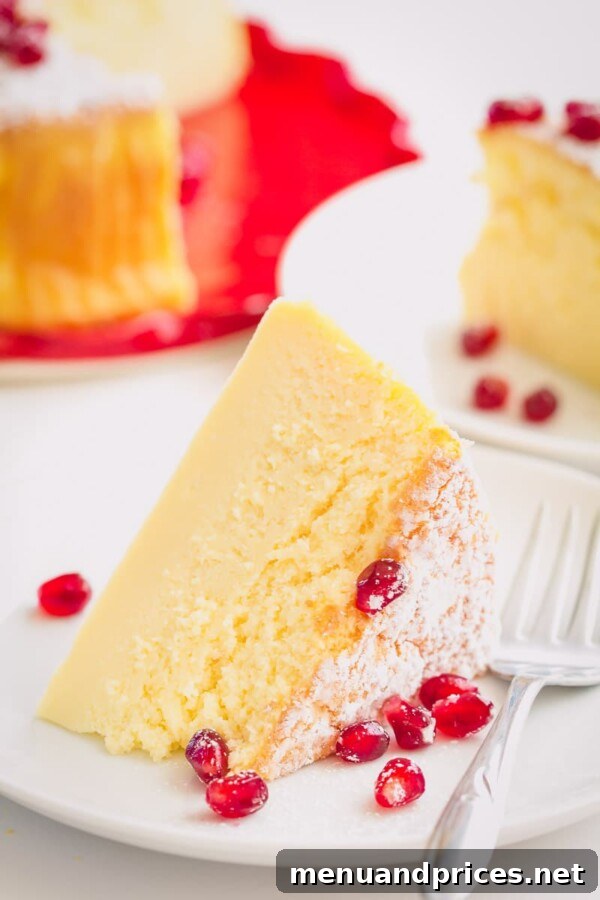
Why Just 3 Ingredients? The Secret to Effortless Elegance
You might be wondering how such a luxurious dessert can be created from just three ingredients: eggs, cream cheese, and sweetened condensed milk. The magic lies in the specific properties and interactions of these components. The cream cheese provides the classic tangy, rich flavor and a substantial base. Sweetened condensed milk not only sweetens the mixture but also contributes to the smooth, creamy consistency and adds a delicate caramelized note. Finally, the eggs are the true heroes, particularly the whipped egg whites, which are responsible for the soufflé’s signature airy, cloud-like texture and incredible lift.
Unlike traditional cheesecakes that often rely on flour, cornstarch, or other leavening agents for structure, this soufflé cheesecake achieves its impressive height and lightness through the careful incorporation of stiffly beaten egg whites. This method, similar to that used in classic soufflés and Japanese cotton cheesecakes, creates countless tiny air pockets throughout the batter. During baking, these air pockets expand, causing the cake to puff up dramatically, resulting in that delightful “melt-in-your-mouth” experience. This minimalist approach proves that sometimes, less is indeed more, especially when it comes to creating culinary masterpieces.
Essential Ingredients for Your Soufflé Cheesecake
Achieving perfection with this 3-ingredient soufflé cheesecake hinges on the quality and preparation of each component. While the list is short, each ingredient plays a crucial role in developing the unique texture and flavor of this dessert.
- Large Eggs (5, at room temperature): Eggs are the structural backbone of this soufflé cheesecake. Separating the yolks and whites is key. The yolks provide richness and contribute to the creamy texture, while the whites, when whipped to stiff peaks, create the airy lift that defines a soufflé. Ensuring your eggs are at room temperature is vital, as room-temperature egg whites whip up more easily and achieve greater volume, which is essential for that signature fluffiness.
- Cream Cheese (8 oz / 225g, at room temperature): Full-fat cream cheese is highly recommended for the best flavor and texture. Like the eggs, it’s crucial that your cream cheese is at room temperature. Cold cream cheese will be lumpy and difficult to beat smooth, leading to an inconsistent batter. When softened, it blends seamlessly with the other ingredients, creating a velvety base for your cheesecake.
- Sweetened Condensed Milk (1 can, 14oz / 400g): This ingredient acts as both the sweetener and a binding agent, replacing traditional sugar and often some fat found in other cheesecake recipes. Its thick, syrupy consistency adds moisture and helps achieve the incredibly smooth, almost custard-like texture of the finished cake. It also provides a beautiful, subtle caramel note that complements the cream cheese beautifully. Avoid substituting with evaporated milk, as it lacks the necessary sweetness and thickness.
By focusing on these three simple, high-quality ingredients and preparing them correctly, you’re already well on your way to baking a truly exceptional soufflé cheesecake.
Step-by-Step Guide: How to Make Soufflé Cheesecake
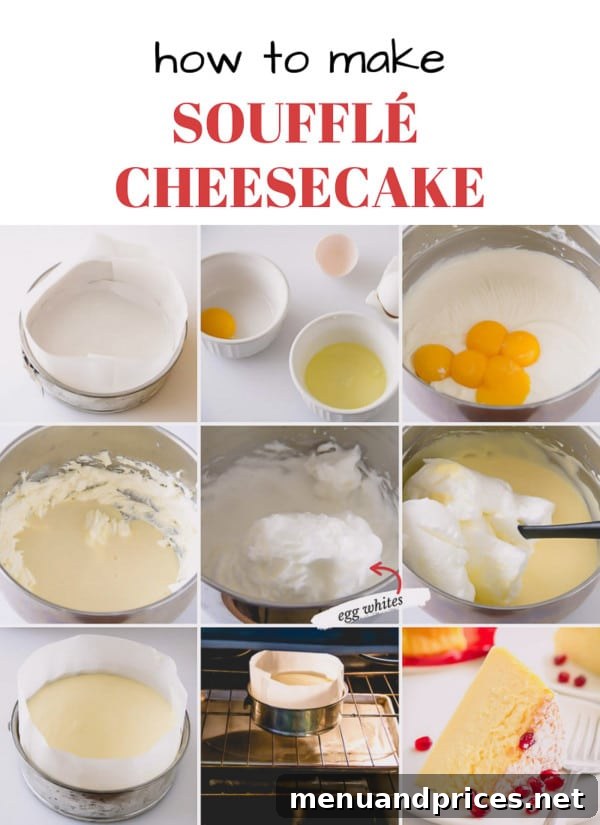
Step 1: Prepare Your Baking Pan
- For this delicate cake, you’ll need an 8-inch (20 cm) springform pan with high sides, ideally at least 2.5 inches (6 cm) tall.
- Carefully line the bottom and sides of the pan with parchment paper. Cut a round circle for the bottom and a long strip for the sides.
- **Tip for Success:** When cutting the parchment paper for the sides, ensure it’s taller than the pan. This allows the cake to rise significantly during baking without spilling over. Don’t worry if it puffs up quite high – it’s completely normal for a soufflé cheesecake to slightly fall back to its original height as it cools. This characteristic rise and gentle fall is part of its charm.
Step 2: Crafting the Silky Batter
- Begin by carefully separating the egg whites and yolks. This step is critical: ensure absolutely no yolk gets into the egg whites, as even a tiny speck of fat can prevent the whites from whipping properly.
- In a large mixing bowl, using an electric mixer with a paddle attachment or a handheld mixer, beat the room-temperature cream cheese until it is completely smooth and fluffy, which usually takes about 1 minute. Scrape down the sides of the bowl to ensure even mixing.
- Pour in the sweetened condensed milk and continue to beat for another minute until thoroughly combined and the mixture is even smoother.
- Next, add the egg yolks one by one, beating well after each addition until they are fully incorporated and the batter is a uniform pale yellow. This usually takes 2-3 minutes.
- In a separate, impeccably clean and grease-free bowl, whip the egg whites until they form stiff, glossy peaks. This means when you lift the beaters, the peaks stand up firmly without collapsing. Room-temperature egg whites will achieve this much faster.
- Now, the crucial step: gently fold half of the whipped egg whites into the cream cheese mixture. Use a spatula and a light hand, folding until just combined. Then, add the remaining egg whites and continue to fold gently until no white streaks are visible. Overmixing will deflate the egg whites, resulting in a dense cake. The goal is a light, airy batter.
Step 3: The Gentle Bake
- Carefully pour the delicate batter into your prepared springform pan. Gently tap the pan on the counter a few times to release any large air bubbles and level the surface.
- Preheat your oven to 325°F (160°C). This specific temperature is vital for a gentle bake, preventing the cake from cooking too quickly and cracking. (Note: If you have seen other recipes or videos, please adhere to this 325°F temperature, as it is optimized for the best results with this specific recipe.)
- Place a baking pan filled with about 2 cups of boiling water on the lower rack of your oven. This creates a humid environment, which is key for a perfectly baked soufflé cheesecake.
- Place your cheesecake pan on the middle rack, directly above the water bath.
- Bake for 45 minutes. The cake will rise beautifully during this time.
- After 45 minutes, turn off the oven but leave the cheesecake inside with the oven door ajar (or slightly propped open) for an additional 40 minutes. This slow cooling process prevents drastic temperature changes that can lead to cracking and ensures the cake sets gradually.
- **Tip for Humidity:** Baking your soufflé cheesecake in a humid environment (the water bath) is paramount. It helps the cake cook evenly and minimizes the chances of cracks forming on the top surface, contributing to a smooth, pristine finish.
Step 4: The Essential Chill
As tempting as it might be to dig in immediately, patience is a virtue when it comes to cheesecake! The chilling phase is absolutely essential for the cake to fully set and for its flavors and unique texture to develop.
- Once the cheesecake has cooled completely to room temperature in the oven, carefully remove it. Unclasp the sides of the springform pan and gently peel off the parchment paper from the sides.
- Transfer the cheesecake to the refrigerator and chill for at least 2-3 hours, or, for the absolute best taste and texture, preferably overnight. This extended chilling time allows the cheesecake to firm up, making it easier to slice and enhancing its delicate, melt-in-your-mouth quality.
- When you are ready to serve, gently remove the parchment paper from the bottom of the cake and transfer it to your serving platter.
Troubleshooting & Tips for Soufflé Cheesecake Perfection
How to Prevent Soufflé Cheesecake from Cracking:
Cracks are a common concern with cheesecakes, but with a soufflé cheesecake, a few simple techniques can help ensure a flawless top:
- Maintain Humidity: As mentioned in the baking instructions, always use a water bath. The steam it generates keeps the oven air moist, allowing the cake to cook gently and preventing the surface from drying out and cracking.
- Gentle Cooling: Avoid sudden temperature changes. Cooling the cheesecake gradually inside the turned-off oven (with the door ajar) is crucial. Taking it out immediately can shock the cake and cause it to crack.
- Room Temperature Ingredients: Ensure your cream cheese and eggs are at room temperature. This helps create a smooth, emulsified batter that bakes evenly.
However, if your cheesecake does develop a small crack, don’t fret! This happens to even the most experienced bakers, and it absolutely does not affect the delicious taste and texture. There’s no baking police who will give you a ticket for a slight imperfection, we promise!
Tip
Easily cover up any minor cracks by dusting the cake generously with powdered sugar just before serving. You can also artfully arrange fresh fruits on top, creating a beautiful and appealing presentation that hides any small blemishes.
And yes, even the most photogenic cheesecakes might hide a tiny crack under a generous pile of pomegranate seeds! What truly matters is the irresistible, not-too-sweet, melt-in-your-mouth light, and utterly delicious taste and texture that this soufflé cheesecake delivers every single time.
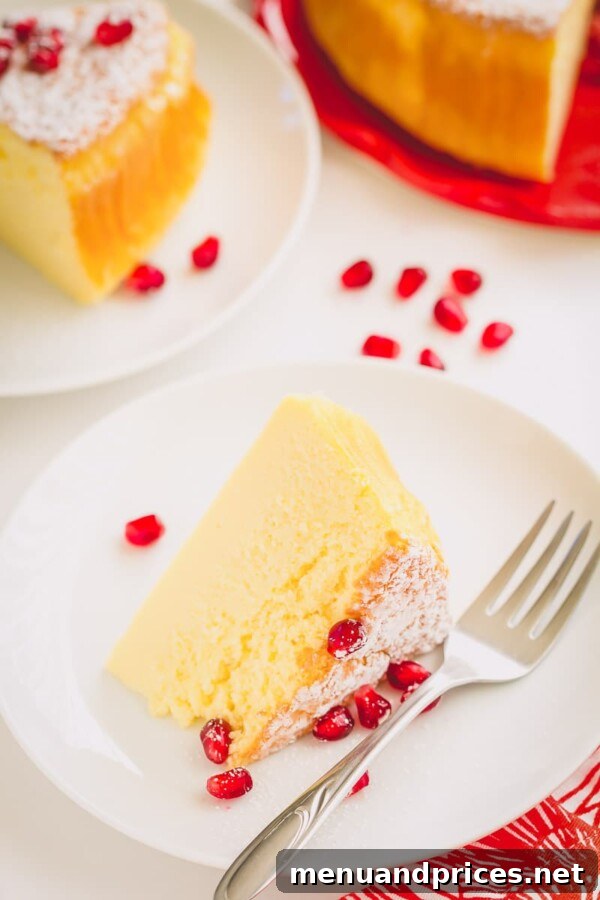
Elegant Serving Suggestions for Your Soufflé Cheesecake:
This basic soufflé cheesecake is incredibly versatile, making it the perfect canvas for a variety of delicious toppings and sauces. Since it lacks additional strong flavors within the cake itself, it pairs beautifully with almost anything you desire:
- Homemade Seedless Raspberry Sauce: A vibrant, tart counterpoint to the cheesecake’s sweetness.
- Fresh Strawberry Sauce: Sweet and slightly acidic, it brings a burst of summer flavor.
- Rich Caramel Sauce: For those who love a deeper, sweeter indulgence.
- Fresh Fruits and Powdered Sugar: A simple dusting of powdered sugar with a medley of fresh berries, sliced kiwi, or mango adds freshness and visual appeal.
- Decadent Chocolate Ganache: A classic pairing for a truly luxurious experience.
- A dollop of whipped cream and a sprinkle of citrus zest for a refreshing finish.
Explore Exciting Soufflé Cheesecake Variations:
Once you master this basic 3-ingredient version, the possibilities for customization are endless. Don’t stop with the basic recipe when you can easily expand your repertoire and enjoy delightful variations:
- Lemon Soufflé Cheesecake: Infuse bright, zesty lemon flavor into your cheesecake for a refreshing twist. This variation typically involves adding lemon zest and a touch of lemon juice to the cream cheese mixture, providing a lovely citrus tang.
- Milk Chocolate Soufflé Cheesecake: For chocolate lovers, a milk chocolate version introduces a rich, comforting cocoa flavor. This usually involves melting milk chocolate and incorporating it into the cream cheese batter, creating a dreamy, chocolatey delight while maintaining the signature soufflé texture.
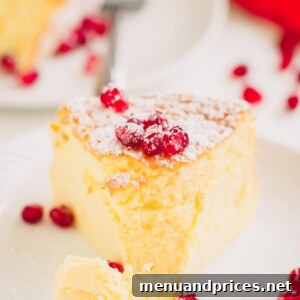
Soufflé Cheesecake
By Shinee Davaakhuu
This soufflé cheesecake is melt-in-your-mouth light and delicate. With just 3 ingredients, this cake is easy to make and can be customized any which way!
Ingredients
- 5 large eggs, at room temperature
- 8 oz (225 g) cream cheese, at room temperature
- 1 (14oz) can (400 g) sweetened condensed milk
Instructions
- Preheat the oven to 325°F (160°C). (Note: If you watched the video, you may have noticed a difference in oven temp. This cheesecake needs to be baked at 325°F for optimal results.)
- To prepare the pan: You’ll need an 8-inch (20cm) springform pan that is at least 2.5 inches (6cm) deep.
- Cut a 3.5-inch (9cm) wide long strip and an 8-inch (20cm) round circle of parchment paper. Line the sides and the bottom of the springform pan with the prepared parchment paper. Set aside.
- To make the batter: Carefully separate the egg whites and yolks, ensuring no yolk gets into the whites.
- In a mixing bowl with a paddle attachment, or using a handheld electric mixer, beat the room-temperature cream cheese until it is smooth and fluffy, about 1 minute.
- Add the sweetened condensed milk and beat for another minute until fully combined.
- Then, add the egg yolks and continue to beat until well combined, about 2-3 minutes.
- In a separate, clean bowl, beat the egg whites until hard peaks form. Ensure the bowl and beaters are squeaky clean and free of any grease. (Tip: Egg whites at room temperature are easier to beat and reach stiff peaks faster.)
- Gently fold in half of the whipped egg whites into the cream cheese mixture using a spatula. Then, add the remaining egg whites and gently fold until well-combined and no white streaks are visible. Be careful not to deflate the mixture.
- Transfer the batter into the prepared pan and gently tap it on the counter a few times to release any large air bubbles.
- To bake: Place a baking sheet or oven-safe dish on the lower rack of the oven and pour about 2 cups of boiling water into it to create a water bath.
- Put the cheesecake pan on the middle rack, directly above the water bath.
- Bake for 45 minutes.
- After baking, turn off the oven and let the cake cool in the oven for 40 minutes with the door slightly ajar. This gradual cooling helps prevent cracks.
- Then, bring the cheesecake out of the oven. Once at room temperature, remove the sides of the springform pan and gently peel off the parchment paper from the sides.
- Cool completely on the counter, then refrigerate for at least 2-3 hours, or preferably overnight. This chilling process significantly affects the taste and texture of the final cheesecake, allowing it to set properly.
- When ready to serve, gently remove the parchment paper on the bottom. Ensure the cheesecake is thoroughly chilled and set completely. Transfer the cheesecake onto a serving platter. If desired, dust with powdered sugar and top with fresh fruits for decoration.
⭐️ Did you make this recipe?
Please leave a review and let us know how you liked it!
Nutrition

Did you make this? Leave a rating and your feedback. Thank you!
This recipe was originally published on December 22, 2014, and has been updated for clarity and expanded content.