

How to Cook Beef Tongue: A Guide to Melt-in-Your-Mouth Tenderness
Cooking beef tongue is simpler than you might imagine, yielding exceptionally tender, flavorful meat that’s incredibly versatile. Whether served as a sophisticated appetizer or incorporated into hearty main dishes, this often-overlooked cut is a true culinary gem. Prepare to transform an unassuming ingredient into a delicious, succulent delicacy that will surprise and delight your palate.
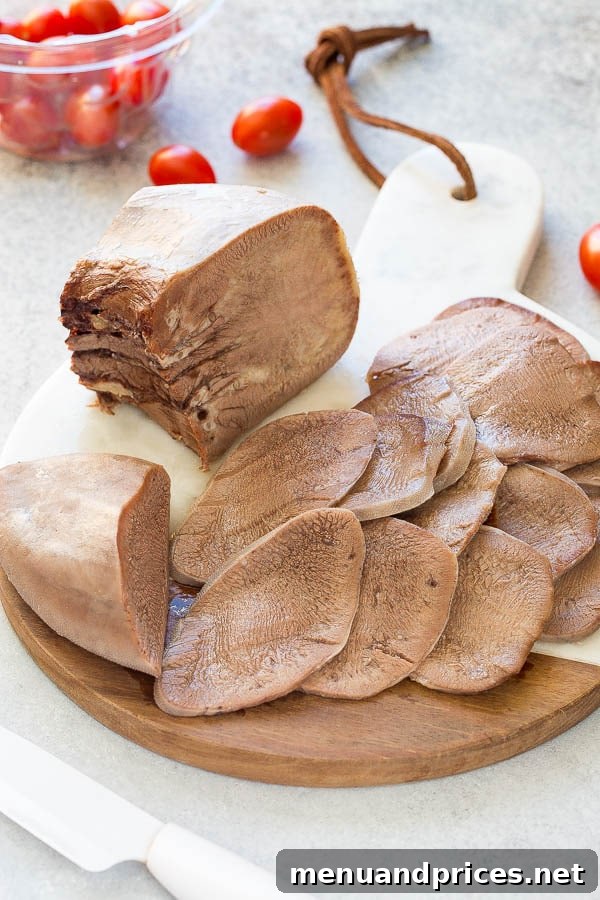
Unlocking the Flavor: Why Beef Tongue Deserves a Spot on Your Table
For many, the idea of cooking beef tongue might seem unconventional, but I assure you, it’s a culinary experience well worth embracing. Its rich, distinctive flavor and incredibly tender texture, especially when slow-cooked, make it a prized ingredient in cuisines worldwide. From Latin American tacos de lengua to European deli meats and Asian stir-fries, beef tongue transcends cultural boundaries with its delicious appeal. Beyond its culinary versatility, beef tongue is also an economical choice, offering substantial portions that can be transformed into multiple satisfying meals throughout the week.
My own journey with beef tongue began in Mongolia, where it’s a cherished staple, particularly during festive occasions like the Lunar New Year. Growing up, thinly sliced beef tongue was a common and delicious appetizer, never perceived as unusual. I’m fortunate now to have access to fresh tongue directly from our ranch, a perk that initially surprised my husband and in-laws, but has since become a delightful tradition. This traditional approach to nose-to-tail eating emphasizes utilizing every part of the animal, fostering appreciation for less common cuts and their unique contributions to the dinner table.

The Simple Secret: Mastering the Art of Slow-Cooked Beef Tongue
The beauty of cooking beef tongue lies in its remarkable simplicity. You don’t need exotic ingredients or complex culinary techniques to achieve perfect results. My preferred method involves a straightforward simmer with just a few basic seasonings, allowing the meat’s natural, hearty flavors to shine through. This gentle cooking process breaks down the tough fibers, yielding a butter-soft texture that practically melts in your mouth.
Essential Ingredients for Perfect Beef Tongue
- One Beef Tongue (about 3 lbs): Choose a fresh tongue with a vibrant, consistent color.
- 1 Tablespoon Salt: Essential for seasoning the meat as it cooks.
- 1 Tablespoon Black Peppercorns: Adds a subtle, aromatic spice.
- 2 Dried Bay Leaves: Infuses an earthy, herbaceous note into the cooking liquid.
- Enough Water to Cover: The exact amount will vary based on your pot size.
Step-by-Step Slow Simmering Method
Follow these easy steps to prepare incredibly tender beef tongue:
- Initial Rinse: Begin by thoroughly washing the beef tongue under cold running water. While some sources suggest extensive scrubbing, remember that the tougher outer skin will be removed after cooking, so a good rinse is generally sufficient. You may trim any visible excess fat or glands if desired, but it’s not strictly necessary for the initial cooking.
- Pot Selection: Place the cleaned beef tongue into a large, heavy-bottomed pot or Dutch oven. Ensure the pot is spacious enough to comfortably hold the tongue and enough liquid. A 5.5-quart Dutch oven, for instance, works perfectly for a 3-pound tongue.
- Submerge Completely: Fill the pot with cold water, ensuring the beef tongue is fully submerged. It’s crucial for even cooking and tender results that no part of the tongue is exposed above the waterline.
- Add Seasoning: Into the water, add the salt, black peppercorns, and dried bay leaves. These simple aromatics will impart a delicious foundational flavor to the meat.
- Boil and Reduce: Bring the water to a rolling boil over medium-high heat. Once boiling, immediately reduce the heat to medium-low, or just enough to maintain a gentle simmer. The water should be bubbling subtly, not vigorously.
- Slow Simmer: Cover the pot and allow the beef tongue to simmer for approximately 3 hours. The exact cooking time may vary based on the size of your tongue; larger tongues might require slightly longer. The goal is fork-tenderness.
- Cooling Period: Once cooked, carefully remove the tongue from the pot and transfer it to a cutting board or clean surface. Let it cool for about 10-15 minutes, or until it’s comfortable enough to handle without burning yourself.
- Effortless Peeling: This is where the magic happens! Gently peel off the tough outer skin from the beef tongue. It should come off quite easily in large sections once cooked properly. Discard this outer skin.
- Slice and Serve: With the skin removed, slice the tender meat against the grain into desired thickness. For appetizers, thin slices are ideal; for main dishes, you might prefer thicker cuts. Serve immediately while warm, or chill for later use.
- Storage: Leftover cooked and peeled beef tongue can be stored in an airtight container in the refrigerator for 3-4 days, or frozen for up to 2-3 months. Thaw frozen tongue overnight in the fridge before use.
This method guarantees a beef tongue that’s not just cooked, but truly transformed into a tender, succulent delicacy, ready to be enjoyed in countless ways.
Frequently Asked Questions About Cooking Beef Tongue
Beef tongue might seem intimidating at first, but many common questions have simple answers. Here, we address some of the most frequent queries to help you confidently prepare this unique cut of meat.
How do you prepare beef tongue before cooking?
Preparation is surprisingly simple. Begin by rinsing the beef tongue thoroughly under cold water to remove any surface impurities. You can scrub it lightly with a brush if you feel it’s necessary, but don’t obsess over it, as the tough outer membrane will be removed after cooking. Some prefer to trim off any excess fat or glands at the base of the tongue before cooking, which can improve the final presentation, but it’s not essential for achieving tenderness. The most important step is ensuring it’s clean before simmering.
Can I cook beef tongue in a pressure cooker or Instant Pot?
Absolutely! A pressure cooker or Instant Pot is an excellent choice for significantly reducing cooking time while still achieving that desired melt-in-your-mouth tenderness. For a typical 3-pound beef tongue, you’ll likely need to cook it for about 60-90 minutes under high pressure, followed by a natural pressure release. This method can save you hours compared to stove-top simmering. Always refer to your specific appliance’s manual for precise timing and water requirements to ensure safe and optimal results, as models can vary.
What about using a slow cooker for beef tongue?
The slow cooker is another fantastic method for preparing beef tongue, perfect for those who prefer a hands-off approach. While it takes longer than stove-top simmering, the result is equally tender and flavorful, often even more so as it cooks gently for an extended period. The technique remains similar: place the cleaned tongue in the slow cooker, cover completely with water, add your seasonings (salt, peppercorns, bay leaves), and cook on low for 6-8 hours or on high for 3-4 hours. It’s an ideal option for busy days.
Can cooked beef tongue be grilled?
Indeed! Once you’ve slow-cooked and peeled the beef tongue, slicing it and grilling it adds a wonderful smoky char and an extra layer of flavor. This method is particularly fantastic for making delicious beef tongue tacos, where the grilled meat pairs perfectly with fresh salsas and warm tortillas. You can marinate the sliced tongue for 30 minutes to an hour before grilling with a blend of your favorite spices, garlic, and a touch of acid like lime juice to enhance the flavor even further.
Where can I purchase beef tongue?
Beef tongue is readily available at most reputable butcher shops. If your local large grocery store doesn’t typically display it, don’t hesitate to ask the butcher; they can often order it for you or have it in the back. Specialty ethnic markets, especially Mexican or Asian grocery stores, are also excellent sources, as beef tongue is a popular ingredient in many of these cuisines. Always opt for fresh, good-quality meat from a trusted vendor.
If you’ve got any other questions, leave them in the comments below, and I’d be happy to help!
Versatile Delicacy: Creative Ways to Enjoy Your Cooked Beef Tongue
One of the most appealing aspects of cooked beef tongue is its incredible versatility. Once tender and peeled, it transforms into a culinary canvas ready for a multitude of dishes, easily adapting to various flavor profiles and meal types.
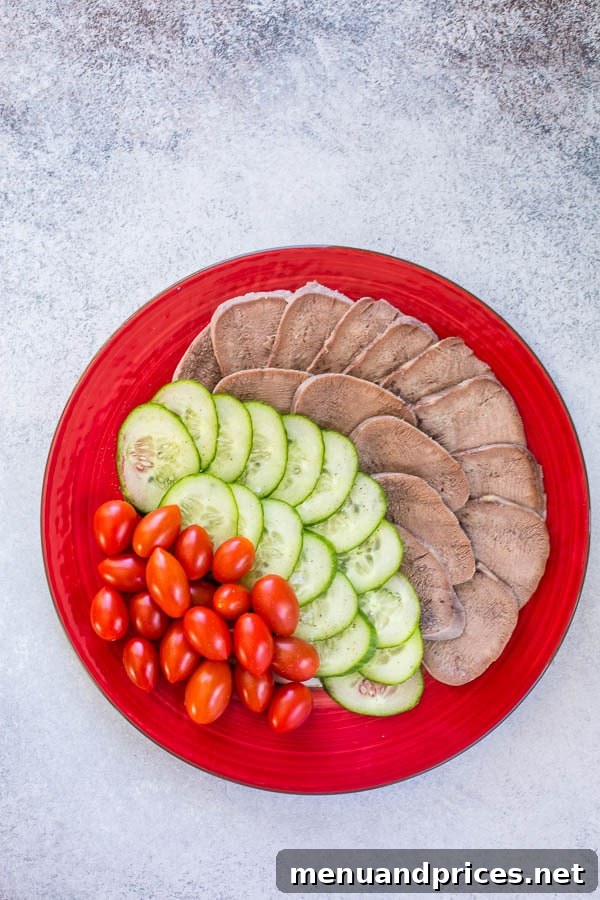
Classic Appetizer: Mongolian Style
As a nod to my heritage, I often prepare thinly sliced beef tongue as a classic Mongolian appetizer. Served chilled or at room temperature, it’s typically accompanied by crisp cucumber slices and fresh tomatoes, creating a refreshing contrast to the rich meat. A light dressing made from soy sauce, garlic, sesame oil, and a hint of vinegar can further enhance this simple yet elegant starter, perfect for sharing or a light meal.
Global Inspirations: Tacos, Stir-fries, and Beyond
Beyond its role as an appetizer, beef tongue shines in diverse international cuisines, showcasing its adaptability and rich texture. It’s a foundational ingredient in Mexican Lengua tacos, renowned for their incredible depth of flavor when shredded or diced and served with cilantro, onions, and your favorite salsa. In Chinese cooking, it often features in aromatic stir-fries or slow-braised dishes, soaking up complex sauces. I personally love adding it to hearty stir-fries with vegetables, and it creates an exceptionally rich and satisfying fried rice, elevating a simple dish to gourmet status.
- Tacos de Lengua: Slice or shred the cooked tongue, warm it in a pan with a little broth or oil, and serve in warm tortillas with chopped onions, cilantro, and a squeeze of lime.
- Gourmet Sandwiches: Thinly slice the tongue for robust deli-style sandwiches, hot or cold, with mustard, pickles, and crisp lettuce.
- Hearty Salads: Add sliced beef tongue to a fresh green salad for a protein-rich and flavorful meal.
- Stews and Soups: Dice the cooked tongue and add it to stews or soups for extra richness and substance.
- Breakfast Hash: Combine diced tongue with potatoes, onions, and peppers for a unique and filling breakfast or brunch hash.

Your Homemade Beef Tongue Recipe

How to Cook Beef Tongue
Shinee Davaakhuu
3 hours
30 minutes
6-8
servings
Comment
Print Recipe
Ingredients
-
1
beef tongue
about 3lbs -
1
tablespoon
salt -
1
tablespoon
black peppercorns -
2
dried bay leaves
Instructions
-
Wash the beef tongue thoroughly under cold running water. Lightly scrub if necessary to ensure it’s clean before cooking.
-
Place the cleaned tongue in a large pot or Dutch oven. Fill the pot with water to fully cover the meat. (A 5.5qt Dutch oven is ideal.)
-
Add the salt, black peppercorns, and bay leaves to the pot.
-
Bring the water to a boil over medium-high heat.
-
Once boiling, reduce the heat to medium-low, cover the pot, and simmer gently for about 3 hours, or until the tongue is fork-tender.
-
Carefully remove the cooked tongue from the pot and place it on a cutting board. Let it cool until it’s safe and comfortable to handle.
-
Once cooled slightly, peel off the tough outer skin from the beef tongue. It should come off quite easily. Discard the peeled skin.
-
Slice the tender meat against the grain into desired thickness and serve. Leftover meat can be stored in an airtight container in the fridge for a few days, or frozen for longer storage.
-
Cooked beef tongue is incredibly versatile: enjoy it as an appetizer with cucumbers and tomatoes, or incorporate it into stir-fries, tacos, sandwiches, or salads. For extra flavor, you can also grill the sliced cooked tongue.
⭐️ Did you make this recipe?
Please leave a review and let us know how you liked it!
Nutrition
9
kcal
2
g
1
g
1
g
1
g
2326
mg
Appetizer, Main Course
American

Did you make this?
Leave a rating and your feedback. Thank you!
Conclusion: A Culinary Adventure Awaits
I genuinely hope this comprehensive guide inspires you to explore the wonderful world of cooked beef tongue. It’s an ingredient that truly rewards the adventurous cook with incredible flavor, surprising tenderness, and remarkable versatility. Dispelling any initial hesitations, you’ll discover that preparing beef tongue is a straightforward process that unlocks a rich, satisfying culinary experience.
Give this recipe a try, and I’m confident you’ll discover a new favorite for your culinary repertoire, perhaps even starting a new tradition in your own kitchen. Don’t forget to share your experience and thoughts with us in the comments below. Happy cooking, and enjoy the delicious journey!