
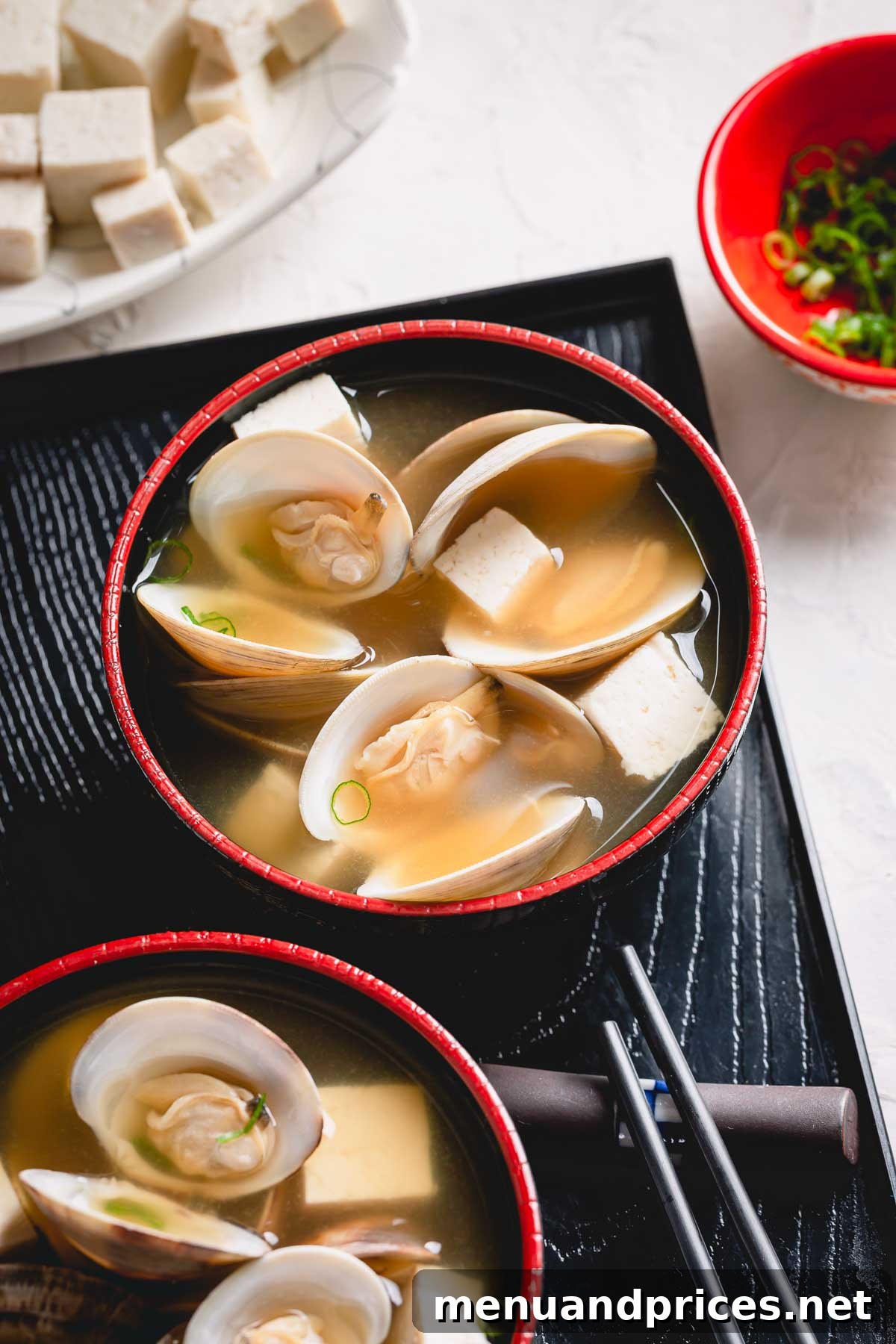
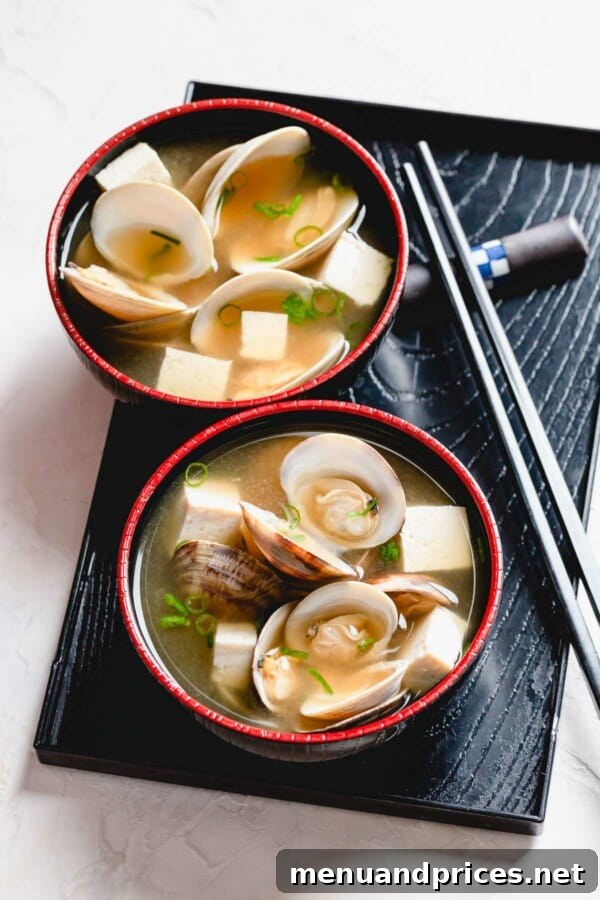
Transform your next homemade miso soup into a culinary delight by adding fresh clams! This simple yet sophisticated twist introduces an extra layer of rich umami flavor and a significant boost of protein, making it a complete and satisfying meal. Best of all, preparing this exquisite Clam Miso Soup is just as straightforward as making traditional miso soup, proving that extraordinary flavors don’t always require extraordinary effort.
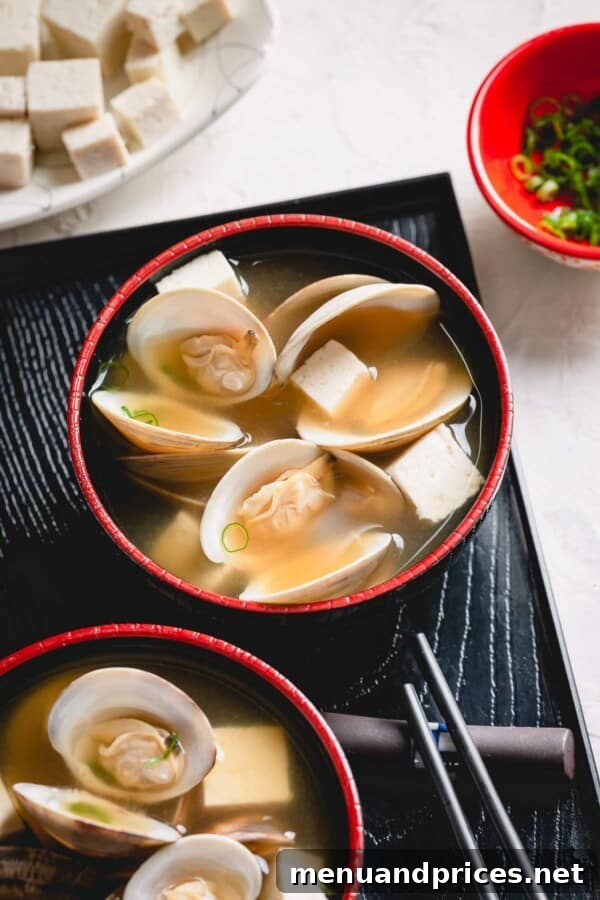
Why You’ll Fall in Love with This Clam Miso Soup
Clam Miso Soup, known as Asari Miso Soup in Japan, offers a unique and deeply satisfying experience that stands apart from its traditional counterpart. One of the most compelling reasons to try this recipe is its inherent flavor profile. When you use fresh clams, you unlock a natural treasure trove of umami, the savory “fifth taste.” This means you don’t need to prepare a separate dashi (Japanese soup stock typically made from kombu and bonito flakes) as the clams themselves infuse the broth with an incredibly rich and complex flavor. This not only simplifies the cooking process but also delivers an authentic taste that is both comforting and invigorating.
Beyond its exceptional taste, clam miso soup is surprisingly nutritious. Clams are an excellent source of lean protein, iron, and various other essential minerals, contributing to a healthy and balanced diet. The addition of miso paste brings its own probiotic benefits, supporting gut health. It’s a quick meal solution for busy weeknights, yet elegant enough to impress guests. The delicate balance of salty, savory, and subtly sweet notes makes it a versatile dish, perfect as a light lunch, a comforting appetizer, or a nourishing accompaniment to a larger Japanese-inspired meal.
Key Ingredients for an Authentic Clam Miso Soup
Crafting the perfect Clam Miso Soup starts with selecting high-quality ingredients. Each component plays a vital role in building the soup’s distinctive flavor and texture. Here’s a closer look at what you’ll need:
- Clams: The Heart of the Umami
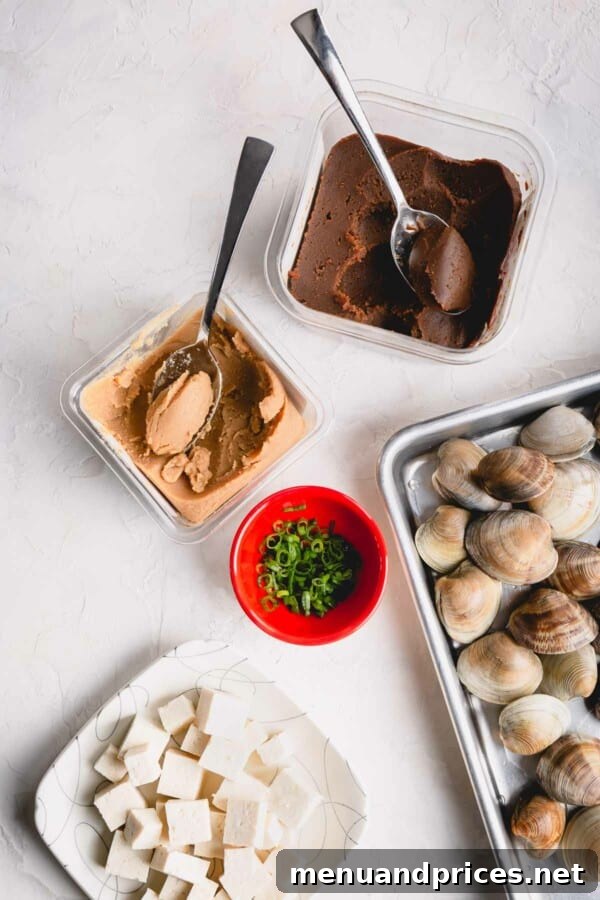
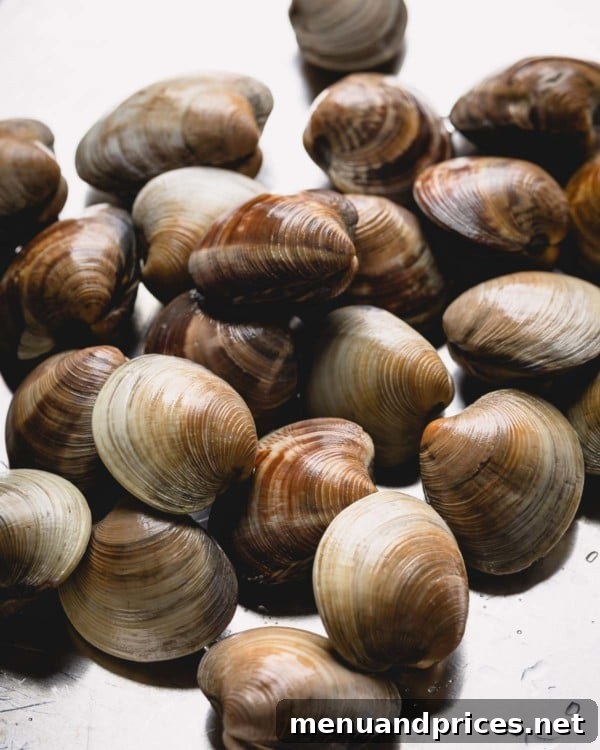
The traditional Japanese clam miso soup, Asari no Misoshiru, specifically calls for asari, which are Japanese littleneck clams, often referred to as Manila clams. These hard-shell steamer clams are prized for their tender, sweet meat and ability to impart a profound depth of flavor to the broth. If Manila clams are not readily available in your area, littleneck clams (commonly found in North America) make an excellent substitute. When purchasing, always ensure your clams are fresh – look for tightly closed shells, indicating they are alive. Avoid any with chipped shells or those that are open and do not close when tapped. - Miso Paste: The Soul of Japanese Cuisine
Miso paste is a fermented soybean paste that forms the base of any miso soup. You can use either red (aka) or white (shiro) miso paste, or even a combination of both, to achieve your desired flavor profile.- White Miso (Shiro Miso): This variety is typically fermented for a shorter period, resulting in a milder, sweeter, and lighter flavor. It’s an excellent choice for those new to miso soup or for a delicate clam flavor.
- Red Miso (Aka Miso): Fermented for a longer duration, red miso boasts a stronger, saltier, and more robust umami flavor. It can add a deeper character to your soup.
For a comprehensive guide on different miso varieties and how to choose the right one, refer to my easy miso soup recipe. Storing miso paste in the refrigerator ensures its freshness and extends its shelf life significantly.
- Optional Add-ins: Enhancing Without Overpowering
To allow the delicate, briny flavor of the clams to shine through, it’s recommended to keep additional ingredients to a minimum. My preferred complementary additions are:- Tofu: Silken tofu, cut into small cubes, adds a wonderful soft texture and absorbs the flavors of the soup beautifully. It provides a subtle protein boost without competing with the clams.
- Scallions (Green Onions): Thinly sliced green onions, particularly the green portion, offer a fresh, aromatic garnish and a mild oniony bite that brightens the soup. Add them just before serving to maintain their vibrant color and crispness.
While other ingredients like wakame seaweed or enoki mushrooms can be added, remember the goal is to highlight the clams’ natural essence.
Important Clam Variety Tip
It’s crucial to distinguish between different types of clams. Pacific littleneck clams are not the same species as Eastern littleneck clams. They have distinct characteristics and, more importantly, different cooking times.
Keep in mind, Pacific littleneck clams generally require approximately three times longer to cook compared to Manila or Eastern littleneck clams. Always be aware of the clam variety you are using to prevent overcooking and achieve the perfect tender texture.
How to Make Authentic Asari Miso Soup: A Step-by-Step Guide
Creating a flavorful and tender clam miso soup is easier than you might think. Follow these steps carefully to ensure a perfect bowl every time:
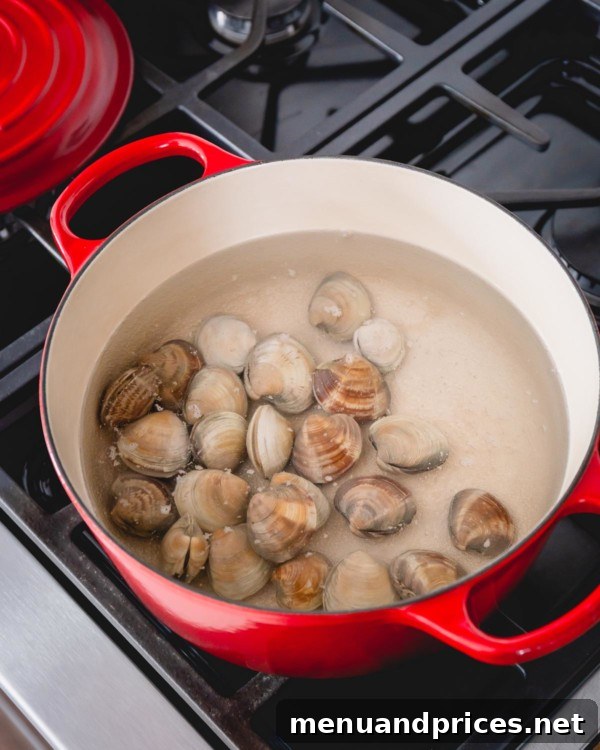
- Purge the Clams for Purity: Before cooking, it is absolutely essential to purge your clams to remove any sand or grit. This step ensures a clean, enjoyable eating experience. Start by scrubbing the clams under running cold water to remove any external dirt. Then, prepare a saltwater solution (approximately 1/4 cup of sea salt per 4 cups of cold water) in a large bowl. Submerge the cleaned clams in this solution and refrigerate for a minimum of 20 minutes, or up to 2 hours. This briny environment mimics their natural habitat, encouraging them to expel sand. For a more detailed tutorial, explore resources on how to clean clams.
- Initiate the Cooking Process: Transfer the purged clams to a large saucepan and add about 5 cups of cold water. Place the saucepan over high heat and bring the water to a rolling boil. As the water heats up, you may notice some foam forming on the surface; gently skim this off with a spoon to ensure a clear, clean broth.
- Monitor Clams for Opening: Pay close attention as the water boils. After approximately one minute of boiling, the clams will begin to open, indicating they are cooked. This is a critical moment. As soon as most of the clams have opened, immediately reduce the heat to low. Overcooked clams will become tough and rubbery, compromising the texture of your soup.
- Prepare the Miso Mixture: While the clams are simmering gently, ladle out about one cup of the hot clam stock into a separate cup or small bowl. Add your chosen miso paste (red, white, or a combination) to this hot stock. Stir vigorously until the miso paste is completely dissolved and no clumps remain. This technique ensures the miso integrates smoothly into the soup.
- Incorporate the Miso: Gently pour the dissolved miso mixture back into the saucepan with the clams and remaining stock. Stir gently to combine all the flavors.
- Add Final Touches and Serve: If using, add your cubed tofu and thinly sliced green onions to the soup at this stage. Allow the soup to simmer very gently for just one minute or so to warm the added ingredients through and allow their flavors to meld. Then, remove from heat and serve immediately.
Golden Rule for Miso Soup
Never boil the soup after adding the miso paste. Boiling miso destroys its delicate aromatic compounds and denatures the beneficial live cultures (probiotics) that miso is known for. It also contributes to overcooking the clam meat, causing it to become rubbery. Maintain a gentle simmer at most, or simply heat through until warmed.
Storing Clam Miso Soup: Best Practices
For the best flavor and texture, clam miso soup is truly meant to be enjoyed immediately after preparation. The clams retain their tender texture and the miso’s delicate aroma is at its peak. If you have leftovers, store them in an airtight container in the refrigerator for no more than one day. Reheating should be done very gently over low heat, ensuring the soup does not boil, to preserve the quality of the miso and prevent the clams from becoming rubbery. However, for the ultimate experience, fresh is always best.
Clam Miso Soup Recipe
Shinee Davaakhuu
30 mins
10 mins
45 mins
4 servings
Comment
Print Recipe
Ingredients
- 1 lb Manila or littleneck clams Note 1: Choose fresh, tightly closed clams.
- 1/4 cup sea salt for purging clams.
- 2-3 tablespoons red or white miso paste or a combination of two, Note 2.
- 4 oz silken tofu cubed, optional.
- 2 green onions green portion only, thinly sliced, optional.
- 5 cups cold water for cooking clams.
Instructions
To prepare clams:
-
Scrub the clams thoroughly under running cold water. Rinse them a few times until the water runs clear. Discard any clams that are open and do not close when tapped, or those with broken shells.
-
In a large bowl, combine 4 cups of cold water and 1/4 cup of sea salt. Stir until the salt is fully dissolved. Add the washed clams to this saltwater bath and soak them in the refrigerator for a minimum of 20 minutes, or up to 2 hours. This process helps the clams naturally purge any sand or grit from their shells.
To cook clams:
-
Add 5 cups of cold water to a large saucepan or pot. Place the purged clams into the saucepan and bring it to a rolling boil over high heat. As the water begins to boil, use a spoon to skim off any foam that rises to the surface.
-
Approximately one minute after the water comes to a boil, the clams should begin to open, signifying they are cooked. (TIP: It is crucial to monitor the clams closely. Cooking them for longer than a minute after they open will result in tough, rubbery clam meat. Remove from heat immediately once all clams are open.)
To make miso soup:
-
Immediately reduce the heat to its lowest setting. Ladle out about 1 cup of the hot clam stock into a separate cup. Add the miso paste to this cup and stir until it is completely dissolved, ensuring there are no lumps.
-
Pour the dissolved miso mixture back into the saucepan with the clam stock. Stir gently to combine.
-
If you are using them, add the cubed tofu and thinly sliced green onions to the soup. Simmer very gently for about 2 minutes to heat the additions through without boiling the soup. (IMPORTANT TIP: Do NOT bring the soup to a boil after adding the miso paste, as this will destroy its beneficial enzymes and delicate flavor, and can toughen the clams.) Serve immediately for the best flavor.
⭐️ Did you make this recipe?
Please leave a review and let us know how you liked it!
Tips & Notes
Note 2: White miso paste offers a milder, sweeter flavor, while red miso paste has a stronger, more pungent taste. A blend of both can create a balanced, complex flavor profile. If you are new to miso, white miso is a great starting point due to its approachable flavor.
Nutrition
1 serving
49kcal
4g
5g
1g
1g
7495mg
Soup, Main Dish, Appetizer
Japanese
Did you make this?
Leave a rating and your feedback. Thank you!